I Always Feel Tired And Weak After Dialysis, What Can I Eat To Make Up For It?
May 27, 2024
Fatigue after dialysis is a very common symptom among dialysis patients. Studies have shown that the average incidence of post-dialysis fatigue is as high as 68.8%, ranking first among hemodialysis complications, and strengthening nutrition is indeed an effective means to improve post-dialysis fatigue1.

Click to Cistanche for kidney disease
If dialysis patients want to strengthen their nutrition, remember to pay attention to the following main principles 2-4:
Sufficient energy, optimized staple food
Adequate energy intake is an important guarantee for maintaining good nutritional status for dialysis patients. It is recommended that patients consume 30-40 kcal per kilogram of body weight per day.
In order to reduce the burden on the kidneys and ensure high-quality protein intake, you can choose foods with low protein content and high energy density as staple foods (such as sweet potatoes, potatoes, cassava, yams, taro, etc.; wheat starch, sweet potato flour, potato flour, cassava flour, Sago, mung bean vermicelli, pea vermicelli, and other products).
Appropriate amount of protein, reasonable intake of fish, poultry, beans, eggs, milk and meat
The protein intake of dialysis patients should be 1.0-1.2g/(Kg·day), of which at least half is high-quality protein. When choosing protein food sources, you can give priority to fish and poultry, followed by soybeans and their products such as tofu, yuba, etc., and finally eggs, milk, and livestock meat.
Plenty of vegetables and a moderate amount of fruits
Vegetables and fruits are rich in vitamins, minerals, and dietary fiber. Dialysis patients can generally consume 300-500g of vegetables and 200-350g of fruits per day. In addition, dark vegetables and fruits rich in carotenoids can delay the decline of kidney function and have a protective effect on the kidneys. Dialysis patients can eat more in moderation.

Less salt, oil control, phosphorus limitation
First, controlling the salt intake in the diet can help improve blood pressure in dialysis patients and reduce proteinuria and edema. It is recommended that dialysis patients' daily salt intake should not exceed 5 g. It is best to avoid eating smoked, barbecued, pickled, and other over-processed foods, eat less soy sauce, monosodium glutamate, chicken essence, various sauces, and other condiments, and try to choose natural seasonings. Food, such as hawthorn, lemon, pepper, Sichuan peppercorns, vinegar, etc.
Secondly, too much cooking oil or eating too much fatty meat will lead to excessive total energy intake, thereby increasing the risk of overweight and obesity. It can easily lead to an increase in blood pressure, blood sugar, blood lipids and other indicators, which is not conducive to the control of kidney disease. The daily intake of cooking oil for dialysis patients should not exceed 25-40 g. They can eat more oils rich in medium-chain triglycerides or omega-3 fatty acids, such as flaxseed oil, perilla seed oil, etc., to protect the heart. Cerebrovascular health.
In addition, dialysis patients are prone to the complication of hyperphosphatemia. It is recommended that the daily dietary phosphorus intake should not exceed 800 to 1000 mg to maintain blood phosphorus within the normal range.
Reasonably choose nutritious and healthy foods
If you always feel tired and weak after dialysis, in order to strengthen nutrition, dialysis patients can also supplement with some nutritious and healthy foods specially formulated for dialysis patients. For example, complex nutritional powder is a good choice.

When purchasing complex nutritional powder, it is recommended to choose a brand with a certain reputation, so that the quality is more guaranteed. Also, pay attention to the ingredient list on the nutritional powder packaging. Only nutritional powder that contains high-quality protein & calcium, amino acids, vitamins and minerals, and pure vegetable fat can provide patients with more professional and comprehensive nutrition.
support. In addition, if some patients are lactose intolerant, it is best to choose nutritional powder with a zero-lactose formula to reduce the burden on the gastrointestinal tract.
You can mix the nutritional powder with warm water and drink it directly, or you can add it to daily foods such as porridge, soy milk, milk, and yogurt. It is recommended to consume it as soon as possible after opening to avoid the nutritional powder from deteriorating or expiring.
How Does Cistanche Treat Kidney Disease?
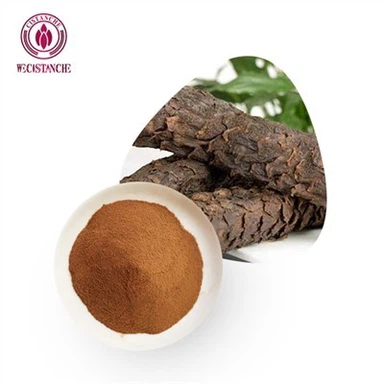
Cistanche is a traditional Chinese herbal medicine used for centuries to treat various health conditions, including kidney disease. It is derived from the dried stems of Cistanche deserticola, a plant native to the deserts of China and Mongolia. The main active components of cistanche are phenylethanoid glycosides, echinacoside, and acteoside, which have been found to have beneficial effects on kidney health.
Kidney disease, also known as renal disease, refers to a condition in which the kidneys are not functioning properly. This can result in a buildup of waste products and toxins in the body, leading to various symptoms and complications. Cistanche may help treat kidney disease ase through several mechanisms.
Firstly, cistanche has been found to have diuretic properties, meaning it can increase urine production and help eliminate waste products from the body. This can help relieve the burden on the kidneys and prevent the buildup of toxins. By promoting diuresis, cistanche may also help Reduce high blood pressure, a common complication of kidney disease.
Moreover, cistanche has been shown to have antioxidant effects. Oxidative stress, caused by an imbalance between the production of free radicals and the body's antioxidant defenses, plays a key role in the progression of kidney disease. ies help neutralize free radicals and reduce Oxidative stress, thereby protecting the kidneys from damage. The phenylethanoid glycosides found in cistanche have been particularly effective in scavenging free radicals and inhibiting lipid peroxidation.
Additionally, cistanche has been found to have anti-inflammatory effects. Inflammation is another key factor in the development and progression of kidney disease. Cistanche's anti-inflammatory properties help reduce the production of pro-inflammatory cytokines and inhibit the activation of inflammation mandatory pathways, thus alleviating inflammation in the kidneys.

Furthermore, cistanche has been shown to have immunomodulatory effects. In kidney disease, the immune system can be dysregulated, leading to excessive inflammation and tissue damage. Cistanche helps regulate the immune response by modulating the production and activity of immune cells, such as T cells and macrophages. This immune regulation helps reduce inflammation and prevent further damage to the kidneys.
Moreover, cistanche has been found to improve renal function by promoting the regeneration of renal tubes with cells. Renal tubular epithelial cells play a crucial role in the filtration and reabsorption of waste products and electrolytes. In kidney disease, these cells can be damaged, leading to damaged renal function. Cistanche's ability to promote the regeneration of these cells helps restore proper renal function and improve overall kidney health.
In addition to these direct effects on the kidneys, cistanche has been found to have beneficial effects on other organs and systems in the body. This holistic approach to health is particularly important in kidney disease, as the condition often affects multiple organs and systems. che has been shown to have protective effects on the liver, heart, and blood vessels, which are commonly affected by kidney disease. By promoting the health of these organs, cistanche helps improve overall kidney function and prevent further complications.
In conclusion, cistanche is a traditional Chinese herbal medicine used for centuries to treat kidney disease. Its active components have diuretic, antioxidant, anti-inflammatory, immunomodulatory, and regenerative effects, which help improve renal function and protect the kidneys from further damage. , cistanche has beneficial effects on other organs and systems, making it a holistic approach to treating kidney disease.