What To Do About Constipation After Chemotherapy?
Nov 01, 2023
Gastrointestinal reactions are common adverse reactions of tumor chemotherapy. Clinically, they often manifest as nausea, vomiting, diarrhea, etc. "Constipation" is also a common reaction but is often not taken seriously. The incidence of constipation after chemotherapy is 16% to 48%. If antiemetics are used during chemotherapy, the incidence of constipation is as high as 90%.

What is chemotherapy-related constipation?
Chemotherapy-related constipation refers to a type of constipation that occurs due to the receipt of chemotherapy drugs and chemotherapy auxiliary drugs and is characterized by prolonged defecation intervals, hardening of stools, and changes in shape. The incidence of constipation is higher among patients receiving chemotherapy.
Causes of chemotherapy-related constipation
1. Psychological factors
The patient's parasympathetic nervous system is suppressed due to side effects during chemotherapy, excessive financial pressure, high psychological pressure, and other factors;
2. Drug side effects
During chemotherapy, cancer patients will also use antiemetic drugs, analgesics, sedatives, etc. in addition to chemotherapy drugs. Long-term use of the above drugs will slow down intestinal peristalsis and lead to constipation. To treat constipation, laxatives, and purgatives are used to promote defecation, but excessive laxatives can be counterproductive and cause severe diarrhea. Excessive diarrhea can also lead to intestinal water loss, which in the long run aggravates defecation difficulties;
3. Dietary factors
To supplement nutrition, cancer patients often consume too much high-protein and high-fat foods, while neglecting the intake of dietary fiber, vitamins, water, and other defecation-promoting foods, resulting in an unbalanced diet and difficulty in intestinal peristalsis. , causing patients to have constipation;
4. Physiological factors
Everyone's defecation habits are different. Hospitalization for chemotherapy and changes in the surrounding environment can also lead to physiological constipation;
5. Activity factors
Due to the impact of the disease and chemotherapy, cancer patients often suffer from general fatigue, resulting in reduced exercise. The reduction in activity combined with the reduction in food intake and the lack of mechanical stimulation of the intestines leads to constipation.

Regarding constipation, many friends will have questions: "Doctor, I used to have a bowel movement every day. After chemotherapy, I had a bowel movement every other day for a week. Is this considered constipation?"
Regarding this issue, since everyone’s defecation habits are different, generally the frequency of defecation is less than 3 times per week, difficulty in defecation, and dry and hard stool can be preliminarily judged as constipation. As for whether it is chemotherapy-related constipation, a doctor still needs to do it. Further diagnosis.
The impact of constipation on chemotherapy patients
For chemotherapy patients, constipation can have the following effects:
1. Aggravate gastrointestinal symptoms: produce abdominal distension and aggravate gastrointestinal reactions such as nausea and vomiting.
2. Cardiovascular accidents: When constipated, straining to defecate will increase abdominal pressure for a long time, reduce blood return to the heart, and continue to increase intracranial pressure, which may lead to malignant arrhythmias and cerebrovascular accidents.
3. Nutrient absorption disorder: Abdominal distension, abdominal pain, and nausea lead to reduced eating and intestinal absorption disorder.
4. Perianal lesions: combined with an anal fissure, anal fistula, perianal infection, rectal prolapse, female vaginal uterine prolapse, etc.
5. Fall accidents: numbness of legs and feet, fatigue, dizziness, etc. after squatting for a long time during defecation.
Therefore, when chemotherapy patients find that they may have constipation, it is recommended to observe and keep a record of defecation. If the number of defecation times is less than 3 times a week, it is difficult to defecate, and the feces are dry and hard, then it is recommended to go to the hospital for treatment. At the same time, depending on the doctor's judgment, some examinations may be needed to rule out organic diseases such as intestinal obstruction.

Methods to prevent and relieve chemotherapy-related constipation
1. Carry out bowel training
▪ Please choose a safe, comfortable, private, and convenient environment when defecating.
▪ If using the toilet, it is recommended to place your feet on a small footstool to increase abdominal pressure.
▪ Carry out bowel training regularly, preferably 30 minutes after meals, twice a day, with each session lasting no more than 10 minutes.
2. Precautions during and after chemotherapy:
①Under chemotherapy
▪ Arrange your diet reasonably: adhere to a light and balanced diet, alternately eat high-fiber fruits and vegetables (such as celery, loofah, cucumber, sweet potato, dragon fruit, tomatoes, etc.), and eat peanuts, sesame seeds, walnuts, and other nut foods as appropriate. Eat a meal 2-3 hours before chemotherapy.
▪ Ensure adequate drinking water: drink 2000-3000 ml of water every day.
▪ Ensure appropriate activities: Encourage appropriate pre-meal activities to help increase appetite.
②After chemotherapy
▪ Avoid alcohol and choose nutritious and easy-to-digest foods, such as porridge, fish soup, vegetables, etc.
3. Exercise and massage assist defecation
▪ Abdominal breathing exercises: When inhaling, the abdomen gradually bulges; when exhaling, the bulging abdomen naturally retracts. The ratio of inhalation to exhalation time is 1:3.
▪ Abdominal massage: Lie on your back or stand, place your hands on the ileocecal area (right lower abdomen), massage in a circular motion with gentle force along the direction of intestinal peristalsis, and press the abdomen down 2 cm, twice a day, 10 minutes each time.
▪ Medical exercises: Cycling exercise on the bed for 1-2 minutes; leg bending exercise, repeated 15 times.
▪ Massage the reflex areas of the feet: Soak your feet in warm water for 10 minutes before chemotherapy to relax the foot muscles. Use the massage stick with your knuckles, slide back and forth, and circle to massage the sole, inside of the foot, outside of the foot, and instep. Massage your feet once a day, for 5 to 10 minutes each time.
4. Traditional Chinese Medicine Treatment
Under the guidance of a doctor, you can take traditional Chinese medicine for laxative treatment, or combine it with traditional Chinese medicine acupoint patching, Chinese medicine umbilical patching, acupuncture, and other auxiliary laxative treatments.
5. When fecal impaction constipation occurs
Diagnosis and treatment should be under the guidance of a doctor: first, take laxatives as directed by the doctor; if ineffective, enema treatment can be performed; or artificial assisted defecation can be used.
Natural Herbal Medicine For Relieving Constipation-Cistanche
Cistanche is a genus of parasitic plants that belongs to the family Orobanchaceae. These plants are known for their medicinal properties and have been used in Traditional Chinese Medicine (TCM) for centuries. Cistanche species are predominantly found in arid and desert regions of China, Mongolia, and other parts of Central Asia. Cistanche plants are characterized by their fleshy, yellowish stems and are highly valued for their potential health benefits. In TCM, Cistanche is believed to have tonic properties and is commonly used to nourish the kidney, enhance vitality, and support sexual function. It is also used to address issues related to aging, fatigue, and overall well-being. While Cistanche has a long history of use in traditional medicine, scientific research on its efficacy and safety is ongoing and limited. However, it is known to contain various bioactive compounds such as phenylethanoid glycosides, iridoids, lignans, and polysaccharides, which may contribute to its medicinal effects.

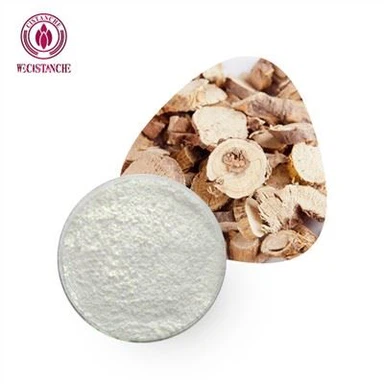
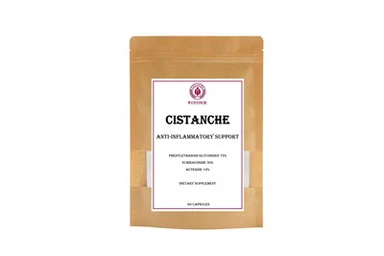
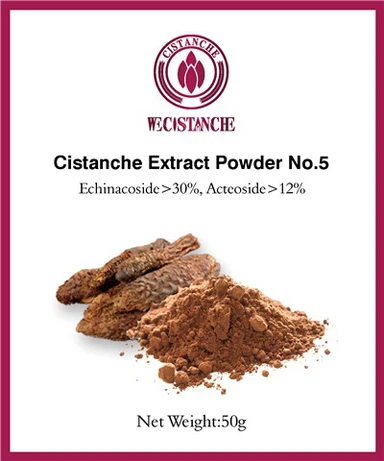
Wecistanche's cistanche powder, cistanche tablets, cistanche capsules, and other products are developed using desert cistanche as raw materials, all of which have a good effect on relieving constipation. The specific mechanism is as follows: Cistanche is believed to have potential benefits for relieving constipation based on its traditional use and certain compounds it contains. While scientific research specifically on Cistanche's effect on constipation is limited, it is thought to have multiple mechanisms that may contribute to its potential to relieve constipation. Laxative Effect: Cistanche has long been used in Traditional Chinese Medicine as a remedy for constipation. It is believed to have a mild laxative effect, which can help promote bowel movements and induce constipation. This effect may be attributed to various compounds found in Cistanche, such as phenylethanoid glycosides and polysaccharides. Moistening the Intestines: Based on traditional use, Cistanche is considered to have moisturizing properties, specifically targeting the Intestines. Promoting hydration and lubrication of the Intestines may help soften tools and facilitate easier passage, thereby relieving constipation. Anti-inflammatory Effect: Constipation can sometimes be associated with inflammation in the digestive tract. Cistanche contains certain compounds, including phenylethanoid glycosides and lignans, that are believed to have anti-inflammatory properties. By reducing inflammation in the intestines, it may help improve bowel movement regularity and relieve constipation.