Don’t Let Constipation Overdraft Your Health, Do Three Things Every Day
Nov 01, 2023
There is a kind of pain in the world called "having something in your stomach that you can't pull out". I believe many people have experienced the pain of constipation! Constipation is a common symptom among modern people. Data shows that 1 in 10 people in my country has constipation, and 75% of patients have chronic constipation.

Click to best laxative for constipation
When it comes to the solution to constipation, many people will think of "laxatives". Taking laxatives is not a good thing. People who are not constipated will suffer from long-term constipation, so don't rely on laxatives, otherwise, it will lead to the occurrence of black bowel disease. It can also cause dependence on defecation.
Constipation is one of the common symptoms of the elderly. In addition to affecting the quality of life, excessive force during defecation may also cause acute and serious diseases such as cerebral hemorrhage and myocardial infarction, and aggravate existing cardiovascular and cerebrovascular diseases. Therefore, constipation in the elderly should be paid special attention to.
What are the types of constipation?
organic constipation
The main causes of organic constipation in the elderly are diseases, such as intestinal diseases, neurological diseases, electrolyte disorders, endocrine and metabolic diseases, heart diseases, etc.
functional constipation
Functional constipation is often caused by insufficient intestinal motility. If the stool stays in the colon for a long time, the water will be sucked out, causing the stool to be dry and hard. Also, the rectal defecation reflex is slow, the stool reaches the anus of the rectum, and the person has no intention to defecate, or the pelvic floor muscles are not strong enough when defecating.
drug-induced constipation
Some medications taken by the elderly can also cause constipation, such as tricyclic antidepressants, anticholinergics, antitumor paralysis drugs, nonsteroidal anti-inflammatory drugs, antacids containing calcium carbonate or aluminum hydroxide, bismuth agents, iron agents, diuretics and certain antibacterial drugs.
In addition, there are other factors such as reduced fluid intake, reduced fiber intake in the diet, reduced activity, etc., which may also cause constipation in the elderly.
What are the causes of constipation?
Dietary factors
① Too little food intake, too little feces produced, and insufficient intestinal content to form feces.
② The diet is too refined and lacks residue, and there is a long-term lack of dietary fiber.
③ If the fluid intake is too little, the water in the intestine will be overabsorbed, causing the feces to gradually dry.
Habitual factors
① Due to work reasons, some patients cannot defecate in time when they feel the urge to defecate, which leads to difficulty in defecation over time.
② Some patients do other things while defecating, such as playing with mobile phones, reading, etc., unconsciously inhibiting defecation, resulting in a decrease in defecation reflex feeling.
Activity factors
Too little activity slows down intestinal peristalsis, prolongs the passage of intestinal contents, excessive absorption of water in the intestines, dry feces, and further obstruction of the intestines, thus forming a vicious cycle.
Social psychological factors
Strong mental stimulation, panic, emotional stress, or high concentration on a certain task will cause the urge to defecate to disappear and cause constipation.
Drug factors
Long-term use of laxatives, enemas, and other factors can also cause nerve paralysis in the intestinal wall, leading to constipation.

What are the dangers of constipation?
anal fissure
Long-term constipation and dry feces can cause mechanical trauma to the skin layer of the anal canal below the dentate line, resulting in anal fissures.
hemorrhoid
Repeated constipation for a long time and stool accumulation in the intestines can lead to slowed blood circulation, blood stasis, and venous dilation, which in turn can cause constipation.
mental illness
Long-term constipation can cause patients to experience symptoms of anxiety and depression, impaired social functions, and inability to cope with family and work responsibilities.
How to prevent constipation?
Develop good bowel habits
●You should defecate regularly after getting up every morning. Even if you don’t feel the urge to defecate, you should symbolically squat on the toilet to form a habit (conditioned reflex).
●Concentrate when defecating and avoid playing with mobile phones, reading, etc. to inhibit the defecation reflex.
sports
●Abdominal tightening and abdominal inflating exercises: Lie on your back and inhale deeply to inflate your abdomen. Exhale deeply to contract your abdomen. Repeat this for 3-5 minutes.
●levator ani exercise: Lie on your back, contract, and bulge, exhale deeply to contract the abdomen, and repeat for 3-5 minutes.
●Aerobic exercise: Regular aerobic exercise helps digestion, discharge of intestinal gas, and improves bloating.

diet
●①Drink more water. The daily water intake is about 2000 ml. After washing, drink 300-400 ml of boiled water or light salt water.
●②Eat spinach, water spinach, radish, onion, kelp, leek, celery, bamboo shoots, and other crude fiber vegetables.
●③Eat whole grains and grains frequently, such as cornmeal, sweet potatoes, semolina, oats, peanuts, sesame, etc.
●④ Occasionally chew some dried beans (fried peas, fried soybeans, etc.), which are easy to ferment in the intestines and produce gas, which is beneficial to defecation.
●⑤ You can drink a cup of warm water and honey water before going to bed.
Natural Herbal Medicine For Relieving Constipation-Cistanche
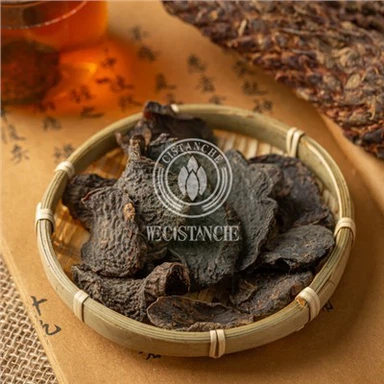
Cistanche is a genus of parasitic plants that belongs to the family Orobanchaceae. These plants are known for their medicinal properties and have been used in Traditional Chinese Medicine (TCM) for centuries. Cistanche species are predominantly found in arid and desert regions of China, Mongolia, and other parts of Central Asia. Cistanche plants are characterized by their fleshy, yellowish stems and are highly valued for their potential health benefits. In TCM, Cistanche is believed to have tonic properties and is commonly used to nourish the kidney, enhance vitality, and support sexual function. It is also used to address issues related to aging, fatigue, and overall well-being. While Cistanche has a long history of use in traditional medicine, scientific research on its efficacy and safety is ongoing and limited. However, it is known to contain various bioactive compounds such as phenylethanoid glycosides, iridoids, lignans, and polysaccharides, which may contribute to its medicinal effects.

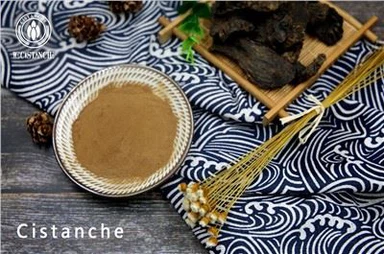
Wecistanche's cistanche powder, cistanche tablets, cistanche capsules, and other products are developed using desert cistanche as raw materials, all of which have a good effect on relieving constipation. The specific mechanism is as follows: Cistanche is believed to have potential benefits for relieving constipation based on its traditional use and certain compounds it contains. While scientific research specifically on Cistanche's effect on constipation is limited, it is thought to have multiple mechanisms that may contribute to its potential to relieve constipation. Laxative Effect: Cistanche has long been used in Traditional Chinese Medicine as a remedy for constipation. It is believed to have a mild laxative effect, which can help promote bowel movements and induce constipation. This effect may be attributed to various compounds found in Cistanche, such as phenylethanoid glycosides and polysaccharides. Moistening the Intestines: Based on traditional use, Cistanche is considered to have moisturizing properties, specifically targeting the Intestines. Promoting hydration and lubrication of the Intestines may help soften tools and facilitate easier passage, thereby relieving constipation. Anti-inflammatory Effect: Constipation can sometimes be associated with inflammation in the digestive tract. Cistanche contains certain compounds, including phenylethanoid glycosides and lignans, that are believed to have anti-inflammatory properties. By reducing inflammation in the intestines, it may help improve bowel movement regularity and relieve constipation.