What To Do About Constipation? Try These Methods
Sep 04, 2023
Constipation refers to a decrease in the frequency of defecation over a period of time (less than 3 times per week), dry and hard stool, a small amount, and laborious defecation.

Click to best laxative for constipation
If the disease lasts for more than 6 months, it is chronic constipation, with the main symptoms being:
· Stool volume is small, hard, and difficult to pass
· It takes a long time to defecate (more than 30 minutes), or you have multiple bowel movements a day, but it is difficult to pass them.
· Feces as hard as sheep droppings, accompanied by abdominal distension and loss of appetite
· Spontaneous bowel movements no more than 2 times within 7 days without the use of laxatives or no desire to defecate for a long time
Constipation in most people is caused by problems with the functioning of the intestines, a condition often called functional constipation. But some people are also caused by organic lesions in body organs. Therefore, the first step in treating constipation is to identify the cause and then treat it.

If the constipation is caused by organic disease, you need to seek medical treatment in time to eradicate the cause. Simply relying on laxatives will treat the symptoms but not the root cause, and may even cause good times and bad times. In addition to excluding organic diseases, the main countermeasures for functional constipation include the following:
1. Improvement of living and eating habits
Constipation in many people is related to the lack of dietary fiber in the diet, lack of exercise, and defecation habits. Therefore, solving the problem of constipation cannot be separated from the improvement of lifestyle, diet, and defecation habits.
It is recommended to supplement at least 20 to 35 grams of dietary fiber every day. Specifically, you can eat more grains, beans, vegetables, fruits, etc.; drink enough water, generally no less than 1.5 liters a day; if you have the habit of sitting to defecate, you can Add a small footstool to simulate squatting, because squatting is generally more conducive to smooth defecation; developing the habit of exercise and regular defecation can also help improve constipation.
2. Exclude drug-induced constipation
Some medications can also cause constipation, such as anticholinergics, opioid analgesics, calcium antagonists, tricyclic antidepressants, antihistamines, antispasmodics, and antacids containing calcium carbonate or aluminum hydroxide. agents, bismuth agents, iron agents, diuretics, anticonvulsants, etc.

If it is caused by these drugs, you can change the drug or stop the drug under the guidance of a doctor, and the constipation will be improved.
3. Reasonable drug treatment
If none of the above methods can completely improve constipation, you need to choose drugs to treat constipation under the guidance of a doctor.
① Volumetric laxatives such as polycarbophil calcium, psyllium, etc., can help the stool shape by increasing the stool volume and moisture, and help patients establish good defecation habits;
② Osmotic laxatives, such as lactulose, polyethylene glycol, etc., absorb water and stimulate intestinal peristalsis by forming hypertonicity in the intestine. These drugs are usually highly safe;
③ Stimulant laxatives such as anthraquinones, bisacodyl, etc., stimulate intestinal peristalsis by acting on the enteric nervous system, but have serious side effects and may cause colonic melanosis, so they are prescription drugs;
④ Prokinetic drugs such as prucalopride, mosapride, etc., relieve constipation by promoting intestinal peristalsis;
⑤ Secretion-stimulating drugs such as linaclotide can promote bowel movements by promoting intestinal fluid secretion.

If you use drug treatment, you need to pay attention to the safety and effectiveness of the drug on the one hand. On the other hand, you need to conduct regular evaluations. If the drug is ineffective, you need to ask a doctor to adjust it in time.
Although constipation is not a malignant disease, it will affect our quality of life, especially for patients with chronic constipation. If you want to improve constipation, you still need to take reasonable and professional methods and don't trust some internet celebrity treatments.
Natural Herbal Medicine For Relieving Constipation-Cistanche
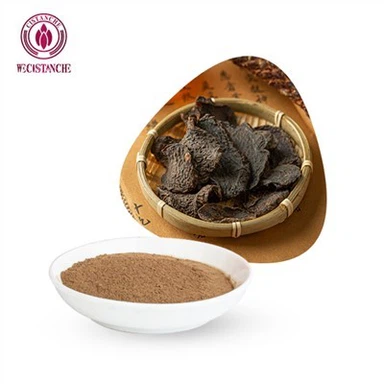
Cistanche is a genus of parasitic plants that belongs to the family Orobanchaceae. These plants are known for their medicinal properties and have been used in Traditional Chinese Medicine (TCM) for centuries. Cistanche species are predominantly found in arid and desert regions of China, Mongolia, and other parts of Central Asia. Cistanche plants are characterized by their fleshy, yellowish stems and are highly valued for their potential health benefits. In TCM, Cistanche is believed to have tonic properties and is commonly used to nourish the kidney, enhance vitality, and support sexual function. It is also used to address issues related to aging, fatigue, and overall well-being. While Cistanche has a long history of use in traditional medicine, scientific research on its efficacy and safety is ongoing and limited. However, it is known to contain various bioactive compounds such as phenylethanoid glycosides, iridoids, lignans, and polysaccharides, which may contribute to its medicinal effects.
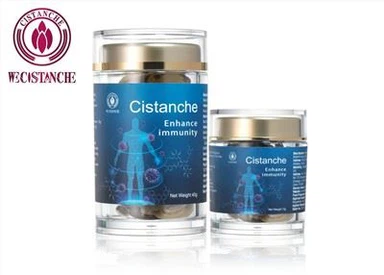
Wecistanche's cistanche powder, cistanche tablets, cistanche capsules, and other products are developed using desert cistanche as raw materials, all of which have a good effect on relieving constipation. The specific mechanism is as follows: Cistanche is believed to have potential benefits for relieving constipation based on its traditional use and certain compounds it contains. While scientific research specifically on Cistanche's effect on constipation is limited, it is thought to have multiple mechanisms that may contribute to its potential to relieve constipation. Laxative Effect: Cistanche has long been used in Traditional Chinese Medicine as a remedy for constipation. It is believed to have a mild laxative effect, which can help promote bowel movements and induce constipation. This effect may be attributed to various compounds found in Cistanche, such as phenylethanoid glycosides and polysaccharides. Moistening the Intestines: Based on traditional use, Cistanche is considered to have moisturizing properties, specifically targeting the Intestines. Promoting hydration and lubrication of the Intestines, it may help soften tools and facilitate easier passage, thereby relieving constipation. Anti-inflammatory Effect: Constipation can sometimes be associated with inflammation in the digestive tract. Cistanche contains certain compounds, including phenylethanoid glycosides and lignans, that are believed to have anti-inflammatory properties. By reducing inflammation in the intestines, it may help improve bowel movement regularity and relieve constipation.
References
1. Gastrointestinal Dynamics Group and Functional Gastrointestinal Disease Collaborative Group of the Chinese Medical Association’s Gastroenterology Branch. Chinese Expert Consensus on Chronic Constipation (2019, Guangzhou) [J]. Chinese Journal of Digestion, 2019, 39(9): 577 -598.
2. Gastrointestinal Dynamics Group of the Gastroenterology Branch of the Chinese Medical Association, Colorectal and Anal Surgery Group of the Surgery Branch of the Chinese Medical Association. Chinese Guidelines for the Diagnosis and Treatment of Chronic Constipation (2013, Wuhan) [J]. Chinese Journal of Digestion, 2013, 33( 5):291-297.
3. Geriatrics Branch of the Chinese Medical Association, Editorial Committee of the Chinese Journal of Geriatrics. Expert consensus on the evaluation and management of chronic constipation in the elderly [J]. Chinese Journal of Geriatrics. 2017, 36(4): 371-381.
4. Wuhan Union Hospital: Are you always troubled by constipation? Try these 5 tips