Where Are The Kidney And Intestinines in Relation To Other Organs?
Nov 24, 2022
The human body is like a complex and precise machine, and its normal operation depends on the coordinated and orderly work of various organs. What maintains the operation is the mutual communication of several "axes" between different organs, among which the kidney and intestine "take the lead". Once a certain organ on the axis develops a disease, it will affect the whole body and affect other organs.
Kidney-Arbor Axis
The heart and kidney are prone to "co-morbidity". Injury to one organ can affect the other, leading to heart and kidney failure and "cardiorenal syndrome".
Usually, heart diseases such as coronary heart disease, heart failure, and valvular heart disease will lead to myocardial ischemia and hypoxia, thereby activating the sympathetic nervous system and secreting a large number of catecholamines, which will not only directly damage the heart and kidneys, but also cause blood pressure to increase, further aggravating the Heart and kidney damage. Damage to the kidneys can also implicate the heart. When renal insufficiency occurs, water and metabolic waste cannot be excreted from the kidneys in time, and a large number of toxins accumulated can directly damage the myocardium and increase the burden on the heart.

Click Here to know How Traditional Chinese Herbs
for Improving the Function of the Kidney
The "mutual involvement" of the two is related to hemodynamic changes such as water and sodium retention and organ hypoperfusion. For example, heart failure causes renal hypoperfusion, leading to renal tubular necrosis; Neuroendocrine disorders caused by the "system", as well as chronic inflammation, acid-base metabolism disorders, malnutrition, and other cardiovascular disease-related mechanisms.
kidney-brain axis
The kidneys and the brain are organs with very rich blood flow. There is a "hypothalamus-pituitary-adrenal axis" between them, which constitutes an important part of the neuroendocrine system and participates in the regulation of physical activities, such as digestion, immunity, energy storage and consumption, etc. .
Studies have shown that the prevalence of senile dementia increases in patients with proteinuria and renal insufficiency, and as the disease progresses, cognitive dysfunction will further worsen. The longer the dialysis time of uremic patients, the more extensive the vascular disease and the higher the risk.

Some scholars have found that the main pathological mechanisms of chronic kidney disease affecting cognitive function include vascular lesions, white matter lesions and brain atrophy, and changes in cerebral blood flow. If chronic kidney disease is combined with hypertension and diabetes, on the one hand, there will be sclerosis and spasm of the blood vessels in the whole body, which will reduce the blood perfusion of kidneys, brain, and other organs; Kidney disease occurs.
kidney-gut axis
The intestinal tract is the "green forest" of the human body and an important place for toxin removal. Chronic kidney disease will affect intestinal flora and intestinal function; intestinal flora, dysfunction, and toxins will be produced, which will aggravate the progression of chronic kidney disease. This connection is called the "kidney-gut axis".
Toxins in patients with chronic kidney disease increase, diffuse in large quantities, and enter the gastrointestinal tract; at the same time, patients adjust their diet structure and take a variety of drugs, which will also cause a significant decrease in the types and quantities of beneficial bacteria such as bifidobacteria and lactobacilli in the intestines . Intestinal flora and dysfunction will in turn reduce the excretion of toxins, and metabolites affect the whole body through blood circulation, further "poisoning" the kidneys, forming a vicious circle.
The close relationship between intestinal flora and kidney affects and promotes the occurrence and development of diseases.
Protect the "kidney-X axis". Patients with kidney disease need to adopt a low-sodium, high-quality protein, and high-fiber diet to reduce intestinal dysfunction; Training; ensure adequate sleep, try to avoid the use of sedative drugs; moderate walking, Tai Chi and other exercises.
Gut-brain axis
Gut microbes can affect the brain by producing or secreting some substances, and the brain can also feed back information to the gut through a specific system. This two-way transmission system is called the "gut-brain axis" or "brain-gut axis". Broadly speaking, the gut-brain axis is not a single "axis", but consists of the central nervous system, neuroendocrine system, hypothalamus-pituitary-adrenal axis, autonomic sympathetic and parasympathetic nervous systems, intestinal flora and their metabolites. consist of.

Brain-gut peptides are dually distributed in the central nervous system and gastrointestinal tract, such as gastrin and cholecystokinin. On the one hand, exogenous and endogenous stimuli will affect the secretion of brain-gut peptides through the intestinal nerves, which can cause gastrointestinal discomfort; this discomfort can also react on the nerves through the brain-gut peptides, thereby affecting people's emotions and behaviors. It is called "brain-gut interaction" in medicine.
Once the dynamic balance of gut microbes is broken, the brain-gut axis is dysfunctional, which can increase anxiety, depression, irritable bowel syndrome, inflammatory bowel disease, schizophrenia, multiple sclerosis, Parkinson's disease, Alzheimer's Risk of diseases such as Haimer's disease.
Gut-liver axis
Liver diseases caused by different etiologies, such as alcohol and viruses, all follow a similar path, that is, under the mediation of liver and intestinal inflammation, liver fibrosis develops into liver cirrhosis, and finally develops into hepatocellular carcinoma. Which plays a role.

The gut-liver axis is a system established between the gut and liver through the biliary system, portal vein, and systemic circulation. Bile acids secreted by the liver can control the growth of intestinal flora and maintain the integrity of the mucosal barrier; the intestinal tract produces regulatory factors to regulate the production of bile acids. This "dialogue" is the key to maintaining liver metabolism and intestinal homeostasis .
If the liver is damaged, the intestinal mucosal barrier may be broken, and the bacteria and their metabolites in the intestinal tract enter the portal vein through the damaged mucosa, further activating the liver immune response, causing inflammation and aggravating liver damage. After food is absorbed by the intestines and metabolized by the liver, the metabolites can be reinfused into the intestines through the blood circulation. The metabolite acetaldehyde produced by ethanol in the liver can also damage the mucous membrane.
Gut-lung axis
The intestinal tract is the largest immune organ in the body. Changes in the composition and function of the flora can affect the respiratory tract through the mucosal immune system, and the disturbance of the flora in the respiratory tract can affect the permeability and barrier function of the digestive tract mucosa through immune regulation. This "intimate relationship" is called The "gut-lung axis".
Patients with inflammatory bowel diseases such as Crohn's disease and ulcerative colitis may have pulmonary complications, including airway inflammation, lung parenchymal lesions, serositis, and pulmonary embolism; drugs for the treatment of enteritis may have drug-induced pulmonary toxicity, cause lung damage. Tuberculosis patients swallowing sputum containing tuberculosis may lead to intestinal tuberculosis, constipation or diarrhea, blood in the stool, abdominal pain and other gastrointestinal symptoms.
If you do not pay attention to your diet and eat raw or undercooked crabs, you may be infected with paragonimiasis. Although the metacercariae of flukes are excysted in the duodenum, they can penetrate the intestinal wall and enter the abdominal cavity, migrating to the lung parenchyma. It develops into adult worms in about 5 to 6 weeks, and patients may experience symptoms of chest pain, cough, and dyspnea.
It is worth noting that in the diagnosis and treatment of new coronary pneumonia, maintaining the intestinal microecological balance has played a role in the treatment of patients.
To protect the "gut-X axis", we must first start with diet, and provide the dietary fiber and nutrients needed by the beneficial intestinal flora, such as seafood rich in zinc, to enhance the barrier function of the intestinal mucosa; people with dysbacteriosis can take it orally Bifidobacterium and other probiotic preparations can inhibit the excessive reproduction of bad bacteria. In addition, it is best to quit smoking and drinking
What Chinese herb improves kidney function?
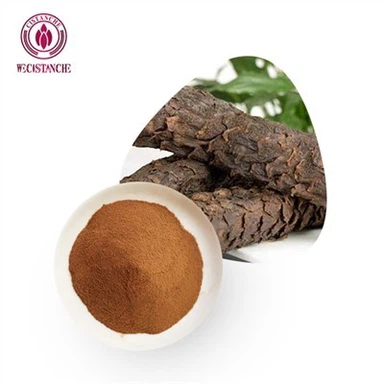
For impotence and premature ejaculation caused by kidney yang deficiency and insufficient essence and blood, Cistanche in traditional Chinese medicine has a certain conditioning effect on diseases such as low libido. Cistanche is a very good quick-acting aphrodisiac. Clinically, it is mainly used for physical diseases caused by sexual dysfunction.
Cistanche can regulate the aging of the hypothalamus, the regulation, and control center of the human neuroendocrine system, and improve the nutrition, body weight, endurance, and cold resistance of the body with yang deficiency. Studies have shown that: Cistanche can increase the number and survival rate of sperm, reduce the rate of sperm deformity, increase the speed of sperm running, promote testicular spermatogenesis, and improve the microenvironment of the epididymis.
The efficacy and function of cistanche
1. Tonify kidney yang
Cistanche belongs to the kidney meridian and has the effect of nourishing kidney yang. Cistanche, yam, and white tuckahoe are divided into powder, added with rice paste to make balls, and taken with jujube soup, which can cure kidney deficiency and white turbidity.

2. Essence and blood
Cistanche can benefit the essence and blood. Cistanche, cornus, schisandra, etc. are ground into powder, and honey is added to make balls, which can be used to reduce swelling and hunger.
3. Laxative
Cistanche belongs to the large intestine meridian and has the effect of moistening the intestines and laxative. Cistanche deserticola (soaked in wine, roasted), and agarwood powder can relieve the symptoms of sweating and constipation in the elderly or physically weak patients.

4. Enhance human endurance
In daily life, Cistanche can also be cut into thin slices and soaked in water orally. It is useful for improving physical weakness, treating senile constipation, and women's postpartum constipation.
Taboo:
The main function of Cistanche is to replenish yang and moisten the intestines. It is not recommended to take Cistanche if the yang energy is very strong, the liver fire is very strong, and the person has diarrhea.
Support:
wallence.suen@wecistanche.com 0015292862950