Whither Immunity? The Search For Effective, Durable Immunity To Coronavirus Disease 2019 (COVID-19)
May 05, 2023
One of the most important and challenging questions facing medicine today concerns the extent to which immunity develops and persists following coronavirus disease 2019 (COVID-19), that is, infection with severe acute respiratory coronavirus virus 2 (SARS-CoV-2), or for that matter, following immunization with a candidate SARS-CoV-2 vaccine. During the first 6 months of the pandemic, a great deal of speculation was expressed about whether immunity would follow infection.
One prepublication study that has not yet been peer-reviewed has suggested that coronavirus protective immunity has a short duration.1 At this stage of the pandemic, whether individuals who recover from COVID-19 can get infected again remains uncertain.2,3 Nonetheless, an enormous scientific effort is being expended urgently to develop vaccines and monoclonal antibodies to attempt to mitigate the risk of infection on the assumption that protective immunity can and does develop. Now 8 months into the pandemic, what do we know about immunity to SARS-CoV-2? What we have learned thus far suggests important roles for nonspecific, humoral, and cellular immunity.
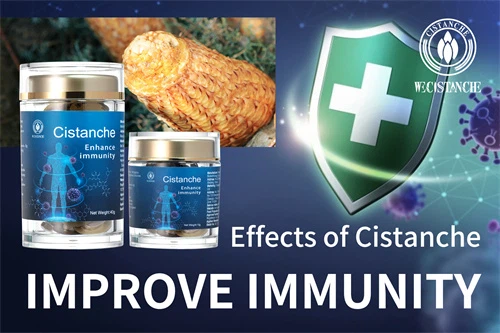
The acute respiratory coronavirus virus (COVID-19) is a pathogen capable of causing severe respiratory disease. The body's immune system plays a very critical role and plays a vital role in the COVID-19 virus infection and recovery process. The following is the relationship between the COVID-19 virus and immunity: 1. Immune system response: When the COVID-19 virus enters the human body, the immune system will immediately activate the response mechanism to activate white blood cells and other immune cells to fight the virus. This response prevents the further spread of the virus and facilitates its clearance. 2. Immunity Antibodies: Once the immune system senses the presence of the COVID-19 virus, it will produce antibodies. These antibodies are specialized proteins that recognize and target the COVID-19 virus. Additionally, these antibodies stay in the body, providing continued protection for a period of time. From this, we know that we must improve immunity in our daily life. Cistanche has a significant effect on improving immunity. The polysaccharides in the meat can regulate the immune response of the human immune system, improve the stress ability of immune cells, and strengthen immune cells. bactericidal effect.
Click health benefits of cistanche
Nonspecific immunity
Several manuscripts have suggested a hypothetical role for nonspecific immunity provided through the interferon network and natural killer (NK) cells4 in defending against the virus. Several studies have shown that NK cells are depleted or exhausted in severe COVID-19 infection.5–7 Vaccines, such as Bacillus Calmette–Guérin (BCG),8–11 measles,10,12 measles, mumps, rubella (MMR),13,14 and oral polio vaccines,10 stimulate nonspecific immunity. One preliminary epidemiological study found that, among studied countries in which BCG vaccination is given at birth, COVID-19 contagion rates were lower. These countries also experienced fewer COVID-19 deaths.8
Humoral immunity
The role of B-cell–mediated humoral immunity has been debated.15 Some investigators suggest that the humoral response might be ephemeral and incompletely protective, whereas others have found the presence of neutralizing antibodies and robust antibody responses among recovered patients.16 Longitudinal studies of antibody protection from seasonal coronavirus infection have shown transient protection, with frequent reinfections occurring 12 months after infection and substantial decreases in antibody levels within 6 months following infection.1 In a study of symptomatic and asymptomatic COVID-19 infections in China, asymptomatic infections produced a weaker, more transient immune response, with diminished IgG and neutralizing antibody levels.17 Even if humoral immunity is transient, plasma from patients who have recovered that contains high-titer neutralizing antibodies might be beneficial.
Many anecdotes describing the successful use of convalescent plasma have been reported, but only 1 controlled trial has been reported—it was underpowered and was terminated before statistical significance could be achieved.18 Other large, blinded controlled trials are underway.19 A recently posted preprint, which has not yet been peer-reviewed, from the large, expanded access trial coordinated by the Mayo Clinic, identified reduced mortality associated with both the administration of higher antibody-titer plasma as well as with earlier administration of the plasma for hospitalized COVID-19 patients.20 More recently, investigators have demonstrated that antibodies directed against the SARS-COV-2 spike protein are neutralizing and correlate with protection against reinfection in a macaque model.21
Cellular immunity
Several recent papers suggest that cellular immunity likely plays a key role in defense against COVID-19. Lymphopenia occurs commonly, especially in patients who have severe infections, and the severity of the lymphopenia correlates directly with the severity of the disease. Lymphopenia in COVID-19 is associated with the depletion of both CD4 and CD8 T cells, with minimal change in the CD4:CD8 ratio.22 Whether lymphopenia relates to the sequestration of T lymphocytes in sites of active infection or active destruction of T cells is not yet completely clear.
One investigator has suggested that the varied presentations of the disease in patients with COVID-19 could be related to some extent to CD8þ T-cell memory of other coronaviruses.23 Sekine et al,24 in a paper that has not yet been peer-reviewed, evaluated individuals who had asymptomatic or very mild COVID-19 and found vigorous memory T-cell responses in both populations. Interestingly, they also detected SARS-CoV-2–specific T cells in seronegative family members. This paper did not address the extent to which cross-immunity to prior seasonal coronavirus infections may have played a role in their findings.
Lebert et al25 demonstrated that COVID-19 induces durable T-cell immunity to a SARS-CoV-2 structural protein. Grifoni et al26 assessed the virus to identify aspects of viral proteins that they predicted would likely stimulate T cells effectively. They then exposed cells from 10 recovered COVID-19 patients to these viral protein fragments. All 10 patients had helper T cells that responded to the SARS-CoV-2 spike protein.
In addition, 7 of the 10 patients responded to stimulation with these protein fragments by producing virus-specific killer T cells.26 Similarly, in a preprinted paper, Braun et al.27 found helper T cells that could target the spike protein in 15 of 18 patients hospitalized with COVID-19. These latter 2 papers, as well as a paper by Mateus et al,28 identified cells reactive with SARS-CoV-2 proteins in healthy individuals who had not been exposed to COVID-19. Also, 2 of these papers suggest that these responses likely represent cross-reactive T-cell recognition between seasonal coronaviruses and SARS-CoV-2.26,28.
Animal challenge studies
Two recently published studies, one peer-reviewed21 and the other posted as a preprint,29 have demonstrated that macaques infected with SARS-CoV-2 are resistant to reinfection with the same viral isolate following recovery from their initial infection. In the former study, macaques that had recovered from a laboratory-induced COVID-19 and were rechallenged with the same inoculum demonstrated a 5 log10 reduction in median viral loads in bronchoalveolar lavage and nasal mucosa compared with levels detected during their primary infections. In both studies, high levels of neutralizing antibodies were detected following the rechallenge. Neither study assessed the cellular immune responses of the macaques in detail.

Clinical experience to date
Several studies provide some evidence that clinical infection, and even mild infection, can produce a protective immune response. One study evaluated a COVID-19 outbreak that occurred on a fishing vessel.30 The outbreak attack rate was 85% (104 of 122 crew members); however, 3 crew members who were known to have neutralizing antibodies before departure remained uninfected.
Thus, these 3 individuals who were known before the outbreak to have robust antinucleoprotein antibody responses and neutralizing antibodies were protected from infection. Two recently preprinted studies that have not yet been peer-reviewed have also detected robust neutralizing humoral responses among patients who have recovered from COVID-19.31,32 Finally, although some cases of possible reinfection with SARS-CoV-2 have been reported,33 such cases are rare, and none of these cases has been proved to represent de novo reinfection. A Centers for Disease Control and Prevention (CDC) website states clearly that they are not aware of any confirmed reports of COVID-19 reinfection occurring within 90 days of the primary infection.34 The absence of documented reinfections indirectly argues for at least short-term protective immunity in recovered individuals.
In summary, although far from conclusive, the studies of natural, humoral, and cellular immunity, when considered in context with the findings from the animal rechallenge studies, provide substantial encouragement for the concept that recovery from COVID-19 is associated with a robust immune response that includes both humoral and cell-mediated responses. We will not know definitively whether prior infection or vaccine response confers immunity until a sufficient number of previously infected or vaccinated persons are exposed to the virus. The animal rechallenge studies suggest a likely protective host response.
In support of this latter concept, thus far into the pandemic, few, if any, cases of COVID-19 reinfection have been documented. Altmann and Boyton35 have argued that, based on experience with both SARS-CoV-1 and MERS, humoral responses may be relatively short-lived, and that T-cell responsiveness is potentially more durable. Recently, investigators have found durable T-cell help in those recovered from COVID-19.26 Taken together, all these findings point optimistically toward the development of successful vaccines against COVID-19.
Acknowledgments.
The authors acknowledge the assistance of the SHEA Executive Office Staff in the preparation of this manuscript.
Financial support.
No financial support was provided relevant to this article.
Conflicts of interest.
All authors report no conflicts of interest relevant to this article.
Since this manuscript was submitted, a few cases of SARS-CoV-2 re-infection have been well documented.36–38 Based on the experience with seasonal coronaviruses, such reinfections were anticipated. The fact that such cases are documented infrequently provides indirect evidence for durable immunity.
References
1. Edridge AWD, Kaczorowska J, Hoste ACR, et al. Human coronavirus reinfection dynamics: lessons for SARS-CoV-2. medRxiv 2020. doi: 10.1101/ 2020.05.11.20086439v2.
2. Test for past infection (antibody test). Centers for Disease Control and Prevention website. https://www.cdc.gov/coronavirus/2019-ncov/testing/ serology-overview.html. Updated June 30, 2020. Accessed July 9, 2020.
3. Interim guidelines for COVID-19 antibody testing in clinical and public health settings. Centers for Disease Control and Prevention website. https://www.cdc.gov/coronavirus/2019-ncov/lab/resources/antibody-testsguidelines.html. Updated August 1, 2020. Accessed September 9, 2020.
4. Market M, Angka L, Martel AB, et al. Flattening the COVID-19 curve with natural killer cell-based immunotherapies. Front Immunol 2020;11:1512.
5. Akbari H, Tabrizi R, Lankarani KB, et al. The role of cytokine profile and lymphocyte subsets in the severity of coronavirus disease 2019 (COVID-19): a systematic review and meta-analysis. Life Sci 2020:118167.
6. Bordoni V, Sacchi A, Cimini E, et al. An inflammatory profile correlates with decreased frequency of cytotoxic cells in COVID-19. Clin Infect Dis 2020. doi: 10.1093/cid/ciaa577.
7. Gan J, Li J, Li S, Yang C. Leucocyte subsets effectively predict the clinical outcome of patients with COVID-19 pneumonia: a retrospective case-control study. Front Public Health 2020;8:299.
8. Covian C, Retamal-Diaz A, Bueno SM, Kalergis AM. Could BCG vaccination induce protective trained immunity for SARS-CoV-2? Front Immunol 2020;11:970.
9. Gursel M, Gursel I. Is global BCG vaccination-induced trained immunity relevant to the progression of the SARS-CoV-2 pandemic? Allergy 2020;75:1815–1819.
10. Netea MG, Giamarellos-Bourboulis EJ, Dominguez-Andres J, et al. Trained immunity: a tool for reducing susceptibility to and the severity of SARSCoV-2 infection. Cell 2020;181:969–977.
11. Abbas AM, AbouBakr A, Bahaa N,et al. The effect of the BCG vaccine in the era of the COVID-19 pandemic. Scand J Immunol 2020:e12947.
12. Shanker V. Measles immunization: worth considering containment strategy for SARS-CoV-2 global outbreak. Indian Pediatr 2020;57:380.
13. Anbarasu A, Ramaiah S, Livingstone P. Vaccine repurposing approach for preventing COVID-19: can MMR vaccines reduce morbidity and mortality? Hum Vaccin Immunother 2020. doi 10.1080/21645515.2020.1773141.
14. Fidel PL Jr, Noverr MC. Could an unrelated live attenuated vaccine serve as a preventive measure to dampen septic inflammation associated with COVID-19 infection? mBio 2020;11(3). doi: 10.1128/mBio.00907-20.
15. Siracusano G, Pastori C, Lopalco L. Humoral immune responses in COVID-19 patients: a window on the state of the art. Front Immunol 2020;11:1049.
16. Zost SJ, Gilchuk P, Case JB, et al. Potently neutralizing human antibodies that block SARS-CoV-2 receptor binding and protect animals. Nature 2020;584:443–449.
17. Long QX, Tang XJ, Shi QL, et al. Clinical and immunological assessment of asymptomatic SARS-CoV-2 infections. Nat Med 2020;26:1200–1204.
18. Li L, Zhang W, Hu Y, et al. Effect of convalescent plasma therapy on time to clinical improvement in patients with severe and life-threatening COVID-19: a randomized clinical trial. JAMA 2020;324:460–470.
19. Murphy M, Estcourt L, Grant-Casey J, Dzik S. International survey of trials of convalescent plasma to treat COVID-19 infection. Transfus Med Rev 2020;34:151–157.
20. Joyner MJ, Senefeld JW, Klassen SA, et al. Effect of convalescent plasma on mortality among hospitalized patients with COVID-19: initial three-month experience. medRxiv 2020 August
21. doi 10.1101/2020.08.12.20169359. 21. Chandrashekar A, Liu J, Martinot AJ, et al. SARS-CoV-2 infection protects against rechallenge in rhesus macaques. Science 2020.
22. Wang F, Nie J, Wang H, et al. Characteristics of peripheral lymphocyte subset alteration in COVID-19 pneumonia. J Infect Dis 2020;221:1762– 1769.
23. Sette A, Crotty S. Pre-existing immunity to SARS-CoV-2: the knowns and unknowns. Nat Rev Immunol 2020;20:457–458.
24. Sekine T, Perez-Pott A, Rivera-Ballesteros O, et al. Robust T-cell immunity in convalescent individuals with asymptomatic or mild COVID-19. Cell 2020. doi: 10.1016/j.cell.2020.08.017.
25. Le Bert N, Tan AT, Kunasegaran K, et al. SARS-CoV-2-specific T-cell immunity in cases of COVID-19 and SARS, and uninfected controls. Nature 2020;584:457–462.
For more information:1950477648nn@gamil.com