Why Is Constipation So Common in Winter? This May Be A Problem With The Intestines
Dec 15, 2023
I often sit on the toilet until my legs are numb and my head is sweating profusely, but there is often "nothing left". Statistics show that there are approximately 4 to 6 constipation patients for every 100 adults in China. The older we get, the more patients suffer from constipation, and more of them are women than men, which greatly affects daily life. What should we do?

Are you "really" constipated?
Constipation refers to a decrease in the frequency of defecation. The frequency of defecation is less than 3 times a week, or the stool is only once every 2 to 3 days. The feces are small and dry, and there is usually difficulty in defecation and a feeling of incomplete defecation. If constipation lasts for more than 1 month, it can be diagnosed as chronic constipation.
However, if you always have a bowel movement every 2 to 3 days, the bowel movements are normal, and there is no difficulty in defecation or a feeling of incomplete defecation, this situation should not be considered constipation.
Whether it is two times a day or five times a week, and it is not accompanied by other abdominal discomfort symptoms (such as abdominal pain, or blood in the stool), it is within the normal range and there is no need to worry.
If your stool turns white (white clay stool), black (tarry stool), or red (bloody stool), you should go to the hospital. Of course, eating too much of some foods may also affect the color of the stool. You can consult a doctor for identification.
If the stench of your poop is overwhelming, you need to be alert. If your stool is dry, smelly, and dark in color, you may have long-term constipation.
7 types of constipation that require prompt medical treatment
① I have never been constipated before, but I have become constipated recently.
② I used to have constipation, but recently, for no clear reason, my constipation has become significantly worse.
③ The stool is bloody and mucusy, or the stool is thinner, with grooves on it, etc.
I always feel that my bowel movements are not clean. This condition is called rectal irritation symptom. It is likely to be inflammation or even a tumor in the rectum.
⑤ Accompanied by abdominal distension, abdominal pain, nausea, and vomiting.
⑥Constipation has not improved through adjustments such as diet and exercise, and the effect of taking medicine is not good.
⑦ If you have lost weight significantly recently, you should check whether you have diabetes, hyperthyroidism, or tumors; if you have symptoms of anemia, such as pale face, dizziness, and vertigo, you should go to the hospital for a hemoglobin test.

Intestinal disorders
Constipation can cause problems such as a sinking feeling in the abdomen, bloating, and abdominal pain. It can also easily cause anal fissures, proctitis, hemorrhoids, ulcers, gastrointestinal dysfunction, and even induce malignant transformation of the large intestine.
interfere with brain function
Toxins in the intestines will be absorbed in large quantities, which may interfere with brain function, causing memory loss, distraction, and slow thinking.
make people ugly
Long-term constipation will cause symptoms such as skin acne, bad breath, obesity, dull skin color, dry hair, and spots.
induce other diseases
Many people with constipation will strain to defecate. This will cause their blood pressure to be higher than usual and the body's oxygen consumption to increase, making them prone to accidents such as angina pectoris, myocardial infarction, stroke, and sudden death. Long-term constipation in men can also easily induce prostate disease.
Taking medicine indiscriminately makes things worse
The abuse of laxatives and "laxatives" not only fails to relieve constipation, but also worsens the situation and develops into stubborn and refractory constipation, which in turn induces colon melanosis, colon polyps, etc., and increases the risk of malignant transformation.
The "culprit" that causes constipation~
Too refined a diet and insufficient intake of fruits and vegetables
If there is little residue after the food is digested, feces of sufficient volume cannot be formed in the colon, making it difficult to have a bowel movement every day, especially in women with constipation.
Bad bowel habits
If you deliberately hold back the urge to defecate when you feel the urge to defecate, it will also lead to the disappearance of the urge to defecate in the long term, resulting in functional constipation, such as playing with mobile phones or reading newspapers while defecating.
Suggestion: The human body has two "natural periods" for defecation: one is the "rising reflex" when getting up in the morning; the other is the "gastro-colic reflex" after eating. Therefore, awakening the natural defecation reflex has twice the result with half the effort in improving constipation.
Not fond of exercise and not drinking enough water
Too little exercise will reduce colonic peristalsis while increasing exercise will promote intestinal peristalsis. In addition, if the water is not replenished enough, the intestines will absorb more water from the stool, making the stool dry and hard.
age factor
Constipation is more common in the elderly, mainly related to age. In addition, the elderly are more prone to constipation due to reduced activities.
Disease caused
Intestinal obstruction, post-cerebral infarction constipation, pelvic floor muscle disorders, diabetes, hormonal effects, etc. These causes of constipation require corresponding treatment based on the cause.

Constipation is more common in winter, how to deal with it
Drinking 1 glass of water in the morning and drinking water on an empty stomach when you wake up can promote intestinal peristalsis and help better defecation. Ordinary people should ensure that they drink 1500-2000ml of water every day.
Regular living habits. Food has a fixed defecation cycle from the time it is eaten to the time it is excreted from the body. If eating, sleeping and other lifetimes are irregular, defecation will not be regular.
Go to the toilet regularly. Don't hold in your bowels. If you hold in your bowels many times, it will be more difficult to defecate in the long run. It is recommended to develop a regular toilet time, such as squatting for a while every morning or evening, regardless of whether you want to defecate or not.
Rub your belly. There are some acupuncture points around the belly button. Massage promotes the contraction of gastrointestinal smooth muscles and strengthens intra-abdominal peristalsis. When massaging, you can generally choose to rub your abdomen in a clockwise direction.
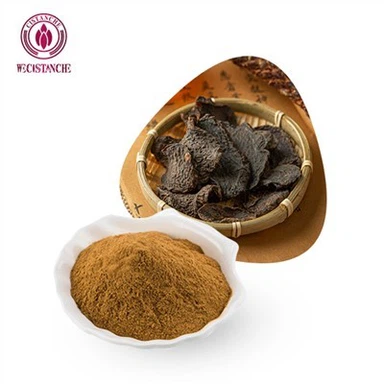
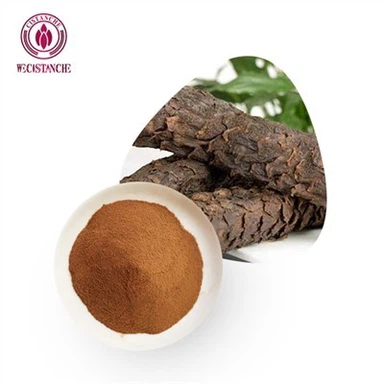
Natural Herbal Medicine For Relieving Constipation-Cistanche
Cistanche is a genus of parasitic plants that belongs to the family Orobanchaceae. These plants are known for their medicinal properties and have been used in Traditional Chinese Medicine (TCM) for centuries. Cistanche species are predominantly found in arid and desert regions of China, Mongolia, and other parts of Central Asia. Cistanche plants are characterized by their fleshy, yellowish stems and are highly valued for their potential health benefits. In TCM, Cistanche is believed to have tonic properties and is commonly used to nourish the kidney, enhance vitality, and support sexual function. It is also used to address issues related to aging, fatigue, and overall well-being. While Cistanche has a long history of use in traditional medicine, scientific research on its efficacy and safety is ongoing and limited. However, it is known to contain various bioactive compounds such as phenylethanoid glycosides, iridoids, lignans, and polysaccharides, which may contribute to its medicinal effects.

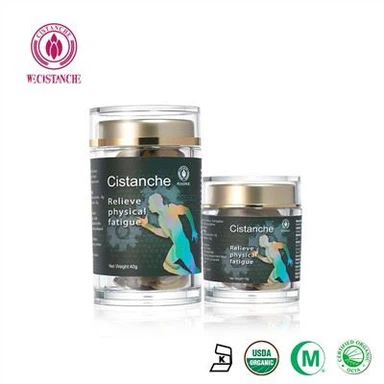
Wecistanche's cistanche powder, cistanche tablets, cistanche capsules, and other products are developed using desert cistanche as raw materials, all of which have a good effect on relieving constipation. The specific mechanism is as follows: Cistanche is believed to have potential benefits for relieving constipation based on its traditional use and certain compounds it contains. While scientific research specifically on Cistanche's effect on constipation is limited, it is thought to have multiple mechanisms that may contribute to its potential to relieve constipation. Laxative Effect: Cistanche has long been used in Traditional Chinese Medicine as a remedy for constipation. It is believed to have a mild laxative effect, which can help promote bowel movements and induce constipation. This effect may be attributed to various compounds found in Cistanche, such as phenylethanoid glycosides and polysaccharides. Moistening the Intestines: Based on traditional use, Cistanche is considered to have moisturizing properties, specifically targeting the Intestines. Promoting hydration and lubrication of the Intestines may help soften tools and facilitate easier passage, thereby relieving constipation. Anti-inflammatory Effect: Constipation can sometimes be associated with inflammation in the digestive tract. Cistanche contains certain compounds, including phenylethanoid glycosides and lignans, that are believed to have anti-inflammatory properties. By reducing inflammation in the intestines, it may help improve bowel movement regularity and relieve constipation.