Widespread Ripples Synchronize Human Cortical Activity During Sleep, Waking, And Memory Recall Part 3
Oct 17, 2023
Discussion
Here, using human intracortical recordings, we show that ripples couple, co-occur, and phase-synchronize across all lobes and between both hemispheres, with little decrement, even at long distances. The rate of rippling above chance increased exponentially with the proportion of rippling sites, which was correlated with stronger phase locking. Cortical neurons increased firing during ripples and phase-locked to them, a requisite for ripples to enhance interaction via gain modulation and coincidence detection.
We will encounter various challenges in life. Some things will bring us happiness and success, while other things will make us confused and frustrated. But no matter what situation we encounter, we all have one question in common: How do we maintain and improve our memory?
An important factor related to memory is the decay rate. Decay rate refers to how quickly people forget a piece of knowledge or skill over time after learning it. Typically, this speed increases over time because the information in memory becomes increasingly susceptible to interference from other information.
Research shows that the decay rate is closely related to memory. Some scientists believe that our brains can improve memory by slowing the rate of decay through different methods. For example, repeated learning of some knowledge or skills can slow down the decay rate and improve memory retention time. In addition, various memory techniques can be used when learning and memorizing to help improve memory retention time and memory strength, which is also an important way to slow down the decay rate.
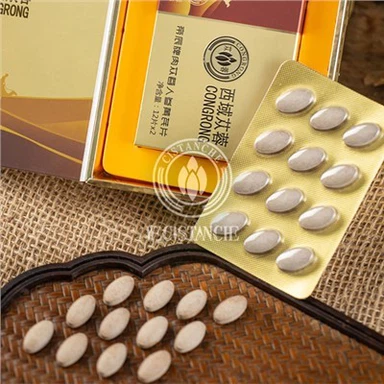
Slowing the rate of decay is a very important factor if we want to maintain and improve memory. Although the rate of decay may depend largely on individual differences, many people significantly improve their memory by changing their learning and memory habits. Therefore, we should actively learn and master various memory skills, which will help us better maintain and improve our memory in our daily lives. It can be seen that we need to improve memory, and Cistanche deserticola can significantly improve memory because Cistanche deserticola is a traditional Chinese medicinal material that has many unique effects, one of which is to improve memory. The efficacy of minced meat comes from the various active ingredients it contains, including acid, polysaccharides, flavonoids, etc. These ingredients can promote brain health in various ways.

Click know ways to improve your memory
We will encounter various challenges in life. Some things will bring us happiness and success, while other things will make us confused and frustrated. But no matter what situation we encounter, we all have one question in common: How do we maintain and improve our memory?
An important factor related to memory is the decay rate. Decay rate refers to how quickly people forget a piece of knowledge or skill over time after learning it. Typically, this speed increases over time because the information in memory becomes increasingly susceptible to interference from other information.
Research shows that the decay rate is closely related to memory. Some scientists believe that our brains can improve memory by slowing the rate of decay through different methods. For example, repeated learning of some knowledge or skills can slow down the decay rate and improve memory retention time. In addition, various memory techniques can be used when learning and memorizing to help improve memory retention time and memory strength, which is also an important way to slow down the decay rate.
Slowing the rate of decay is a very important factor if we want to maintain and improve memory. Although the rate of decay may depend largely on individual differences, many people significantly improve their memory by changing their learning and memory habits. Therefore, we should actively learn and master various memory skills, which will help us better maintain and improve our memory in our daily lives. It can be seen that we need to improve memory, and Cistanche deserticola can significantly improve memory because Cistanche deserticola is a traditional Chinese medicinal material that has many unique effects, one of which is to improve memory. The efficacy of minced meat comes from the various active ingredients it contains, including acid, polysaccharides, flavonoids, etc. These ingredients can promote brain health in various ways.
Enhanced long-distance interaction during rippling between sites was supported by increased high-frequency correlation. Ripples co-occurred between cortical sites and between the cortex and hippocampus during both spontaneous waking and NREM, and more cooccurrences preceded successful delayed recall.
Overall, our results suggest that distributed, phase-locked cortical ripples possess the properties that may allow them to facilitate the integration of the different elements comprising a particular declarative memory, or more generally, to help “bind” different aspects of a mental event encoded in widespread cortical areas into a coherent representation.
Previous work showed that the coupling of anterolateral temporal and parahippocampal ripples in humans increases before correct recall in paired-associates learning (8). We show that such coupling also occurs between hippocampal and cortical ripples. Further, we show that immediate recall with no intervening distractor, a task with identical sensory and motor stimulation but that does not require the hippocampus (12), is not associated with increased hippocampo-cortical ripple coupling. Critically, given the importance of transcortical connections between sites encoding previously unrelated elements in declarative memory, we show that cortico-cortical ripple coupling also strongly increases before correct recall following a delay.
Transient medial temporal inactivation disrupts both memory formation and retrieval, implying a contribution to both (33), in addition to the hippocampal role in consolidation during NREM (1–4). We found that hippocampo-cortical ripple coupling occurred spontaneously in both waking and NREM, but with different order preferences—cortex leading during waking and hippocampus during NREM, possibly reflecting different overall flow of information during memory formation versus consolidation.

The order effect during NREM was only found for hippocampal sharp-wave ripples (21), not spindle ripples (22). Sharp wave ripples have stronger associations with prefrontal areas supporting contextual aspects of episodic memory and spindle ripples with parietal areas supporting detailed autobiographical recollection. These results thus reinforce a previous suggestion that ripples make sequential contributions to consolidation (22).
A finding of this study is that spontaneous cortical ripples couple (within ±500 ms) co-occur (≥25-ms overlap) and often phase-lock (synchronize) across large areas of both hemispheres during both sleep and waking. The minimal decrement with distance in co-occurrence or phase locking suggests either a central driving oscillator or a population origin, such as a web of coupled oscillators (Fig. 6A).
The hippocampus is unlikely to act as a central driving oscillator because hippocampo-cortical coupling and rippling are rarer than cortico-cortical, and hippocampo-cortical phase locking is essentially absent. A preponderance of cortico-cortical influences might be expected given that each cortical pyramidal cell receives input from thousands of other pyramids, whereas the fan-out from the hippocampus (CA1 plus subiculum) to the cortex is ∼1:500, so each cortical pyramid gets on average less than 10 hippocampal synapses (34, 35).
The thalamus is another possible source of synchronization of multiple cortical locations. However, thalamocortical connections are also very rare compared to cortico-cortical (36). Given the strong relationship of cortical ripples to upstates, and less strongly to sleep spindles (11), and the role of thalamocortical interactions in the generation of upstates and spindles (37), it is possible that thalamocortical modulation via sleep waves may contribute to cortico-cortical ripple synchronization.
Conversely, a cortico-cortical network of coupled oscillators is consistent with the finding in cats that a section of the corpus callosum disrupts gamma synchrony between V1 in the two hemispheres (17). Furthermore, the highly uniform ripple frequency observed across sites, cortical regions, and individual ripples suggests that local cellular and network mechanisms set the resonant oscillation frequency of each cortical module to the same 90-Hz frequency, which is thereby prone to co-oscillate when excited and connected.
A major role of cortico-cortical interactions in ripple co-occurrence and phase locking is also suggested by the strong positive feedback we observed in the spread of cortico-cortical co-occurrence and the intensity of cortico-cortical phase locking. Specifically, cortico-cortical co-occurrence probability during waking increases from about twice the chance levels for two co-occurring sites to about 20,000 times the chance for co-occurrence in 25% of the sites. Similarly, during NREM, peak cortical ripple PLV between sites increases linearly with the number of additional sites rippling, from ∼0.2 with no additional sites to ∼0.9 with 12. Note that a PLV of 1.0 would indicate perfect consistency of phase between sites over all of their co-occurring ripples.
The mechanism whereby cortico-cortical interactions could support our finding of zero-lag phase locking at long distances, with minimal decrement up to 250 mm, is unclear. Fast corticocortical fibers conduct ∼10 m/s, traveling 111 mm between successive peaks of a 90-Hz ripple (38). However, synchronizing projections can still be effective at multiples of the cycle time, especially with recurrent connectivity (Fig. 6B). Since long-range fibers are quite rare in the human cortex, whereas local connectivity and U-fibers are dense, an astronomical number of possible multisynaptic routes exist between any two cortical locations (36).
Indeed, modeling studies show that phase-locked oscillations at ∼90 Hz can occur in extended cortical networks, even at zero lag, provided that the neurons have multiple-path recurrent connectivity (39, 40). Such “polychronous” models (41) spontaneously select paths involving multiple relays with consistent sums, and the same pair of locations can display multiple phase lags depending on the network they are participating in, as we observed over multiple nights of sleep. Thus, although direct evidence is lacking, the most likely possibility given our findings is that ripples co-occur and phase-lock due to emergent cortico-cortical interactions.

We found that cortico-cortical rippling and phase locking show consistent differences between states. Although spontaneous cortical ripple occurrence density is higher in NREM, co-occurrence density is higher in waking. Accordingly, the likelihood of multiple sites corippling relative to chance grows more rapidly with number of sites during waking than NREM, the increase being about 25 times larger when 25% of sites are corippling. Overall, the proportion of ripple peaks that occur within 25 ms of each other is about five times greater in waking than in NREM. Furthermore, when ripples phase-lock they are more likely to have near 0 phase lag in waking than NREM. Higher activation is indicated by the 10 times higher increase in >200-Hz amplitude during waking vs. NREM ripples. In contrast, NREM ripples tend to recruit sequentially across the cortex (as indicated by nonzero phase-lags), with a smaller but significant increase in >200-Hz amplitude. These properties may be consistent with a rapid highly synchronous recruitment of multiple cortical sites by a high activation during waking ripples and, by contrast, more sparsely activated NREM ripples. Conversely, zero-lag recruitment could be the cause rather than the effect of the greater >200-Hz activation during waking.
A mean of about 16 widely distributed cortical locations were sampled per patient. Assuming that a ripple-generating module spans ∼1 mm2 of cortical surface (5), then we recorded from ∼1/10,000th of the ripple modules. Since rippling is not increased at short interelectrode distances, the proportion of recorded sites can be used as an estimate of the proportion of the cortex that is rippling. If so, then at times as much as 25% of the cortex is corippling. Similarly, the usual proportion of the cortex rippling can be roughly estimated from the probability, given a ripple, that another site is rippling, ∼8% (assuming that the ripple’s lead field is comparable to its module size).
Given the strong ripple phase modulation of cell firing we demonstrated, ripples can be expected to strongly modulate the effectiveness of arriving synaptic input, with spikes arriving on the depolarized phase being far more likely to trigger postsynaptic firing (18). Thus, there may be a strong selection for cells that project (even multi-synaptically) between rippling sites with a latency matching the phase lag (possibly plus multiples of the cycle time; Fig. 6B, i). Additionally, when multiple sites ripple, spikes that arrive together at a third location may have greatly enhanced effectiveness (i.e., the postsynaptic site acts as a coincidence detector; Fig. 6B, ii) (42). Synaptic phase selection and coincidence detection are synergistic and would further imply positive feedback due to recurrence (Fig. 6B, iii). Connectivity between rippling locations supporting in-phase interactions would be progressive because the pre-and postsynaptic activation these mechanisms induce would strengthen in-phase connections via spike-timing-dependent plasticity (Fig. 6B, iv).
Note the requisite precondition for this progressive strengthening of in-phase connections is that there is the consistency of phase lags across waking or NREM ripples of a site pair, which is what our criterion for phase locking required. However, in addition to consistent phase locking across ripples, phase locking is virtually universal within ripples because the frequencies of ripples are so similar, across ripples and locations, which would enable phase selection, coincidence detection, and reentrance mechanisms for the selection of neural networks connecting the rippling sites provided that the two sites are connected either mono- or polysynaptically.
Through these mechanisms, cortical ripples could activate and couple with distant but related encoding areas through progressive activation of a web of cortico-cortical positive feedback connections. The strongly increased probability of coactivation and phase locking with increasing numbers of sites already coactivating suggests positive feedback recruitment of the most interconnected and coactivated cells into a brief synchronous ripple. When locations join the rippling network and resonate with other members, their activity levels increase. The function of the ripple could thus be to amplify through resonance, leading to the rapid assembly of a network encoding the various aspects of an event, or in the case of recall or consolidation, the network encoding the various aspects of the memory.
A potential role of ripples in facilitating the communication and integration of information between distant cortical sites requires synchronized oscillations in transmembrane currents generating the ripples per se and coordinated neuronal action potentials. We show here that single putative pyramidal cells and interneurons in the lateral temporal cortex increase their firing during ripples in a manner that is strongly modulated by the phase of the individual ripple cycles. Therefore, the cell firing patterns necessary to support the selection of activated neurons within the rippling locations using gain modulation and coincidence detection are in place. While we did not simultaneously record single units in multiple distant locations to directly confirm that they are cofiring, we obtained some indication that this may be the case by examining the amplitude envelope of >200-Hz LFPs. We found that the correlation between these envelopes in distant locations is greater when they are corippling and this increase in correlation does not decrease with distance, even if the sites are in different lobes or hemispheres.
The principal alternative proposed mechanism for binding relies on hierarchical convergence in multiattribute, multisensory areas (19, 20). This mechanism seems inconsistent with the highly distributed nature of cortical processing and poses the difficulty of how to represent in a small cortical module each of the combinatorial possibilities of all elements contained in all potential experiences. However, the hippocampus seems to do this, albeit temporarily, with receptive fields that combine indicators of position from multiple modalities, as well as valence, history, and context (43). Hippocampal assembly of the different elements of an event does not require integration across the hippocampus because these elements are available locally, having been premixed by the entorhinal cortex and dentate gyrus. Thus, hippocampal ripples are for communication with the cortex rather than with other hippocampal sites, and indeed they are typically local within the hippocampus (22, 44); rather, their crucial co-occurrences may be with widespread cortical ripples. In this view, the binding of cortical elements can occur in the absence of hippocampal input if they are previously consolidated because cortico-cortical rippling and phase locking are dependent on intracortical processes.
In summary, the characteristics of co-occurring and phase-locked cortical ripples found in the current study appear to fulfill the central requirements for a neurophysiological process that could facilitate binding by synchrony. First, ripples occur in all regions of the cortex in both hemispheres (required by binding because the elements of experience are encoded throughout the cortex). Second, ripples occur spontaneously throughout waking and NREM (required since binding is a ubiquitous process) and are elevated during task periods when binding may be useful (such as reassembling the components of a memory). Third, ripples last ∼70 ms, a duration considered in the range of the “psychological moment” (45). Fourth, ripples strongly increase local firing and firing-proxy >200-Hz amplitude (required for interareal communication).
Fifth, ripples strongly phase-modulate local putative pyramidal and interneuron firing in a manner consistent with input modulation (a primary hypothesized mechanism whereby oscillations selectively amplify particular neural assemblies). Sixth, ripples strongly co-occur and phase-lock between cortical sites indicating active cortico-cortical communication (required because without communication there cannot be integration). This strong phase locking occurs between cortical sites but not between cortex and hippocampus, indicating that transcortical synchrony is probably intrinsic, i.e., not projected from elsewhere. Furthermore, co-occurrence and phase locking are minimally affected by distance (required for integration of diverse elements). Finally, >200-Hz amplitude is more correlated between sites when they are corippling, further suggesting interareal integration of unit firing. Additional evidence from simultaneous distributed cellular level recordings as well as direct interventions in model systems will be necessary to confirm that cortical ripples provide the neural substrate for binding.
Methods
Patient Selection. Data from a total of 25 patients (13 female, 31 ± 11 y old) with pharmacoresistant epilepsy undergoing intracranial recording for seizure onset localization preceding surgical treatment were included in this study (SI Appendix, Tables 1 and 7). Patients whose SEEG recordings were analyzed were only included in the study if they had no prior brain surgery; background EEG (except epileptiform transients) in the normal range; and electrodes implanted in what was eventually found to be nonlesional, nonepileptogenic cortex, as well as nonlesional, non epileptogenic hippocampus (such areas were suspected to be part of the focus before implantation or were necessary to pass through to reach suspected epileptogenic areas). Based on these criteria, 25 patients were included in this study out of a total of 83. All patients gave fully informed written consent for their data to be used for research. This study was approved by the local Institutional Review Boards at Cleveland Clinic, University of California San Diego, Oregon Health & Science University, and Partners HealthCare (including Massachusetts General Hospital).
Ripple Detection. Ripple detection was performed in the same way for all structures and states, based on a previously described hippocampal ripple detection method (21, 22). Requirements for inclusion and criteria for rejection were determined using an iterative process across patients, structures, and states. Data were band-passed with a Butterworth filter at 60 to 120 Hz (forward and reverse for a zero-phase shift, sixth order) and the top 20% of 20-ms moving root-mean-squared peaks were detected. It was further required that the maximum z-score of the analytic amplitude of the 70- to 100-Hz bandpass (sixth order zero phase shift Butterworth) be greater than 3 and that there be at least three distinct oscillation cycles in the 120-Hz low-passed signal, determined by shifting a 40-ms window in increments of 5 ms across ±50 ms relative to the ripple midpoint and requiring that at least one window have at least three peaks. Adjacent ripples within 25 ms were merged. Ripple centers were determined as the maximum positive peak in the 70- to 100-Hz bandpass. Ripple onsets and offsets were marked when the 70- to 100-Hz amplitude envelope fell below a z-score of 0.75.
To reject epileptiform activities or artifacts, ripples were excluded if the absolute value of the 100-Hz high-pass z-score exceeded 7 or they occurred within 2 s of a ≥3 mV/ms LFP change. Ripples were also excluded if they fell within ±500 ms of putative interictal spikes, detected as described in the SI Appendix. To exclude events that could be coupled across channels due to epileptiform activity, we excluded ripples that coincided with a putative interictal spike on any cortical or hippocampal channel. Events that had only one prominent cycle or deflection were excluded if the largest valley-to-peak amplitude in the broadband LFP was 2.5 times greater than the third-largest. For each channel, the mean ripple-locked LFP was visually examined to confirm that there were multiple prominent cycles at ripple frequency (70 to 100 Hz), and the mean time-frequency plot was examined to confirm there was a distinct increase in power within the 70- to 100-Hz band. In addition, multiple individual ripples in the broadband LFP and 70- to 100-Hz bandpass from each channel were visually examined to confirm that there were multiple cycles at ripple frequency without contamination by artifacts or epileptiform activity. Channels that did not contain ripples that met these criteria were excluded from the study.
Ripple Temporal Relationships. Ripple cross-correlograms (peri-cortical ripple time histograms of cortical or hippocampal ripples on a different channel) were computed to assess for ripple coupling between sites. Gaussian smoothed (window = 250 ms, σ = 50 ms) ripple center counts in channel B were computed in 25-ms bins within ±1,500-ms relative to ripple centers at t = 0 in channel A. A null distribution was generated by shuffling (n = 200 times) the times of ripple centers on channel B relative to the ripple centers on channel A (at t = 0) within the ±1,500 window. Pre-FDR P values were calculated by comparing the observed and null distributions for each bin over ±500 ms. P values were then FDR-corrected for the number of channel pairs across patients multiplied by the number of bins per channel pair (46). A channel pair was determined to have a significant modulation if there were at least three consecutive bins each with FDR-corrected P < 0.05 to minimize the possibility of false positive significance. Whether cortical ripples were leading or lagging was determined using a two-sided binomial test with an expected value of 0.5, using event counts in the 500 ms before vs. 500 ms after t = 0. For plots, 50-ms Gaussian smoothed (σ = 10 ms) event counts with 50-ms bins were used.
Cortical Ripple Co-occurrences. Ripple co-occurrences between channel pairs were identified by finding ripples that overlapped for at least 25 ms. The center of the co-occurring ripple event was determined by finding the temporal center of the ripple overlap. Conditional probabilities of ripple co-occurrence were computed by finding the probability of co-occurrence (minimum 25-ms overlap) between two channels given that there was a ripple in one of the channels, separately for each channel. This was done for P(NCjNC) (both orders), P(NCjHC), and P(HCjNC). To estimate the extent of rippling across the cortex at any moment, the probability that a given proportion of channels was rippling at any time point for each patient was computed.
Observed over chance cortical ripple co-occurrence was computed as a function of the number of sites corippling. Ripple co-occurrence of a given number of sites required that all of those sites had at least 25-ms ripple overlap. Chance was computed for each patient by randomly shuffling the ripple epochs and inter-ripple epochs of all sites 200 times and calculating the mean number of cooccurrences for each proportion of rippling sites (i.e., the number of channels rippling divided by the total number of channels, assessed for the minimum value of two or more channels rippling).
Cortical ripple co-occurrence significance for each channel pair was computed by comparing the number of observed co-occurrences (25-ms minimum overlap) for each channel pair with a null co-occurrence distribution derived from shuffling ripples and inter-ripple intervals 200 times in a moving nonoverlapping 5-min window and counting co-occurrences.
Ripple Phase-Locking Analyses. To determine if co-occurring ripples at different sites were synchronized, we used the PLV, an instantaneous measure of phase locking (28). PLV time courses were computed using the analytic angle of the Hilbert transformed 70- to 100-Hz band-passed (zero-phase shift) signals of each channel pair when there were at least 40 ripples with a minimum of 25-ms overlap for each. PLVs were computed at 1-ms time points across all such ripples for each channel pair within a ±500-ms window relative to the ripple temporal centers. A null distribution was generated by selecting 200 random times within 10 to 2 s relative to each ripple center. Pre-FDR P values were determined by comparing the observed and null distributions in 5-ms duration bins (averaged across five 1-ms time points) within ±50 ms around the ripple centers. These distributions for each channel pair were across ripples at each 5-ms bin relative to the ripple center, not within coripples. These P values were then FDR-corrected across bins and channel pairs of all patients. A channel pair was considered to have significant phase locking if it had two consecutive 5-ms bins with post-FDR P < 0.05 to minimize the possibility of false positives. Phase-locking modulation was computed for each channel pair as the difference from the average baseline PLV within 500 to 250 ms to the peak PLV within ±50 ms around the ripple center. Separate calculations were made for NREM and waking. For plots, PLV traces were smoothed with a 10-ms Gaussian window.
Phase locking as a function of the proportion of additional sites rippling was computed by identifying ripples on the two cortical channels of interest and then sorting these events into groups based on what proportion of additional sites had a ripple that overlapped with the ripple by any amount of time and computing the peak PLV and ΔPLV around the ripple centers. Plots of the peak PLV for channel pairs as a function of the number of additional sites cooccurring (e.g., 3 on the x-axis means 2 + 3 = 5 total sites rippling) are for channel pairs with significant PLV modulations.
Intraripple phase locking was tested by first generating a null distribution by computing the PLV of five random phase lags 1,000 times. Next, the observed PLV was computed using phase lags between the five peaks of each of the two ripples in a ripple that was closest to the cripple’s time center. A one-tailed P value for each ripple was then computed as the proportion of null PLVs that were equal to or exceeded the observed PLV. The data were then FDR-corrected across all ripples from all cortico-cortical channel pairs from all patients.

ACKNOWLEDGMENTS. We thank Adam Niese, Christine Smith, Christopher Gonzalez, Daniel Cleary, Eran Mukamel, Erik Kaestner, Jacob Garrett, Maxim Bazhenov, Terrence Sejnowski, and Zarek Siegel for their support. This work was supported by the National Institute of Mental Health (1RF1MH117155-01 and T32 MH020002) and the Office of Naval Research Multidisciplinary University Research Initiative (N00014-16-1-2829). Portions of this article were developed from the original doctoral dissertation by C.W.D.
Reference
1.M. A. Wilson, B. L. McNaughton, Reactivation of hippocampal ensemble memories during sleep. Science 265, 676–679 (1994).
2. G. Buzsaki, Hippocampal sharp wave-ripple: A cognitive biomarker for episodic memory and planning. Hippocampus 25, 1073–1188 (2015).
3. N. Maingret, G. Girardeau, R. Todorova, M. Gutierrez, M. Zugaro, Hippocampo-cortical coupling mediates memory consolidation during sleep. Nat. Neurosci. 19, 959–964 (2016).
4. V. Ego-Stengel, M. A. Wilson, Disruption of ripple-associated hippocampal activity during rest impairs spatial learning in the rat. Hippocampus 20, 1–10 (2010).
5. D. Khodagholy, J. N. Gelinas, G. Buzsaki, Learning-enhanced coupling between ripple oscillations in association cortices and hippocampus. Science 358, 369–372 (2017).
6. F. Grenier, I. Timofeev, M. Steriade, Focal synchronization of ripples (80-200 Hz) in neocortex and their neuronal correlates. J. Neurophysiol. 86, 1884–1898 (2001).
7. Y. Norman et al., Hippocampal sharp-wave ripples linked to visual episodic recollection in humans. Science 365, eaax1030 (2019).
8. A. P. Vaz, S. K. Inati, N. Brunel, K. A. Zaghloul, Coupled ripple oscillations between the medial temporal lobe and neocortex retrieve human memory. Science 363, 975–978 (2019).
9. A. P. Vaz, J. H. Wittig, Jr, S. K. Inati, K. A. Zaghloul, Replay of cortical spiking sequences during human memory retrieval. Science 367, 1131–1134 (2020).
10. N. Nitzan et al., Propagation of hippocampal ripples to the neocortex by way of a subiculum retrosplenial pathway. Nat. Commun. 11, 1947 (2020).
11. C. W. Dickey et al., Cortical ripples during NREM sleep and waking in humans. bioRxiv [Preprint] (2022). https://doi.org/10.1101/2021.05.11.443637 (Accessed 28 February 2022).
12. L. R. Squire, Memory and the hippocampus: A synthesis from findings with rats, monkeys, and humans. Psychol. Rev. 99, 195–231 (1992).
13. A. Treisman, Solutions to the binding problem: Progress through controversy and convergence. Neuron 24, 105–110, 111–125 (1999).
14. A. Revonsuo, J. Newman, Binding and consciousness. Conscious. Cogn. 8, 123–127 (1999).
15. C. von der Malsburg, The what and why of binding: The modeler’s perspective. Neuron 24, 95–104, 111–125 (1999).
For more information:1950477648nn@gmail.com