Yoga Therapy For Constipation
Nov 13, 2023
The small intestine is the main organ responsible for chemical digestion and nutrient absorption. After the food reaches the small intestine, the pancreas secretes pancreatic juice and the bile stored in the gallbladder also enters the small intestine. Under the action of various digestive enzymes, carbohydrates are converted into simple sugars, proteins, and fats. They are decomposed into amino and fatty acids respectively and absorbed into the blood by the small intestine. Vitamins and minerals do not need to be digested and can be directly absorbed into the blood by the small intestine. Of the water in the digestive tract, 80% is absorbed by the small intestine, 10% is absorbed by the large intestine, and the remaining 10% enters the feces.

The residue and a small amount of water left after food is digested and absorbed in the small intestine will enter the large intestine. The diameter of the large intestine is larger than that of the small intestine, and the length is about 1.5 meters. It is mainly responsible for absorbing water, and salt and excreting impurities. Structurally, it includes the ascending colon, transverse colon, descending colon, sigmoid colon, rectum and anus. Normally, we mainly defecate in this part of the rectum every day. If it is difficult to pass out of this part, constipation occurs.
Constipation refers to having less than three bowel movements a week, and according to Ayurveda: Constipation occurs when there is no regular bowel movement in the morning. Chronic constipation refers to infrequent or difficult bowel movements that last for weeks or longer. Common symptoms of constipation include: the stool becoming lumpy or hard, and it is difficult to defecate; the rectum feeling blocked during defecation; the stool not completely expelled from the rectum; assistance is needed to empty the rectum, such as pressing the abdomen with hands or using tools to help clean the rectum.
What causes constipation?
1. Insufficient water and dietary fiber in the diet, resulting in insufficient intestinal stimulation;
2. Insufficient gastrointestinal motility, feces moves slowly in the colon, accumulates for too long, and becomes dry, leading to constipation;
3. Intestinal flora is disordered, including good bacteria and bad bacteria. Bad bacteria don't keep your stool in its normal state, making it extremely dry and sticky. Good bacteria make the stool soft and smooth, allowing it to be pushed out smoothly;
4. The pelvic floor muscles are weak and unable to relax and contract normally to complete defecation;
5. Living too comfortably, such as sitting on a soft seat, squeezing the sides of the buttocks, and tightening around the anus and perineum. The muscles in this area are weak and blood circulation is poor, causing constipation;
6. Diabetes. Friends with diabetes have a monotonous diet. They are generally older and have weaker gastrointestinal function. Diabetes can also cause chronic complications. Autonomic neuropathy can affect defecation. Autonomic nerves include the vagus nerve, which innervates the gastrointestinal tract. , if you suffer from diabetes and develop neuropathy, such as peripheral neuropathy, obvious numbness, and tingling in the hands and feet, there will usually be obvious abnormal defecation;
7. Hyperparathyroidism. One of the symptoms of hyperthyroidism is muscle weakness, which weakens the peristalsis of intestinal muscles and causes poor propulsion, causing constipation;
8. Pregnancy. Constipation during pregnancy is mainly caused by changes in hormone levels, medications, insufficient dietary fiber intake, and insufficient exercise;
9. Hypothyroidism. Hypothyroidism causes the body's metabolism to slow down, and accordingly, the excitability of the sympathetic nerves decreases, which affects the digestive system. Patients will experience weakened gastrointestinal motility and poor digestive function, leading to constipation.

So what can we do to help us eliminate constipation? Just do these four things:
1. Drink more water. The average person drinks about 2L of water per day, and people with constipation should drink at least 3L of water per day;
2. Increase dietary fiber intake. Dietary fiber can promote intestinal peristalsis and clean the intestines like a mop, but fiber easily absorbs water, so as dietary fiber increases, the amount of water you drink must also increase;
3. The intake of beneficial intestinal flora can be reestablished by taking probiotics (select carefully) and pure yogurt (preferably homemade sugar-free) to rebuild a healthy intestinal flora environment;
4. Proper yoga practice; through practice, enhance the function of pelvic floor muscles.
What needs to be emphasized in particular is that for patients with severe constipation, the above four methods must be done together to be effective. The method is simple and not difficult.
In terms of yoga practice, we have the following methods to choose from:
First, the cleaning method. All the cleaning methods in yoga are beneficial to patients with constipation. The best choice is Shangka, which can clean the intestines at one time. However, since patients with constipation have a relatively large and weak intestinal diameter, adhesion can occur after cleaning, so it is difficult to clean the intestines all at once. Do not use it at first. It is recommended to perform regular yoga therapy for 2 weeks. At this time, the intestines have a certain strength and you can use the business card. Since Shangka consumes too much body energy, it is not recommended for the elderly and the weak. You can use some natural therapies such as herbal medicine and physical therapy to clear the bowels in the early stage, and then improve the treatment of constipation through the four methods mentioned above. Vomiting, expansion of fire, and Holy Light Pranayama can all be done. Vomiting stimulates the gastric wall to accelerate peristalsis, and at the same time, the entire digestive tract wall will accelerate peristalsis, thus promoting defecation. Special attention should be paid when practicing tummy tuck. Due to constipation itself, the muscles around the anus and perineum are tense. Practicing tummy tuck at the beginning will make these parts more tense. Therefore, depending on the individual situation, yoga therapy is usually performed for 2-3 weeks before resuming. use. Remember to drink an appropriate amount of warm water before doing the cleansing method, because the cleansing method will increase the body's heat and easily cause dryness.
Second, posture. Do more forward bending, back bending, side stretching, and twisting postures to nourish the abdomen and pelvic area, allowing more blood to reach the large intestine, thereby enhancing intestinal function. Postures that involve a lot of standing will increase Vata, and constipation is related to the accumulation of Vata, so standing postures should be avoided. Inverted postures, such as double-angle forward bend and downward dog, cannot be done.
Third, the breathing control method. For friends with constipation, all breathing control methods are suitable.

Fourth, the Camellia method and the Horseshoe method are the best exercises that can help eliminate weak pelvic floor muscles. At the same time, it can promote blood circulation in the rectum and the entire pelvic area and strengthen the pelvic floor muscles. Usually, there are three rounds a day, 60 times each. If constipation is severe, you need to massage with oil before practicing or practice in water.
Fifth, meditation, OM meditation, and chakra meditation can all help constipation patients relieve tension and relax. When chakra meditation, you should pay attention to the chakra and root chakra.
In addition to physical constipation, there is also a type of constipation called psychological constipation: for example, you can only defecate at home or where you live for a long time, and it is difficult to defecate when changing places. This is mainly due to psychological suggestion, mental tension, and pelvic floor muscle tension, so it can be solved by doing some relaxation exercises. For example, through meditation and horse trudging, you can relax your mind; through horse pacing, you can stretch the entire pelvic floor muscles. If you keep practicing, the problem of constipation can be easily solved.
The above is an excellent way to solve constipation. As long as you follow the above-mentioned methods and keep practicing, over time, you can get rid of the troubles caused by drugs and constipation, eliminate defecation, and feel relaxed.
Natural Herbal Medicine For Relieving Constipation-Cistanche
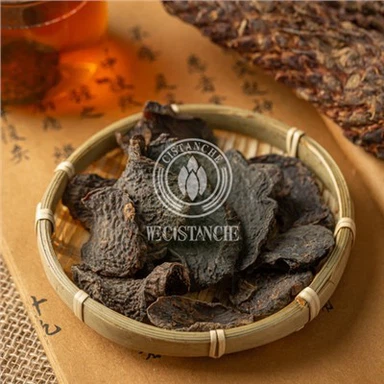
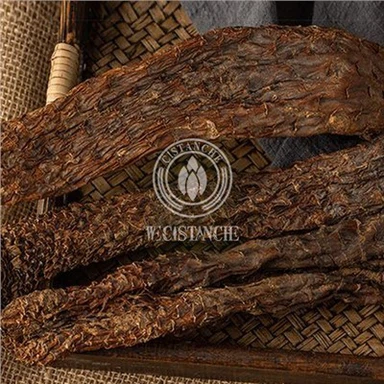
Cistanche is a genus of parasitic plants that belongs to the family Orobanchaceae. These plants are known for their medicinal properties and have been used in Traditional Chinese Medicine (TCM) for centuries. Cistanche species are predominantly found in arid and desert regions of China, Mongolia, and other parts of Central Asia. Cistanche plants are characterized by their fleshy, yellowish stems and are highly valued for their potential health benefits. In TCM, Cistanche is believed to have tonic properties and is commonly used to nourish the kidney, enhance vitality, and support sexual function. It is also used to address issues related to aging, fatigue, and overall well-being. While Cistanche has a long history of use in traditional medicine, scientific research on its efficacy and safety is ongoing and limited. However, it is known to contain various bioactive compounds such as phenylethanoid glycosides, iridoids, lignans, and polysaccharides, which may contribute to its medicinal effects.

Wecistanche's cistanche powder, cistanche tablets, cistanche capsules, and other products are developed using desert cistanche as raw materials, all of which have a good effect on relieving constipation. The specific mechanism is as follows: Cistanche is believed to have potential benefits for relieving constipation based on its traditional use and certain compounds it contains. While scientific research specifically on Cistanche's effect on constipation is limited, it is thought to have multiple mechanisms that may contribute to its potential to relieve constipation. Laxative Effect: Cistanche has long been used in Traditional Chinese Medicine as a remedy for constipation. It is believed to have a mild laxative effect, which can help promote bowel movements and induce constipation. This effect may be attributed to various compounds found in Cistanche, such as phenylethanoid glycosides and polysaccharides. Moistening the Intestines: Based on traditional use, Cistanche is considered to have moisturizing properties, specifically targeting the Intestines. Promoting hydration and lubrication of the Intestines may help soften tools and facilitate easier passage, thereby relieving constipation. Anti-inflammatory Effect: Constipation can sometimes be associated with inflammation in the digestive tract. Cistanche contains certain compounds, including phenylethanoid glycosides and lignans, that are believed to have anti-inflammatory properties. By reducing inflammation in the intestines, it may help improve bowel movement regularity and relieve constipation.