2024 KDIGO IgAN Guidelines Draft For Comment Released, With Major Updates To Treatment Strategies
Sep 20, 2024
Immunoglobulin A nephropathy (IgAN) is the most common primary glomerular disease in the world, but the incidence rate varies in different regions around the world, with the highest incidence rate of IgAN in Asia. IgAN accounts for approximately 54.3% of all renal biopsy cases in China [1 ]. In the past, there was a lack of specific therapeutic drugs for IgAN. Since the Kidney Disease Improving Global Outcomes Organization (KDIGO) released the glomerular disease management guidelines in 2021 (hereinafter referred to as the old version of the guidelines) [2], many new drugs for the treatment of IgAN have been developed. Clinical approval has been obtained in many countries, and the treatment in the field of IgAN has continued to make significant progress. Based on this, KDIGO released the 2024 version of the "Practical Guidelines for the Clinical Treatment of IgAN and IgAV (Draft for Comment)" (hereinafter referred to as the new version of the guidelines) [3]. A major update has been made on therapeutic drugs, providing important guidance for the clinical treatment practice of IgAN. In the next five years, more drugs will be approved, providing many new clinical treatment options to delay or prevent the loss of renal function in IgAN!

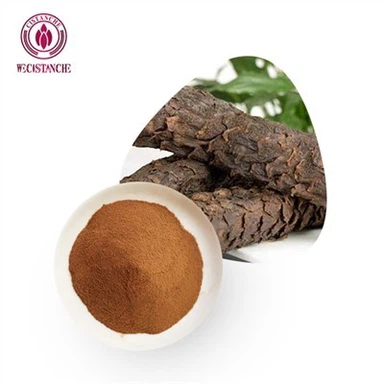
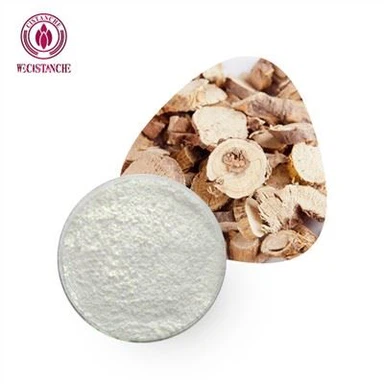
Click to Cistanche for kidney disease
The new version of the guideline makes a major update to IgAN treatment drugs, breaking the previous restrictions on clinical use.
Compared with the old version of the guideline, the new version of the guideline has not changed significantly in terms of diagnosis and prognosis. It still emphasizes that IgAN can only be diagnosed through renal biopsy. In addition to estimated glomerular filtration rate (eGFR) and proteinuria, there is currently no test. Validated serum and urine biomarkers can be used to aid diagnosis. When primary IgAN is diagnosed, the patient's pathological stratification should be determined according to the revised Oxford MEST-C classification. At the same time, clinical and histological data at the time of renal biopsy can be used to risk stratify patients, and the international IgAN prediction tool is also an effective means to quantify the risk of disease progression in the short term (within 7 years of renal biopsy) and guide clinical decision-making. In terms of treatment, the new version of the guideline is more detailed and standardized in terms of treatment goals, supportive therapies, and recommendations for new drugs.
Treatment goal update: The ideal goal for proteinuria control is <0.5g/d, and the optimized goal is <0.3g/d.
The treatment goal of the old version of the guideline was proteinuria <1g/d. The new version of the guideline proposes that the ideal target for proteinuria is <0.5g/d, and the optimization goal is <0.3g/d. Proteinuria is currently the only validated early biomarker that can predict the risk of renal function decline. The reduction of proteinuria is independently associated with improved renal prognosis. The reduction of proteinuria is also used as a potential surrogate endpoint for delaying the progression of renal disease in IgAN treatment.
Studies suggest that drugs that reduce proteinuria through hemodynamic effects may not provide the same protective effects on renal function as drugs that reduce proteinuria through reduction of pathogenic IgA but only reduce proteinuria through hemodynamic effects It may reduce the ability of proteinuria to reflect glomerular inflammation and damage. Therefore, patients with proteinuria <0.5g/d may still be at risk for renal failure even if they are treated with renin-angiotensin system inhibitors (RASi). In clinical practice, multiple drugs need to be used in combination to achieve ideal treatment goals or even optimization goals.
Treatment Algorithm Update: Simultaneous Management of Two Drivers of IgAN-Specific Nephron Loss
The highlight of the new version of the guideline update is that it no longer emphasizes the 3-month observation period for optimal supportive care, but instead proposes for the first time that the two basic drivers of sustained nephron loss in IgAN should be managed simultaneously:
①The specific pathogenic pathway of IgAN leads to the production of pathogenic IgA, promotes the formation of IgA immune complexes, and accumulates in the glomerulus, causing the activation of pro-inflammatory and pro-fibrotic pathways.
② As with all forms of progressive renal disease, IgAN-induced nephron loss causes a series of reactions, including the development of glomerular hypertension/hyperfiltration, the tubulointerstitial reaction of persistent proteinuria, and the development of systemic hypertension. appear and/or worsen.
The highlights of this update suggest that in clinical practice, drugs that reduce IgA and IgA immune complexes need to be used as early as possible in the treatment of lgAN, so as to control disease activity as early as possible from the source of the pathogenesis.
Regarding the first key factor, the new guideline states that blocking the production of pathogenic IgA is expected to close all downstream pathogenic pathways. Its mechanism of action is to reduce pathogenicity through B cell/plasma cell depletion or modulation of B cell/plasma cell function. Levels of sexual IgA and IgA immune complexes. The improved dosage form of the glucocorticoid budesonide enteric-coated capsules currently on the market in China works by targeting intestinal mucosal B cells. Tatacept, an original Class I new drug developed in China, has also been used clinically as a dual-target biological agent. It can simultaneously target the inhibitory proliferation-inducing ligand (APRIL) and B lymphocyte stimulating factor (BLyS), thereby inhibiting plasma The cells secrete galactose-deficient IgA1 (Gd-IgA1) and its antibodies, which reduce the deposition of immune complexes in the kidneys and inhibit the proliferation and development of B cells, helping to control future disease development [4-6]. Studies have shown that Tatacept can significantly improve urinary protein and eGFR in patients with IgAN, reduce serum IgA/IgG/IgM levels, and has a good safety profile [7]. At present, the Phase III clinical trial of Tatasercept has completed enrollment [8], which indicates that Tatasercept will open up a new journey in the field of IgAN!
As new treatments for IgAN continue to be explored and approved, the focus on how to treat this immune complex-mediated glomerular disease has undergone a fundamental shift since the release of the old guidelines. At present, the choice of IgAN treatment drugs is gradually diversified, and in the next 4-5 years, a variety of new drugs will be approved for the treatment of IgAN.

At the same time, significant progress has been made in targeting the second key factor, and many drugs originally developed for diabetic nephropathy are now transitioning to chronic kidney disease (CKD) without diabetes, a large proportion of these patients having IgAN. Therefore, in the supportive treatment, the new version of the guideline has added dual endothelin angiotensin receptor antagonist (DEARA) and sodium-glucose cotransporter 2 inhibitor (SGLT2i) on the basis of the old version of the guideline that only recommended RASi. Treatment measures.
New drugs continue to emerge, drawing a development blueprint for the field of autoimmune nephropathy
With the in-depth exploration of the pathogenesis of autoimmune kidney disease and the rapid development of biomedical research, there are now more and more new clinical treatments for immune-mediated kidney diseases. China's nephrology community has made outstanding contributions to the formulation of treatment strategies and new drug research and development for IgAN in the past ten years, including glucocorticoid treatment regimens, immunosuppressant selection (hydroxychloroquine, mycophenolate mofetil), and new drugs. (Tetacept) research and development, etc., whose research results influenced the formulation and update of KDIGO's international glomerulonephritis guidelines [9].
In addition, there have been many developments in other common autoimmune kidney diseases such as membranous nephropathy (MN) and lupus nephritis (LN). In recent years, antibody-mediated B cell depletion therapy has been developed as a treatment for a variety of autoimmune diseases, and multiple studies have shown that therapeutic strategies targeting depleted B cells will occupy an important position in the personalized treatment of patients with autoimmune kidney disease [10 ]. With the rapid development and widespread application of biological agents, rituximab has achieved good results in the treatment of MN. my country is also rapidly advancing clinical trials of Tatacept in other disease areas, such as LN, MN, etc. We look forward to Tatacept's good performance in more diseases, benefiting more patients, and promoting the development of the field of autoimmune nephropathy.
Conclusion
Move towards "new", "quality" wins the future! The new version of the guideline is of great significance for improving the management level of IgAN, promoting the development of the IgAN field, and possible future cooperation in international nephrology disciplines. In terms of IgAN treatment, both driving factors need to be managed simultaneously, and drugs that reduce IgA and IgA immune complexes need to be started as early as possible. Among them, Tatacept, an original Class I new drug developed in my country, took the lead in conducting Phase II clinical trials in the field of IgAN, and the results showed good efficacy and safety. Recently, a number of related studies on the treatment of IgAN with tatasercept were presented at the 61st Annual Meeting of the European Renal Association (ERA 2024) and the 22nd Asia-Pacific Congress of Nephrology and the 44th Annual Meeting of the Korean Society of Nephrology (APCN&KSN 2024). The clinical data has been internationally recognized, demonstrating its global influence. It is expected that this new drug can greatly improve the treatment outcomes of IgAN patients. With the continuous exploration of lgAN, future clinical trials need to actively seek new biomarkers and treatment targets, and develop more original new drugs to help promote the high-quality development of lgAN diagnosis and treatment!
How Does Cistanche Treat Kidney Disease?
Cistanche is a traditional Chinese herbal medicine used for centuries to treat various health conditions, including kidney disease. It is derived from the dried stems of Cistanche deserticola, a plant native to the deserts of China and Mongolia. The main active components of cistanche are phenylethanoid glycosides, echinacoside, and acteoside, which have been found to have beneficial effects on kidney health.

Kidney disease, also known as renal disease, refers to a condition in which the kidneys are not functioning properly. This can result in a buildup of waste products and toxins in the body, leading to various symptoms and complications. Cistanche may help treat kidney disease ase through several mechanisms.
Firstly, cistanche has been found to have diuretic properties, meaning it can increase urine production and help eliminate waste products from the body. This can help relieve the burden on the kidneys and prevent the buildup of toxins. By promoting diuresis, cistanche may also help Reduce high blood pressure, a common complication of kidney disease.
Moreover, cistanche has been shown to have antioxidant effects. Oxidative stress, caused by an imbalance between the production of free radicals and the body's antioxidant defenses, plays a key role in the progression of kidney disease. ies help neutralize free radicals and reduce Oxidative stress, thereby protecting the kidneys from damage. The phenylethanoid glycosides found in cistanche have been particularly effective in scavenging free radicals and inhibiting lipid peroxidation.
Additionally, cistanche has been found to have anti-inflammatory effects. Inflammation is another key factor in the development and progression of kidney disease. Cistanche's anti-inflammatory properties help reduce the production of pro-inflammatory cytokines and inhibit the activation of inflammation mandatory pathways, thus alleviating inflammation in the kidneys.
Furthermore, cistanche has been shown to have immunomodulatory effects. In kidney disease, the immune system can be dysregulated, leading to excessive inflammation and tissue damage. Cistanche helps regulate the immune response by modulating the production and activity of immune cells, such as T cells and macrophages. This immune regulation helps reduce inflammation and prevent further damage to the kidneys.

Moreover, cistanche has been found to improve renal function by promoting the regeneration of renal tubes with cells. Renal tubular epithelial cells play a crucial role in the filtration and reabsorption of waste products and electrolytes. In kidney disease, these cells can be damaged, leading to damaged renal function. Cistanche's ability to promote the regeneration of these cells helps restore proper renal function and improve overall kidney health.
In addition to these direct effects on the kidneys, cistanche has been found to have beneficial effects on other organs and systems in the body. This holistic approach to health is particularly important in kidney disease, as the condition often affects multiple organs and systems. che has been shown to have protective effects on the liver, heart, and blood vessels, which are commonly affected by kidney disease. By promoting the health of these organs, cistanche helps improve overall kidney function and prevent further complications.
In conclusion, cistanche is a traditional Chinese herbal medicine used for centuries to treat kidney disease. Its active components have diuretic, antioxidant, anti-inflammatory, immunomodulatory, and regenerative effects, which help improve renal function and protect the kidneys from further damage. , cistanche has beneficial effects on other organs and systems, making it a holistic approach to treating kidney disease.