Chinese Expert Consensus On PG Drugs For The Treatment Of CKD Has Been Released, And 4 Major Clinical Considerations Deserve Attention!
Sep 20, 2024
Prostaglandin (PG) drugs can inhibit platelet aggregation, reduce platelet hyperreactivity and thromboxane A2 levels; dilate microvessels and improve renal blood flow; and stimulate vascular endothelial cells to produce tissue plasminogen activator, which has a certain thrombolytic effect. At present, PG drugs are mainly composed of PGE1 and prostacyclin (PGI2) analogs, and are mainly used in the clinic to treat hypertension, cardiovascular and cerebrovascular diseases, pulmonary hypertension and arterial occlusive diseases. Many domestic studies also suggest that PGE1 and PGI2 can reduce urine protein, improve renal microcirculation, and reduce local inflammatory reactions. Based on this, many scholars believe that PGE1 and PGI2 can treat patients with chronic kidney disease (CKD) with type 2 diabetes. However, in clinical practice, some nephrologists do not know much about PGE1 and PGI2.

Based on the above reasons, on September 13, 2024, the Chinese Medical Association Journal Nephrology Expert Committee released the first Chinese expert consensus on PG drugs for the treatment of type 2 diabetes CKD, reviewed the mechanism of PG drugs for the treatment of CKD patients, and proposed 11 precautions that need to be paid attention to in clinical practice.
Drug mechanism
Improve renal hemodynamics and reduce vascular endothelial cell damage;
Improve renal hypoxia and prevent and treat renal interstitial fibrosis;
Reduce the level of renal inflammatory factors and reduce local oxidative stress response;
Inhibit glomerular mesangial cell proliferation and reduce extracellular matrix accumulation
Reduce damage caused by glomerular immune complexes
Drug mechanism
1 Clinical application recommendations
① It is recommended that PGE1 or PGI2 drugs be used for full-course treatment, with urinary albumin excretion rate and glomerular filtration rate as monitoring and efficacy judgment indicators:
It is recommended to use it early, and PGE1 or PGI2 drugs can be used for treatment when there is trace proteinuria and normal renal function. When combined with renal insufficiency, it is recommended that PGE1 or PGI2 drugs can be used continuously until dialysis or kidney transplantation.
② On the basis of standard treatment for CKD in patients with type 2 diabetes, PGE1 or PGI2 drugs can be combined as appropriate, or PGE1 combined with PGI2 drugs can be used sequentially to enhance the efficacy. According to the patient's urine protein, renal function and blood pressure, the combined use of PGE1 or PGI2 drugs on the basis of individualized use of angiotensin-converting enzyme inhibitors (ACEI) drugs or angiotensin II receptor antagonists (ARB), sodium-glucose cotransporter 2 inhibitors (SGLT-2i), mineralocorticoid receptor antagonists and other drugs can reduce the risk of cardiovascular and cerebrovascular events, reduce urine protein excretion, and delay the decline in glomerular filtration rate.
③ PGE1 or PGI2 drugs can improve the patient's hypercoagulable state, and monitor changes in coagulation function during use: Clinically, changes in coagulation function should be monitored in patients with type 2 diabetes CKD. When giving antiplatelet aggregation, anticoagulation and thrombolysis drugs, attention should be paid to the risk of bleeding in patients. PGE1 or PGI2 drugs can improve the patient's hypercoagulable state and have the characteristics of low bleeding risk.
④ For patients who have been taking oral antiplatelet drugs or anticoagulants and other drugs that affect coagulation function for a long time, the risk of bleeding should be fully evaluated before using PGE1 or PGI2 drugs. Patients with high bleeding risk are not recommended to use PGE1 or PGI2 drugs in combination with caution.
⑤ The use of PGE1 or PGI2 drugs in patients with combined cardiovascular and cerebrovascular diseases (including coronary heart disease, hypertension, heart failure, cor pulmonale, cerebral infarction, etc.) can help improve cardiovascular and cerebrovascular prognosis. PG drugs have the effects of anti-platelet aggregation, anti-thrombosis, vasodilation of vascular smooth muscle cells, and improvement of organ microcirculation, and have been widely used in cardiovascular diseases. Cardiovascular and cerebrovascular diseases are the main cause of death in CKD patients. For type 2 diabetic CKD patients with combined cardiovascular and cerebrovascular diseases, PGE1 or PGI2 drugs are recommended for treatment.

2 Individualized medication
In clinical applications, the dosage and course of individualized PGE1 or PGI2 drugs should be formulated in combination with the patient's concurrent diseases and drug treatment:
① The recommended dosage of alprostadil injection for adult patients with type 2 diabetes CKD is 5-10 μg/d, and 7-14 days is a course of treatment.
②However, there are also cases of high-dose application in actual clinical applications: In domestic clinical observational studies, the dose of alprostadil injection is mostly 10~20μg/d, and 7~14 days is a course of treatment; in the "Expert Consensus on Diagnosis and Treatment Measures for Type 2 Diabetes in the Elderly in China (2018 Edition)", for patients with clear large-vessel atherosclerotic plaque formation, especially those with lower extremity arterial occlusive disease, it is recommended to regularly intravenously infuse PGE1 drugs at 10~20μg/d, and 10~20 days is a course of treatment; in the clinical observation study of alprostadil in the treatment of diabetic foot, alprostadil was used at a dose of 40μg/d, intravenous drip, for 3 consecutive weeks, and achieved good results.
③Outpatient adult patients are recommended to use beraprost sodium (BPS) for oral treatment. The recommended dose of BPS is 40μg/time, 3 times/d. Patients should take it orally after meals. If there are no adverse reactions such as headache, it can be used for a long time.
3 Adverse reactions
① General adverse reactions:
Phlebitis at the injection site of alprostadil; rash, subcutaneous hemorrhage; headache, dizziness, tinnitus; digestive system symptoms (thirst, heartburn, nausea, vomiting, diarrhea, abdominal pain, loss of appetite); fever, palpitations, skin flushing. Symptomatic treatment can be given, and the medication can be stopped if necessary.

② Serious adverse reactions
Serious adverse reactions are occasionally seen, including: bleeding tendency, shock; interstitial pneumonia; liver damage; angina pectoris; myocardial infarction. When serious adverse reactions occur, medication should be stopped and appropriate treatment should be given.
4 Other precautions
The following situations are prohibited:
① Pregnant or potentially pregnant women are prohibited;
② Patients with active bleeding;
③ Those with a history of allergy to this type of drug.
How Does Cistanche Treat Kidney Disease?
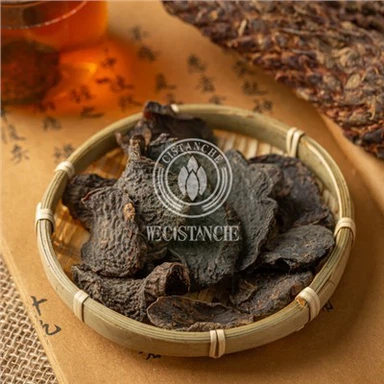
Cistanche is a traditional Chinese herbal medicine used for centuries to treat various health conditions, including kidney disease. It is derived from the dried stems of Cistanche deserticola, a plant native to the deserts of China and Mongolia. The main active components of cistanche are phenylethanoid glycosides, echinacoside, and acteoside, which have been found to have beneficial effects on kidney health.
Kidney disease, also known as renal disease, refers to a condition in which the kidneys are not functioning properly. This can result in a buildup of waste products and toxins in the body, leading to various symptoms and complications. Cistanche may help treat kidney disease ase through several mechanisms.
Firstly, cistanche has been found to have diuretic properties, meaning it can increase urine production and help eliminate waste products from the body. This can help relieve the burden on the kidneys and prevent the buildup of toxins. By promoting diuresis, cistanche may also help Reduce high blood pressure, a common complication of kidney disease.
Moreover, cistanche has been shown to have antioxidant effects. Oxidative stress, caused by an imbalance between the production of free radicals and the body's antioxidant defenses, plays a key role in the progression of kidney disease. ies help neutralize free radicals and reduce Oxidative stress, thereby protecting the kidneys from damage. The phenylethanoid glycosides found in cistanche have been particularly effective in scavenging free radicals and inhibiting lipid peroxidation.
Additionally, cistanche has been found to have anti-inflammatory effects. Inflammation is another key factor in the development and progression of kidney disease. Cistanche's anti-inflammatory properties help reduce the production of pro-inflammatory cytokines and inhibit the activation of inflammation mandatory pathways, thus alleviating inflammation in the kidneys.
Furthermore, cistanche has been shown to have immunomodulatory effects. In kidney disease, the immune system can be dysregulated, leading to excessive inflammation and tissue damage. Cistanche helps regulate the immune response by modulating the production and activity of immune cells, such as T cells and macrophages. This immune regulation helps reduce inflammation and prevent further damage to the kidneys.

Moreover, cistanche has been found to improve renal function by promoting the regeneration of renal tubes with cells. Renal tubular epithelial cells play a crucial role in the filtration and reabsorption of waste products and electrolytes. In kidney disease, these cells can be damaged, leading to damaged renal function. Cistanche's ability to promote the regeneration of these cells helps restore proper renal function and improve overall kidney health.
In addition to these direct effects on the kidneys, cistanche has been found to have beneficial effects on other organs and systems in the body. This holistic approach to health is particularly important in kidney disease, as the condition often affects multiple organs and systems. che has been shown to have protective effects on the liver, heart, and blood vessels, which are commonly affected by kidney disease. By promoting the health of these organs, cistanche helps improve overall kidney function and prevent further complications.
In conclusion, cistanche is a traditional Chinese herbal medicine used for centuries to treat kidney disease. Its active components have diuretic, antioxidant, anti-inflammatory, immunomodulatory, and regenerative effects, which help improve renal function and protect the kidneys from further damage. , cistanche has beneficial effects on other organs and systems, making it a holistic approach to treating kidney disease.