Treatment of Avascular Necrosis of the Femoral Head with Chinese Herbs
Apr 19, 2022
AVN, which is called "bone erosion" in traditional Chinese medicine, belongs to the category of bone paralysis.
Among them, the most common is the necrosis of the femoral head. For this disease, Western medicine routinely uses artificial bone and joint replacement to treat it.
However, the artificial one is not as good as the "original" one. An old Chinese doctor prepared a pair of "bone erosion soup" by himself. The multi-pronged approach has a good effect on AVN.
The etiology and pathogenesis of AVN mainly include congenital deficiency, liver and kidney loss, breath power stagnation and blood stasis, overwork injury, feeling the evil of wind, cold and dampness, hormones, alcoholism, and other reasons. Based on the treatment principles of removing blood stasis, dredging collaterals, and relieving pain. after more than 30 years of clinical research. Chinese medicine experts found prescription 1
prescription 1
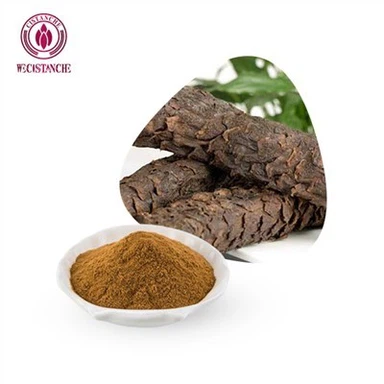
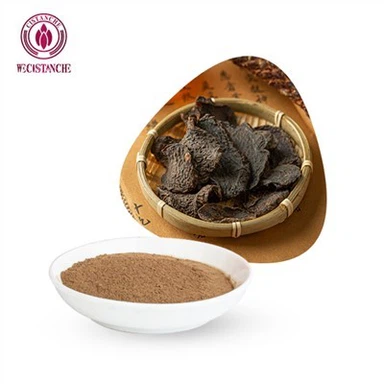
Angelica 15g, Chuanxiong 9g, Cistanche 9g, Guizhi 9g, Salvia 15g, Achyranthes 9g, Chixueteng 15g, Chuanshanlong 15g, Pueraria Root 15g, Fried White Peony 15g, Whole Scorpion 5g, Dilong 6g, White Mustard Seed 6g, Corydalis 9g, Shudi 15g yellow, 15g dog ridge, 15g epimedium, 12g Eucommia ulmoides, 15g Drynaria, 20g raw astragalus, 15g Codonopsis, 15g fried Atractylodes, 15g Poria, 6g licorice, 15g Morinda Officinalis, 6g gun mountain, Antler gum 5g (melted).

Click here to know cistanche effect on AVN,
femur head necrosis and osteonecrosis of the femoral head
In the recipe, Angelica, Chuanxiong, Guizhi, Salvia, Achyranthes, Chrysanthemum, and Chuanshanlong are mainly used for promoting blood circulation and removing blood stasis, and nourishing blood, which is both clearing and tonifying. Peony and licorice can relieve muscle, blood vessels, nerve spasms and relieve pain; Quan scorpion, earth dragon, and pangolin can clear and activate meridians so that the medicinal power can reach the bones and meridians; long-term illness will cause phlegm and blood stasis, and white mustard seeds are added to dispel phlegm in the meridians and collaterals. This blood stasis has been cleared, and breath power and blood are accessible; Yanhusuo is an essential medicine for regulating breath power and relieving pain.
The disease is real in the early stage, and in the middle and late stages, the symptoms of liver and kidney deficiency and lack of breath power and blood are manifested.
From a clinical point of view, there are fewer patients in the early stage and more patients in the middle and late stages. Therefore, in the treatment, Rehmannia glutinosa, Goji, Epimedium, Eucommia ulmoides, Rhizoma Drynariae, Morinda officinalis, and Deer Antler Gum are used to nourish the liver and kidneys and strengthen the muscles and bones. It not only nourishes the innate and nourishes the liver and kidney, but also nourishes the spleen and the stomach after taking care of it. Therefore, Codonopsis, Atractylodes, Poria, and Astragalus are added to the prescription to nourish the spleen and stomach to prevent acquired decay, so that the breath power and blood are sufficient, and the essence of breath power can be transformed into the source. Blood dredging, to achieve the purpose of bone marrow growth.
Looking at the whole recipe, it can not only activate blood and remove blood stasis, but also nourish breath power and blood, nourish liver and kidney, and nourish the acquired day, so that liver and kidney can be replenished, muscles and bones can be nourished, and it has the source of breath power and blood biochemical, which can not only treat osteonecrosis, but also Can enhance the body's immunity. Therefore, taking it for a long time does not harm the righteousness, but also strengthens the body. It is good medicine for the treatment of osteonecrosis.
Medical case 1
Zhang Mou, male, 34 years old, visited a doctor on May 6, 2010.
Medical history: The patient has a history of drinking alcohol for more than 10 years, 6oz a day, causing pain in the left hip, unable to work, and came to the outpatient clinic for medical treatment.
Diagnosis: walk with a limp, can't cross legs, check liver and kidney function is normal, triglyceride is higher than normal, blood picture is normal, erythrocyte sedimentation rate is slightly high, X-ray shows that the left femoral head is collapsed and the femoral neck is involved. The tongue coating is normal, and the pulse is stringy. Diagnosis: Avascular necrosis of the left femoral head (alcoholic, intermediate).
Governing method: nourishing liver and kidney, strengthening bones and muscles, nourishing breath power and blood, promoting blood circulation and removing blood stasis, dredging collaterals and relieving pain.
Prescription: bone erosion soup, simmer in water for 3 months, instruct the patient to avoid alcohol and tobacco, physiotherapy on the left hip, keep warm and avoid wind and cold, and use bicycles for walking. On June 2, 2011, the patient recovered miraculously, his function returned to normal, he walked without pain, and the X-ray showed no signs of necrosis.
Medical case 2
Chu Mou, male, 40 years old, was first diagnosed on August 3, 2011.
History: In June 2010, the patient had sudden right hip pain for unknown reasons, which gradually increased, difficulty in walking, and inability to work. After treatment in many hospitals, no effect was found. The history of the disease lasted for 1 year, and the pain was extremely unbearable, so I sought medical attention.
Diagnosis and examination: walking with a limp, walking with one crutch, difficulty in going to bed, needing help, restricted movement of the right hip, X-ray and MRI examinations showed necrosis of the right femoral head, which had developed to the middle and late stages.
Diagnosis: Avascular necrosis of the right femoral head (idiopathic, intermediate and advanced).
Governing method: nourishing liver and kidney, strengthening bones and muscles, nourishing breath power and blood, promoting blood circulation and removing blood stasis, dredging collaterals and relieving pain.
Prescription: The patient refused surgery, and only wanted conservative treatment with traditional Chinese medicine. He continued to take bone erosion soup for 2 years, combined with physical therapy and cycling, and gradually practiced hip function. After treatment, the patient's pain was gradually relieved, and there was no pain in walking without crutches. The radiograph showed that the AVN was not repaired. Although the femoral head was small, it was smooth, and the normal joint space was preserved, and the hip joint was flexible.
Note: The patient's pain improved after treatment, which is attributed to the patient's perseverance and persistence in exercising. It is also very important to practice hip function. The purpose of cycling is to rub the femoral head with the acetabulum to make it smooth and flexible, which is very good for functional recovery.
2 Recipe for ischemic AVN
The treatment of this disease still needs to follow the principle of examining the evidence and seeking the cause and treatment by syndrome differentiation. First of all, aiming at the basic pathogenesis of kidney-essence deficiency, blood stasis and blood deficiency, bone withering, and marrow loss, the method of invigorating the kidney and activating blood is the basic method for the treatment of this disease. One point is the treatment of tonifying the kidney and filling the essence, nourishing breath power, and nourishing blood, promoting blood circulation and removing blood stasis, and dredging collaterals and strengthening bones. Aggravated until reversal and recovery, and exempt from the non-benign treatment of surgical replacement of the femoral head, the non-organic foreign body parts are not as good as the original flesh and blood parts of the parents.
according to the above-mentioned basic methods, the author often uses the self-made formula for nourishing the kidney and strengthening bones (Shudi, Eucommia, Suduan, Morinda officinalis, Drynaria, and Achyranthes) and Taohong Siwu Decoction as the basic formula.
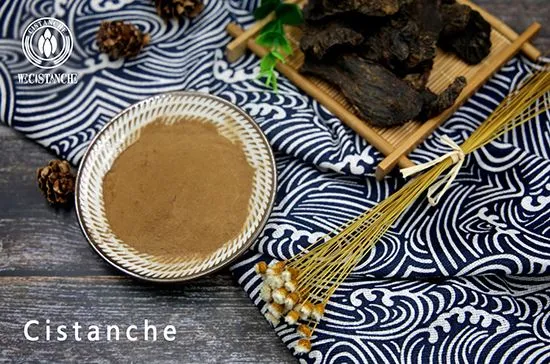
Add medicines according to the symptoms, add cistanche, wolfberry, parasitic or tortoise gum, etc. to nourish the kidney; add salvia, notoginseng, dried blood, frankincense, myrrh, etc. for promoting blood circulation and removing blood stasis; Papaya, Chixueteng, etc.; breath power-deficiency add breath power-tonifying medicine Astragalus, Codonopsis or ginseng; Legs are weak and weak to strengthen tendons and bones. crisp) or dog shin.
Click here to know Cistanche Extract on Liver and Kidney
What causes AVN Disease
b Traditional Chinese medicine believes that the liver stores blood and the liver and kidney are related to each other; If the source of blood is insufficient, the bone's breath power and blood will be deficient, which is also a factor leading to this disease.
Therefore, on the basis of the treatment of invigorating the kidney and activating blood circulation, according to the individual differences of patients, it is necessary to treat the liver and kidney together, invigorating the liver and kidney, invigorating the breath power, and strengthening the spleen, promoting blood circulation and removing blood stasis, in order to promote the reconstruction of blood vessels in the femoral head and the ischemic necrosis area. The bone repair and reconstruction, relieve hip pain, avoid femoral head collapse, improve the quality of life of patients, the effect is more significant. The recipe uses "breath power" -Duhuo Jiji Decoction, dogwood, and wolfberry to benefit the liver and kidney, Atractylodes to transport the spleen, plus the drugs for promoting blood circulation, removing blood stasis, and dredging collaterals.
c Some patients are prone to kidney blood deficiency, endogenous cold syptpm, insufficient breath power and blood, cold coagulation and stasis of collaterals, and blood stasis in some patients. Therefore, the method of invigorating the kidney and strengthening yang, nourishing breath power and blood, and dredging collaterals and relieving pain should be applied, which can enrich the kidney yang, dissipate the yin and cold, fill breath power and blood, replenish liver and kidney, and eliminate arthralgia. The prescription uses Yougui Pill and Yanghe Decoction to add and subtract with the syndrome.
d In obese patients, phlegm-dampness and blood stasis are also seen, and the treatment should be combined with removing phlegm and dampness, relaxing tendons, and activating collaterals.
After all, this disease is a refractory disease. Using traditional Chinese medicine treatment, the curative effect is reliable in the early and mid-term, and the curative effect in the late-stage and patients with poor physical fitness is poorer.
The author used the above treatment methods to treat 9 cases, 3 cases were cured (no claudication, no pain in the hip joint, no shortening of the lower extremity, AVN and collapse or the phenomenon of osteonecrosis basically disappeared, 4 cases improved (symptoms were relieved, the hip The joint function was improved, and the necrosis of the femoral head was improved by imaging examination), and 2 cases were invalid (the patients with long-term disease and severe bone damage, no change in symptoms or recurrence after change).
eTypical medical records
Luo XX, a male, 55 years old, a decorator and is the nephew of the author.
2018/3/25 First diagnosis: right iliac joint pain, unfavorable flexion, and extension, mild claudication for 3 months, aggravated after exertion, MRI examination has been done: right femoral head avascular necrosis. The body is thin, the tongue is pale, the sublingual veins are stagnated, and the pulse is weak. It belongs to the early and middle stages of the disease.
Syndrome differentiation: deficiency of kidney essence, deficiency of breath power and blood, deficiency of blood stasis and clamping, and loss of nourishment of bones.
Governing Law: Invigorating kidney and filling essence, nourishing breath power, and nourishing blood, promoting blood circulation and removing blood stasis, dredging collaterals, and strengthening bones.
Prescription: Self-made Bushen Zhuanggu Fang He Taohong Siwu Decoction
Shudi 150 Lycium barbarum 150 Eucommia 150 Suspension 150 Drynaria 150
Dog Ridge 150 Morinda 150 Achyranthes pregnant 150 Papaya 120 Angelica 120
White peony 120 Chuanxiong 120 Codonopsis 150 Chicken blood vine 150 Tian breath power 120
Red peony 120 peach kernel 120 safflower 120 frankincense 100 cistanche 100
Dried Blood 100 Tuyuan 100 Dilong 120 Astragalus 150g. A total of 3130g, processed into small water pills, 10g each time, 3 times a day, half an hour after meals.

2018.9.3 Follow-up visit: After taking the medicine, there is no obvious symptoms, and there is no discomfort after exertion. It is required to do another dose to consolidate, and the original recipe is still added with 200g of crispy beef tibia, a total of 3330g
2019.5.28 Third consultation: The second consultation prescription pills have been taken, and there are no obvious symptoms. It is required to do another dose to consolidate, and the original recipe is still used to add 120g of crispy bovine femoral tibia, a total of 3250g. In October 2019, the MRI reexamination of the right femoral head showed no obvious abnormality. After follow-up so far, I feel good about myself, and I still often do decoration work.
Note: This case is a syndrome of early and middle stage of ischemic necrosis of bones, deficiency of kidney essence, deficiency of breath power and blood, both deficiency and stasis, and bone loss and nourishment. The method is to use the self-made Bushen Zhuanggu Formula and Taohong Siwu Decoction to strengthen the drug in all directions, three-ingredient pills, all symptoms disappear, and the basic cure is basically cured. (Hehuan Traditional Chinese Medicine November 28, 2020 July 18, 2021)
3 Experience in treating AVN
According to the characteristics of the disease, Professor Jiang used the basic method of invigorating the kidney and activating blood and prepared Mibao (30g of Astragalus, 15g of Salvia miltiorrhiza, 10g of Polygonum multiflorum, 10g of Cistanche, 10g of Psoraleae, 10g of Achyranthes, 10g of Eucommia ulmoides, 10g of succulents, 30g of oysters) Addition and subtraction treatment of this disease.
The prescription consists of "Buyang Huanwu Decoction" in "Yilin Correction", "Jin Jian" in "Yizong Jinjian", "Bujin Pill", "Shenke Dacheng" "Shenke Huoxue Decoction" and "Injury Medicine Supplement" "Blood and Bone Marrow" Soup" is made by chemical cutting.
In the prescription, Buyang Huanwu Decoction is sweet and warm, nourishing breath power, invigorating breath power and promoting blood circulation and removing blood stasis, Shengxue Bu Sui Decoction regulates breath power and blood, relaxes meridians and activates collaterals, Bushen Huoxue Decoction invigorates the kidney and strengthens the tendons, promotes blood circulation and removes blood stasis, and strengthens the tendon pills to activate collaterals and relieve pain. Then enter Salvia miltiorrhiza to break the blood, replenish the new blood, nourish the blood and benefit the mind, and relieve the joints; Polygonum multiflorum nourishes the blood and benefits the liver, strengthens the essence and nourishes the kidney, strengthens the muscles and bones, black hair and hair, not cold or dry; All medicines are complementary to each other, taking into account both the outside and the inside, warming and dispersing without hurting the yin, nourishing the yin without hindering the yang, taking the benefit of breath power and tonifying the kidney as the top priority, taking into account the promotion of blood circulation, dispelling and dispelling the meridians, and all diseases can be cured.
In addition, astragalus and salvia in the Gumibao prescription are commonly used in the treatment of joint pain by Professor Jiang. Astragalus has a sweet and slightly warm taste, and is good for tonifying breath power and promoting blood circulation; Danshen tastes bitter and slightly cold, and is good for promoting blood circulation and regenerating, removing blood stasis and relieving pain. The combination of the two medicines, warming, nourishing, clearing and regulating, has the effect of invigorating breath power and promoting blood circulation, removing blood stasis and regenerating new ones.
Eucommia, Tzuduan, Achyranthes, and Psoralea are commonly used medicines by Professor Jiang for the treatment of waist and knee pain. Eucommia, Tzuduan invigorates the liver and kidney, nourishes the essence and breath power, and strengthens the muscles and bones; Psoralea warms the kidney and strengthens yang. "It can warm water and dirty, generate yang in yin, and strengthen fire and benefit soil." Achyranthes radixae nourishes liver and kidney, strengthens muscles and bones, and because of the injection of breath power and blood, various medicines go down, mainly for cold and dampness impotence, limb spasm, and good for treating kidney deficiency. Back pain, leg atrophy can not be allowed to.
Our related research shows that Mibao can improve the abnormal lipid metabolism in the rat model of steroid-induced necrosis of the femoral head, and inhibit the differentiation of bone marrow stromal cells to adipocytes. Through the measurement of biomechanics and micro-computed tomography (Micro-CT), Mibao can strengthen the biomechanical strength of the femoral head in model rats, improve its mechanical structure, and delay the collapse of the femoral head.
Typical cases of AVN Patient
The patient, a female, 64 years old, was first diagnosed on February 25, 2010. One year ago, the patient presented with right hip pain without obvious incentives and difficulty in walking. Twenty days ago, due to aggravation of fatigue, he developed obvious claudication.
Physical examination: obvious tenderness in the groin of the right hip, right hip flexion of 80°, internal rotation of 10°, and abduction of 15°, the "4-character" test was positive, and the Trendelenburg sign was negative. Frontal and lateral X-rays of the right hip showed aseptic necrosis of the right femoral head, Ficat stage II, MRI showed ARCO IIB stage, visual analog scale (VAS) score 8.7, and the commonly used hip joint function scoring system (Harris) score 56 points.
The tongue is dark purple, the coating is white and slightly greasy, and the pulse is deep and thin. The patient had no history of glucocorticoid use, right hip trauma, alcohol consumption, or sickle cell anemia. A diagnosis of idiopathic aseptic necrosis of the femoral head was made.
TCM syndrome differentiation: deficiency of liver and kidney, breath power stagnation and blood stasis.
The main treatment is to nourish the kidney and activate blood, supplemented by tonifying breath power.
Yugu Mibao Modification: Cistanche 10g, Psoralea 10g, Achyranthes 10g, Astragalus 30g, Salvia 15g, Polygonum multiflorum 10g, Oyster 30g, Eucommia ulmoides 10g, Suspension 10g, Curcuma 10g, Epimedium 10g, Ligustrum lucidum 10g, Eclipta japonica 10g, antler gum 10g, tangerine peel 6g, citrus aurantium 10g. 1 dose per day, decoct in water;
Another oral meloxicam was 7.5 mg per day, and he was instructed to walk with crutches to reduce weight-bearing. After 2 weeks of taking the medicine, the patient's condition improved, the pain was relieved, and the claudication was relieved.
The patient came to the clinic on June 16, 2011, and there was no obvious discomfort. Physical examination: no obvious tenderness in the right hip, right hip flexion of 100°, internal rotation of 20°, and abduction of 15°. MRI showed ARCO IIA stage, MRI showed that the aseptic necrosis of the right femoral head was smaller than before, and the bone marrow was smaller than before. Edema is reduced. VAS score was 2.3, Harris's score was 87. The source of this article: "China Traditional Chinese Medicine Information", 2012, No. 8.
4. Recipe for treating AVN (oral prescription + hot compress)
Professor Zhu Changgeng was a member of the National Professional Committee of Avascular Necrosis of the Femoral Head, Director of the Department of Orthopedics and Traumatology of Shaanxi University of Traditional Chinese Medicine, and Director of the Department of Orthopedics and Traumatology of the Affiliated Hospital of Shaanxi University of Traditional Chinese Medicine. It is introduced as follows:
TCM pathogenesis of AVN
Necrosis of the femoral head refers to a pathological process in which the living bone tissue of the femoral head is necrotic for some reason. Because its pathological mechanism is mostly caused by the blood supply disorder of the bone, it is also called avascular necrosis of the femoral head. Chinese medicine classifies it into the categories of "bone erosion" and "bone paralysis" according to its onset location, syndrome characteristics, and pathological mechanism. According to Yuan Hao's "Spiritual Pivot: True Evil in Thorn Festival", "Evil and evil penetrate deeply into the body. Cold and heat fight each other. For a long time, it will be inside. When it is cold, the rotten flesh and muscles become pus, and the internally injured bone becomes bone erosion." It is called "bone erosion". According to Liu Boling's "General Record of Shengji", "if the kidney fat does not grow, the marrow will dry up, and the breath power will not be able to work, and the bones will be blocked, which is also a symptom of cold" and "bi is the meaning of closing and blocking", and believes that cold pathogens can affect the pathogenesis of cold. Kidney yang causes breath power stagnation and blood stasis to form blood stasis, and the onset of the disease is in the hip, so it is called "hip bone arthralgia". Zhu Changgeng believes that avascular necrosis of the femoral head is caused by insufficient liver and kidney, stagnation of breath power and blood, obstruction of meridians, and inability to nourish the joints based on years of clinical experience.
Chinese medicine treatment of AVN
of the femoral head, and achieved satisfactory clinical effects.
Recipe composition: Astragalus 30g, Salvia miltiorrhiza 15g, Panax notoginseng 15g, Cistanche 7g, Tuyuan 10g, antler gum 10g, Achyranthes 8g, raw licorice 6g.

Note: Astragalus plays the role of invigorating the spleen and lung, nourishing Breath Power and generating blood, and is the king drug. Cistanche can invigorate the kidney, anti-inflammatory activate blood, and regenerate bone as the treatment for ANN(avascular necrosis). Danshen can promote blood circulation and remove blood stasis, promote breath power and relieve pain, Sanbreath power can promote blood circulation and remove blood stasis, reduce swelling and relieve pain, and deer antler gum can warm the liver and kidney, strengthen muscles and bones, promote blood circulation and reduce swelling, and regulate the Du meridian. , enters the liver and kidney two meridians, and the three medicines are the minister medicine. Tuyuan is used as an adjuvant to break blood and remove blood stasis, connect bones and continue tendons. Achyranthes govern the blood distribution of the lower Jiao, is good at promoting blood circulation and dredging the meridians, and induce the action of lower blood, which is used as a medicine. Licorice tonifies breath power and neutralizes the middle reconciles various medicines and is used as medicine.
How to use: Grind capsules containing 1.2g crude drug each time, 3 times a day. 10 days per course of treatment.
Scope of application: Stage I and II AVN.
External application: Zhu Changgeng often cooperates with the external application of traditional Chinese medicine in clinical treatment, which significantly enhances the therapeutic effect.
Recipe: hot compress powder (experienced prescription of the Affiliated Hospital of Shaanxi College of Traditional Chinese Medicine)
Recipe: Liu Jinu 12g, Duhuo 12g, Fangfeng 12g, breath powernjie 12g, safflower 9g, Artemisia argyi 9g, Cistanche 10g, mulberry branch 30g, red peony root 15g, Chinese prickly ash 9g, Chuanxiong 9g, Caowu 9g, ginger 30g, gardenia 9g, five Add 15g skin, 3 scallions, and 12g turmeric. Wet the medicine with vinegar, wrap it with gauze, steam, and iron the affected area, 2 to 3 times a day, 40 minutes each time.
Indications: suitable for severe pain in the affected area of AVN.
Conclusion of different Effects on AVN:
The therapeutic effect of this disease is closely related to the extent of avascular necrosis of the femoral head, whether there is the collapse of the femoral head and the degree of collapse, and the duration of the patient's treatment. For stage I and stage II avascular necrosis of the femoral head, satisfactory results have been achieved after treatment with integrated traditional Chinese and Western medicine. For patients with stage III and above, due to the collapse of the femoral head, if not timely and correct treatment, most patients have a trend of further development.
Therefore, early treatment is urgent and should be combined with other conservative treatment methods.