9 Major Types Of Kidney Diseases Are Related To Abnormal Activation Of The Complement System!
Jun 25, 2024
Corresponding diseases and potential biomarkers or treatment options
DKD
Complement is not the primary cause of DKD, but it can promote the development of DKD. Previous studies have found that hyperglycemia can enhance the complement lectin pathway (MBL), and some Mendelian analyses have shown that the complement system plays a causal role in patients with chronic kidney disease (CKD) with diabetes. Renal biopsy samples from patients with DKD showed focal complement deposition in the glomeruli, and renal gene expression analysis found complement gene activation.

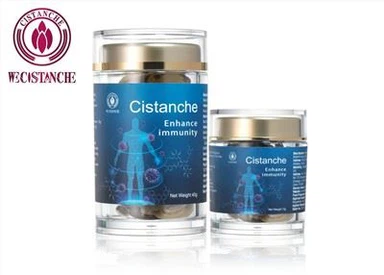
Click to Cistanche for kidney disease
However, there are currently no corresponding biomarker recommendations or treatment (targeting the complement system) recommendations.
FSGS
The prognosis of focal segmental glomerulosclerosis (FSGS) is associated with plasma C3 levels, and renal biopsies show that complement activation products are deposited in the sclerotic area, and the urine also contains high complement activation byproducts. It is worth noting that complement gene mutations have not been found to be the cause of FSGS. However, complement is activated by infection, which is often associated with the occurrence and development of FSGS. Therefore, some scholars believe that complement activation is associated with FSGS, but it is not the cause of FSGS.
IgA nephropathy and IgA-related vasculitis with nephritis
Current data suggest that complement activation is equally important for immunoglobulin A (IgA) nephropathy and IgA-related vasculitis with nephritis (IgAVN). In most cases of IgA nephropathy or IgAVN, complement activation is driven by lectins 41-46 and/or alternative pathway activation 46-50, as confirmed by a large amount of evidence in serum, renal tissue, urine and genetic studies of IgAN, and renal, intestinal and skin biopsy studies of IgAVN. In both cases, complement activation caused by mesangial IgA immune complex deposition is an important cause of glomerular damage.
The specific association between complement activation and IgA nephropathy or IgAVN needs further confirmation. Because C1q mesangial deposition predicts worse outcomes of IgA nephropathy only in Asian populations, it is necessary to further confirm whether there are differences in complement activation between races.

At present, clinical research on complement inhibitors in patients with IgA nephropathy and IgAVN should be further strengthened. Currently, phase 2 and phase 3 clinical studies (n < 200) suggest that complement inhibitors can effectively reduce proteinuria levels in adult patients with IgA nephropathy. In addition, complement inhibitors may be more effective in children with IgA nephropathy because children tend to have richer inflammatory components and fewer sclerotic lesions than adults.
MN
The cause and main driver of membranous nephropathy (MN) is the production of autoantibodies and the formation of immune complexes, followed by complement activation. According to renal biopsy results, in patients with MN, classical pathway complement activation is dominant, and activation of other pathways is relatively less, which is due to less C1q deposition. However, a recent study showed that although C1q deposition is indeed less in routine immunofluorescence examinations, C1q deposition will increase after treatment with formalin. This finding suggests that classical pathway activation may be more common in MN than previously assumed, and further research is needed.
At present, more research should be conducted on complement activation in MN. There is no recommended treatment (targeting the complement system).
SLE and LN
Systemic lupus erythematosus (SLE) and lupus nephritis (LN) are associated with multiple immune system activations, with complement activation being the main cause of extrarenal damage, while renal damage is mainly related to other immune system activations.
Experts believe that complement testing in patients with SLE and LN may have certain clinical significance, such as testing whether C5 is activated in plasma or whether C5 is activated in renal biopsy samples, which can guide the optimal use of eculizumab/ravulizumab. However, they have reservations about C3 activation and the use of C3 inhibitors. In addition, experts suggest that no adverse interactions are expected between complement inhibitors and existing standard treatments for SLE and LN.
APS
Antiphospholipid syndrome (APS) is an autoimmune disease characterized by arterial, venous, or microvascular thrombosis or recurrent pregnancy loss caused by antibodies to one or more phospholipid-binding proteins (e.g., beta-2 glycoprotein 1, prothrombin, annexin A5). Complement has been implicated in the pathogenesis of three types of primary APS (vascular, pregnancy, and catastrophic), and there is evidence of classical pathway activation in primary APS, even in patients with quiescent APS (i.e., low risk of thrombosis). Some studies suggest that higher plasma levels of C5a and CSb-9 are associated with disease recurrence in patients with APS. A series of multicenter observational studies showed that low pre-pregnancy C3 and C4 levels were associated with adverse pregnancy outcomes, while strongly elevated Bb and sC5b-9 in early pregnancy were also associated with adverse pregnancy outcomes. Currently, although there is dual use of eculizumab for the treatment of APS with other treatment options (such as intravenous immunoglobulin, plasma exchange, or cyclophosphamide), the evidence of efficacy is difficult to evaluate.
In summary, for catastrophic APS, complement inhibitors may be an appropriate treatment option, and EULAR recommends that eculizumab be included as one of the treatment options.
ANCA-associated vasculitis and nephropathy
In vivo, in vitro, and clinical evidence indicate that complement activation is involved in antineutrophil cytoplasmic antibody (ANCA)-associated vasculitis and renal involvement. In summary, there is evidence that the alternative and terminal pathways of complement activate the complement system, leading to ANCA-associated vasculitis and renal involvement. Recent studies have shown that Avacopan can prevent renal involvement in ANCA-associated vasculitis, but inhibition of C6 does not seem to achieve similar efficacy.
Overall, current studies support the use of Avacopan in the treatment of ANCA-associated vasculitis, and some evidence suggests that Avacopan can treat ANCA-associated nephritis, reduce patients' urine albumin levels, and improve their estimated glomerular filtration rate (eGFR), but this needs further confirmation. In summary, some experts suggest that Avacopan + rituximab or cyclophosphamide can be used for the treatment of ANCA-associated vasculitis and nephropathy (kidney involvement).
TMAs and HUS
Thrombotic microangiopathy (TMAs) includes aHUS and secondary HUS, but the terminology of this type of disease needs to be updated. The National Kidney Foundation (NKF) believes that TMAs are confusing and do not intuitively reflect the pathogenesis. It is recommended to subdivide them according to whether complement is involved in the pathogenesis of TMAs.

Currently, most evidence supports that complement activation (alternative and terminal pathway disorders) is an important cause of aHUS. Other causes (such as cobalamin-c deficiency, use of interferon β and vascular endothelial growth factor inhibitors) can also cause TMAs. Scholars believe that TMAs should be reclassified according to the cause of the disease. Only by clarifying the cause of TMA and HUS can their treatment be determined, such as whether to stop the use of interferon β and start complement inhibitors. However, for aHUS, starting C5 inhibitors is the gold standard for its treatment.
C3 glomerulonephritis and IC-MPGN
C3 glomerulonephritis and immune complex membranoproliferative glomerulonephritis (IC-MPGN) are both related to abnormal complement activation. However, it is worth noting that the etiology of IC-MPGN in adult patients is usually secondary, often secondary to infection, while primary IC-MPGN often occurs in children. In addition, if the disease is not controlled, IC-MPGN can progress to C3 glomerulonephritis, and infection is the main factor in disease progression.
Although there is still controversy about the specific mechanism of C3 glomerulonephritis and IC-MPGN, in terms of treatment, complement inhibitors + supportive therapy (renin angiotensin aldosterone inhibitors, dietary intervention, mycophenolate mofetil, etc.) can effectively treat C3 glomerulonephritis and IC-MPGN. However, in selecting appropriate complement inhibitors, doctors should pay attention to relevant biomarkers. Some cases suggest that patients with higher sC5b-9 levels have a better response to eculizumab. For slowly progressive C3 glomerulonephritis and IC-MPGN, the efficacy of eculizumab is limited. Short-term complement alternative pathway inhibition may be beneficial for patients with high activity scores, low chronicity index, proteinuria, nephrotic syndrome or decreased eGFR. These patients can join clinical studies related to Avacopan, Iptacopan or Pegtacopplan.
Summary and future prospects
There is a lot of evidence that complement activation or dysregulation plays a role in the pathogenesis of more and more kidney diseases. However, in different diseases, the complement system plays different roles, such as the protagonist, the supporting role, and may also be the cause of the disease (aHUS) or the promoter of chronic kidney damage (such as DKD and FSGS). Kidney diseases in which the complement system plays a leading role are usually rare and/or have significant heterogeneity. Therefore, only global multinational collaboration can achieve research breakthroughs. Experts summarize the following 3 future research priorities.
How Does Cistanche Treat Kidney Disease?
Cistanche is a traditional Chinese herbal medicine used for centuries to treat various health conditions, including kidney disease. It is derived from the dried stems of Cistanche deserticola, a plant native to the deserts of China and Mongolia. The main active components of cistanche are phenylethanoid glycosides, echinacoside, and acteoside, which have been found to have beneficial effects on kidney health.
Kidney disease, also known as renal disease, refers to a condition in which the kidneys are not functioning properly. This can result in a buildup of waste products and toxins in the body, leading to various symptoms and complications. Cistanche may help treat kidney disease ase through several mechanisms.
Firstly, cistanche has been found to have diuretic properties, meaning it can increase urine production and help eliminate waste products from the body. This can help relieve the burden on the kidneys and prevent the buildup of toxins. By promoting diuresis, cistanche may also help Reduce high blood pressure, a common complication of kidney disease.
Moreover, cistanche has been shown to have antioxidant effects. Oxidative stress, caused by an imbalance between the production of free radicals and the body's antioxidant defenses, plays a key role in the progression of kidney disease. ies help neutralize free radicals and reduce Oxidative stress, thereby protecting the kidneys from damage. The phenylethanoid glycosides found in cistanche have been particularly effective in scavenging free radicals and inhibiting lipid peroxidation.
Additionally, cistanche has been found to have anti-inflammatory effects. Inflammation is another key factor in the development and progression of kidney disease. Cistanche's anti-inflammatory properties help reduce the production of pro-inflammatory cytokines and inhibit the activation of mandatory pathways for inflammation, thus alleviating inflammation in the kidneys.
Furthermore, cistanche has been shown to have immunomodulatory effects. In kidney disease, the immune system can be dysregulated, leading to excessive inflammation and tissue damage. Cistanche helps regulate the immune response by modulating the production and activity of immune cells, such as T cells and macrophages. This immune regulation helps reduce inflammation and prevent further damage to the kidneys.

Moreover, cistanche has been found to improve renal function by promoting the regeneration of renal tubes with cells. Renal tubular epithelial cells play a crucial role in the filtration and reabsorption of waste products and electrolytes. In kidney disease, these cells can be damaged, leading to damaged renal function. Cistanche's ability to promote the regeneration of these cells helps restore proper renal function and improve overall kidney health.
In addition to these direct effects on the kidneys, cistanche has been found to have beneficial effects on other organs and systems in the body. This holistic approach to health is particularly important in kidney disease, as the condition often affects multiple organs and systems. che has been shown to have protective effects on the liver, heart, and blood vessels, which are commonly affected by kidney disease. By promoting the health of these organs, cistanche helps improve overall kidney function and prevent further complications.
In conclusion, cistanche is a traditional Chinese herbal medicine used for centuries to treat kidney disease. Its active components have diuretic, antioxidant, anti-inflammatory, immunomodulatory, and regenerative effects, which help improve renal function and protect the kidneys from further damage. , cistanche has beneficial effects on other organs and systems, making it a holistic approach to treating kidney disease.