A Comparative Study Of Efects Of Curcumin And Its Nanoparticles On The Growth, Immunity And Heat Stress Resistance Of Nile Tilapia (Oreochromis Niloticus)
Jul 19, 2023
The second-most common Fsh species produced globally after carp is the Nile tilapia (Oreochromis niloticus) 1,2. Tilapia are currently cultured in more than 120 countries worldwide2. Global tilapia production bounced from less than 0.5 million metric tons (MMT) in the early 1990s to 6.03 MMT in 2018, with an average annual growth rate of 13.5%2.
However, the intensive culture of tilapia makes it sensitive to various stress factors, such as heat stress (HS), a major consequence of global warming3. Although Nile tilapia can tolerate a broad range of temperatures (the optimum temperature range is 25–28 °C), water temperatures above the optimum range may suppress the immune system and damage its antioxidant response4,5. HS suppresses the immune system through cell-mediated and humoral immune responses.
For instance, HS has been found to reduce the level of immunoglobulins (IgG and IgM)7. Primary indicators of the immune response (white blood cells, red blood cells, hemoglobin, and glucose) are also affected during HS8. Blunt snout bream (Megalobrama amblycephala Yih) showed increased lysozyme, alternative complement activities, total protein, and IgM levels after being exposed to heat stress for 6 h, therefore, these parameters decreased9. Consequently, heat stress can adversely affect fish health, leading to growth regression and high Fsh mortality10. Strengthening the defense mechanisms of fish through the administration of immuno-stimulants in the diet has become a priority for controlling stress factors in aquaculture11. Among various immuno-stimulants, medicinal herbs contain chemical constituents that enhance immunity via specific or non-specific pathways, making the animal more resistant to external stressors12.
Hemoglobin is an important protein in our human body, which can transport oxygen molecules to various parts of the body and provide the body with sufficient oxygen. At the same time, hemoglobin can also fight free radical damage and play an important antioxidant role. In addition to affecting cardiopulmonary function, these effects can also enhance the body's immunity and make us healthier.
Studies have shown that the level of hemoglobin is closely related to the body's ability to resist diseases. A higher level of hemoglobin can help the body improve its ability to fight bacteria and viruses and prevent the occurrence of diseases. At the same time, hemoglobin can also enhance the body's immunity and improve the body's response to vaccines, thereby effectively preventing diseases.
In addition, hemoglobin can also affect the body's metabolism and immune function. A lack of hemoglobin can lead to a lack of oxygen in the body, negatively affecting cell growth and immune function. Therefore, having enough hemoglobin can ensure the normal work of various physiological functions of the human body, thereby effectively improving human immunity.
In short, the impact of hemoglobin on human immunity is very important. Maintaining proper hemoglobin levels can protect the body's immune system and prevent disease. Therefore, we should pay more attention to supplementing iron-rich foods, such as red meat, beans, and vegetables, to ensure that the body has enough hemoglobin. At the same time, strengthen your immune system and protect your health by maintaining exercise, good living habits, and a reasonable diet. From this point of view, we need to improve our immunity. Cistanche can significantly improve immunity, because Cistanche is rich in a variety of antioxidant substances, such as vitamin C, vitamin C, carotenoids, etc. These ingredients can scavenge free radicals and reduce oxidative stress. Stimulate and improve the resistance of the immune system.

Click health benefits of cistanche
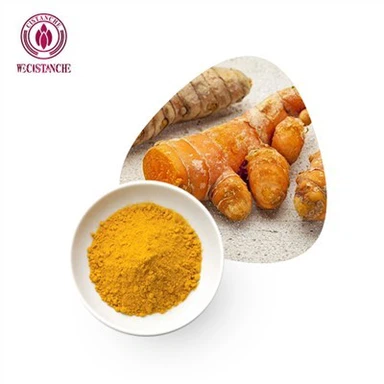
Curcumin is an orange-yellow, hydrophobic, bioactive herbal ingredient and polyphenolic compound extracted from turmeric (Curcuma longa). The major active constituents of curcumin are diferuloylmethane (77%), demethoxycurcumin (17%), and bisdemethoxycurcumin (6%)13. Surprisingly, curcumin possesses antiviral, antifungal, anti-inflammatory, antioxidant, and anticancer properties14–17. Thus, curcumin can stimulate the innate immune system in fsh18,19. Several studies have shown the beneficial effects of curcumin as a potential immunostimulant and antioxidant candidate in the diets of various fish species20–26. However, poor water solubility and bioavailability limit the practical applications of curcumin13.
Recently, nano-curcumin has been developed to avoid the poor delivery properties of curcumin and enhance its therapeutic effects27. Unlike curcumin, which forms clumps because of its low solubility in water, nano curcumin completely dissolves in an aqueous medium and does not form any clumps due to the presence of zeta potential27. In comparison to free-curcumin, nano-curcumin demonstrated higher permeability, longer circulation, and better systemic bioavailability in plasma and tissues28–30.
According to Jiang et al.31 curcumin loaded in nanospheres stimulated its antioxidant and immunological activities. These effects may be linked to the reduction of particles to a nano-metric scale, which ensures a sustainable release of the active materials and increases the bioavailability and levels of molecular dispersion31. Although no studies have been done to compare the effect of nano-curcumin to that of its free form on fsh, it has recently been tested on birds such as Japanese quail (Coturnix japonica)32. Marchiori et al.32 found that nano-encapsulated curcumin improved the performance of Japanese quails (Coturnix japonica) at a threefold lower dose than free curcumin, indicating the potential of nano-materials to improve animal production.
Until now, nano-curcumin has not been tested in fish diets. Therefore, this study aimed to evaluate the effects of dietary supplementation with free- or nano-form of curcumin on improving the growth performance, immunity status, and heat stress resistance in Nile tilapia.
Materials and methods
Experimental diets.
The composition and chemical analysis of the experimental diets are shown in
Table 1. Seven isonitrogenous (28% protein) and isocaloric (445 kcal/100 g DM) diets were prepared. Six diets
were supplemented with three levels of nano-curcumin (50 (CN50), 100 (CN100), 200 (CN200) mg kg−1 diet) or
free-curcumin (50 (C50), 100 (C100), 200 (C200) mg kg−1 diet), and the control diet was left without an additive
(CON). Dry and freshly ground ingredients were thoroughly mixed by hand while adding the oils. After that, all
the ingredients were kneaded by gradually adding warm water. The dough was pelletized using a meat grinder
of a suitable diameter. Diets were dried in the sun and stored at -20 °C in plastic jars.

Fish and the experimental facilities.
Nile tilapia (Oreochromis niloticus) fingerlings were obtained from a commercial farm near Alexandria and kept in a fiberglass tank (1 m3 ) in the fish rearing laboratory at the National Institute of Oceanography and Fisheries, Alexandria branch, Egypt. One hundred and sixty-eight fsh (13.54±0.32 g) were restocked in 21 glass aquaria (70 L aquarium-1) at a density of 8 fish per aquarium. Each treatment consisted of 3 replicates (A, B, and C). Fish were acclimatized to the aquaria for 2 weeks and were fed on the control diet to adapt to the experimental diets. Fish were fed the experimental diets three times a day until satiety for 65 days. Dechlorinated tap water was provided to each aquarium with continuous aeration. The amount of feed consumed in each treatment was calculated weekly by the difference in the weight of the food containers before and after feeding. Photoperiod was set at 12 h:12 h light: dark, respectively. The water quality parameters were monitored every week for the duration of the experiment using the Hanna Aquaculture Multiparameter Photometer, HI83303. Water temperature, dissolved oxygen, ammonia-N, and pH were recorded as follows; 25±2.1 °C, 6.4 mg L−1, 0.05 mg L−1, and 7.7, respectively. After exposure to the heat stress (40 °C), the dissolved oxygen and ammonia-N in the fish tank were 2.1 mg L−1, and 0.62 mg L−1, respectively. Two hours after feeding, feces were removed by siphoning.

Ethical declaration.
The experiments were performed by guidelines outlined and approved by the National Institute of Oceanography and Fisheries Committee for Institutional Care of Aquatic Organisms and Experimental Animals (NIOF-IACUC), Egypt.
Curcumin and nano‑curcumin preparation.
Curcumin and nano-curcumin were prepared by the research department at NanoTech Egypt for Photo-Electronics and Nanotechnology. Nano-curcumin was prepared through the reduction method as described by Dhivya et al.33. UV–Vis absorption spectra were obtained on an Ocean Optics USB2000+VIS–NIR Fiber optics spectrophotometer. To study the surface morphology and size of the nanoparticles, a high-resolution transmission electron microscope (TEM), JEOL JEM-2100 was used. TEM imaging revealed the nearly spherical shape, smooth surface, and uniform size distribution of nearly 50±5.5 nm of nano-curcumin (Fig. 1). Particle size distribution and zeta potential of nano-curcumin particles were determined by the Zetasizer Malvern instrument (Malvern, UK), version 7.13, serial number: MAL 1203718. Zeta potential (mV) and Zeta deviation (mV) were -25.0 and 4.16, respectively (Fig. 2).

Body chemical composition.
Before the start of the feeding trial, 10 fish were randomly sampled and frozen at -20 °C for the whole-body biochemistry analysis. At the end of the feeding trial, six fish per treatment were sampled for the whole-body biochemical analysis. All samples were immediately frozen at − 20 °C until analysis. AOAC34 methods were followed to evaluate the crude protein, lipid, moisture, and ash contents of all samples.
Blood sampling.
Following the feeding experiment, six fish per treatment were sampled for blood analysis. Clove oil (0.1 ml L−1) has been used to anesthetize the fish. Blood samples (1 ml) were collected from the fish caudal vein in plastic microtubes containing an anticoagulant (dipotassium ethylenediaminetetraacetic acid, EDTA) for the preservation of the samples for use in the hematological assay. One mL of blood from each sample was collected into microtubes without an anticoagulant and centrifuged for 10 min at 2500×g to separate the serum, which was assigned for the biochemistry assay.

Hematological assay.
Erythrocytes, hematocrit (HCT), hemoglobin (HGB), mean corpuscular volume (MCV), mean corpuscular hemoglobin (MCH), mean corpuscular hemoglobin concentration (MCHC), platelets (PLT), leukocytes and differential counts (neutrophils (NEUT), lymphocytes (LYMPH)), monocytes (MON), eosinophil (EO), basophils (BAS) and immature granulocyte (IG) were counted using automated hemocytometer XE 2100 (Advia 2120 & Sysmex, Siemens). All mentioned indices were assessed before and after the heat stress.
Serum biochemistry.
Serum alanine aminotransferase (ALT), serum aspartate aminotransferase (AST), immunoglobulin M (IgM), complements 3 and 4 (C3 and C4, respectively), cortisol and glucose concentrations were analyzed in the serum of blood samples. Glucose was analyzed according to the hexokinase method35 using Cobas pack (reference number, 04404483 190) through the Cobas-c 311 analyzer, system-ID 0768316. Cortisol was assayed based on the formation of the respective immune complex method36 through the electrochemiluminescence immunoassay “ECLIA” pack (reference number, 11875116 122) using the Cobas-e immunoassay analyzer. ALT analysis was performed using Cobas C pack (reference number, 207649q57 322), Cobas-C 311 analyzer, system ID 0,764,957.
ALT was detected according to Bergmeyer et al.37 and ECCLS38. ALT catalyzed the reaction between L-alanine and 2-oxoglutarate. Te-formed pyruvate is reduced by NADH in a reaction catalyzed by lactate dehydrogenase (LDH) to form L-lactate and NAD. The rate of NADH oxidation is directly proportional to the catalytic ALT activity. It is determined by measuring the decrease in absorbance. AST in the sample catalyzed the transfer of an amino group between L-aspartate and 2-oxoglutarate to form oxaloacetate and L-glutamate.
The oxaloacetate then reacted with NADH, in the presence of malate dehydrogenase (MDH), to form NAD. This assay followed the recommendations of the IFCC but was optimized according to Bergmeyer et al.37 and ECCLS38 using Cobas c pack (reference number, 20764949322) through the Cobas-C 311 analyzer. System lD 076494I. IgM was determined based on the principle of immunological agglutination39 through the Cobas c 311, system ID 0767883 using Cobas c pack (reference number, 03507190). IgM antibodies and antigens reacted with each other in the sample and formed an antigen/antibody complex. After agglutination, this was measured turbidimetrically at a sub/main wavelength: 700/340. C3 and C4 were determined by forming a precipitate through the addition of a specific antiserum and then they were determined turbidimetrically at a sub/main wavelength: 700/34039. C3 was measured through the Cobas c 311, system ID 0765600 using Cobas c pack (reference number, 03001938322). C4 was analyzed through the Cobas c 311, system ID 0765619 using Cobas c pack (reference number, 03001962322).

Heat stress.
After the termination of the feeding experiment, five fish from each replicate were collected from the experimental glass aquaria and transferred into a 0.5-ton fiberglass tank containing 7 sub-rearing units (7-L perforated plastic cylindrical containers). Each container represents a replica of each treatment. Replicates A, B, and C of each treatment have been exposed to heat stress on the first, second, and third days, respectively. Thus, the heat stress challenge was repeated three times over three consecutive days. The water temperature was gradually raised from 25 to 40 °C within 3 h. The water temperature was controlled by an artificial thermostat. After exposure to 40 °C for 4 h, fsh from each unit was anesthetized using clove oil. The blood samples were collected to determine ALT, AST, IgM, C3 and C4, glucose and cortisol levels, as well as the hematological count of fish.

Statistical analysis.
Data on growth performance and feed utilization were processed using a one-way analysis of variance (ANOVA). Two-way ANOVA was used to evaluate the effect of heat stress and the experimental diets on fish. Duncan’s post hoc test was used to rank the means. P≤0.05 was regarded as statistically significant. All statistics were processed using the SPSS package (version 23.0).
Declaration.
All methods are reported by the ARRIVE guidelines 2.0.
Results
Growth performance and feed utilization.
Growth performance and feed utilization results of fish fed the experimental diets are presented in Table 2. The highest final weight (FW) and weight gain (WG) were obtained in fsh-fed CN100 followed by CN200 (P≤0.05). Fish fed on CN50 gave moderate FW and WG and were similar to those fed on C100 (P≥0.05). The lowest results of WG were recorded in fsh-fed CON, C50, or C200 (P≤0.05). Fish fed on CN100 and CN200 showed the highest specific growth rate (SGR), followed by CN50 and C100 (P≤0.05). However, SGR in fsh-fed CN200 did not significantly differ from CN50 or C100 (P≥0.05). Fish groups of CON, C50, and C200 produced the lowest SGR (P≤0.05). The highest result of average daily gain (ADG) was recorded in the CN100 group, followed by CN200 and then CN50 and C100 groups (P≤0.05). Groups of CON, C50, and C200 showed the lowest values of ADG (P≤0.05). The highest feed intake (FI) was recorded in CN50, CN100, CN200, and C100, followed by CON, C50, and C200 groups (P≤0.05). The lowest FCR was detected in CN100 and CN200, followed by CN50 and C100, while the highest values of FCR were observed in CON, C50, and C200 (P≤0.05). Groups of CN100 and CN200 gave the highest values of protein efficiency ratio (PER), followed by CN50, and C100 while the lowest values were produced in CON, C50, and C200 (P≤0.05).

Body chemical composition.
Results of the proximate chemical composition of Nile tilapia fed the experimental diets are illustrated in Table 3. There was no significant variation in the dry matter among different groups (P≥0.05). The highest values of crude protein (CP) were obtained in CN50, CN100, CN200, and C100, followed by CON, C50, and C200 (P≤0.05); however, C50 was not significantly different from CN50, CN100, and C100 (P≥0.05). All treatments had a higher crude lipid ratio than CON (P≤0.05). The highest results of ash were recorded in CON and C200, followed by C50, and the lowest results were observed in CN50, CN100, CN200, and C100 (P≤0.05).
Hematological analysis.
Table 4 shows the hematological analysis of fish after the feeding experiment at 25 °C and after heat stress at 40 °C. Results revealed that the experimental diets and heat stress significantly affected some hematological parameters (P≤0.05). Experimental diets did not affect the hematological counts (P≥0.05) except for C200, which gave higher leukocytes and lower neutrophil counts compared to the other experimental diets (P≤0.05). However, after heat stress, an increase in the number of platelets, MCV, MCH, leukocytes, and neutrophils was detected, while the number of lymphocytes was reduced (P≤0.05) and there was no effect on the other hematological parameters (P≥0.05).
Biochemical blood analysis.
Results of the biochemical blood analysis before and after the heat stress of Nile tilapia fed the experimental diets are shown in Table 5. There is a profound effect of both the diets and heat stress on the biochemical blood parameters of fsh (P≤0.05). ALT showed the highest activity in C200, followed by CON and C100, and then C50 and CN200, while the lowest values were obtained in CN50 and CN100 treatments (P≤0.05). The highest activity of AST was given in C200, followed by C100 and CON treatments, followed by C50, while the lowest activity was detected in CN50, CN100, and CN200 treatments (P≤0.05).
However, the AST value in CN200 was not significantly different from C50 (P≥0.05). The highest IgM levels were obtained in C200, C100, CN100, and CN200 followed by CN50, while C50 and CON gave the lowest values (P≤0.05). C200 showed the highest level of C3, followed by CN50 (P≤0.05), while C100, CN100 and CN200 did not signifcantly difer from C200 or CN50 (P≥0.05). C50 and CON gave the lowest values for C3 (P≤0.05). The highest C4 values were found in C200 and CN200, followed by CN50 and then CN100 and C100, while C50 and CON gave the lowest results (P≤0.05). C200 gave the highest value of cortisol, followed by CON, followed by C100, and then CN200 and C50 (P≤0.05). The lowest results of cortisol were recorded for CN50 and CN100 (P≤0.05). Glucose obtained in C200 and CON was higher than in the other treatments (P≤0.05). An increase in ALT, AST, IgM, C3, C4, cortisol, and glucose was observed after the heat stress (P≤0.05).


Discussion
In the current study, feeding Nile tilapia on diets containing curcumin led to noticeably better growth results compared to the control diet. Furthermore, this study remarkably reveals the superiority of nano-curcumin over its free form in improving the growth performance of Nile tilapia. In the current study, the best growth performance (WG, SGR, and ADG) and feed utilization (FCR and PER) of Nile tilapia were achieved at 100 mg kg−1, followed by a 200 mg kg−1 diet of nano-curcumin. This agrees with Mahmoud et al.23 who found that feeding Nile tilapia (Oreochromis niloticus) with 50 or 100 mg kg−1 diet of curcumin enhanced growth performance and feed utilization. They linked this improvement in the growth performance and feed utilization to improved activities of the digestive enzymes (amylase, protease, trypsin, and lipase)22,40.
In addition, curcumin can enhance other enzymes (Na+/K+-ATPase, intestinal alkaline phosphatase, gamma-glutamyl transpeptidase, and creatine kinase) that are responsible for nutrient degradation and assimilation22. Moreover, curcumin may work as a prebiotic, promoting gut fora, and improving intestinal digestion and absorption, resulting in improved overall health and growth in fsh40. Positive effects of dietary supplementation of curcumin have been revealed in different fish species such as grass carp (Ctenopharyngodon ideas)41, crucian carp (Carassius auratus)22, large yellow croaker (Pseudosciaene crocea)42, rainbow trout (Oncorhynchus mykiss)17 and Asian sea bass (Lates calcarifer)43.
As previously mentioned, the present study is superior for curcumin nanoparticles over free curcumin in enhancing the growth rate of Nile tilapia. In other words, a lower dose of nano-curcumin can enhance the growth performance of Nile tilapia and give the same effects as a higher dose of free curcumin. For instance, a 50 mg kg−1 diet of nano-curcumin gave the same effects as a 100 mg kg−1 diet of free curcumin. In support, nano-curcumin showed a 60-fold increase in the biological half-life compared to free-curcumin in rat models44. Moreover, nano-curcumin shows higher systemic bioavailability in plasma and tissues compared to free-curcumin30. This may be due to the low solubility of free-curcumin in water; therefore, it forms aggregates and is susceptible to opsonization, while nano-curcumin dissolves completely in water without aggregations due to its zeta potential27.

The addition of free-curcumin, and nano-curcumin, at the highest level (200 mg kg−1 diet) in the current study decreased growth performance and feed utilization compared to CON. In fact, curcumin is a polyphenol. It has been reported that low doses of polyphenols can bio-accumulate in body tissues where they are not completely absorbed in the intestine45. Polyphenols in high levels may cause growth regression46. This effect was lower in the nano-curcumin treatments, indicating that nano-curcumin may be safer than its free form. In support, Lee et al.47 revealed the bio-safety of nano-curcumin utilization.
In the present study, curcumin and nano-curcumin increased the crude protein and lipid contents in the fish body. Similarly, the dietary supplementation with curcumin at levels of 50–200 mg kg−1 diet significantly improved the crude lipid and protein deposition in Nile tilapia muscles23. This could be related to the regulation of the intestinal microbiota, which enhanced the efficient nutrient utilization23. Another explanation would be the beneficial effects of curcumin on the activity of fish digestive enzymes including trypsin, lipase, and amylase22. Additionally, negatively charged particles, such as nano-curcumin, slow down the adsorption rate of serum proteins, resulting in longer circulation half-lives than positively charged particles48. This could explain why fish-fed diets containing nano-curcumin had a higher crude protein content than fish-fed free-curcumin diets.
Any increase in liver enzyme activity, such as ALT and AST, is a biological marker of liver damage49,50. In the present study, ALT and AST levels were decreased in the nano-curcumin groups either before or after the heat stress and to some extent in the free-curcumin groups, demonstrating the advantages of nano-curcumin (this was justified earlier in this discussion). In similar, curcumin can prevent hepatotoxicity in rats induced by hydrogen peroxide and reduce levels of ALT and AST enzymes51. Moreover, experimental results in mice with fibrosis caused by carbon tetrachloride (CCl4) showed that nano-curcumin significantly reduced ALT and AST levels 52. Thus, curcumin's ability to reduce some blood markers (such as ALT and AST) indicates its ability as an anti-inflammatory agent during liver injury53.
Despite the protective effects of curcumin against liver damage in this study at a moderate concentration (100 mg kg−1 diet), adverse effects appeared at a higher concentration (200 mg kg−1 diet). Following the same pattern, curcumin also showed a concentration-dependent effect in the giant carp (Cyprinus carpio), which suffered from CCl-induced liver damage54. Similarly, curcumin was found to have dual effects on alcoholic liver injury in male rats depending on the concentration, as its protective effect was only obtained at a low concentration, but the acceleration of liver injury was observed at a higher concentration 55. Another study in rats indicated that a high concentration with long-term intake of curcumin can decrease body weight, accelerate oxidative stress and inflammation and stimulate liver injury while increasing AST and γ-GGT levels56.
The dual effect of curcumin may be linked to its ability to stimulate heme oxygenase-1 (HO-1) in non-toxic and toxic concentrations, and HO-1 induction is associated with the production of reactive oxygen species (ROS), suggesting a causal relationship57. Similarly, Cao et al.58 found that at lower concentrations, curcumin has beneficial effects by inducing antioxidant activities; however, higher concentrations increase cellular ROS levels, resulting in oxidative DNA damage in human hepatoma G2 cells.
Heat stress elevates stress indicators, such as cortisol and glucose levels. In the current study, the inclusion of curcumin (excluding the high dose of 200 mg kg−1 diet) or nano-curcumin in tilapia diets reduced both glucose and cortisol either before or after heat stress. The best cortisol levels were detected at CN50 and CN100. This is probably justified by the nature of curcumin as a polyphenol. Polyphenols have been shown to improve stress indicators cortisol and glucose59,60). These effects can also be attributed to the anti-oxidation properties of curcumin, which has been found to eliminate lipid radicals in the cell membrane and become a phenoxyl radical14,61. Moreover, curcumin lowers hepatic glucose levels by increasing glucose uptake through upregulating GLUT2, GLUT3, and GLUT4 gene expressions62. In support, Wei et al.63 revealed that dietary curcumin significantly reduced stress-induced cortisol by one-third in pigs.
However, in this study, a higher concentration of curcumin (200 mg kg−1 diet) led to a higher level of cortisol compared to the other treatments, including the control group. In parallel, C200 produced a higher level of glucose similar to that obtained by the control group. The same effect was reported in laying hens, where higher doses of curcumin did not reduce cortisol compared to lower concentrations that decreased cortisol levels before or after a high-temperature exposure 64. The authors linked this effect to the dual-action potential of curcumin, as it can act as an antioxidant and/or oxidant, depending on its dose65. The high concentration of peroxides increases the release of ROS that damages cells and tissues65.
In this study, the experimental diets did not affect the hematological counts, except for C200 which gave higher leukocytes and lower neutrophils compared to the other experimental diets. An elevated count of leukocytes at a high level of curcumin (200 mg kg−1 diet) may emphasize the stressful status of fish at this concentration. Leukocytosis is directly proportional to the severity of the stress as well as the damage from the stress that subsequently triggers the immune defense system 66,67.
Temperature affects hematological parameters in fsh68. In this regard, after the heat stress, platelets, MCV, MCH, leukocytes, and neutrophils counts were raised while the number of lymphocytes decreased, and there was no effect on other blood parameters in the current study. In support, Grzelak et al.69 reported significant lymphopenia and neutrophilia in acutely stressed zebrafish (Danio rerio) compared to unstressed or control fsh. Moreover, thermal stress results in hypoxia or anoxia70,71, and this effect was reported in the present study. In turn, it was found that hypoxia increases the number of leukocytes, platelets, and neutrophils and reduces the number of lymphocytes in red tilapia 72. This may be linked to the elevated level of cortisol 72. Neutrophilia and lymphopenia were apparent after treatment with cortisol in carp (C. carpio L.)73. Crucian carp (Carassius carassius) produced a high ratio of neutrophils to lymphocytes in the blood after being subjected to stress, which is closely related to elevated glucocorticoid levels 74.
Immunoglobulin M and complements (C3 and C4) are major components of the innate immune system of fish, and they are among the first lines of immune system defense and play a crucial role in protecting fish health75–78. IgM and complements play an important role in protecting the animal body from infection during stress, as well as promoting the engulfment of apoptotic and injured cells79–82. In fact, before and after heat stress in the present study, levels of IgM, C3, and C4 increased with the dietary inclusion of curcumin. Moreover, nano curcumin showed better improvement in these indicators than free curcumin. The results presented herein for IgM, C3, and C4 highlight two facts: the low dose of curcumin is better, and the nano-formulation is more effective (which was justified earlier in this discussion). In support, curcumin induced the innate immune response of Nile tilapia at a dose of 50 mg kg−1 diet, but growth was inhibited at higher levels23. The present study found that the levels of IgM, C3, and C4 increased with elevated temperature, revealing the stimulation of the production of anti-inflammatory substances to reduce tissue damage. This is supported by the serum liver enzymes (ALT and AST) results in the present study. Heat stress is known to cause tissue damage and oxidative stress in fish; thus, it leads to apoptosis and cell death83–85. The short-term acute heat stress leads to the up-regulation of C3 and C486. Moreover, deficiency in the complement system has increased vascular damage, vascular permeability, and angioedema 87. A gradual increase in plasma IgM levels was observed with increasing temperature (18, 23, 28, 33 °C) in Nile tilapia except for the highest temperature10. Similarly, rearing sea bass (Dicentrarchus labrax) at a high temperature (23 °C) increased their IgM levels compared to fish rearing at 17 °C88. On the contrary, other studies revealed that HS decreased IgM, C3, and C4 levels in fsh89–91. This discrepancy may be justified by the duration of heat stress, where IgM, C3, and C4 levels elevate under acute stress but decrease under chronic stress9,10. Blunt snout bream (Megalobrama amblycephala Yih) showed an increase in alternative complement activities and IgM levels after 6 h of heat stress exposure, which decreased after 12 h9.

In conclusion, nano-curcumin has superiority over free-curcumin in improving the growth performance, stress indicators, non-specific immunity, and heat stress resistance of Nile tilapia. Dietary supplementation of nano-curcumin at levels of 50 or 100 mg kg−1 diet was effective in improving the performance and mitigating the negative effects of heat stress, while doses of 100 or 200 mg kg−1 diet improved the growth performance of Nile tilapia. Thus, a dose of 100 mg kg−1 diet was effective for both growth performance and heat resistance ability.
Data availability
All data generated or analyzed during this study are included in this published article.
References
Wang, M. & Lu, M. Tilapia polyculture: A global review. Aquacult. Res. 47, 2363–2374 (2016).
2. FAO (Food and Agriculture Organization of the United Nations). 2020. Global Aquaculture Production 1950–2020.
3. Bao, J. W. et al. Responses of blood biochemistry, fatty acid composition, and expression of microRNAs to heat stress in genetically improved farmed tilapia (Oreochromis niloticus). J. Term. Biol. 73, 91–97 (2018).
4. El-Sayed, A. F. M. Tilapia Culture 2nd edn, 348 (Elsevier/Academic Press, 2020).
5. Dawood, M. A. O., Eweedah, N. M. & Elbialy, Z. I. A. Dietary sodium butyrate ameliorated the blood stress biomarkers, heat shock proteins, and immune response of Nile tilapia (Oreochromis niloticus) exposed to heat stress. J. Term. Biol. 88, 102500 (2020).
6. Bagath, M. et al. The impact of heat stress on the immune system in dairy cattle. Rev. Res. Vet. Sci. 126, 94–102 (2019).
7. Chu, G. M. & Song, Y. M. Growth performance, blood characteristics and immune responses of fattening pigs in different seasons. Asian J. Anim. Vet. Adv. 8(5), 691–702 (2013).
8. Das, R. et al. Impact of heat stress on health and performance of dairy animals: A review. Vet. World. 9, 260–268 (2016).
9. Zhang, C.-N. et al. The effects of fructooligosaccharide on the immune response, antioxidant capability, and HSP70 and HSP90 expressions in blunt snout bream (Megalobrama amblycephala Yih) under high heat stress. Aquaculture 433, 458–466 (2014).
10. Dominguez, M., Takemura, A., Tsuchiya, M., & Nakamura, S. Impact of different environmental factors on the circulating immunoglobulin levels in the Nile tilapia, Oreochromis niloticus. Aquaculture 241, 491e500 (2004).
11. Galina, J., Yin, G., Ardo, L. & Jeney, Z. Te use of immunostimulating herbs in fish: An overview of research. Fish Physiol, Biochem. 35, 669–676 (2009).
12. Vallejos-Vidal, E., Reyes-López, F., Teles, M. & MacKenzie, S. Te response of fsh to immunostimulant diets. Fish Shellfish Immunol. 56, 34–69 (2016).
13. Lee, W. H. et al. Curcumin and its derivatives: their application in neuropharmacology and neuroscience in the 21st century. Curr. Neuropharmacol. 11, 338–378 (2013).
14. Ak, T. Antioxidant and radical scavenging properties of curcumin. Chem. Biol. Interact. 174, 27–37 (2008).
15. Aggarwal, B. B. & Harikumar, K. B. Potential therapeutic effects of curcumin, the anti-inflammatory agent, against neurodegenerative, cardiovascular, pulmonary, metabolic, autoimmune and neoplastic diseases. Int. J. Biochem. Cell Biol. 41, 40–59 (2009).
For more information:1950477648nn@gmail.com