A Complete Guide To Drying Cistanche Deserticola From Desert To Dry Goods
Mar 24, 2025
Cistanche deserticola: a treasure in the desert
In the vast and boundless desert, there is a plant like a mysterious treasure, quietly hidden under the dunes, and it is the Cistanche deserticola. Cistanche deserticola is known as the "desert ginseng". This plant, which parasitizes the roots of the red willow tree in the desert, relies on its tenacious vitality to root and grow in harsh environments. After years of accumulation, it has nurtured extremely high medicinal value and has been highly valued since ancient times.

dragon herbs cistanche
In traditional Chinese medicine, Cistanche deserticola is a crucial medicinal herb. It has a warm nature, sweet and salty taste, and belongs to the kidney and colon meridians. It has excellent effects in tonifying kidney yang, nourishing essence, and blood, moisturizing the intestines, and promoting bowel movements. Cistanche deserticola has a significant regulating effect on symptoms such as impotence, infertility, soreness and weakness of the waist and knees, and muscle and bone weakness caused by insufficient kidney yang and deficiency of essence and blood. It can inject vitality into the body and rejuvenate it; When dealing with constipation caused by insufficient kidney yang and deficiency of essence and blood in the elderly, Cistanche deserticola can also demonstrate its ability to warm the intestines and restore smooth bowel movements. Modern medical research has further revealed the mystery of Cistanche deserticola, discovering that it also has the effects of enhancing immunity, delaying aging, and resisting fatigue, like a sharp blade guarding health, occupying an important position in the field of health preservation.
Because Cistanche deserticola is so precious, the drying treatment after harvesting from the desert is particularly crucial. This not only affects the quality of Cistanche deserticola but also its medicinal efficacy and shelf life. Next, please follow in my footsteps and learn more about the drying steps, pest control methods, and important precautions for Cistanche deserticola!
Unveiling the steps of air drying
Timing of excavation: the first step to start drying
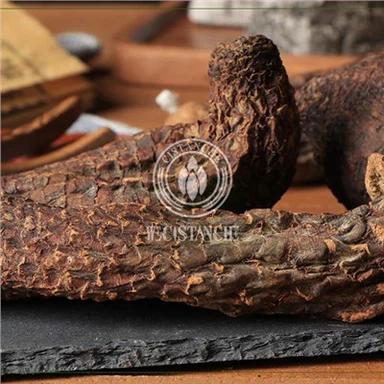
Cistanche deserticola
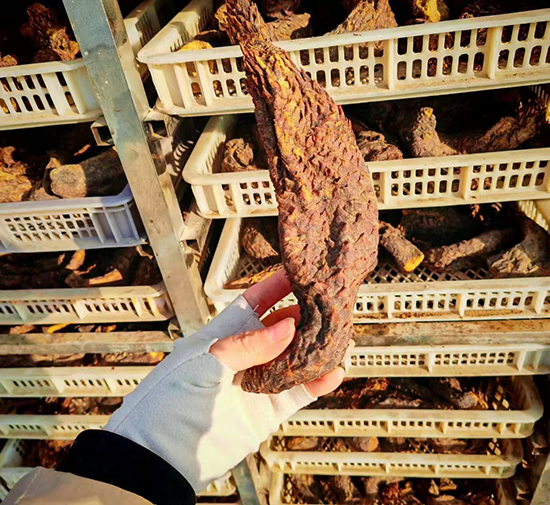
The timing of harvesting Cistanche deserticola is crucial, just like the first step on a wonderful journey, determining the quality of the subsequent dried fruits. In early April and May every year, is the golden period for harvesting Cistanche deserticola. At this time, the newly unearthed Cistanche deserticola is like a newborn baby, full of vitality and nutrition, with tender meat and a peak in medicinal ingredient content. When digging, we follow the principle of keeping small and harvesting large. This is not only to protect the sustainable development of the Cistanche deserticola population but also to ensure that we can harvest the best quality Cistanche deserticola. At the same time, the operation of removing the inflorescence or cistanche head should not be underestimated, because the inflorescence or cistanche head will consume the nutrients of the main body of cistanche, which can be removed in time, so that the cistanche can better retain the essence in the process of drying, just like removing the interference factors for a wonderful performance, so that the protagonist cistanche can fully display its charm.
Natural drying method: Transformation on sandy land
Drying of Cistanche deserticola
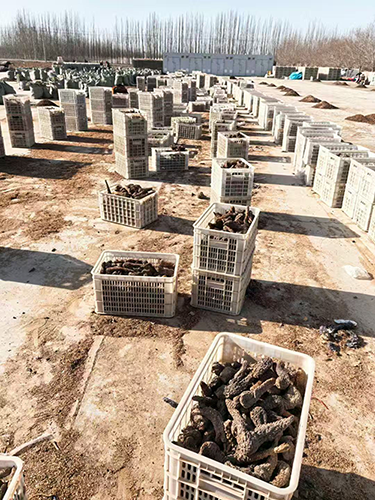
After the Cistanche deserticola was harvested with the scent of the desert, a most natural and pure drying method - natural drying method - emerged. Gently place the harvested Cistanche deserticola on a clean beach or a flat and spacious roof, allowing them to fully enjoy the gentle touch of the sun and the embrace of the breeze. During the day, the scorching sunlight is like a magical paintbrush, slowly evaporating the moisture of the Cistanche deserticola. Every ray of sunlight shining is a witness to the transformation of the Cistanche deserticola; At night, there is a large temperature difference, so it is necessary to cover the Cistanche deserticola with a layer of cover, just like putting a warm blanket on it to prevent it from being frostbitten by the cold of the night. After more than a month of alternating day and night drying, Cistanche deserticola has completed a magnificent transformation, gradually transforming from its initial yellow-white color to a flesh-brown color. At this point, it has successfully transformed into a high-quality sweet orchid, like a treasure that has gone through the accumulation of time, emitting a unique charm.
Salted drying method: unique flavor cultivation
In addition to the natural air drying method, the salted air drying method is also unique, bringing a unique flavor and preservation method to Cistanche deserticola. Firstly, prepare a suitable bag and carefully place the Cistanche deserticola into it, as if storing a precious treasure. Then, dilute the processed salt with water and mix it into just the right amount of salt water. This saltwater is like a magical potion that will give Cistanche a unique flavor. Pour the diluted salt water into a bag containing Cistanche deserticola and let it fully soak in the saltwater for pickling. After marinating, take out the Cistanche deserticola and air dry it. During this process, salt slowly penetrates every cell of Cistanche deserticola, not only changing its taste and giving it a slight salty aroma but also enhancing its shelf life to a certain extent, like putting a strong armor on it, allowing it to maintain good quality in the long river of time. This salted and sun-dried Cistanche deserticola has a unique flavor and has become a popular tonic among many people.
The secret to preventing insect infestations is released in large quantities.
Understanding the Enemy: A Comprehensive View of Common Warehouse Insects
During the preservation process of Cistanche deserticola, there are some "little enemies" who will be eyeing it, and these are the warehouse worms that harm Cistanche deserticola. Medicinal herb A is small in size but has astonishing destructive power. It will erode small tunnels inside the Cistanche deserticola, causing damage to its tissue structure and loss of nutrients; The Tobacco beetle is not inferior either. It prefers the fragrance of Cistanche deserticola and often settles down in it, gnawing on the carnivorous Cistanche deserticola, causing it to be covered in wormholes and greatly reducing its quality; Sawing the valley thief is also a trouble, as its serrated mouthparts can easily bite into pieces of Cistanche deserticola, making it incomplete. Once these warehouse worms multiply in large numbers in Cistanche deserticola, they will lose their original medicinal value and become worthless. Therefore, we must take it seriously and take effective measures to prevent insect infestation.

Drying of Cistanche deserticola
Daily prevention: leaving insects without opportunities to take advantage of
If daily prevention work is done well, these 'little enemies' will have no opportunity to take advantage of it. Storing in a well-ventilated area is a simple and effective method. Seal the Cistanche deserticola in a plastic bag, like putting it in protective clothing, and then place it in a dry and well-ventilated place to prevent it from getting damp, as damp environments are the favorite breeding ground for warehouse insects; At the same time, direct sunlight should be avoided. Although ultraviolet rays in sunlight have a certain bactericidal effect, prolonged direct exposure can cause changes in the effective ingredients of Cistanche deserticola, affecting its medicinal efficacy. Refrigerator storage is also a good choice. First, steam the Cistanche deserticola in water, which is like disinfecting it at high temperature, then air dry it, seal it with a plastic bag, and put it in a glass jar for refrigeration. The low-temperature environment in the refrigerator can inhibit the growth and reproduction of nematodes, allowing the Cistanche deserticola to be better preserved.
Insect infestation treatment: It's not too late to mend the fold after the sheep have died
If you unfortunately find that Cistanche deserticola has been infested with insects, don't panic. We have corresponding treatment methods for different degrees of insect infestation. For mildly insect-infested Cistanche deserticola, it is necessary to unpack and dry it promptly, allowing sunlight and air to remove moisture from the Cistanche deserticola and kill some of the eggs and larvae; Alternatively, steam it thoroughly with hot steam and use high temperature to eliminate insect pests and eggs. After drying, repackage and store the processed Cistanche deserticola, which can still be used. But if the insect infestation is severe, stronger measures need to be taken. Sealed oxygen pumping and nitrogen filling maintenance is a good choice. By changing the gas environment around the Cistanche deserticola, the storage insects cannot survive; Bromomethane, aluminum phosphide, and other chemical agents can also be used for fumigation, which can quickly and effectively kill warehouse insects. However, safety must be taken into account when using them, and the correct operating methods must be followed to avoid harm to human health and the environment.
Fully aware of the precautions for air drying
Time control: just the right amount of dryness
Time control is crucial when drying Cistanche deserticola. Excessive sun drying can lead to a decrease in the efficacy of Cistanche deserticola, and there is a scientific principle behind this. Cistanche deserticola contains various active ingredients, such as phenylethanoid glycosides and polysaccharides, which are the key to its medicinal value. However, prolonged exposure to sunlight can cause these active ingredients to decompose or denature, like precious keys twisted and deformed, unable to open the door to health again. How to determine the appropriate amount of air drying under suitable lighting and temperature conditions? Generally speaking, when the surface of Cistanche deserticola becomes dry, gently pressing it with your hand feels a certain hardness, but it is not too hard, indicating that the degree of drying is more appropriate. This process is like cooking delicious food, and mastering the heat is crucial. One more part is too much, and one less is too little. Only when it is just right can the best quality and medicinal effects of Cistanche deserticola be preserved.
Environment selection: Dry and ventilated is key

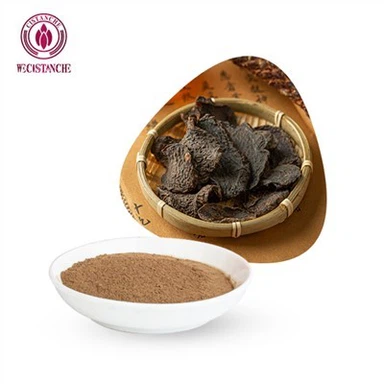
Cistanche deserticola slice
Click here to view Cistanche for Kidney disease supplement products
【Ask for more】 Email:cindy.xue@wecistanche.com / Whats App: 0086 18599088692 / Wechat: 18599088692
It is crucial to choose a dry and ventilated place to air dry Cistanche deserticola. A humid environment is like a breeding ground for bacteria and mold. Once Cistanche deserticola becomes damp, it is prone to mold and deteriorate, greatly reducing its original medicinal value. It's like a sturdy castle, eroded by damp 'enemies' and becoming unstable. Drying in a dry and ventilated environment can quickly evaporate the moisture on the surface of Cistanche deserticola, keeping it dry. It's like putting protective armor on Cistanche deserticola to resist the invasion of bacteria and mold. At the same time, good ventilation can also prevent the production of odors, allowing Cistanche deserticola to maintain its original fragrant aroma and ensure its quality is not affected.
Storage key: Extend the lifespan of Cistanche deserticola
After careful drying, the storage of Cistanche deserticola cannot be ignored, as it is related to its lifespan and the long-term maintenance of its medicinal properties. Dried Cistanche deserticola should be stored in a dry, ventilated, and dark place. This is because the ultraviolet rays in the light can accelerate the decomposition of the active ingredients in Cistanche deserticola, like invisible knives slowly cutting through its medicinal value; However, a humid environment can cause Cistanche deserticola to absorb moisture again, leading to mold and deterioration, and the previous efforts will be in vain. To prevent moisture or excessive exposure to sunlight, we can place Cistanche deserticola in a sealed container such as a glass bottle, sealed plastic bag, etc., and then store it in a cool cabinet. It is also important to regularly check the condition of Cistanche deserticola. If any signs of moisture are found, they should be taken out and re-dried promptly to ensure that Cistanche deserticola is always in the best storage condition and to protect our health at all times.
Harvesting Perfect Dried Cistanche deserticola
The drying process of Cistanche deserticola is like a delicate collaboration with nature and time, each step is full of wisdom and skill, and every attention is the key to safeguarding the quality of Cistanche deserticola. From the precise timing of excavation to the clever use of natural and salted drying methods, to the proficient mastery of pest control techniques, and strict adherence to drying precautions, every link is closely connected, jointly determining the final quality and value of Cistanche deserticola.