Red Willow, The Green Cradle Of Cistanche Deserticola
Mar 19, 2025
Red Willow: The 'Green Cradle' of Cistanche deserticola

Host of Cistanche deserticola - Red Willow
Before starting to plant Cistanche deserticola, we must first get to know its "intimate partner" - the red willow. Red willow, scientific name Tamarix, is a plant with extremely strong vitality. It has strong adaptability to temperature, a developed root system, and can resist wind and sand. It is the preferred plant for desertification control in southern Xinjiang and the main host of Cistanche deserticola. Its branches are thin and usually appear reddish brown, and its leaves are lanceolate, small, and delicate. Red willows not only have the characteristics of drought resistance, cold resistance, and salt alkali tolerance but also can thrive in harsh desert environments. In the desert areas of northwest China, red willows are important plants for windbreak and sand fixation. They are like green guardians, guarding the edge of the desert and blocking the invasion of sandstorms.
Red willows play an indispensable role in the cultivation of Cistanche deserticola. Cistanche deserticola is a parasitic plant that must parasitize on the roots of red willows to grow and develop. The root system of red willow provides the nutrients and water needed for the growth of Cistanche deserticola, like a warm cradle that nurtures the life of Cistanche deserticola. It can be said that without red willows, there would be no vigorous growth of Cistanche deserticola. Therefore, to successfully plant Cistanche deserticola, the first step is to plant good red willows.
Comprehensive Guide to Red Willow Planting
Site selection and environmental considerations
Red willow has a strong adaptability to the environment and is particularly suitable for growing in arid and sunny desert environments. It can grow well in moderately saline soil with a salt content of 0.5% -0.7%, but its growth will be adversely affected when the salt content in the soil surface layer of 0-40 cm reaches 2% -3%. This is because although red willows are tolerant to salt and alkali, excessive salt concentration can still hinder their root system's water absorption and physiological metabolism. When selecting land, we should try to choose sandy soil with flat terrain and good drainage, or soil with mild salinization. Such soil conditions are conducive to the growth and development of the red willow root system. At the same time, sufficient sunlight is also an indispensable condition for the growth of red willows. It can promote photosynthesis, accumulate nutrients, and enable red willows to grow vigorously.

Professor taking a photo with Red Willow and Cistanche deserticola
Analysis of Breeding Methods
The propagation methods of red willow mainly include sowing and cutting. Sowing and reproduction usually take place in spring or summer. In spring, the soil gradually heats up, providing suitable temperature conditions for seed germination; In summer, there is sufficient sunlight and relatively high temperatures, which are conducive to rapid germination of seeds and early growth of seedlings. Before sowing, we need to treat the seeds by soaking them in warm water for some time to break the dormancy period and increase the germination rate. Then, using the 'water surface seeding method', 10 grams of seeds are evenly scattered per square meter of water surface. As long as the method is appropriate, more than 500 seedlings can be harvested per square meter. This method utilizes the buoyancy and humidity of the water surface to provide a relatively stable germination environment for seeds.
Cutting propagation is a more commonly used method, usually chosen to be carried out in spring. The temperature gradually rises in spring, and the physiological activities of red willows become more active. At this time, cuttings are beneficial for rooting. We need to select annual branches that are 1-2 centimeters thick, smooth, and unbranched as cuttings. These branches have strong vitality and are rich in nutrients, which are beneficial for rooting and germination. Cut the cuttings into small sections 10-20 centimeters long, and determine the length of the cuttings according to different irrigation conditions. For plots with good irrigation conditions, the length of the cuttings is 10 centimeters; For plots with poor irrigation conditions, the length of the cuttings should be 15-20 centimeters. The head of the cuttings should be cut into a flat mouth, and the tail should be cut into a horseshoe shape. The horseshoe-shaped slope should be opposite to the top bud, which can increase the contact area between the cuttings and the soil, facilitate the absorption of water and nutrients, and avoid hindering the growth of the top bud. Before cutting, soak the cuttings in water for 2-3 days to fully absorb water and improve survival rate. You can also soak the cuttings in 100mg/kg rooting powder for 5-6 hours to further promote rooting. When cutting, insert the cuttings vertically or diagonally into the soil according to the specifications of a row spacing of 30 centimeters and a plant spacing of 5 centimeters, with a depth of about one-third to half of the length of the cuttings. If the soil is sandy, it can be inserted vertically; If the soil contains clay, it is best to insert it into the hole at a 60 ° angle. After insertion, the soil should be compacted to prevent air from escaping and affecting the rooting of the cuttings.

Planting of Cistanche deserticola and Salix chinensis
Key points of maintenance management
The maintenance and management of red willows are crucial for their growth and development. In terms of watering, although red willows are drought tolerant, they still require appropriate watering during the early stages of growth and dry seasons. Generally speaking, after planting red willows, it is necessary to immediately water them thoroughly to ensure that the soil is fully moist, providing sufficient water for the roots of the red willows and promoting a tight connection between the roots and the soil. Watering again in 7-10 days can further replenish soil moisture and ensure sufficient water supply for the red willow during the rooting period. Afterwards, water according to the dry and wet conditions of the soil to keep it moist, but avoid water accumulation. Water accumulation can cause soil hypoxia, making it impossible for the root system of red willow to breathe normally, leading to root rot, affecting the growth of red willow, and even causing plant death. In arid areas, drip irrigation or sprinkler irrigation can be used for watering, which can save water and ensure even water supply to the red willows.
In terms of fertilization, red willows are tolerant to extensive management and have a relatively low demand for fertilizers. At the beginning of planting, some decomposed and fermented circle fertilizer can be applied as base fertilizer, and the fertilizer can be evenly mixed with the cultivation soil to provide long-term nutrient support for the growth of red willows. At the end of autumn, apply a little more circle fertilizer to enhance the cold resistance of red willows and help them smoothly survive the winter. After one year of growth, apply a little compound fertilizer at the end of the second spring to ensure complete and balanced nitrogen, phosphorus, and potassium elements, and meet the nutritional needs of red willows during their vigorous growth period. Apply circle fertilizer again at the end of autumn to supplement nutrients for the growth of red willows. In the third year, fertilization can be repeated using the same method. Starting from the fourth year, if the red willow grows normally, less or no fertilization can be applied. Overfertilization not only increases costs but may also lead to soil pollution and abnormal growth of red willows.
Pruning is also an important part of the maintenance and management of red willows. By timely removing overly dense branches, aging branches, dry branches, and diseased branches, the ventilation and light transmission conditions of red willows can be improved, reducing the occurrence of diseases and pests. At the same time, the nutrients of red willows can be concentrated and supplied to healthy branches, promoting their growth. Shortening the main branches can control the growth direction and morphology of red willows, making them more aesthetically pleasing. According to the growth morphology and personal preferences of red willows, different plant types can be determined, commonly including natural shrub-shaped and small tree-shaped shaped. Red willows in the shape of natural shrubs look more natural and plump, suitable for large-scale greening and windbreak sand fixation; The red willows in the shape of small trees are more upright and neat, often used for landscape greening in courtyards, parks, and other places.
Cistanche deserticola: the 'soft gold' in the desert
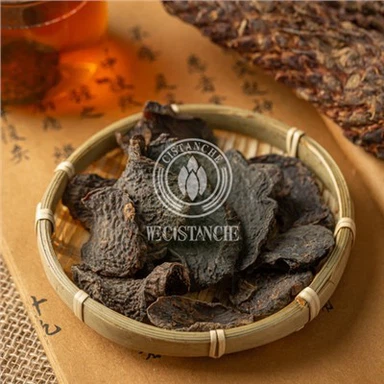
Cistanche deserticola, a mysterious plant that grows deep in the desert, is known as the "desert ginseng" and occupies an important position in the field of traditional Chinese medicine. It is a perennial parasitic herbaceous plant of the Cistanche genus in the family Liliaceae. Most of the plants grow underground and are 40-160 centimeters tall. The stem is fleshy, slightly flattened, or cylindrical in shape, with a diameter of up to 5-10 (~15) centimeters at the lower part, gradually narrowing upwards. Its scaly leaves are pale yellow-white, triangular-ovate, or broadly ovate, and the inflorescence is spike-shaped, with a length of up to 15-50 cm and a diameter of 4-7 cm. The corolla is light yellow and bell-shaped.
Cistanche deserticola has extremely high medicinal value, with a warm nature, sweet and salty taste, and belongs to the Kidney Meridian and Large Intestine Meridian. It can nourish kidney yang, benefits essence, and blood, and has significant effects on treating symptoms such as kidney deficiency, impotence, nocturnal emissions, premature ejaculation, cold pain in the waist and knees, and weak muscle and bone spasms. In ancient times, Cistanche deserticola was regarded as a precious tonic and highly favored by the royal family and nobles. At the same time, Cistanche deserticola also has the function of moistening the intestines and promoting bowel movements, which can be used to treat constipation caused by dryness of the intestines and fluids. It is particularly suitable for elderly people with insufficient kidney yang and deficiency of essence and blood. Modern pharmacological research has found that Cistanche deserticola can stimulate pituitary-adrenal cortex hormones, improve immune function, enhance the phagocytic ability of mononuclear macrophages, and also have cold resistance, anti-hypoxia, and anti-fatigue effects.
The market demand for Cistanche deserticola is also constantly growing. With the increasing awareness of people's health, there is a growing demand for natural, green, and healthy health products and medicines. As a traditional precious Chinese medicinal herb, Cistanche deserticola is widely used in nourishing and regulating the body, and is highly favored by consumers. In the field of traditional Chinese medicine, Cistanche deserticola is one of the most frequently used tonics in many kidney tonifying and yang-strengthening prescriptions. In the health product market, dietary supplements, oral liquids, and other products made from Cistanche deserticola are constantly emerging. The market size of Cistanche deserticola is also continuously expanding. In 2019, the market size of Cistanche deserticola in China reached 5 billion yuan, and it is expected to maintain a stable growth trend in the coming years. In addition, Cistanche deserticola is also widely concerned in the international market. With the promotion of the "Belt and Road" initiative, China's Cistanche deserticola products are gradually exported to Russia, South Korea, Japan, and other countries and regions, and the international market share is increasing year by year. In 2019, the export value of Cistanche deserticola in China reached 150 million yuan, and it is expected that the export value will continue to grow in the future.
The Legend of Symbiosis between Cistanche deserticola and Red Willow
Revealing Parasitic Relationships
The parasitic relationship between Cistanche deserticola and Willow is very unique and wonderful. Cistanche deserticola lacks chlorophyll and cannot undergo photosynthesis like ordinary plants to produce the organic matter it needs. Therefore, it must rely on other plants to obtain nutrients and water. When the seeds of Cistanche deserticola germinate under suitable conditions, they will be connected to the roots of the red willow through a special suction structure. This suction device is like a tiny "straw" that penetrates deep into the root tissue of the red willow, absorbing nutrients such as sugar, amino acids, minerals, etc. produced by photosynthesis, as well as water absorbed from the soil. The large and developed root system of the red willow penetrates deep into the ground and can absorb limited water and nutrients in arid desert environments, while the Cistanche deserticola cleverly utilizes this ability of the red willow to achieve its growth and development. This parasitic relationship is not a unilateral acquisition. In the long-term evolution process, Cistanche deserticola and Salix matsudana have formed a symbiotic relationship of mutual adaptation and interdependence. The parasitism of Cistanche deserticola does not cause fatal damage to the red willow, which can still grow normally and provide a foundation for its survival.
The mystery of planting sequence
Planting red willows first and then Cistanche deserticola contains scientific principles. As the host of Cistanche deserticola, red willow must first take root and grow in the soil, and establish a complete root system, to provide a stable parasitic environment for Cistanche deserticola. If Cistanche deserticola is planted first, without the root system of red willow as a support, the seeds of Cistanche deserticola cannot find suitable hosts, obtain the nutrients and water needed for growth, and naturally cannot grow normally. Generally speaking, 2-3 years after the planting of red willows, when the root system of red willows is more mature, it is suitable to inoculate Cistanche deserticola. This is because, at this time, the root system of the red willow has already penetrated deep into the soil, providing sufficient nutrients and water supply to the Cistanche deserticola. At the same time, it also has strong stress resistance and can better cope with the impact of Cistanche deserticola parasitism. In addition, the environment in which red willows grow is often harsh, requiring some time to adapt and improve soil conditions to make them more conducive to the growth of Cistanche deserticola. During the growth process of red willows, their roots secrete substances that improve soil structure and fertility, creating better conditions for the growth of Cistanche deserticola.
Detailed explanation of the planting steps of Cistanche deserticola
Seed processing
The treatment of Cistanche deserticola seeds is a crucial step in the planting process. When selecting seeds, we should choose seeds with plump particles and no pests or diseases. The seeds of Cistanche deserticola are very small, and under a microscope, their shape is elliptical with unique textures on the surface. Breaking the dormancy state of seeds is crucial to improve their germination rate. Research has shown that pretreatment of Cistanche deserticola seeds with 10mg/L fluoroquinolone for 24 hours, followed by cultivation with 25mg/L gibberellin solution, can achieve a germination rate of up to 59.43%. You can also place the seeds on outdoor sandy land and expose them to sunlight for 20-30 days, using the ultraviolet rays in the sunlight and the temperature of the sandy land to break seed dormancy and stimulate seed activity. In addition, soaking seeds in a 0.1% -0.3% potassium permanganate or copper sulfate solution for 20-30 minutes before sowing can not only break seed dormancy but also have disinfection and sterilization effects, preventing the occurrence of diseases such as root rot and powdery mildew.
Vaccination timing and method
The timing of inoculating Cistanche deserticola seeds on red willows is crucial. Generally speaking, vaccination can be administered throughout the year, but spring vaccination is more effective than autumn vaccination. Spring is the season for the revival of all things. After inoculation, Cistanche deserticola has a complete growth period and can grow and develop better. After autumn vaccination, it will soon enter a long winter dormancy period, which is not conducive to increasing the yield of Cistanche deserticola. The specific time is best from late March to late April, which is the beginning period of the annual growth peak of the red willow root system. The active growth of the red willow root system can establish a parasitic relationship with the seeds of Cistanche deserticola more quickly, thereby improving the success rate of inoculation.
The main vaccination methods include conventional point planting vaccination and block vaccination. When planting and inoculating in regular holes, choose red willows that have been growing vigorously for 2-3 years. Dig holes at a distance of 40-80 centimeters from the main stem, then cover the holes with a layer of sand. Spread the treated seeds evenly on top, then cover the holes with sand to 1/2 of the hole and water them. After the water has completely penetrated, cover the holes with sand and press them firmly. This method is relatively simple to operate and suitable for large-scale planting. To inoculate the inoculation block, it is necessary to first make clay blocks that are about 15 centimeters long, 10 centimeters wide, and about 1 centimeter thick, and dry them. Then, soak the surface of the prepared clay blocks, place 3-5 processed Cistanche seeds at each corner, cover them with nutrient soil prepared in a 4:6 ratio of decomposed sheep manure and sand soil for about 3-5 centimeters and then place them in the inoculation pit. Finally, cover the pit with sand soil to 2/3 of the depth of the pit. After the water completely penetrates the pit, cover the upper part of the pit with sand soil and mark it for observation. Although this inoculation method is complex to operate, it can provide a more stable growth environment for Cistanche deserticola seeds and is suitable for small-scale artificial cultivation. Generally, 1-2 pits are inoculated per plant, and 10-20 seeds of Cistanche deserticola are inoculated per pit.
Key points of field management
The field management during the growth period of Cistanche deserticola directly affects its yield and quality. In terms of watering, because Cistanche deserticola grows in arid desert areas, its water demand is relatively special. Wild hosts artificially inoculated Cistanche deserticola should minimize human intervention and implement semi-biomimetic cultivation. During the growth period of Cistanche deserticola, if there is wet sand 70 centimeters below the plant, watering is not necessary. Watering is only necessary 1-2 times in extremely dry years. The artificially cultivated and intensively managed Cistanche deserticola should be irrigated once a year before winter. Excessive watering can lead to excessive soil moisture, and decreased air permeability, and easily cause root rot of Cistanche deserticola, affecting its growth.
When fertilizing, farmyard manure should be the main source and chemical fertilizers should be avoided to ensure the quality of Cistanche deserticola. Farm manure, such as decomposed cow and sheep manure, compost, etc., contains rich organic matter and various nutrients, which can provide long-term nutrient support for Cistanche deserticola and Salix matsudana. In the early stage of growth of Cistanche deserticola, some base fertilizer can be applied appropriately, and the farm manure can be mixed evenly with the soil to lay a good foundation for the growth of Cistanche deserticola. During the growth process, according to the strength of the host's growth and the amount of Cistanche deserticola harvested, appropriate fertilization should be applied to the host to meet its growth needs. At the same time, weeds and miscellaneous shrubs should be removed promptly to avoid them competing with Cistanche deserticola and Salix matsudana for nutrients, water, and sunlight.
Disease and pest control is also an important aspect of field management. The common diseases of red willow include powdery mildew and root rot. Powdery mildew mostly occurs in July and August, affecting the tender branches of red willows. White powdery substances will appear in the affected areas, and in severe cases, they can affect the photosynthesis growth and development of red willows. It can be controlled by spraying 300 times of biological agents or 4000 times of 25% triadimefon. Root rot disease often occurs during the seedling stage and harms the roots of red willows, causing root rot, weakened plant growth, and even death. During the occurrence period, a 50% carbendazim 1000-fold solution can be used for root irrigation and control. During the flowering period of Cistanche deserticola, it is susceptible to the harm of breeding flies. The larvae of these flies can burrow into the tender stems and underground stem bases of Cistanche deserticola, affecting its quality and yield. 90% trichlorfon 800 times solution or 40% dimethoate emulsifiable concentrates can be used for aerial spray or root irrigation. In addition, the big sand rat will gnaw on the branches or roots of the red willow, causing it to die and thus affecting the growth of Cistanche deserticola. Poison baits can be used to lure or kill large sand rats, protecting red willows and Cistanche deserticola.
Revealing the Growth Cycle of Cistanche deserticola
Cistanche deserticola is a perennial plant that generally takes 2-3 years from inoculation to first harvest. During this period, the seeds of Cistanche deserticola gradually germinate at the roots of the red willow, forming suckers and establishing close connections with the roots of the red willow, continuously absorbing nutrients and water, and slowly growing and developing. When Cistanche deserticola reaches a certain stage of growth, its fleshy stem will gradually swell and emerge from the ground, at which point it can be harvested.
After the first harvest, Cistanche deserticola does not die, as long as the host willow grows well, it will continue to grow. The subsequent growth and harvesting cycle is generally once a year. Under suitable growth conditions, the yield of Cistanche deserticola will gradually increase with the increase of growth years. Generally speaking, in the 3-5 years after planting, Cistanche deserticola enters its peak production period, during which the yield and quality are relatively good. In some Cistanche deserticola planting bases in Xinjiang, the yield of Cistanche deserticola per mu during the peak season can reach 300-500 kilograms. The growth cycle of Cistanche deserticola is also influenced by factors such as climate, soil conditions, and management measures in the planting area. In areas with warm climates, fertile soil, and fine management, the growth rate of Cistanche deserticola may accelerate, and the growth cycle may also be correspondingly shortened.

Cistanche deserticola florescence
Click here to view Cistanche for Kidney disease products
【Ask for more】 Email:cindy.xue@wecistanche.com / Whats App: 0086 18599088692 / Wechat: 18599088692
Planting prospects and challenges coexist.
The cultivation industry of Cistanche deserticola contains enormous development potential, with significant economic and ecological benefits. From an economic perspective, the market price of Cistanche deserticola is relatively high, ranging from tens to hundreds of yuan per kilogram depending on its quality and origin. In some Cistanche deserticola planting bases, the yield value per mu during the peak season can reach thousands of yuan or even higher. For example, the Cistanche deserticola in the windbreak and sand control base of Qiemo County, Xinjiang, is expected to harvest 319 tons of fresh Cistanche deserticola this autumn, with a production value of about 4.78 million yuan. The Cistanche deserticola industry has also driven local employment, providing job opportunities for many villagers during the harvest and vaccination season, and increasing their income.
The cultivation of Cistanche deserticola also has important ecological benefits. Cistanche deserticola parasitizes on plants such as red willows, which are excellent plants for windbreak and sand fixation. By planting red willows and Cistanche deserticola, vegetation coverage in desert areas can be increased, wind erosion can be reduced, and the ecological environment can be improved. In the simulated wild Cistanche deserticola planting base in the Qaidam Basin, by planting plants such as Cistanche deserticola and Haloxylon ammodendron, the national green area has reached more than 10000 acres, effectively reducing the harm of sandstorms.
The cultivation industry of Cistanche deserticola also faces some challenges. In terms of technology, although there has been some progress in the artificial cultivation technology of Cistanche deserticola, there are still some problems that need to be solved. For example, the germination rate of Cistanche deserticola seeds is relatively low, and the success rate of inoculation also needs to be improved. In addition, the growth of Cistanche deserticola requires strict environmental conditions, and how to achieve high and stable yields under different environmental conditions is also a topic that needs further research.

chinese herb cistanche
In terms of the market, there is a certain degree of instability in the Cistanche deserticola market. With the continuous expansion of the planting area of Cistanche deserticola, the market supply is gradually increasing. If the market demand cannot grow synchronously, it may lead to a price drop. There are also some counterfeit and inferior Cistanche products in the market, which not only damage the interests of consumers but also affect the reputation of the entire industry.
In terms of policies and regulations, Cistanche deserticola is a national second-class protected plant, and its cultivation, harvesting, and sales are strictly regulated by policies and regulations. Farmers need to understand and comply with relevant policies and regulations to ensure that their planting and business activities are legal and compliant. If there are changes in policies and regulations, it may have an impact on the cultivation industry of Cistanche deserticola.