A Narrative Review Of The Pharmacology Of Ginsenoside Compound K Part 2
Jul 27, 2023
Cytotoxicity Of CK
Studies have been conducted to investigate the cytotoxicity of CK against mouse high-metastatic melanoma (B16- BL6), human hepatoma (HepG2), human myeloid leukemia (K562), human high-metastasis lung carcinoma (95-D), human leukemia (HL-60), and human colon cancer cell lines (9,41,80). The mean concentrations of CK that inhibited cell proliferation by 50% (IC50) were 12.7, 11.4, 8.5, 9.7, 14, and 32 μmol/L, respectively, and the effect was time-dependent (9,41,80).
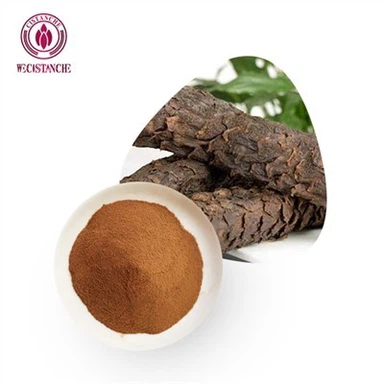
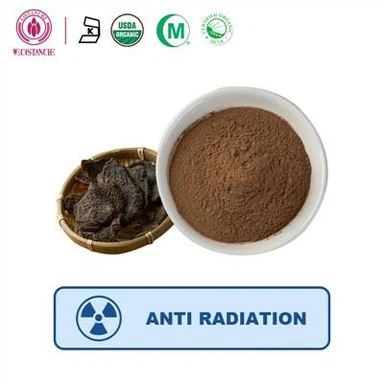
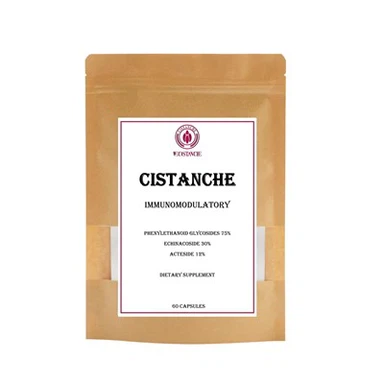
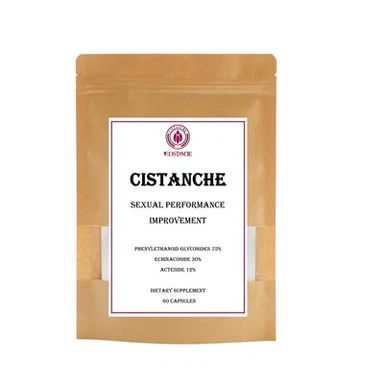
Glycoside of cistanche can also increase the activity of SOD in heart and liver tissues, and significantly reduce the content of lipofuscin and MDA in each tissue, effectively scavenging various reactive oxygen radicals (OH-, H₂O₂, etc.) and protecting against DNA damage caused by OH-radicals. Cistanche phenylethanoid glycosides have a strong scavenging ability of free radicals, a higher reducing ability than vitamin C, improve the activity of SOD in sperm suspension, reduce the content of MDA, and have a certain protective effect on sperm membrane function. Cistanche polysaccharides can enhance the activity of SOD and GSH-Px in erythrocytes and lung tissues of experimentally senescent mice caused by D-galactose, as well as reduce the content of MDA and collagen in lung and plasma, and increase the content of elastin, have a good scavenging effect on DPPH, prolong the time of hypoxia in senescent mice, improve the activity of SOD in serum, and delay the physiological degeneration of lung in experimentally senescent mice With cellular morphological degeneration, experiments have shown that Cistanche has the good antioxidant ability and has the potential to be a drug to prevent and treat skin aging diseases. At the same time, echinacoside in Cistanche has a significant ability to scavenge DPPH free radicals and has the ability to scavenge reactive oxygen species and prevent free radical-induced collagen degradation, and also has a good repair effect on thymine free radical anion damage.

Click on Where Can I Buy Cistanche
【For more info:george.deng@wecistanche.com / WhatApp:86 13632399501】
The Antiproliferative Effects Of CK
In another experiment, CK exhibited significant antiproliferative effects against human colorectal cancer cell lines (HCT-116 and SW-480) at concentrations of 30–50 μM, indicating that it might be an effective anti-carcinogenic medicine (83). Similarly, the antiproliferative effects of CK on human and animal tumor cell lines have been demonstrated in many studies (9,41,80). Furthermore, CK significantly induced cell cycle arrest during the G1 phase in non-small cell lung cancer cells (A549, H1975) (69), human colorectal cancer cells (HCT-116, HT-29) (75,77,81), glioblastoma cells (U87MG, U373MG) (84), human glioblastoma cells (U251 MG, U87-MG) (86), human monocytes (U937) (140), and acute myeloid leukemia cells (93), which was dose- and/ or time-dependent. The major regulatory targets of CK were found to be cyclin-dependent inhibitors, including p21, p27, p15, and cyclin D (75,77,81). Furthermore, CK blocked the cell cycle at the G2 phase in human gastric cancer cells (BGC823 and SGC7901) to exert an antiproliferative effect (89).
The Apoptotic Effects Of CK
Apoptosis was shown to be significantly induced by CK in A549 (69), H1975 (69), and HL-60 (9) cell lines, human colorectal cancer cells (HCT-116, HT-29) (75-78,80-82), glioblastoma cells (U87MG, U373MG) (84), human glioblastoma cells (U251 MG, U87-MG) (86), human monocytes (U937) (140), acute myeloid leukemia cells (93), human gastric cancer cells (BGC823 and SGC7901) (89), h u m a n h e p a t o c e l l u l a r c a r c I n o m a ( H C C ) c e l l s (MHCC97-H) (72), and bladder cancer cells (T24) (92).
It was also shown to induce apoptosis in cancer cells via a caspase-dependent pathway at a concentration that had low toxicity to normal cells (72). The induction of apoptosis in HT-29 and HCT-116 cells by CK was mediated by mitochondrial-dependent and caspase-dependent mechanisms via the generation of reactive oxygen species (ROS), and the mitogen-activated protein kinase (MAPK), the calmodulin-activated protein kinase/adenosine monophosphate protein kinase (AMPK) pathway, and the tumor necrosis factor (TNF)-related apoptosis-inducing ligand-mediated death receptor pathways (76,78,80,82). The transcriptional activation of multiple tumor-promoting pathways in CRC was inhibited by CK, indicating that it might prevent or treat CRC (77). Morphological changes were induced in HL-60 cells by CK, leading to cell apoptosis, as indicated by typical characteristics such as DNA fragmentation (9).
Autophagy leads to cell adaptation, cell survival, or cell death (87). The regulation of autophagy is increasingly being regarded as a promising cancer treatment (87). A study showed that CK induced the ROS-mediated inhibition of autophagy flux, which inhibited the proliferation of neuroblastoma cells and promoted cell apoptosis (87). In non-small cell lung cancer cells (A549, H1975), CK promoted autophagy to induce cell apoptosis through the AMPK-mTOR and c-Jun N-terminal kinase (JNK) signaling pathways (69). In addition, CK induced the apoptosis of colon cancer cell lines (HT-29, HCT-116) through autophagy via ROS production and JNK activation (76,78).
Inhibition Of Tumor Cell Invasion And Metastasis By CK
The invasion and metastasis of tumor cells are important for the prognosis of cancer patients and are therapeutic targets of tumor therapy. CK Significant reductions in the colony formation, adhesion, and invasion of HCC cells were exerted by CK in vitro, and it inhibited metastasis and growth of HCC in vivo related to the nuclear export of nuclear factor kappa B (NF-κB) p65 nuclear export and the reduction of metalloproteinase 2/9 (MMP-2/9) expression (73). It was also shown that CK reduced glioblastoma cell markers (CD133, Nanog, Oct4, and Sox2) to inhibit their growth, metastasis, and invasion potential (84). The migration and invasiveness of C6 glioma and astroglioma cells were inhibited by CK, suggesting it might control the growth and invasiveness of brain tumors (85,88). Osteosarcoma is a malignant bone tumor, and CK was shown to inhibit the migration and invasion of osteosarcoma cells via the PI3K/ mTOR/p70S6K1 signaling pathway (90).
Myelosuppression Of CK
In a study of the effects of CK on myelosuppression in mice induced by cyclophosphamide (CTX), CK could increase the thymus index, the yields of colony formation units-granulocyte monocyte, and colony formation units megakaryocytic. CK could control apoptosis and promote cells to enter the normal cell cycle by the bcl-2/bax signaling pathway and MEK/ERK signaling pathway. It suggested that CK can improve the hematopoietic function of myelosuppression among mice (141).
Anti-Inflammatory And Anti-Allergic Effects Of CK
Inflammation, including the sustained production of nitric oxide (NO) and prostaglandins (PGs), is important in the pathophysiological changes of rheumatic diseases and other inflammatory diseases (142). Recent studies have shown that the anti-inflammatory activities of CK on lipopolysaccharide (LPS)-induced mononuclear macrophages (RAW264.7) and reported that CK downregulated inducible nitric-oxide synthase (iNOS) levels, ROS, and cyclooxygenase-2 proteins by inhibiting nuclear factor-κB (NF-κB) and MAPK activation, which suppressed NO and prostaglandin E2 (PGE2) production (IC50 =0.012 and 0.004 mM, respectively) (11,143). It also could inhibit the migration of RAW264.7 by blocking the activation of NF-κB and up-regulating the expression of PPARγ, indicating that CK could inhibit the activation of inflammatory macrophages and increase the expression of anti-inflammatory macrophages (144). It had a negative regulatory effect on the production of proinflammatory cytokines, and the activation of inflammatory pathways in LPS- or zymosan-induced mononuclear macrophages at non-cytotoxic concentrations, indicating that CK is involved in the regulation of inflammation (96-99). When administered in vivo, CK inhibited the production of systemic inflammatory cytokines and reduced the mortality rate of inflammatory shock in mice (99). Therefore, CK might control excessive lethal inflammation (96-99).

In the collagen-induced arthritis (CIA) model, CK inhibited the abnormal activation and differentiation of T cells and B cells and improved the outcome of CIA by reducing the proportion of M1 and M2 macrophages (100-102). C-K could promote TLR4-Gαs coupling and inhibit TLR4-Gαi coupling through β-arrestin2 regulation in macrophages, leading to the function inhibition of immune cells including macrophage polarization and phagocytosis (102). Several studies using complete Freund’s adjuvant-induced adjuvant arthritis rat models have reported that CK reduced disease severity, foot-pad swelling, and the degree of pathology in the joints by inhibiting the proliferation of B cells, T cells, and fibroblast-like synoviocytes, and the level of autoantibodies, macrophage phagocytosis, and the secretion of proinflammatory cytokines (104-107).
Other studies using dextran sodium sulfate-induced colitis mouse models showed that CK relieved histopathological injury in mild and severe colitis. In these studies, CK targeted the progesterone X receptor (PXR)/NF-κB interactions to improve myeloperoxidase (MPO) activity, reduce the production of proinflammatory cytokines (TNF-α, IL-1β, and IL-6), and increase the antiinflammatory cytokines (108,109). In addition, CK also could as a drug candidate for IgA nephropathy by inhibiting the activation of NLRP3 inflammasome in renal tissues, macrophages, and bone marrow-derived dendritic cells, enhancing the induction of autophagy through increased SIRT1 expression, and eliciting autophagy-mediated NLRP3 inflammasome inhibition (145).
Anti-Diabetic Effects Of CK
Diabetes mellitus, caused by a deficiency in insulin secretion and action, often leads to chronic progressive disease, functional decline, and failure of multiple tissues and organs due to metabolic disorders (146). At present, there are no effective drugs to treat diabetes. Current treatments focus on stimulating insulin production, increasing the sensitivity of peripheral tissues to insulin, and inhibiting liver glucose output using insulin-like preparations (146). Importantly, CK also promotes these functions.
In vitro studies using HIT-T15 cells and primary cultured islet cells have shown that CK enhances insulin secretion in a dose-dependent manner, which may be related to adenosine triphosphate (ATP)-sensitive K+ channels (10). Similar to sulfonylurea, CK stimulated insulin secretion and enhanced the anti-diabetic effect of metformin in db/ db mice. Thus, CK has potential applications for diabetic therapy when used in combination with sulfonylurea (112). A study using MIN6 pancreatic β-cells reported that CK significantly enhanced insulin secretion by up-regulating the expression of glucose transporter protein 2 (113,117).
In a long-term study of db/db mice, CK enhanced plasma adiponectin production, changed glucose metabolism in the liver from glucose production to glucose utilization, which improved insulin sensitivity, induced hypoglycemic effects, and improved glucose tolerance (10). After feeding diabetic model mice with CK 30 mg/kg/day for 4 weeks, hypoglycemic and insulin sensitivity of type 2 diabetes was improved by reducing phosphoenolpyruvate carboxy kinase and glucose 6-phosphatase expression in the liver (114). Hyperglycemia and insulin resistance in diabetic rats was improved by CK via enhancement of insulin sensitivity and insulin signaling and inhibiting inflammation (115,117).
Anti-diabetic effects were induced by CK by reducing the expression of key gluconeogenic enzymes in the liver and hepatic gluconeogenesis was inhibited by enhancement of AMPK activity (116). Furthermore, CK promoted the uptake of glucose by adipocytes, indicating it might have hypoglycemic properties and insulin-like activity, which is important for its potential use in diabetes (118). Treatment with CK prevented pancreatic islet destruction and retained more insulin in db/db mice (10). These anti-diabetes effects of CK were mediated by inhibiting the AMPK-JNK pathway and preventing apoptosis of pancreatic islet cells in vitro and in vivo (119).
Glucagon-like peptide-1 inhibits pancreatic β-cell apoptosis and stimulates glucose-stimulated insulin secretion (147). Studies showed that CK induced hypoglycemic effects by stimulating the secretion of glucagon-like peptide-1 in NCI-H716 cells via bile acid receptor activation (120) (125) and protected against diabetic nephropathy by inhibiting NLRP3 inflammasome activation and NF-κB/p38 signaling pathway (121,126).
Effects Of CK On The CNS
Many studies have reported that CK improves the cognition of neurological diseases, has a neuroprotective effect (122), and protects neurotransmission (27).
Cognition And Neuroprotection Effects Of CK
Amyloid-β (Aβ) peptide is a biomarker of Alzheimer’s disease (AD) (148). It has been shown that CK promotes the clearance of Aβ by enhancing autophagy in primary astrocytes and improves memory in scopolamine hydrobromide-injured mice by inhibiting Aβ accumulation and activating the Nrf2/Keap1 signaling pathway (123). In addition, CK reduced oxidative damage to neurons and inhibited neuron apoptosis (65). In the slow cerebral hypoperfusion (CCH) rat model, CK inhibited CCHinduced neuron injury and Aβ accumulation. Furthermore, CK attenuated cognitive deficits in vascular dementia rats (122). When HT22 cells were incubated with CK and exposed to Aβ, neuronal damage caused by Aβ was inhibited by activating the energy metabolism signaling pathway (124). Therefore, CK might be a useful preventive or therapeutic agent for AD (65,122-124). When treating nervous system disease, chemotherapy often leads to neurocognitive impairment, including learning and memory. Thus, permanently repairing and improving cognitive impairment is important for the patient (149). Treatment with 10 mg/kg CK alleviated the reduction of hippocampal neurogenesis caused by cyclophosphamide indicating CK might improve or repair the side-effects caused by chemotherapy agents (108,112,131,149).

Microglia activation is important in the pathogenesis of various neurological diseases. The anti-inflammatory and neuroprotective effects of CK have been demonstrated in brain disease models of sepsis (systemic inflammation) and brain ischemia in mice. It was shown to reduce the infarct volume of ischemic brains induced by middle cerebral artery occlusion and suppress microglial activation in the ischemic cortex as well as inhibit the activities of ROS, MAPKs, and NF-κB/activator protein to suppress microglial activation in LPS-induced BV2 cells and primary cultured microglial cells (16). The expressions of brain-derived neurotrophic factor and nerve growth factor were increased in rats treated with CK, indicating that it promotes neurotrophic protection of the CNS (125).
The proliferation and differentiation of Schwann cells are critical for the remyelination of injured peripheral nerves. It was shown that CK induced cell proliferation, migration, and differentiation via the activation of MEK/ERK1/2 and PI3K/AKT pathways in cultured primary Schwann cells (133,150).
Neurotransmission Modulation By CK
At a dose of 10 μmol/L, CK increased the spontaneous release of gamma-aminobutyric acid (GABA) by promoting the release of Ca2+ from presynaptic Ca2+ stores and inhibited the transmission of hippocampal CA3 pyramidal neurons in rats and the physiological functions mediated by the hippocampus (27). It also inhibited GABA-induced inward peak current (IGABA) by inhibiting GABA receptor C (GABAC) (IC50 value of 52.1±2.3 μmol/L) (126). This suggests that CK may regulate GABAC receptor channel activity in the brain. An imbalance between GABA-mediated inhibition and glutamate-mediated excitation is a major pathological mechanism of epilepsy and therefore GABA and glutamate neurotransmission have become important targets for epilepsy control (127). By promoting the release of GABA in the hippocampus and enhancing GABA-mediated inhibitory synaptic transmission, CK exerted an antiepileptic effect.
Yamada et al. (128) found that CK had a beneficial effect in a mouse model of a depression-like state induced by ovariectomy by preventing postoperative prolonged fixation, which was mediated by the serotonin (5-HT) receptor in a dose-dependent manner. Song et al. (125) established a chronic unpredictable mild stress model in rats and found that CK alleviated depression-like behavior, increased the levels of 5-HT, dopamine, and their metabolites in the prefrontal cortex and hippocampus, and reversed monoamine oxidase B overexpression in the prefrontal cortex and hippocampus. These results suggest CK has an antidepressant effect in rodents, which is related to the regulation of monoamine neurotransmitter concentrations.
Anti-Angiogenesis Effects Of CK
Few studies have investigated the cardiovascular effects of CK, although it has a protective effect on vascular endothelial cells and smooth muscle cells (13,132).
It has been shown that CK attenuates the expression of cyclin D1 and significantly inhibits the proliferation, migration, and lumen formation of basic fibroblast growth factor (bFGF)-induced human umbilical vein endothelial cells (HUVECs), and prevents bFGF-induced angiogenesis in mice (13,129).
The adhesion of leukocytes to endothelial cells and leukocyte transport is involved in the early stage of atherosclerosis (130). Anti-atherogenic effects were exerted by CK by negatively regulating NF-κB signaling and blocking leukocyte transport by inhibiting interactions between leukocytes and endothelial cells (130). It also reduced HUVEC inflammation and apoptosis induced by oxidized low-density lipoprotein by inhibiting the nuclear translocation of NF-κB and phosphorylation of p38MAPK and JNK (131). Furthermore, CK significantly inhibited the proliferation of vascular smooth muscle cells stimulated by platelet-derived growth factor-BB in vitro by a dose-dependent mechanism involving the blockade of cells in the G1 phase (132). Formation of the angiogenic intima was significantly inhibited in vivo by CK indicating it might be a candidate therapeutic agent for atherosclerosis (132).
In a mouse model of myocardial ischemia-reperfusion (I/R) injury, CK protected the myocardium, reduced the infarct area, and inhibited myocardial cell apoptosis, indicating that it has a protective effect on the heart damage caused by I/R (133,134).
Anti-Aging Effects Of CK
The local application of CK to the skin of hairless mice increased the hyaluronic acid content in the epidermis and papillary dermis by up-regulating hyaluronic acid synthase 2 (14). Therefore, the local use of CK may prevent or improve xerosis and wrinkles in the skin (14). It suppressed MMP-1 secretion and increased type I procollagen secretion in TNF-α-stimulated human skin fibroblasts (HS68 cells), which inhibited collagen degradation in human fibroblasts (135). It also down-regulated MMP- 1 activity, cyclooxygenase-2 production, and restored the production of type I collagen in ultraviolet (UV) A/UVBirradiated fibroblasts and protected UV-irradiated HaCaT cells from apoptosis by inducing DNA repair (67,136,137). These studies indicate that CK has anti-aging and hydrating effects and could be used in cosmetic products to protect skin from UV and increase skin moisture levels (137).
Hepatoprotective Effects Of CK
Studies have shown that CK has hepatoprotective activity. It inhibited liver injury induced by acetaminophen in vivo and significantly reduced aspartic aminotransferase and alanine aminotransferase concentrations by inhibiting JNK signaling in HepG2 cells (15). It also significantly reversed liver injury induced by sodium valproate (SVP) and had a marked hepatoprotective effect on SVP-induced hepatotoxicity via antioxidant effects including regulation of the peroxisome pathway, downregulating soluble epoxide hydrolase (sHE, UniProt ID P80299) and regulating iron homeostasis dependent on hepcidin upregulation (68).
Conclusions
As rare ginsenoside, CK does not exist in natural ginsenoside but can be produced effectively with the advent of modern enzyme technology. It is generally agreed that compound K is more bioavailable than the parent ginsenosides, including Rb1, Rb2, and Rc, and is the major contributing factor to the health benefits of ginseng. It has a wide range of pharmacological functions, especially anticancer effects. The application of CK provides a new perspective for the development of anticancer agents. Similarly, CK has important roles in many physiological processes and could be used as a preventive or therapeutic agent for various diseases.

Although it is possible that new mechanisms are not mentioned in this article in the foreseeable future, many mechanisms of CK remain unknown. Firstly, most of the understanding of various systemic diseases and pharmacological effects of CK and its precursor is derived from animal and cell models, the results cannot be directly translated to the healthy normal population, further experiment verification about human in vitro are necessary. Secondly, more experiments need to be carried out to corroborate the specific role of CK in related systemic diseases and related mechanisms. Thirdly, further clinical trials are required for investigating the safety and efficacy of CK. Fourthly, ginseng and ginsenosides have been proven to have a variety of pharmacological effects, further research is required to establish whether CK is the major component of ginseng responsible for its pharmacological activities.
In conclusion, we need to carry out more studies to improve the relevant mechanisms of CK, to better provide help for the clinical application of CK.
【For more info:george.deng@wecistanche.com / WhatApp:86 13632399501】