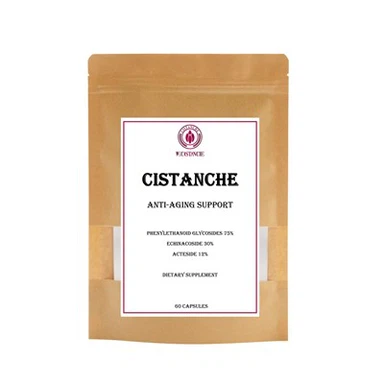
A Warming, Dampness-Draining Herbal Formula For Gout-Prone Joints: A Traditional Chinese Medicine (TCM) Approach Featuring Cistanche (Rou Cong Rong)
Oct 10, 2026
Gout is often described in modern terms as a condition associated with elevated uric acid and urate crystal deposition in joints and soft tissues-leading to intense episodes of joint pain, redness, swelling, and limited mobility. In Western care, management may include NSAIDs, colchicine, and uric-acid–lowering medications. These approaches can be effective, yet many people look for long-term lifestyle and nutritional strategies to support comfort and metabolic balance.
Traditional Chinese Medicine (TCM) offers a different lens. Rather than focusing only on the "surface heat and swelling," TCM practitioners may ask: What terrain allowed dampness and turbidity to accumulate in the first place?
This article introduces a TCM-style warming-yang and draining-dampness herbal formula concept-anchored by Cistanche (Rou Cong Rong)-for people who resonate with a pattern often described as Spleen–Kidney Yang deficiency with internal damp-turbidity. We'll walk from beginner-friendly concepts to the more technical formulation logic, so you can understand what the herbs are meant to do and why they are combined.
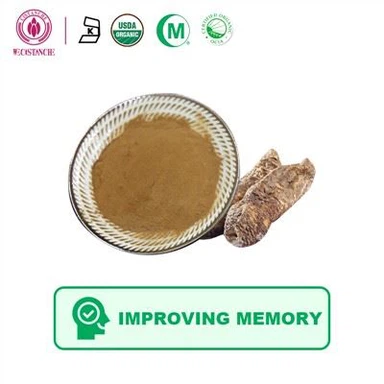
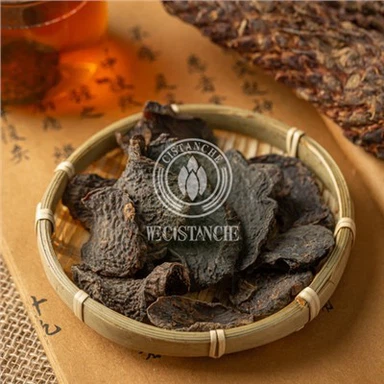
TCM HERB CISTANCHE BENEFITS IN MODERN MEDICINE TERMS

1) The TCM "Pattern" Perspective: Why Some People Keep Relapsing
Many TCM protocols for gout-like flare patterns emphasize clearing heat and draining dampness. This can be helpful when redness, heat, and acute swelling dominate. However, from a classical TCM standpoint, some individuals repeatedly relapse because the deeper terrain remains unchanged.
In TCM language, a common root pattern behind recurrent damp accumulation is:
Spleen Yang deficiency (weakened transformation/transport of fluids)
Kidney Yang deficiency (reduced warming/metabolic fire)
leading to damp-turbidity that can obstruct channels and joints
In plain English: some constitutions tend toward coldness, sluggish fluid metabolism, and damp build-up, which can contribute to recurring heaviness, stiffness, and sensitivity-especially when diet, stress, sleep, and hydration are not supportive.
2) The Core Strategy: "Warm Yang + Drain Damp + Unblock Channels"
This formulation strategy aims to:
Warm and tonify Kidney Yang (support foundational warmth and vitality)
Strengthen the Spleen and drain dampness (support fluid metabolism)
Separate the clear from the turbid (a TCM phrase linked to urinary/fluids pathways)
Unblock the channels and relieve pain (support comfortable movement)
Harmonize the formula for long-term suitability
A key idea in the source material is that the formula is designed to be:
warming but not overly drying or irritating
supportive for longer-term constitutional correction rather than only short-term symptom chasing
3) The Herbal Formula (Full Ingredient List)
The formula consists of the following herbs:
Ge Gen (葛根, Kudzu root)
Shan Yao (山药, Chinese yam)
Gui Zhi (桂枝, Cinnamon twig)
Bi Xie (萆薢, Dioscorea hypoglauca rhizome)
Yan Hu Suo (元胡, Corydalis yanhusuo)
Fu Ling (茯苓, Poria)
Bai Zhu (白术, Atractylodes macrocephala)
Rou Cong Rong (肉苁蓉, Cistanche)
Ba Ji Tian (巴戟天, Morinda officinalis)
Gan Cao (甘草, Licorice root)
Role-based design (Jun–Chen–Zuo–Shi)
In classic TCM formulation theory, herbs are organized by function:
Chief herbs (Jun / 君药):
Rou Cong Rong (Cistanche) + Ba Ji Tian (Morinda)
Purpose: Warm and tonify Kidney Yang; support the root constitution.
Deputy herbs (Chen / 臣药):
Fu Ling (Poria) + Bai Zhu (Atractylodes)
Purpose: Strengthen the Spleen; promote healthy fluid transformation and damp draining.
Assistant herbs (Zuo / 佐药):
Bi Xie, Yan Hu Suo, Ge Gen, Gui Zhi
Purpose: Help "separate clear/turbid," support pathways, move through obstruction, and support comfort.
Envoy / Harmonizer (Shi / 使药):
Gan Cao (Licorice)
Purpose: Harmonize the blend; support overall tolerance.

4) Suggested Ingredient Ratio (Weight Parts)
The formula provides a weight-part range:
Ge Gen: 10–30 parts
Shan Yao: 10–30 parts
Gui Zhi: 5–15 parts
Bi Xie: 10–20 parts
Yan Hu Suo: 5–15 parts
Fu Ling: 10–20 parts
Bai Zhu: 10–20 parts
Rou Cong Rong: 10–20 parts
Ba Ji Tian: 10–20 parts
Gan Cao: 3–10 parts
An example balanced ratio described is:
Ge Gen 20, Shan Yao 20, Gui Zhi 10, Bi Xie 15, Yan Hu Suo 10,
Fu Ling 15, Bai Zhu 15, Rou Cong Rong 15, Ba Ji Tian 15, Gan Cao 6

5) Dosage Forms (Product Development Friendly)
The composition is described as suitable for multiple "clinically acceptable" dosage forms, including:
Decoction (tea-like herbal soup)
Granules
Capsules
Tablets
Pills
General preparation concept
The method described is broadly:
extract with water or ethanol,
concentrate the extract,
add acceptable excipients,
produce the chosen dosage form.
Water extraction details (example):
use about 6–10× water relative to total herb weight
extract 2–3 times
each extraction about 40 minutes to 2 hours
Ethanol extraction details (example):
60–80% ethanol reflux extraction
extract twice
each extraction about 1–1.5 hours
For a Western "supplement" context, these extraction ranges translate into practical manufacturing choices (water extract vs. hydroalcoholic extract) that affect which compound families are emphasized, taste, and capsule fill weight.
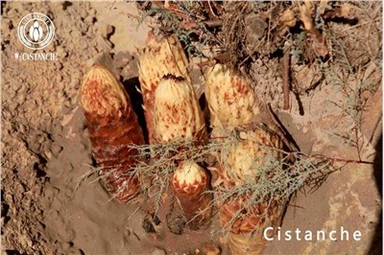
6) Why Cistanche (Rou Cong Rong) Is Central Here
In TCM, Rou Cong Rong is a well-known herb used to:
warm and support Kidney Yang,
nourish foundational vitality,
and traditionally support weakness patterns characterized by coldness and low drive.
In the logic of this formula, Cistanche is not used as a "single-ingredient fix." It is paired and balanced:
paired with Ba Ji Tian to reinforce the warming-Yang direction,
buffered by Fu Ling + Bai Zhu to support digestion and fluid handling (important for long-term use),
complemented by herbs like Bi Xie that traditionally guide damp-turbidity through the lower pathways, and
supported by Yan Hu Suo and Gui Zhi for comfort and channel flow.
This is a major difference between many Western "single-herb" approaches and classic TCM formulation thinking: the formula is engineered to be both effective and tolerable over time.
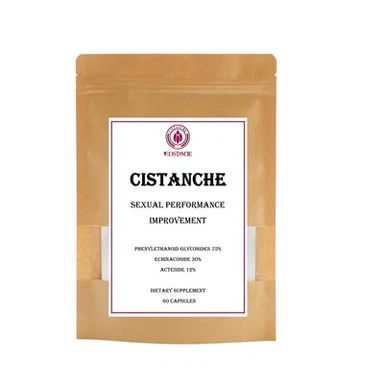
TCM HERB CISTANCHE SUPPLEMENTS FOR support Kidney Yang

7) The Clinical Use Narrative (As Provided)
The source text describes a typical use pattern in "courses," for example:
one daily formula, split into two servings, for 4 weeks as a course (decoction example)
It also includes an illustrative clinical comparison narrative (60 cases split into two groups over 8 weeks) suggesting improvements in symptom relief, uric-acid markers, and relapse rates with the warming/draining approach versus a purely "clear heat, drain damp" approach.
Important: This kind of clinical narrative is best treated as preliminary and context-specific. If you plan to sell in the US/EU/UK, you should avoid presenting it as conclusive proof and instead position it as traditional rationale + emerging interest, unless you have regulatory-reviewed substantiation.
8) Who This Pattern-Approach May Fit (Educational, Not Diagnostic)
In a TCM pattern framework, the "warming yang + draining damp" strategy is typically discussed for people who-outside of acute flares-tend to experience:
cold intolerance, cold hands/feet
low energy or sluggishness
heaviness, puffiness, or "damp" sensations
digestive weakness, loose stools, or fatigue after eating
lower back/knee weakness sensations
A qualified practitioner would differentiate patterns; not everyone with gout-like symptoms fits a yang-deficiency terrain.
9) Safety & Compliance Notes (Crucial for Western Audiences)
Herbs can interact with medications and may not be appropriate for everyone.
If you have gout, kidney disease, liver concerns, cardiovascular risk factors, or are pregnant/nursing, consult a licensed clinician before using herbs or supplements.
If you're taking medications (including urate-lowering drugs, anticoagulants, or anti-inflammatory agents), seek professional guidance.
Regulatory note (US/EU/UK supplement context):
This information is provided for educational purposes and does not diagnose, treat, cure, or prevent any disease.
Summary: A TCM-Inspired, Product-Development-Friendly Formula Concept
This warming-yang, dampness-draining formula concept emphasizes:
Cistanche (Rou Cong Rong) + Morinda (Ba Ji Tian) as the warming foundation,
Poria (Fu Ling) + Atractylodes (Bai Zhu) to support digestion and fluid metabolism,
and a set of assistants to promote channel comfort and damp-turbidity handling.
For brands exploring Cistanche-centered herbal products, this offers a clear formulation direction rooted in TCM pattern logic-designed not just for short-term relief, but for longer-term constitutional support.