Bio‑Active Compounds Extraction And Food‑Medicine Homologous Value Of Cistanche Deserticola
Oct 10, 2026
1. Introduction
Cistanche deserticola, widely nicknamed "desert ginseng", represents a precious food‑medicine homologous parasitic plant native to the arid desert zones of Northwest China. For thousands of years, local residents and traditional herbal practitioners have utilised this succulent desert plant as nourishing food and wellness raw material. In modern regulatory frameworks of China, Cistanche deserticola has been formally listed in the catalogue of food‑medicine homologous substances, which permits its safe application both in traditional herbal prescriptions and in commercial functional food manufacturing.
Rich in polysaccharides, phenylethanol glycosides, amino acids, sterols and multiple micro‑nutrients, Cistanche deserticola delivers multiple documented health‑promoting properties including immune‑modulation, antioxidant effects, fatigue alleviation and intestinal conditioning. Nevertheless, the functional performance of finished food or supplement products heavily depends on extraction workflows used to release these bio‑active components. Traditional household processing methods such as soaking and boiling can only extract limited fractions of target substances. Modern industrial extraction technologies are developed to maximise yield while preserving molecular activity of heat‑sensitive compounds.
Most original research papers concerning Cistanche deserticola are published in Chinese academic databases. International audiences, global botanical extract purchasers, formulators and health‑conscious consumers lack easy‑to‑read English popular‑science resources covering its core chemical properties, comparative extraction performance, real‑world food applications and market‑oriented development outlook. This article is compiled to fill such information gap. We systematically compare traditional and modern extraction technologies, interpret nutritional and functional characteristics of key active ingredients, elaborate its food‑medicine homologous value, list practical product cases, analyse existing bottlenecks and forecast promising development trends for global markets.
Disclaimer: This article summarises existing laboratory, animal‑model and preliminary food‑processing research outcomes. Cistanche deserticola and its extracts are botanical dietary raw materials, not prescription medicines. They cannot replace professional medical diagnosis or clinical treatment. Individual physiological responses vary significantly. All readers should consult qualified healthcare professionals before consuming herbal‑derived functional products.

2. Fundamental Characteristics and Nutritional‑Active Compounds of Cistanche Deserticola
2.1 General Nutritional Profile of Cistanche Deserticola
As a desert‑originated botanical resource, Cistanche deserticola accumulates comprehensive nutritional components essential for human metabolism. It contains various free and protein‑building amino acids; arginine and glutamic acid stand out among them. Arginine participates in human protein synthesis, supports vascular health and modulates energy metabolism pathways. Glutamic acid acts as key intermediate substance in body energy turnover and neurotransmitter synthesis. Both amino‑acid components contribute to physical vitality improvement when consumed as daily food ingredient.
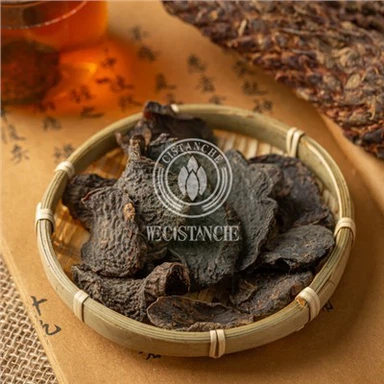
This herb also contains abundant B‑complex vitamins that facilitate carbohydrate, lipid and protein metabolism inside human bodies. For mineral nutrition, measurable calcium, magnesium and zinc can be detected in dried Cistanche raw material. Calcium and magnesium support bone tissue maintenance and normal muscle contraction; zinc takes part in immune‑cell development and multiple enzymatic reactions. Such multi‑dimensional nutritional composition explains why dried Cistanche slices can be directly added into soups and congee recipes in daily household cooking, bringing both nutritional supplementation and distinctive mild herbal flavour.
2.2 Core Bio‑Active Constituents and Their Chemical Properties
Beyond conventional nutrients, the therapeutic and wellness reputation of Cistanche deserticola mainly originates from several classes of specialised secondary metabolites: phenylethanol glycosides, phenylpropanoid compounds, plant polysaccharides and sterol substances. Each category carries unique chemical features and corresponding biological potentials.
Phenylethanol glycosides constitute the signature marker group of Cistanche deserticola. Echinacoside and verbascoside (acteoside) are two most representative molecules within this category. Structurally speaking, phenylethanol glycoside molecules are formed when phenylethanol aglycone connects with sugar moieties via glycosidic bonds. These compounds exhibit dual solubility: they dissolve well in polar solvents such as water, methanol and ethanol, yet barely dissolve in non‑polar organic solvents including petroleum ether and benzene. Chemically, phenylethanol glycosides remain relatively stable under acidic and neutral environmental conditions. However, strong‑alkaline surroundings may trigger glycosidic‑bond hydrolysis, destroy molecular configuration and cause partial or total loss of biological activity. Pre‑clinical experiments have validated their antioxidant capacity, neuro‑protective performance and immune‑regulating effects.
Phenylpropanoid compounds are another important fraction synthesised inside Cistanche tissue. Their basic molecular skeleton consists of benzene ring attached with three‑carbon side‑chain derived from phenylalanine precursor, covering simple phenylpropanoid monomers and lignan‑type derivatives. Simple phenylpropanoid substances demonstrate notable free‑radical scavenging capacity, which helps mitigate oxidative damage and support cellular health status.
Cistanche polysaccharides are macromolecular polymers assembled from multiple monosaccharide units linked by glycosidic bonds. Glucose, galactose and mannose serve as major monosaccharide building blocks for these polysaccharide molecules. Compared with many heat‑labile plant secondary metabolites, Cistanche polysaccharides possess relatively good thermal stability. They seldom undergo complete degradation under regular household cooking temperatures, so part of their bio‑activity can be retained after boiling or stewing processing. This property creates favourable prerequisites for its application in thermal‑processed food products.
Plant sterols extracted from Cistanche deserticola deserve special attention as well. Sterol compounds help stabilise biological membrane structures and participate in lipid‑level modulation. Preliminary research indicates appropriate intake of plant sterols may assist cholesterol management in human bodies. The co‑existence of multiple classes of active ingredients generates complex synergistic effects, instead of health benefits coming from only one single compound.
3. Extraction Technologies for Cistanche Deserticola Bio‑Active Substances
To obtain functional extracts for food and supplement manufacturing, researchers and factories need to separate target bio‑active substances from raw dried Cistanche tissue. Extraction efficiency is evaluated through multiple dimensions: total yield of active compounds, preservation of molecular bio‑activity, impurity content, production cost, energy consumption, solvent residue risk and industrial‑scale feasibility. Extraction approaches can be divided into traditional household‑oriented methods and modern advanced industrial‑grade technologies.
3.1 Traditional Extraction Approaches
Traditional extraction workflows originate from ancient food‑making and herbal‑processing experience, including hot‑water soaking, boiling extraction and alcohol‑infusion techniques. These methods feature simple operation requirements and low‑cost equipment, yet suffer clear limitations in extraction efficiency and active‑component retention.
Hot‑water soaking usually requires cutting dried Cistanche herb into small pieces and immersing plant material in hot water for around 24 hours. This long‑time soaking procedure can leach out water‑soluble substances such as polysaccharides and partial amino‑acid fractions. Nevertheless, considerable portions of phenylethanol glycosides and phenylpropanoid compounds remain trapped inside plant cell walls and cannot be fully released.
Boiling extraction mixes dried Cistanche material and water at solid‑liquid ratio of approximately 1:15. The mixture is kept boiling for 30 minutes before collecting liquid extract. Boiling treatment improves dissolution efficiency of water‑soluble components. But high‑temperature boiling environment poses risks: some temperature‑sensitive phenylethanol‑glycoside molecules may decompose under prolonged thermal exposure, leading to activity loss.
Alcohol infusion utilises high‑concentration alcoholic solvent for component dissolution, often paired with auxiliary ultrasonic treatment for about 30 minutes, which is effective for collecting phenylpropanoid‑type substances. Under laboratory testing conditions, conventional traditional approaches deliver limited recovery rate: total carbohydrate extraction can reach roughly 2.5 g per 100 g dried raw herb, while phenylethanol glycoside yield only achieves 0.8 g for every 100 g dry material.
In summary, traditional soaking, boiling and alcohol‑soaking are suitable for household daily consumption scenarios. For commercial functional‑food production relying on high‑concentration active‑ingredient extracts, traditional methods alone cannot satisfy technical requirements. Combining traditional processing with modern auxiliary technologies can optimise final yield and minimise degradation of valuable bio‑active molecules.

3.2 Modern Advanced Extraction Technologies
Modern extraction technologies adopt physical‑field assistance or special solvent systems to break plant cell barriers under relatively mild conditions, maximising component yield while avoiding excessive thermal damage. Widely researched technical routes include ultrasonic‑assisted extraction, microwave‑assisted extraction and supercritical‑carbon‑dioxide extraction.
Ultrasonic‑assisted extraction applies ultrasonic cavitation physical effects to disrupt plant cell walls. In representative laboratory optimisation trials, researchers adopted 70% ethanol solvent under 60 °C processing temperature with treatment duration of 15 minutes. Under these optimised parameters, the extraction rate of target soluble active substances can reach as high as 95%. This technology runs at moderate temperature settings, shortens processing cycles and raises overall recovery performance. Still, one obvious shortcoming cannot be ignored. When the equipment is enlarged for mass‑production batches, ultrasonic energy distributes unevenly inside large‑volume extraction tanks. Some zones fail to receive sufficient cavitation force, which will reduce the consistency of extraction outcomes across different batches. Therefore, ultrasonic‑assisted extraction works best for pilot‑scale experiments and raw‑material pre‑treatment, instead of full‑scale continuous industrial production.
Microwave‑assisted extraction leverages microwave thermal effect to enhance cell‑wall permeability. Typical lab‑scale parameters set microwave power near 100 W and processing time of 5 minutes. Under such conditions, extracted polysaccharide content can exceed 3 g per 100 g dried herb, and phenylpropanoid compound output can surpass 1.2 g per 100 g dried raw material. Microwave treatment drastically cuts processing time compared with traditional reflux boiling workflows. However, safety management and uniform‑heating difficulties exist when scaling microwave equipment to large‑volume industrial extraction tanks. Operators need strict radiation‑protection protocols, which raises factory construction and operation thresholds.
Supercritical‑carbon‑dioxide extraction attracts growing industrial interest due to its low‑temperature and solvent‑free advantages. Standard experimental parameters maintain pressure around 25 MPa, temperature of 40 °C and extraction duration of 1 hour. This technology is especially suitable for collecting lipid‑soluble heat‑sensitive components including sterol fractions and partial lipophilic phenylethanol glycoside derivatives. Since no organic solvent is applied during separation, solvent‑residue hazards are largely eliminated. It also lowers environmental pollution pressure and fits sustainable‑manufacturing concepts. The major disadvantage lies in expensive high‑pressure equipment investment, restricting its large‑scale widespread application for low‑margin bulk botanical‑extract production at current stage. It is mostly reserved for manufacturing high‑value special lipid‑related plant extracts.
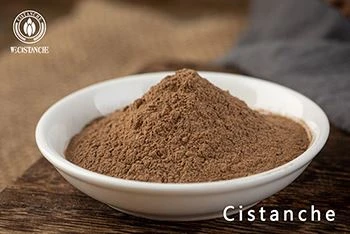
Condensate reflux extraction represents another commonly‑adopted intermediate‑level industrial technique. It is frequently deployed in food‑processing factories to prepare Cistanche liquid concentrates which are later spray‑dried or freeze‑dried into powder form for further food formulation. This technology relies on mature and affordable industrial hardware and delivers relatively stable product quality. Its downside is comparatively long heating period, which calls for precise temperature control to prevent partial deactivation of heat‑sensitive bioactive molecules.

3.3 Comparative Overview of Extraction Technologies
Hot‑water soaking features simple operation without chemical solvent addition, yet glycoside‑class active compounds cannot be fully dissolved out, making it fit for household cooking rather than commercial extract production. Boiling extraction is easy to implement and effectively dissolves polysaccharide substances, yet prolonged high‑temperature exposure creates risks of active‑component decomposition. It serves home‑made herbal soup preparation and crude preliminary extract work.
Alcohol infusion shows good dissolving capacity for phenylpropanoid substances. Nevertheless, flammable ethanol brings significant workshop safety risks, so it finds major application within herbal wine production projects.
Ultrasonic‑assisted extraction delivers high extraction yield under moderate‑temperature processing conditions, yet suffers uneven energy distribution in large tanks. Microwave‑assisted extraction greatly shortens processing duration and damages plant cell walls efficiently, but scaling‑up obstacles and radiation‑safety concerns limit its use mostly to laboratory research and small‑batch pilot manufacturing.
Supercritical‑CO₂ extraction works solvent‑free and provides outstanding protection for heat‑sensitive substances, but the extremely high capital cost for high‑pressure equipment prevents broad adoption for ordinary bulk raw‑material processing. Condensate reflux extraction benefits from mature industrial equipment and stable output performance, though relatively long heating cycles demand careful parameter tuning. This approach is widely used for mass production of food‑grade Cistanche extracts.
In real‑world food‑ingredient factories, single‑technology workflows are less common. Manufacturers tend to combine multiple extraction strategies. For instance, enzymatic pre‑treatment may be implemented before ultrasonic‑assisted ethanol extraction, so as to balance extraction yield, bio‑activity preservation, production cost and product safety indicators.
4. Food‑Medicine Homologous Health Value and Daily Consumption Patterns
Food‑medicine homology means certain natural substances can be utilised both as ordinary food for daily nutrition intake and as wellness raw material for physiological‑function support. Cistanche deserticola perfectly embodies this concept. Its health‑related benefits are supported by nutritional composition analysis and multiple pre‑clinical studies. It can be integrated into regular diet through multiple consumption patterns.
4.1 Immune‑Regulating Effects
Dried Cistanche deserticola contains approximately 2.5 g polysaccharides for every 100 g raw herb. Cistanche polysaccharides can enhance macrophage activity according to experimental observations, which further optimises body immune‑response capacity. It does not trigger excessive immune over‑activation, but helps maintain balanced immune status. People can obtain such nutritional support by adding dried Cistanche slices into stewed soups. One classic household recipe is Cistanche lamb soup: usually 30 g dried Cistanche slices stew together with lamb meat for 90 minutes. The finished soup delivers nourishing properties and unique herbal‑meat mixed flavour.
4.2 Energy‑Support and Gastrointestinal‑Conditioning Properties
Amino‑acid ingredients including arginine and glutamic acid inside Cistanche participate in human‑body protein synthesis and energy‑metabolism pathways. Regular moderate intake contributes to physical vitality maintenance. Plenty of practical consumption feedback and preliminary research indicate Cistanche food preparations deliver lubricating effects for intestinal tracts, helping improve gastrointestinal comfort for groups suffering from irregular bowel movements. As mild‑nature plant material, it can be continuously consumed in moderate dosage as daily dietary conditioning ingredient, rather than short‑term strong‑acting medicinal intervention.
4.3 Cardiovascular‑related Nutritional Support
Sterol compounds from Cistanche deserticola exhibit potential for assisting blood‑cholesterol regulation. Plant sterols compete with cholesterol for intestinal absorption sites, which may help maintain healthy blood‑lipid profile when incorporated within balanced daily diet. It should be emphasised that such function belongs to nutritional‑assistance effect, not therapeutic treatment for dyslipidaemia. People with diagnosed cardiovascular diseases still need to strictly follow physician's guidance for medication and dietary management.
4.4 Traditional Household Consumption Modes
For home‑based preparation, dried Cistanche slices can be stewed with mutton, prepared into congee together with rice grains, or steeped as herbal tea. In northern China folk custom, people prefer cooking Cistanche‑containing nourishing soups especially in cold winter seasons, combining with wolfberry, red dates and other nourishing food materials to reinforce overall nutritional value. Such folk‑diet customs have been passed‑down for hundreds of years.
5. Practical Application of Cistanche Deserticola in Modern Food Industry
With rising global market demand for natural‑origin functional food, food manufacturers keep exploring diversified product forms based on Cistanche raw material or concentrated extracts. After extraction and purification, active‑ingredient liquid can be transformed into liquid or powder intermediate raw materials, which are further incorporated into different finished‑product categories.
Functional beverages stand among the most popular commercialised product directions. Formulators often compound Cistanche extract together with wolfberry, jujube and other plant raw materials to create compound‑formula drinks balancing taste and nutrition. A typical 350 mL bottled ready‑to‑drink functional beverage contains roughly 150 milligrams of Cistanche extract, among which polysaccharide components account for approximately 40 milligrams. This kind of product mainly markets itself around antioxidant and immune‑support benefits, using ultrasonic‑assisted extraction to acquire core plant extract raw material.
Instant soup sachets greatly simplify household cooking workflows. Each independent sachet normally holds 15 to 20 grams of dried Cistanche slices. Consumers may directly place the content into boiling water alongside meat or vegetable ingredients for convenient stewing. Condensate reflux extraction is widely adopted to produce concentrated raw‑material for this product category, targeting nourishment and digestive‑comfort functions for end consumers.
Energy bars enriched with Cistanche represent another innovative product direction. Freeze‑drying powder technology is applied to retain polysaccharides and amino‑acid substances. A standard 50‑gram nutrition energy bar includes around 1000 milligrams of Cistanche extract. This solid‑form product is designed to supply energy and boost metabolism, attracting attention from fitness crowds and sports‑nutrition developers.
Bakery goods such as bread and pastries also start to integrate Cistanche extracts. Manufacturers add extract powder processed via condensate reflux extraction during food production. A single unit of baked product generally carries about 800 milligrams of Cistanche extract rich in polysaccharides and phenylethanol glycosides. These bakery products position themselves for supporting intestinal health and supplying antioxidant nutrition within people's daily staple‑food consumption.
Herbal wine is a classic application scenario for Cistanche. Alcohol‑solvent extraction helps draw out phenylethanol glycosides and sterol substances. A 500 mL bottle of Cistanche herbal wine contains roughly 2000 milligrams raw‑material equivalent extract. It is marketed for assisting immune modulation and supporting healthy lipid levels.
Disposable tea sachets belong to low‑threshold daily‑use consumer goods. Hot‑water extraction is utilised to obtain effective fractions of polysaccharides and amino acids. Each tea bag holds 300 milligrams raw‑material equivalent, delivering bowel‑comforting and digestion‑promoting effects for daily drinking.
Sports‑nutrition developers pay close attention to energy‑bar formulations enriched with Cistanche freeze‑dried powder, aiming to deliver fatigue‑relief and endurance‑support potential for fitness‑oriented consumers. Many sports‑related Cistanche products are still at prototype and research‑and‑development phase, waiting for further market validation.

6. Cultural Heritage behind Edible Value of Cistanche Deserticola
The application history of Cistanche deserticola stretches back more than two thousand years in Chinese civilisation. In the ancient Chinese classic herbal literature Shennong's Materia Medica, Cistanche was recorded as top‑grade nourishing botanical substance with mild‑nature property, suitable for long‑term regular consumption. In feudal‑era history, it was served as precious nourishing ingredient within royal palace cuisines. Meanwhile, desert‑zone common residents accumulated abundant practical experience applying Cistanche in folk home‑cooking recipes.
Such long‑lasting cultural inheritance profoundly shapes modern‑day consumer cognition. In contemporary wellness‑consumer groups, Cistanche gains popularity because it fits the concept of "daily mild nourishment via food" rather than short‑term intensive medical intervention. Regional food‑culture differences can also be observed: people living in northern China desert‑adjacent areas have developed mature custom of stewing Cistanche‑lamb soup in cold winter periods.
From cultural‑studies perspective, the evolution of Cistanche edible applications reflects people's continuously changing demands for healthy food: ancient people pursued physical‑strength nourishment relying on natural desert botanical resources; modern consumers expect industrialised convenient‑format food products derived from the same traditional raw‑material. Cultural background offers important market foundation for international promotion of Cistanche‑originated functional food products.
7. Future Research Directions and Industrial Development Potential
Although Cistanche deserticola possesses remarkable food‑medicine homologous value, multiple technical unknowns and industrial bottlenecks still remain. Academic communities and food‑manufacturing enterprises need to carry out further research work from several dimensions.
First of all, in‑depth research concerning stability and bioavailability of active ingredients within complex‑food‑matrix systems should be strengthened. Phenylethanol glycosides show promising antioxidant and anti‑fatigue effects in laboratory settings. However, how high‑temperature food‑processing procedures alter molecular activity of these compounds is not fully clarified. Systematic thermal‑resistance testing needs to be completed to guarantee sufficient residual‑activity inside final commercial food products. For Cistanche polysaccharides, molecular weight directly determines biological‑effect intensity. Enzymatic‑degradation and molecular‑modification technologies can be adopted to adjust polysaccharide‑molecular‑chain length, improving gastrointestinal‑absorption efficiency and overall bio‑utilisation rate.
Secondly, innovation targeting novel‑type finished food products needs continuous promotion. Development opportunities exist in convenient instant congee, plant‑based nutritional food series and diversified health‑care food categories. Particularly in sports‑nutrition market segments, compound formulations combining Cistanche extract with high‑quality protein and supplementary amino‑acid raw‑materials can be developed. Such innovative products may provide new options for post‑workout recovery and endurance‑capacity support, expanding market boundary for Cistanche food‑medicine‑homologous resource.
Thirdly, whole‑chain quality‑control‑system construction is urgently required for global‑oriented trade. Variation of planting‑geography, harvest‑season, storage‑condition and crushing granularity all generate fluctuation for active‑ingredient content inside raw dried herb material. Unified testing standards targeting marker compounds echinacoside and verbascoside should be implemented across planting, harvesting, extracting and finished‑product‑inspection stages. Reliable batch‑to‑batch consistency will enhance international buyers' confidence for imported Cistanche botanical raw‑materials.
Fourthly, high‑quality human‑subject clinical evidence is insufficient at current phase. Majority existing functional‑effect data originate from in‑vitro cell experiments and rodent‑animal‑model trials. More human‑volunteer clinical studies should be launched to verify practical oral‑consumption effects, safe‑dosage window and real‑world bio‑availability of Cistanche extracts for human population. Solid clinical‑research evidence will greatly accelerate registration progress of Cistanche‑based novel‑food and dietary‑supplement products in European, North‑American and Southeast‑Asian markets.
8. Frequently Asked Questions
Q1: Can Cistanche‑derived food or extract replace prescription medication for chronic diseases?
A: No. Cistanche deserticola is food‑medicine‑homologous botanical raw‑material. Existing pre‑clinical research demonstrates multiple potential health‑supporting properties, but it is not pharmaceutical medicine. It cannot substitute formal clinical treatment for chronic‑disease conditions. Patients must strictly follow professional physician's advice.
Q2: What is the difference between household boiling extraction and industrial‑grade modern extraction?
A: Household boiling belongs to traditional extraction approach, which is convenient for daily cooking, yet only partial water‑soluble components can be obtained. Industrial‑grade modern extraction technologies adopt physical‑field‑assisted workflows to raise total yield of phenylethanol glycosides and polysaccharides under controlled‑processing conditions, producing high‑concentration extract powder for functional‑food formulation.
Q3: Are Cistanche polysaccharides resistant against regular cooking high‑temperature treatment?
A: Compared with phenylethanol glycosides, Cistanche polysaccharides exhibit relatively better thermal stability. A portion of bio‑activity can survive household stewing temperature. Nevertheless, excessively long‑time high‑temperature processing will still cause partial degradation.
Q4: What main product forms of Cistanche can be found on global market?
A: Current commercial‑product series include dried raw herb slices, concentrated extract powder, ready‑to‑drink functional beverages, instant soup sachets, herbal wine, tea‑bag products and bakery‑food additives. Sports‑nutrition‑oriented prototype products are still mostly under research‑and‑development phase.

Q5: What quality indicators should global purchasers pay attention to when sourcing Cistanche extract raw‑materials?
A: Buyers need to confirm raw‑material botanical species, total phenylethanol glycosides assay value, echinacoside and verbascoside marker‑compound content, polysaccharide content, solvent‑residue testing report, heavy‑metal and microbial‑safety‑inspection certificates. Product quality differs significantly among various manufacturers.
9. Conclusion
Cistanche deserticola represents precious desert‑originated food‑medicine‑homologous plant resource from China. Its core bio‑active ingredients cover phenylethanol glycosides, polysaccharides, phenylpropanoid compounds and plant sterols. Each compound category carries distinct chemical‑property characteristics and pre‑clinically observed health‑related potentials.
Traditional extraction methods such as soaking and boiling are suitable for household food‑preparation scenarios, while their component‑recovery efficiency has evident limitations. Modern technologies including ultrasonic‑assisted extraction, microwave‑assisted extraction and supercritical‑carbon‑dioxide extraction can improve yield and preserve bio‑activity. Yet every technical route faces its own bottlenecks concerning equipment cost, scaling‑up feasibility and safety‑control requirements. Combined‑process workflows are expected to become mainstream for future industrial‑production.
From food‑medicine‑homology perspective, Cistanche deserticola delivers immune‑regulation, intestinal‑conditioning, nutritional‑supplementation and vitality‑support functions. It has been processed into diverse commercial‑product formats such as functional beverages, instant soup sachets, baked‑food additives and herbal‑tea products in modern food industry. Long‑standing Chinese food‑culture heritage lays solid foundation for its market promotion.
Multiple challenges still restrict further global‑scale industrial development: insufficient research regarding component stability inside food matrices, need for molecular‑optimisation research for polysaccharide fractions, demand for innovative finished‑product development, requirement of whole‑chain quality‑standard‑establishment and shortage of high‑quality human‑subject clinical‑trial data. Future work should focus on solving above‑mentioned obstacles, exploring novel‑type convenient‑consumption food and sports‑nutrition‑oriented products, expanding global‑market application of this valuable desert‑plant resource.
All consumers and industrial practitioners should maintain rational understanding: most functional‑effect evidence comes from laboratory and animal‑model research results, which should not be over‑interpreted as confirmed human‑therapeutic claims. Cistanche‑related food and extracts serve as nutritional‑supporting dietary options rather than medical‑treatment tools. As more high‑quality scientific research outputs are continuously published, human society will gain deeper comprehensive comprehension for this unique food‑medicine‑homologous botanical raw‑material.