Clinical Observation Of Cat Gut Embedding At Acupoint For Breast Enhancement Ⅱ
Apr 02, 2025
3. Standards of Breast Aesthetics
For many women, having full, healthy, and proportionate breasts is seen as an essential part of beauty and femininity. In traditional culture, breasts symbolize vitality and attractiveness, often described poetically as "heaven's natural beauty." This ideal aligns with the pursuit of a harmonious, natural aesthetic. However, perceptions of ideal breast aesthetics vary significantly across different cultures, regions, and individual preferences.
In Western countries, women tend to favor fuller, larger breasts that accentuate their curves. In contrast, Asian women often prefer smaller, more delicate shapes that emphasize subtle elegance and complement their leaner body types. Cultural differences, body structure, and social influences play a significant role in shaping these preferences.
Modern medical aesthetics evaluates breast beauty based on several key factors, often summarized as the "4S Principles":
Sharpness (S): Refers to the contour of the breast, highlighting smooth curves and a well-defined shape.
Size (S): Breast size should be proportional to the individual's body frame and preferences.
Symmetry (S): Breasts should be symmetrical in shape, size, and position.
Scars (S): Minimally visible or no scarring is a critical factor in aesthetic evaluations.
Additional factors, such as nipple-to-breast proportion, the position of the nipple-areola complex, and the degree of cleavage, also contribute to perceptions of breast aesthetics.
Modern surgical techniques, such as implants and autologous fat grafting, have made it easier to achieve these aesthetic standards. Fat grafting, in particular, allows for customization and natural enhancement, offering a safe and minimally invasive option for breast augmentation.

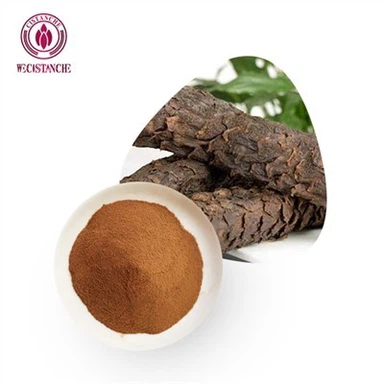
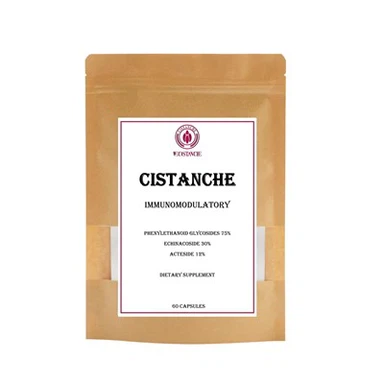
TCM herbal Cistanche Supplement For Breast Enhancement
Part 2: Discussion
1. Selection of Research Topic
With the growing focus on aesthetic ideals in modern society, breast enhancement has become a popular topic in both medical and cultural discussions. This research aims to explore autologous fat grafting as a safer, more natural alternative to traditional methods like implants. By combining advancements in modern medical technology with the principles of Traditional Chinese Medicine (TCM), this approach seeks to harmonize beauty with health.
2. Choice of Treatment Methods
2.1 Advantages of Autologous Fat Grafting
Autologous fat grafting involves harvesting fat from areas such as the abdomen, thighs, or hips via liposuction, purifying it, and reinjecting it into the breasts to enhance volume and shape. This technique offers several unique benefits:
Natural Results: Since the procedure uses the patient's own fat, the final results look and feel more natural compared to implants.
Dual Benefits: Fat grafting provides body contouring by removing excess fat from donor areas while enhancing breast volume.
Safety: No foreign materials are introduced, reducing the risk of rejection or allergic reactions.
Minimally Invasive: The procedure involves small incisions, resulting in minimal scarring and faster recovery times.

2.2 Mechanisms of Fat Survival
The success of fat grafting depends on the survival rate of the transplanted fat cells. Factors influencing fat survival include:
Injection Technique: Multi-layered, multi-point injections improve fat cell integration with existing tissue.
Vascularization: Ensuring adequate blood flow to the grafted fat enhances survival and reduces complications like fat necrosis.
Postoperative Care: Proper care, including avoiding pressure on the breasts and maintaining a healthy lifestyle, supports better outcomes.
From a TCM perspective, promoting qi and blood flow to the breasts through acupuncture or herbal medicine can further optimize fat survival and overall results.
2.3 Limitations of Fat Grafting
While autologous fat grafting is generally safe and effective, it has its limitations:
Volume Constraints: Fat grafting may not achieve the same dramatic size increases as implants.
Fat Resorption: Some of the grafted fat may be reabsorbed by the body, requiring touch-up procedures for optimal results.
Donor Fat Availability: Patients with low body fat may not have sufficient donor fat for grafting.
Despite these limitations, fat grafting remains a highly attractive option for women seeking natural, safe, and minimally invasive breast enhancement.

In conclusion, autologous fat grafting represents a significant advancement in breast enhancement techniques. By aligning modern medical practices with holistic principles, this method offers women a balanced approach to achieving their aesthetic and health goals.
3. Selection of Acupoints
Traditional Chinese Medicine (TCM) emphasizes the holistic regulation of the body when addressing breast health and enhancement. Acupuncture, combined with other TCM techniques, plays a significant role in this process by improving qi (energy) and blood circulation, nourishing the breasts, and promoting overall health.
Key Acupoints for Breast Enhancement
The following acupoints are commonly selected for their specific roles in promoting breast health and enhancing breast fullness:
Zhongfu (LU-1):
Located on the chest, this acupoint promotes qi circulation in the lung meridian and enhances the flow of qi and blood to the breast area.

Rugen (ST-18):
Found directly below the breast, this key point is used to stimulate the stomach meridian, supporting breast volume and firmness.

Dabao (SP-21):
This point connects the spleen meridian with the overall energy network of the body, improving blood production and overall nourishment.
Qihai (CV-6):
Located below the navel, this point strengthens the body's qi and improves energy flow, indirectly benefiting breast health.
Guanyuan (CV-4):
A vital point for nourishing the kidneys and promoting hormonal balance, which can influence breast development.
Tanzhong (CV-17):
Located at the center of the chest, this acupoint regulates qi circulation in the chest and helps relieve stagnation. It is particularly effective for addressing breast tenderness and improving fullness.
Other Points:
Points like Zusanli (ST-36) and Sanyinjiao (SP-6) are also used to enhance overall health, regulate the body's energy flow, and support the spleen, which is closely related to breast nourishment.
Method:
Acupressure, acupuncture, or moxibustion may be applied to these points in combination with herbal treatments and dietary adjustments. By activating these points, TCM aims to create a harmonious flow of qi and blood, which not only improves breast health but also enhances the body's overall vitality.
4. Selection of Observation Indicators
Modern research into breast enhancement, including autologous fat grafting, requires clear and measurable indicators to evaluate effectiveness. This study uses the following key observation indicators:
1. Fat Survival Rate:
The survival of grafted fat directly impacts the effectiveness of autologous fat grafting. Factors such as injection technique, vascularization, and postoperative care play a crucial role. Measuring the retention rate of fat over time is a primary indicator of success.
2. Breast Aesthetic Standards:
Aesthetic outcomes are evaluated based on symmetry, contour, volume, and natural appearance. The "4S Principles" (Sharpness, Size, Symmetry, Scars) are commonly used to assess breast aesthetics.
3. Breast-Q Scores:
The Breast-Q questionnaire is a validated tool for assessing patient satisfaction with breast appearance, as well as physical, psychosocial, and sexual well-being. Higher scores indicate greater satisfaction and improved quality of life.
4. Complications:
Monitoring for complications such as fat necrosis, infection, or asymmetry is essential for evaluating the safety of the procedure.
5. TCM-Based Indicators:
From a TCM perspective, improvements in qi and blood flow, relief of stagnation, and overall vitality are considered important indicators of success. Patients may report reduced tenderness, improved firmness, and an overall sense of well-being.
By combining modern medical evaluation methods with TCM principles, this study provides a comprehensive framework for assessing the effectiveness of autologous fat grafting for breast enhancement. This integrative approach ensures both aesthetic and holistic health outcomes, reflecting the growing trend toward personalized and natural solutions for breast health.