Aging And Renal Disease: Old Questions For New Challenges
Mar 09, 2023
Abstract:
Chronic kidney disease (CKD) is a growing problem among the aging population, and the number of individuals at risk of end-stage renal disease is rising. Part of the reason lies in an incomplete understanding of the pathways underlying renal aging and kidney disease, as well as insufficient delivery of evidence-based treatment for elderly patients with CKD. This review aims to address these unsolved issues by delineating updated mechanisms of renal senescence and summarizing recent findings on key clinical aspects of CKD in the elderly. Challenges and obstacles in caring for older people with CKD are discussed, with an emphasis on modification of risk factors, prevention of acute kidney injury, stabilization of progression, and decision on dialysis initiation.
Keywords:
aging, elderly, chronic kidney disease, acute kidney injury, end-stage renal disease, dialysis
Chronic kidney disease (CKD) is increasingly being recognized among the elderly population, which poses a significant challenge for clinicians around the world [1-3]. Many elderly people are diagnosed with CKD based merely on declining estimated glomerular filtration rate(eGFR) [4], but whether this is a process of normal aging or disease development remains controversial. In this review, we will first delineate differences between renal aging and kidney disease, and describe potential pathways and mechanisms underlying renal aging. These are followed by a discussion of recent findings regarding the epidemiology, risk factors, progression, and outcomes of CKD in the elderly.

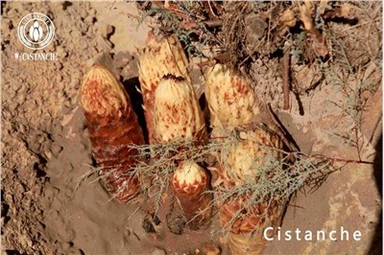
Pic: Herb Cistanche
Finally, updated recommendations about the care of older patients with CKD are provided, with an emphasis on modification of risk factors, prevention of acute kidney injury, stabilization of renal progression, and decision on dialysis initiation.

Table1:Structural and functional changes of the aging kidney.
Studies of healthy living kidney transplant donors have provided appropriate information on both structural and functional changes that occur with normal aging. Because kidney donors undergo a sequential of clinical evaluations, including renal function and image study to confirm health before donation. Pre-implantation biopsy of the renal allograft may provide renal tissues for structural evaluation. For example, in an observational study involving 1203 adult living kidney donors, Rule et al. observed a rising prevalence of nephrosclerosis with aging, from 2.7% for ages 18-29 years to 73% for ages 70-77 years, as determined by core needle biopsy of the graft kidney. They found a strong association between age and nephrosclerosis even after adjustment for kidney function and risk factor covariates such as diabetes and hypertension [11]. The diagnosis of CKD by eGFR<60 mL/min in older people has been criticized for overestimating the CKD burden in the elderly population because eGFRgenerally declines inversely with aging and reduction ofeGFR to 50-59 mL/min/1.73 does not increase mortality of risk among patients ≧65 years compared to patients with eGFR of more than 60 mL/min/1.73 m2[12,13]. Alternatively, a meta-analysis performed by Coreshet al. argued that even smaller decreases in eGFR could be associated with increased mortality and risk of end-stage renal disease (ESRD) [14]. This raises uncertainty about using the traditional eGFR thresholds of CKD to predict outcomes for the elderly. Therefore, there is a need for a more sensitive indicator or formula to estimate kidney function in the elderly.

Click on Cistanche herbs for decreasing chronic kidney disease
Recently, Delanaye et al. called for the age-adapted definition of CKD to avoid inappropriate care. They emphasized when using the eGFRdefinition for CKD diagnosis, CKD should be defined with respect to clinical outcomes or complications at the age-specific thresholds for eGFR. This argumentation is supported by observations that GFR may decline with aging without any sign of kidney damage for older living kidney donors, and the risk of mortality increases at higher eGFR among younger people than in elderly individuals.

Table 2: Risk factors for chronic kidney disease in the elderly.
Only a few studies have focused on risk factors for the development of CKD in older adults, despite a plethora of data within the general population (Table 2) [76, 77]. As mentioned earlier, CKD is a common disorder among aging populations, and the cause of which is likely multifactorial. The presence of diabetes, hypertension and glomerulonephritis, dyslipidemia, and cardiovascular diseases, as well as inappropriate use of non-steroidal anti-inflammatory drugs (NSAIDs) or herbal medicine, all play a part in triggering damage to the aged kidney with decreased physiological reserve [78]. Additionally, acute kidney injury (AKI), which often occurs during the course of acute illnesses is becoming a prominent risk factor for the subsequent development of CKD and ESRD [79, 80].

Pic: Cistanche can improve your kidney function
More and more patients with critical conditions are saved at the expense of AKI. In a systematic review and meta-analysis comprising 17 studies of patients with AKI,31.3% of surviving elderly patients (≧65 years) did not recover kidney function compared to 26% of younger patients [81]. These findings indicate elderly patients are less likely to recover from acute kidney injury (AKI), which likely reflects decreased reparative and regenerative potential of the aged kidney.

Pic: Cistanche can treat your kidney function
References:
[1]Fraser SDS, Roderick PJ (2019). Kidney disease in the Global Burden of Disease Study 2017. Nat RevNephrol, 15:193-194.