Aging Is Not The Onlt Way Changes in The Kidneys And Bladder
Dec 21, 2022
In the process of human aging, the functions of various organs will degenerate, and the urinary system is no exception. When the urinary system starts to go downhill, it will bring some health problems to the body. These "unspeakable secrets" indicate that the urinary system is aging or even sick, and we need your timely attention.
Age is not the only factor affecting kidney function
What is the aging process of the urinary system? Is there an inevitable and direct relationship with aging?
The urinary system includes the kidneys, ureters, bladder and urethra. The formation of urine is that the kidneys filter blood, pass through the renal papilla, calyces, renal pelvis, and ureter to the bladder, and finally pass through the urethra to excrete the body. About two-thirds of people gradually begin to experience a decline in the rate at which the kidneys filter blood between the ages of 30 and 40. Of course, 1/3 of the people did not change much, which shows that age is not the only factor affecting kidney function.

Click Here to get more info about
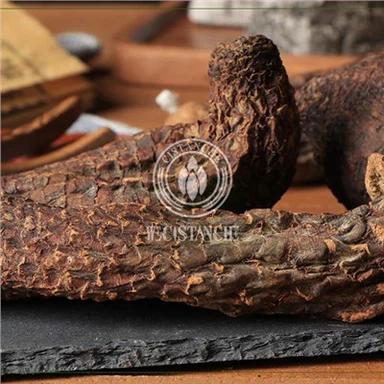
how cistanche improves the kidney and urinary system
ASK FOR MORE DETAILS:
wallence.suen@wecistanche.com 0015292862950
"Life Times": What are the main aspects of the aging of the urinary system?
The kidney loses about 1/5 of its weight between the ages of 40 and 80, but the loss of renal parenchyma is uneven, and the cortex is more severe than the medulla. The fat in the renal sinus increased, and the fibrosis of the renal interstitium also increased. After 70 years of age, the renal interstitium has obvious fibrosis due to decreased mucopolysaccharide concentration in the renal medulla. The interstitial tissue of the renal cortex is reduced, causing glomerular aggregation. These manifestations are similar to the kidneys of hypertensive patients. Secondly, the blood vessels change, the intima thickens, and the blood vessels gradually harden and narrow. Because narrowed arteries may no longer supply enough blood to a normal-sized kidney, this can cause the kidneys to filter blood more slowly. Accompanying these losses is the nephron's ability to excrete waste and many medications, and to concentrate or dilute urine and excrete waste better. In healthy older adults, kidney function declines very slowly. However, chronic diseases such as diabetes and high blood pressure, and some drugs will cause greater damage to the kidneys, and severe cases can lead to renal failure.

The ureter does not change much with age, but the bladder changes significantly after the age of 50, and the maximum urine volume that the bladder can hold will decrease. Some people experience an increased urge to urinate and a decreased ability to delay urination. Slowing of the flow of urine from the bladder into the urethra. This is because the detrusor muscle of the bladder wall begins to weaken with age, and the elasticity of the bladder decreases, gradually unable to hold as much urine as before. Weakness of the bladder wall and pelvic floor muscles, making it more difficult to empty the bladder. With the aging of these bladder control functions, such as frequent urination, urgency, and urinary incontinence will appear.
The urethra also ages. In women, this may be due to the weakening of the pelvic floor muscles, combined with the drop in estrogen levels during menopause, the female urethra becomes shorter and the lining thinner. These changes in the urethra reduce the ability of the urethral sphincter to close tightly, increasing the risk of urinary incontinence. Other causes of incontinence include being overweight, nerve damage from diabetes, certain medications, and caffeine or alcohol intake. The enlarged prostate mostly squeezes urethral obstruction in older men.
Urinary Discomfort Seriously Affects Later Life
It is worth mentioning that this mRNA vaccine, ARCoV, developed by Abbott Bio, has excellent stability and can remain stable (at least 6 months) at normal refrigerator temperature (2-8°C) for a long time, which provides great convenience for the application of mRNA vaccine to the public. In comparison, Moderna's mRNA vaccine needs to be stored and transported at -20°C (stable at 2-8°C for 30 days), and BioNTech needs to be stored and transported at -70°C for transport (stable at 2-8°C for 5 days). Vital Times: Is there enough concern about urinary health among the elderly in China? Are there some misconceptions that need to be clarified or some concepts that need to be emphasized?
In China, the elderly are seriously under-attended to urinary health, and many of them think that they start to urinate frequently and urgently as they get older. In fact, frequent and urgent urination, as a category of irritation, is more likely to occur when the pelvic floor muscles are dysfunctional during the body's aging process, coupled with reduced modern work, increased long-term sedentariness, poor coordination of the urinary tract, psychological factors such as anxiety and depression, and damage to peripheral nerves from diabetes, all of which can accelerate the aging of the urinary system.
What health problems are associated with aging of the urinary system? Are there differences between men and women?

The urethra of the elderly will gradually become fibrotic and less elastic. In women, the aging urethra is more prone to urinary tract infections, urinary incontinence and urethral mucosal prolapse. And the elderly bladder muscle atrophy capacity gradually reduced, easy to form diverticula, specifically for the night urine frequency increased, bladder residual urine increased, etc..
The increase in connective tissue in the male prostate will cause the prostate to increase in size to varying degrees. When the prostate enlarges to a certain extent, it will cause pressure on the urethra, which can cause poor urination or even acute urinary retention.
Frequent urination is also a common problem among the elderly, with normal people urinating 4 to 6 times during the day and 0 to 2 times at night. If the number of urination exceeds this range, it is frequent urination. Urinary urgency refers to a sense of urgency to urinate and the inability to hold urine once the urge to urinate comes. Urgency is usually accompanied by frequency of urination. Painful urination is a pain felt in the urethra, bladder and perineum when urinating. The degree of pain varies a lot and should be seen promptly to avoid delaying the condition.
Elderly people who urinate a lot at night and sleep poorly can cause poor mental status the next day, and in some cases, cause the risk of falls or brain hemorrhage. Increased nocturnal urination is not just a result of a smaller bladder capacity, but in some elderly people, there may be insufficient secretion of anti-diuretic hormones at night, and more urine is made at night when the urine cannot be concentrated. Such elderly people can be given anti-diuretic hormone treatment at night or take diuretics in the afternoon to get rid of the water in the body first and reduce the trouble of excessive urination at night. Of course, specific medication should be administered under the guidance of a specialist.
What new technologies have emerged for the treatment of urological diseases in the elderly and what are their advantages?
Qi Lin: In recent years, many new technologies have emerged for the treatment of urological diseases in the elderly. Minimally invasive surgery, represented by laparoscopic and robot-assisted surgery, has greatly reduced the pain of elderly patients and improved their quality of life. Urological cancers such as bladder cancer, kidney cancer and prostate cancer are treated in a personalized way to preserve maximum organ function. New techniques such as nephrostomy, pelvic bladder diversion, early ureteral stent implantation, urinary flow diversion, in situ neobladder reconstruction and prostate laser enucleation can obtain a better quality of life for patients. For elderly people with voiding dysfunction, rapid progress has been made in the treatment of female stress urinary incontinence using trans-occlusive slings, the diagnosis and treatment of interstitial cystitis, and the treatment of intractable lower urinary tract symptoms with sacral nerve electrical stimulation.
Early diagnosis and treatment, no suffering from urinary frequency and incontinence
What are the most important points to slow down the aging of the urinary system and protect their health?
Epidemiological surveys show that aging, chronic diseases, infections, stones, and tumors are some of the major problems of the urinary system in the elderly. after the age of 40, annual physical examinations of the condition of the bladder, kidneys, and prostate are needed for early intervention, regulation of nutrition, exercise, sleep, and weight loss, drug or surgical treatment according to symptoms if clearly diagnosed, and regular review and follow-up.
What are the special considerations in daily care for men and women, respectively?
Qirin: For older men, don't blame prostate enlargement whenever you have urination problems. In addition to this, there is likely to be a lack of contraction of the forced urinary muscles, which causes difficulty in urination. Clinically, 1/3 of older adults who have prostate surgery will feel no improvement in their symptoms or even worse afterwards. The contraction of the bladder muscle declines, or overactive bladder syndrome causes lower urinary tract symptoms, and in some cases coexists with prostatic hypertrophy. Therefore, addressing only the prostate enlargement does not necessarily improve the patient's true urinary function and their lower urinary tract symptoms.

Women can also have problems with overactive bladder, urinary incontinence, and atrophic inflammation of the urethra as they get older. Some can be improved by estrogen supplementation, while others require surgery, and early medical consultation is recommended for a comprehensive evaluation by a specialist.
In conclusion, elderly people with urinary problems should not assume that they are caused by normal aging physiology, but behind these symptoms may be hidden many anatomical or neurological dysfunctions of the bladder and urethra. Only by insisting on annual medical checkups and early diagnosis and treatment can the elderly be healthy and happy and free from the pain of frequent urinary incontinence.