Alcohol Extract Of Cistanche Deserticola: Cardiovascular Secrets Revealed in Rat Experiments
Jan 17, 2025
Guanhua Cistanche: The 'Magical Grass' in the Desert
In the vast and boundless desert, there grows a mysterious and precious plant - Cistanche deserticola. It is like a treasure gifted by nature, growing tenaciously in harsh environments. It not only possesses unique plant characteristics but also demonstrates extraordinary value in the field of traditional medicine.

cistanche deserticola ma
Cistanche tubulosa (Schenk) Wight is a perennial parasitic herbaceous plant belonging to the Cistanche family. Its plant height is usually between 60-100 centimeters, with the aboveground part being about 30-35 centimeters high. The stem is relatively thick, with a base diameter of up to 3-4 centimeters, and is not branched. The leaves are triangular, with a length of about 2-3 centimeters and a width of about 5 millimeters. They are milky white and turn brown when dried. The leaves growing on the upper part of the stem gradually become narrower, forming a lanceolate or triangular lanceolate shape.
The inflorescence of Cistanche deserticola is spike-shaped, with a length of 12-18 centimeters and a diameter of approximately 5-6 centimeters. The bracts are oblong-lanceolate or ovate-lanceolate, measuring 2-2.7 cm in length and 5-6.5 mm in width. The edges are covered in soft hairs, but both sides are hairless; There are two small bracteoles, which are spoon-shaped or linear-lanceolate, measuring 1.5-1.7 cm in length and 2.5 mm in width, and also nearly hairless. The sepals are cylindrical, measuring 1.5-1.8 cm in length, with 5 lobes at the top to near the middle. The lobes are milky white in color, nearly equal in size, and long ovate triangular or lanceolate in shape, measuring 0.6-1 cm in length and 2.5-3 mm in width. After drying, they turn yellow-white. The corolla is cylindrical funnel-shaped, 4 cm long, with 5 lobes at the top. The lobes are purple at the bud and turn brown when dried. It is nearly equal in size and nearly circular, 8 mm long and 1 cm wide, with no hair on both sides. The capsule is oblong in shape, measuring 1-1.2 centimeters in length and 7 millimeters in diameter. The seeds are mostly round and turn dark brown when dried, with a network pattern on the outside.
This plant is extremely picky about its growth environment, mainly distributed in deserts at an altitude of about 1200 meters, and needs to parasitize on the roots of plants in the genus Tamarix to survive. Worldwide, Cistanche deserticola is distributed in countries such as Iran, Iraq, Kenya, Libya, Pakistan, and Tanzania; In China, it is mainly produced in the southern part of Xinjiang, especially in Minfeng County and Yutian County in Hotan Prefecture, where the abundance of Cistanche deserticola is the largest.

Cistanche deserticola flower
In the long history of traditional Chinese medicine, Cistanche deserticola occupies an important position. Its fleshy stem with scales and leaves can be used as medicine. It has a warm nature, a sweet and salty taste, and significant effects such as tonifying kidney yang, nourishing essence and blood, moistening intestines, and promoting bowel movements. In the Compendium of Materia Medica, it is recorded that "Cistanche deserticola has a sweet and slightly warm taste. It is known for its five functions and seven injuries, as well as its ability to nourish the middle, relieve cold, heat, and pain in the stem, nourish the five organs, strengthen yin, nourish essence and qi, and treat women's ailments. Long-term use of Cistanche deserticola can lighten the body." This fully demonstrates its outstanding value in regulating the body and treating diseases.
In ancient times, Cistanche deserticola was often used to treat symptoms such as impotence, infertility, soreness and weakness of the waist and knees, and muscle and bone weakness caused by kidney yang deficiency and deficiency of essence and blood. For patients with intestinal dryness and constipation, it can also play a good role in moisturizing the intestines and promoting bowel movements, helping patients relieve pain. Moreover, Cistanche deserticola also has the function of regulating the body's immune function, enhancing the body's resistance, and promoting physical fitness.
With the development of modern medicine, the medicinal value of Cistanche deserticola has been further studied and validated. Modern research has shown that Cistanche deserticola contains various bioactive components, such as echinacoside and verbascoside, which have various pharmacological effects such as antioxidant, anti-aging, neuroprotective, and immune regulating properties. This has also attracted much attention in the field of modern medicine, providing valuable resources for the development of new drugs and health products.
Research on alcohol extracts: opening the door to modern medical exploration

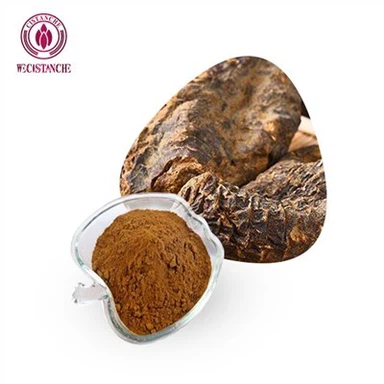
cistanche extract powder
To further explore the medicinal value of Cistanche deserticola, researchers have focused on its ethanol extract and conducted a series of studies on its effects on blood biochemical indicators and cardiovascular function in rats. This research has extremely important significance. It can not only provide a solid scientific basis for the modern application of traditional Chinese medicine, promote the modernization process of traditional Chinese medicine, but also open up new avenues for the prevention and treatment of cardiovascular diseases, bringing benefits to human health.
In the relevant experiments, researchers carefully selected a group of healthy rats and randomly divided them into multiple groups. Among them, one group served as the control group and was given regular feed and normal treatment; The other groups served as experimental groups and were given different doses of ethanol extract of Cistanche deserticola. The administration method adopted gavage to ensure that the ethanol extract could accurately enter the rat body and exert its effects. After a period of continuous administration, researchers conducted comprehensive testing on rats.
They collected blood samples from rats and conducted detailed tests on various biochemical indicators in the blood using advanced biochemical analysis techniques. These indicators include multiple aspects such as blood routine, liver function, kidney function, blood lipids, and blood glucose. By analyzing these indicators, researchers can understand the impact of the alcohol extract of Cistanche deserticola on the overall health status of rats.
At the same time, researchers also used specialized instruments and techniques to conduct in-depth evaluations of the cardiovascular function of rats. They tested the blood pressure, heart rate, electrocardiogram, and other indicators of rats to observe the direct effect of the ethanol extract of Cistanche deserticola on the cardiovascular system. In addition, anatomical and pathological analysis was conducted on the heart tissue of rats to explore the effects of alcohol extract on heart structure and function at the microscopic level.

Phenylethanol glycoside is the main active component of Cistanche deserticola
Blood biochemical indicators: health codes in subtle changes
In the experiment on the ethanol extract of Cistanche deserticola in rats, the detection results of blood biochemical indicators revealed the effects of the ethanol extract on the physical functions of rats. The research results showed that low-dose ethanol extract of Cistanche deserticola significantly increased the serum ALT content in rats (P<0.05). ALT, is alanine aminotransferase, which mainly exists in the cytoplasm of liver cells. When liver cells are damaged, ALT is released into the bloodstream, leading to an increase in serum ALT levels. This phenomenon suggests that low-dose ethanol extract of Cistanche deserticola may have some effect on rat liver cells, promoting an increase in ALT release. However, this does not necessarily mean that the liver has been damaged. It is possible that the alcohol extract has triggered some physiological response in liver cells, causing changes in the synthesis and release mechanism of ALT. Previous studies have shown that certain drugs or natural extracts, at appropriate doses, can regulate the metabolism and function of liver cells, leading to changes in ALT levels.
However, it is noteworthy that the effects of low, medium, and high doses of the alcohol extract of Cistanche deserticola on other blood biochemical indicators were not significant (P>0.05). This includes red blood cell count, white blood cell count, platelet count, as well as AST (aspartate aminotransferase) and ALP (alkaline phosphatase) in liver function indicators, creatinine and urea nitrogen in kidney function indicators, total cholesterol, triglycerides, low-density lipoprotein cholesterol, high-density lipoprotein cholesterol, blood glucose indicators, etc. in blood lipid indicators. This indicates that within the dose range set in the experiment, the ethanol extract of Cistanche deserticola did not have a widespread and strong effect on the overall blood biochemical status of rats, and its effect was relatively limited to regulating ALT levels. This result provides important clues for further studying the safety and specific effects of the alcohol extract of Cistanche deserticola, suggesting that the alcohol extract may have unique targets and mechanisms of action, rather than causing comprehensive disturbances to various biochemical indicators of the body.

Desert ginseng-Protect cardio cerebral blood vessels
Cardiovascular function: multidimensional impact exploration
In terms of cardiovascular function, the performance of the alcohol extract of Cistanche deserticola is also noteworthy. The research results showed that low, medium, and high doses of the alcohol extract of Cistanche deserticola had no significant effect on the activity of three cardiac enzymes (lactate dehydrogenase LDH, creatine kinase CK, and aspartate aminotransferase AST) in rats (P>0.05). These three myocardial enzymes have important physiological functions in myocardial cells, and LDH participates in glycolysis and gluconeogenesis processes, playing a key role in energy metabolism; CK mainly catalyzes the interconversion between creatine and phosphocreatine, providing energy for muscle contraction; AST is involved in the metabolism of amino transfer in the body. The ethanol extract had no significant effect on their activity, indicating that under the experimental conditions, the ethanol extract of Cistanche deserticola did not significantly interfere with the basic metabolism and functions of cardiomyocytes, which to some extent suggests the safety of the ethanol extract on cardiomyocytes.

Desert ginseng-Improve immunity
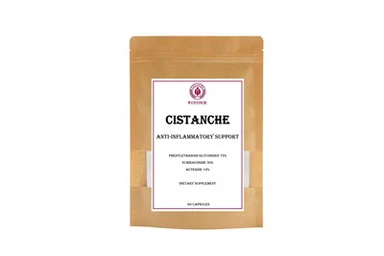
Click here to view Cistanche Enhance Immunity products
【Ask for more】 Email:cindy.xue@wecistanche.com / Whats App: 0086 18599088692 / Wechat: 18599088692
It is worth mentioning that the levels of Ang II (angiotensin II) in the low and medium dose groups were significantly lower than those in the control group (P<0.05). Ang II is an important component of the renin-angiotensin system, which has a strong vasoconstrictive effect, can increase blood pressure, promote cell proliferation and hypertrophy, and participate in pathological processes such as cardiovascular remodeling. The discovery that low and medium doses of alcohol extract from Cistanche deserticola can reduce Ang II levels is of great significance. It may imply that the alcohol extract can alleviate the risk of vasoconstriction and cardiovascular remodeling by inhibiting excessive activation of the renin-angiotensin system, thereby providing some protection to the cardiovascular system. This may provide new potential targets and mechanisms of action for the prevention and treatment of cardiovascular diseases by Cistanche deserticola.
However, the study also found that the ethanol extract of Cistanche deserticola had no significant effect on the changes in EPO (erythropoietin) activity and ALD (aldosterone) levels (P>0.05). EPO is mainly produced by the kidneys and can promote the production of red blood cells, maintaining the body's oxygen transport capacity; ALD is a mineralocorticoid that plays an important role in water-salt metabolism and blood pressure regulation. The effect of alcohol extract on them is not significant, possibly because within the dosage and time range of the experiment, the alcohol extract has not yet reached the threshold that can affect the secretion and regulation of these hormones, or the effect of alcohol extract on them is relatively weak and compensated by the body's regulatory mechanism.
In addition, the ethanol extract of Cistanche deserticola showed a certain decreasing trend in the smooth muscle movement indicators of the carotid artery in rats (P>0.05). The movement state of carotid smooth muscle is closely related to the vasomotor function of blood vessels, and the decrease in its movement indicators may suggest the potential vasodilatory effect of alcohol extracts. Although this trend is not statistically significant, it still provides valuable clues for further research on the effects of the alcohol extract of Cistanche deserticola on vascular function. Perhaps at higher doses or for longer periods of time, the effect of alcohol extract on carotid smooth muscle movement will be more pronounced, thereby exerting a positive regulatory effect on vascular relaxation function.
Research conclusion: The preliminary effect of an alcohol extract from Cistanche deserticola
Based on the above research results, we can see that the ethanol extract of Cistanche deserticola has a certain impact on the blood biochemical indicators and cardiovascular function of rats. Although low, medium, and high doses of the alcohol extract of Cistanche deserticola have no significant effect on most blood biochemical indicators, low doses can significantly increase the serum ALT content in rats. This suggests that the alcohol extract of Cistanche deserticola may have unique effects on liver metabolism or functional regulation, and further in-depth research is needed.
In terms of cardiovascular function, although the ethanol extract of Cistanche deserticola has no significant effect on the activity of three myocardial enzymes, EPO activity, and ALD levels, the low and medium dose groups can significantly reduce Ang II levels and have a decreasing trend in carotid smooth muscle movement indicators. This indicates that Cistanche deserticola ethanol extract has potential positive effects in regulating angiotensin levels and affecting vascular contractile function. This discovery provides important experimental evidence for the adjuvant treatment of cardiovascular diseases with Cistanche deserticola, suggesting that Cistanche deserticola may become a potential drug resource for the prevention and treatment of cardiovascular diseases.
However, current research still has certain limitations. For example, the experiment was only conducted on a rat model, and further clinical trials are needed to verify its applicability to humans. Moreover, the specific mechanism of action of the ethanol extract of Cistanche deserticola is not fully understood, and how its active ingredients act on relevant targets and regulate physiological processes still needs to be further explored. Future research can further investigate the mechanism of action of the alcohol extract of Cistanche deserticola by expanding the sample size and conducting human trials, providing a more solid theoretical basis and practical guidance for its application in the treatment of cardiovascular diseases. I believe that with the continuous deepening of research, the "magical fairy grass" of Cistanche deserticola in the desert will play a greater role in maintaining human health.

Cistanche deserticola experiment
Future outlook: The path of exploration never stops
The research on the ethanol extract of Cistanche deserticola has opened a new window for us to understand the medicinal value of this traditional Chinese medicinal herb, but this is only the beginning. Looking ahead to the future, the research direction of the ethanol extract of Cistanche deserticola in the medical field is very broad.
In terms of basic research, we need to further explore the mechanism of action of the ethanol extract of Cistanche deserticola. Clarifying how its active ingredients precisely act on cellular and molecular targets, as well as how to regulate related signaling pathways, will reveal the inherent mystery of the efficacy of the ethanol extract of Cistanche deserticola. For example, regarding its ability to reduce levels of angiotensin II, we need to conduct in-depth research on which components in the alcohol extract achieve this regulatory effect through specific molecular mechanisms, which will help us better understand its protective effect on the cardiovascular system.
Conducting human clinical trials is a crucial step in applied research. Only through rigorous human trials can we determine the safety and efficacy of the ethanol extract of Cistanche deserticola in humans, providing solid evidence for its clinical application. Meanwhile, based on the characteristics of the alcohol extract of Cistanche deserticola, the development of new drug formulations and treatment plans is also an important research direction for the future. For example, developing dosage forms that can improve the bioavailability of alcohol extracts, enabling them to be better absorbed and utilized by the human body, thereby enhancing therapeutic efficacy.
In addition, combining cutting-edge technologies in modern medicine such as gene editing and stem cell therapy, exploring the potential application value of the alcohol extract of Cistanche deserticola in these emerging fields also has enormous potential. Perhaps in the future, the ethanol extract of Cistanche deserticola can be combined with these advanced technologies to bring new hope for the treatment of some difficult-to-treat diseases.