Research Progress On The Medicinal Value And Establishment Of Artificial Culture System Of Cistanche Deserticola
Jan 13, 2025
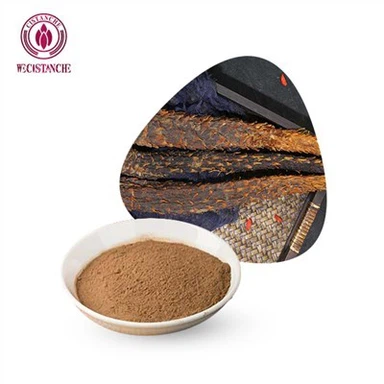
Herb Cistanche is a member of the Orobanchaceae family,Cistanche, also known as Jingsun, Zongrong, Rousongrong, Dijing, and Dayun, is a commonly used traditional Chinese medicine. It was first recorded in the "Shennong Bencao Jing" and has a sweet, salty, and warm nature. It has the functions of tonifying kidney yang, nourishing essence and blood, moistening intestines, and promoting bowel movements. It is known as the "desert ginseng" and can be used as both medicine and food. Its main medicinal ingredients are phenylethanoid glycosides (PeG), including echinacoside, acetonide, 2 '- acetyl syringide, and cistanoside A. In recent years, Cistanche deserticola has been commonly used as an anti-aging and anti-cancer drug, especially in health products where Cistanche deserticola extract is mostly added.

Cistanche deserticola florescence
Research progress on the medicinal value of Cistanche deserticola
As a commonly used ingredient in traditional Chinese medicine, Cistanche deserticola has a long history of use. The "Shennong Bencao Jing" lists it as a top-grade Chinese medicine with the effect of tonifying the kidneys and strengthening the yang. Modern research has also found that Cistanche deserticola can significantly improve the sexual function of mice and significantly enhance memory. Its medicinal functions mainly include improving sexual function, enhancing body immunity, neuroprotection, antioxidant effect, promoting metabolism, enhancing physical strength and anti-fatigue, protecting the liver, anti-tumor, anti-radiation, improving memory, anti-atherosclerosis, anti-aging, Protect myocardial cells and other I1-3 cells.
The research on Cistanche deserticola began in the 1980s. With the continuous development of detection technology and extraction methods, at least 61 chemical components have been extracted from Cistanche deserticola, including hydrocarbons, alkaloids, flavonoids, amino acids, phenylethanoid glycosides, iridoids, D-mannitol, β - sitosterol, polysaccharides, and inorganic trace elements.
Phenylethanoid glycosides (PeGs), polysaccharides from Cistanche deserticola, and betaine are the main bioactive components of Cistanche deserticola, and their pharmacological effects vary. PeGs can regulate endocrine function, promote metabolism, eliminate free radicals, and have anti-aging effects; The combination of iridoid glycosides and polysaccharides from Cistanche deserticola can enhance the immune function of the body; Betaine has anti-fatty liver, anti-tumor, vasodilatory and antihypertensive effects 6-7. The main reason for its medicinal value is that Cistanche deserticola contains phenylethanoid glycosides, iridoid glycosides, various other glycosides, and small molecular substances.

cistanche benefits for men
1.1 Phenylethanoid Glycosides (PeGs)
Phenylethanoid glycosides play a role in resisting adverse stimuli, enhancing memory, and promoting yang in Cistanche deserticola, and their content is relatively high in Cistanche deserticola, A total of 22 small molecule compounds were isolated, which are the most active pharmacological compounds in Cistanche deserticola. They mostly coexist with cyclohexene ether terpenes in plants and are mostly amorphous powders easily soluble in water and methanol. PeGs often have hydroxyl and methoxy groups attached to the phenethyl group; There are usually acetyl, caffeoyl, feruloyl, coumaroyl, cinnamoyl, vanillyl, or rhamnose, arabinose, celery sugar, glucose, and other sugar groups attached to the sugar group. In addition, there are also groups such as sinapyryl, syringe or galactose, xylose, glucose, etc.
PeGs have antibacterial and anti-inflammatory effects by inhibiting the activity of Staphylococcus aureus and suppressing the release of nitric oxide in macrophages; They can also reduce the content of reduced glutathione in the liver by inhibiting the increase of liver alanine transaminase activity and the formation of malondialdehyde, thereby protecting the liver; By increasing the activity of superoxide dismutase (SOD) and glutathione peroxidase, and reducing the content of lipid peroxides in the brain and liver, it can enhance memory and delay aging; By increasing the activity of creatine kinase in myocardial tissue and protecting cell mitochondria, PeGs can protect myocardial cells. At the same time, PeGs can also clear free radicals in the body, prevent DNA damage caused by radiation damage, and have anti-tumor effects.

Main Chemical Constituents of Cistanche deserticola
1.2 Cycloterpenoid glycosides
The cyclohexene ether terpenes in Cistanche deserticola are cyclic monoterpene derivatives formed by the synthesis of vanillin from pyrophosphate, followed by enolization and intramolecular aldol condensation reactions. It has two basic skeletons: iridoid with cyclopentane and secoiridoid with cyclopentane cracking. The most basic parent nucleus of cyclohexene ether terpenes is cyclohexene ether terpenes, which have cyclic ether and alcohol hydroxyl groups. Due to the active nature of alcohol hydroxyl groups, these compounds mostly exist as glycosides. Its glycosides are roughly divided into ordinary iridoid glycosides, cleaved iridoid glycosides, 4-substituted iridoid glycosides, iridoid glycosides with oxygen bridges between positions 3 and 10, Valeriana and Plumeria type iridoid glycosides. Cycloterpenoid glycosides are active ingredients in many natural medicines and have a wide range of biological activities. In recent years, pharmacological studies have found that iridoid glycosides can induce axonal growth, counteract neuronal apoptosis, and thus have a protective effect on the nervous system; At the same time, it can also alleviate edema caused by inflammation and have anti-inflammatory effects; In the study of rats, iridoid glycosides can inhibit the expression level of AGEs receptor mRNA in renal cortex, reduce the effect of diabetes nephropathy 8, partially restore the dynamic balance of NO and ET, protect vascular endothelial cells, and improve the vascular complications caused by diabetes. Cycloterpenoid glycosides can also reduce serum transaminase TNF-α, The activity of iNOS in the liver, and the enhancement of reduced glutathione (GSH) activity; Weakening peroxidation and restoring the liver's ability to synthesize CYP2E1 have a protective effect against acute liver injury. In addition, studies have found that iridoid glycosides have good effects in anti-tumor and immune enhancement, and have a positive impact on the cardiovascular system The digestive system is in good condition.

cistanche 200mg
The health benefits.
1.3 Carbohydrates
Carbohydrates are one of the effective components of Cistanche deserticola. Determination of the extract of Cistanche deserticola revealed that it mainly consists of monosaccharides, oligosaccharides, and polysaccharides. Monosaccharides mainly include glucose, galactose, and xylose; Oligosaccharides are mainly mannose and sucrose. Polysaccharide substances are the most prominent in Cistanche deserticola and play an important role in the development of new drugs both domestically and internationally, especially in the research of anti-tumor and anti-aging drugs. According to the free radical theory and telomere theory, the length of free radicals and telomeres in the body is crucial for aging. When free radicals accumulate in large quantities in the body, they can cause peroxidation of unsaturated fatty acids on the cell membrane, leading to changes in membrane structure and functional damage, thereby producing substances such as malondialdehyde and lipofuscin. These substances can synthesize lipofuscin, which hinders the transmission of substances and information between cells and accelerates cell aging and death. The length of telomeres shortens with the increase of DNA replication. When it reaches a certain limit, the stability of chromosomes will be lost, and cells will lose their ability to divide and proliferate, reaching the stage of cell proliferation failure and entering the aging stage. The length of telomeres is closely related to the activity of telomerase. The higher the activity of telomerase, the longer the telomeres and the better the stability of chromosomes, which increases the number of cell divisions and prolongs lifespan. Research has found that polysaccharides from Cistanche deserticola can significantly reduce the content of malondialdehyde in heart, brain, and liver tissues, and significantly increase telomerase activity in these tissues. At the same time, they can promote lymphocyte proliferation, enhance the body's cellular immune regulation ability, and delay aging.
1.4 Other components
Various other components have also been isolated from Cistanche deserticola, including crude fat, lignin, vitamins, minerals, selenium, saturated fatty acids, unsaturated fatty acids, and amino acids. These substances play an essential role in the nutrition, detoxification, anti-cancer, anti-tumor, and antioxidant properties of Cistanche deserticola. In addition, 10-11 compounds such as β - sitosterol, carotenoids, succinic acid, tridecyl alcohol, caffeic acid glycolipids, betaine, mangiferin, allantoin, galactitol, triterpenoids, phenolic glycosides, monoterpene glycosides, alkaloids, flavonoids, etc. have been isolated from Cistanche deserticola. These active ingredients play important roles in the efficacy and medicinal value of Cistanche deserticola.
Research progress on the artificial cultivation system of Cistanche deserticola
In recent years, the medicinal and health value of Cistanche deserticola has gradually been recognized by people, leading to a surge in demand for Cistanche deserticola in the market. However, the wild resources of Cistanche deserticola are decreasing, resulting in an increasingly significant supply-demand contradiction. Therefore, promoting the cultivation of Cistanche deserticola on a large scale through artificial cultivation to increase its yield has become an urgent issue. However, due to the special parasitic plant - Haloxylon ammodendron, which grows in harsh desert climates, it is relatively difficult to establish an artificial cultivation system and promote it quickly. Therefore, many researchers now use plant cell culture technology to produce Cistanche deserticola instead of wild Cistanche deserticola, which may be one of the effective ways to solve this resource shortage problem.

Old Man and Cistanche deserticola
According to statistics, there are about 20 species of Cistanche in the world and 7 species in China. China's Cistanche deserticola is mainly distributed in the desert edge desert areas within the range of 36 ° -37 ° north latitude. It spans six provinces and regions including Qinghai, Inner Mongolia, Shaanxi, Gansu, Ningxia, and Xinjiang. Its growth environment is very harsh, with a dry climate, strong sunshine, annual precipitation of less than 250 mm, drastic temperature changes, strong winds and sand, and poorly developed soil. The upper layer is thin, rough in texture, and lacks organic matter. So to protect the wild resources of Cistanche deserticola and meet the sustainable development of clinical medicine and the traditional Chinese medicine industry, large-scale artificial cultivation is an effective way to solve these problems. As early as 1985, artificial planting experiments were successfully conducted in deserts in China, but there was no large-scale development until Guo Yuhai's research group13 first used fluoroketone to induce the germination of Cistanche deserticola seeds. The germination, inoculation with host roots, development, and growth processes of Cistanche deserticola seeds and Cistanche tubulosa seeds were explained in detail and systematically. At the same time, seed treatment agents and inoculation fusion agents were invented, which improved the germination rate and field inoculation rate of Cistanche deserticola and Cistanche tubulosa seeds. The methods and quality standards for determining the germination rate of Cistanche deserticola and Cistanche tubulosa seeds were established, and the planting standards for Cistanche deserticola and Cistanche tubulosa were established. The planting standards for Cistanche deserticola and Cistanche tubulosa were also improved. Complete cultivation techniques for Cistanche deserticola. In the process of artificial cultivation of Cistanche deserticola, Chinese scientists have made great contributions in the prevention and control of diseases and pests, and have achieved good results, providing guarantees for the large-scale artificial cultivation of Cistanche deserticola.
In addition, in terms of environmental governance, Professor Guo Yuhai and others have successfully introduced Cistanche deserticola into the saline-alkali areas of North China, providing new ideas for generating economic benefits while managing the environment. The various primary and secondary metabolites produced by plant cell culture are renewable resources with inexhaustible biomass, and their production is carried out in factories without being affected by geographical environment and climate. Large-scale cultivation using bioreactors can replace artificial cultivation and field growth, meeting the needs of the market. As early as the 1980s, Japanese researchers used bioreactors for the suspension culture of ginseng cells and extracted ginsenosides from ginseng cells, proving that their medicinal effects were the same as those of wild ginseng. Subsequently, plant cells were cultured in fermentation tanks to produce the drug, Zicao Ning, with a market share of 43% in Japan. In China, the production of Taxus chinensis cells using cell culture technology to extract the anti-cancer drug paclitaxel has achieved initial success. It can be seen that using cell culture technology to produce Cistanche deserticola cells and extracting effective ingredients from Cistanche deserticola cells is one of the effective ways to produce related drugs.

cistanche supplement near me
Click here to view Cistanche Enhance Immunity products
【Ask for more】 Email:cindy.xue@wecistanche.com / Whats App: 0086 18599088692 / Wechat: 18599088692
3 Summary
In recent years, Cistanche deserticola has had unique effects on medical and health care due to its high content of active substances, playing an important role in disease treatment and body health care. In addition to being a traditional laxative and yang-boosting medication, its anti-tumor, anti-fatigue, anti-aging, and immune-enhancing effects have also been recognized in recent years, and its potential for application is enormous; At the same time, health products mainly made from Cistanche deserticola have gradually emerged,
I believe that shortly, Cistanche deserticola health products will occupy a place in the market. In-depth research on the effective components and mechanisms of action of Cistanche deserticola is a prerequisite for the development of the Cistanche deserticola industry. Cistanche deserticola has high medicinal and health value. Cistanche deserticola and its host plants have excellent sand prevention and fixation effects, as well as improving the ecological environment. Large-scale cultivation not only meets market demand but also provides an effective way to improve the ecological environment. In addition, by establishing a cell culture system for Cistanche deserticola and cultivating a large number of Cistanche deserticola cells to extract effective ingredients, not only can the cost of artificial cultivation be saved and the production cycle be reduced, but the content of effective ingredients in Cistanche deserticola can also be increased, greatly meeting market demand, reducing ecological damage, and promoting the improvement of production efficiency.
Reference:
[1] Tu Pengfei, He Yanping, Lou Zhicen, Investigation and Resource Protection of Cistanche deserticola Medicinal Sources [J]. Chinese Herbal Medicine, 1994, 25 (4): 205-208
[2] Tu Pengfei, He Yanping Research on the Chemical Components of Cultivated Cistanche deserticola [J]. Natural Product Research and Development, 1997, 9 (2): 7-10
[3] Tu Pengfei, He Yanping, Lou Zhicen Herbal verification of Cistanche deserticola [J]. Chinese Journal of Traditional Chinese Medicine, 1994, 19 (1): 3-5
[4] Moriya A,TuP,KarasawaD,et al.Pharmacognostical studies of Cistanche Herba(①)[J].Nat Med,1995,49(4):383-393.
[5]Han J, Zhong J J.Efects of oxygen partial pressure on cell growth and ginsenoside and polysaccharide production in high-density cell cultures of Panax noto ginseng[J].Enzyme and Microbial Technology,2003,32(6):498-503.
[6] Li Linlin, Wang Xiaowen, Wang Xuefei, etc The anti-lipid peroxidation and anti-radiation effects of total glycosides from Cistanche deserticola [J]. Chinese Journal of Traditional Chinese Medicine, 1997, 22 (6): 364-367
[7] Xue Dejun, Zhang Ming, Wu Xiaohong, etc Research on the anti-aging active ingredients of Cistanche deserticola [J]. Chinese Journal of Traditional Chinese Medicine, 1995, 20 (11): 687-689
[8] Xu H Q, Hao H P. Effects of iridoid total glucoside from Comus officinalis on prevention of glomerular overexpression of transforming growth factor beta 1 and matrixes in an experimental diabetes model [J].Biol Pharm Bull,2004,27(7):1014-1018.
[9] Zhang Hongquan, Li Yuan, Song Yuanyuan The effect of polysaccharides from Cistanche deserticola on immune cells and telomerase activity in aging mice [J]. Chinese Journal of Pharmacy, 2011, 46 (14): 1081-1083
[10] Chen Miaohua, Liu Fengshan, Xu Jianping Study on the chemical constituents of Cistanche deserticola, a traditional Chinese medicine for tonifying kidney and strengthening yang [J]. Chinese Journal of Traditional Chinese Medicine, 1993, 18 (7): 424-426
[11] Liu Xiaoming, Jiang Yong, Sun Yongqiang, etc Research on Chemical Components of Cistanche deserticola [J]. Chinese Journal of Pharmacy, 2011, 46 (14): 1053-1057
[12] Sun Yongqiang, Zheng Xingguo, Lu Zhongyuan, etc Preliminary Study on the Resources and Artificial Cultivation of Cistanche deserticola in Xinjiang [J]. Resources and Environment in Arid Regions, 2003, 17 (3): 123-126
[13]Wang HL, Guo YH, Cai Z C, et al, Effect of fluridone on seed germination of Cistanche tubulosa [J].China J Chin Mater Med,2006,31(19):1638-1639.
[14] Li Zhiyong Cell Engineering [M]. Beijing: China Science Press, 2003
[15] Zhu Zhiqing Plant Cell Engineering [M]. Beijing: Chemical Industry Press, 2003