Anti-Aging Effectiveness Of Avocado Peel Extract Ointment (Persea Americana Mill.) Against Hydration, Collagen, And Elasticity Levels in Wistar Rat Part 2
Jul 14, 2023
3.4 Evaluation of Anti-Aging Activity
In the evaluation of the anti-aging activity of the avocado peel methanol extract ointment, it was assessed through 3 parameters including hydration, collagen, and elasticity.
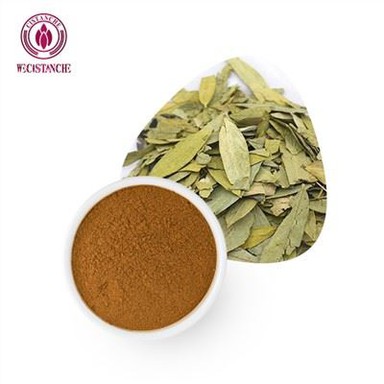
Glycoside of cistanche can also increase the activity of SOD in heart and liver tissues, and significantly reduce the content of lipofuscin and MDA in each tissue, effectively scavenging various reactive oxygen radicals (OH-, H₂O₂, etc.) and protecting against DNA damage caused by OH-radicals. Cistanche phenylethanoid glycosides have a strong scavenging ability of free radicals, a higher reducing ability than vitamin C, improve the activity of SOD in sperm suspension, reduce the content of MDA, and have a certain protective effect on sperm membrane function. Cistanche polysaccharides can enhance the activity of SOD and GSH-Px in erythrocytes and lung tissues of experimentally senescent mice caused by D-galactose, as well as reduce the content of MDA and collagen in lung and plasma, and increase the content of elastin, have a good scavenging effect on DPPH, prolong the time of hypoxia in senescent mice, improve the activity of SOD in serum, and delay the physiological degeneration of lung in experimentally senescent mice With cellular morphological degeneration, experiments have shown that Cistanche has the good antioxidant ability and has the potential to be a drug to prevent and treat skin aging diseases. At the same time, echinacoside in Cistanche has a significant ability to scavenge DPPH free radicals and has the ability to scavenge reactive oxygen species and prevent free radical-induced collagen degradation, and also has a good repair effect on thymine free radical anion damage.

Click on Maca Ginseng Antioxidant Cistanche
【For more info:george.deng@wecistanche.com / WhatApp:86 13632399501】
3.4.1 Hydration
The level of skin hydration in all groups of rats can be seen in Table 4.
From the Table 4 data below, it can be seen that the level of skin hydration of all treatment groups at the beginning of the study was uniform, this can be seen from the P-value > 0.05 (P-value = 0.559). After 4 weeks of treatment, there was a significant change in the level of skin hydration in all treatment groups, this can be seen from the P-value < 0.05. After 4 weeks of treatment, the group of rats that received the highest concentration of ointment showed the highest average level of skin hydration, which was 49.60%, followed by a lower concentration of 7.5% (46.20%), 5% (38.60%), and 2.5%. (38.00%). Changes in the level of skin hydration before and after treatment were described by the percentage change in skin hydration which also showed significant changes (P-value < 0.05) with the highest change found at a concentration of 10%, namely 88.40% and the lowest in the control group, namely 43.34%.
3.4.2 Collagen
The description of skin collagen levels in all groups of rats can be seen in Table 5.

From the table data above, it can be seen that the level of skin collagen from all treatment groups at the beginning of the study was uniform, this can be seen from the P-value > 0.05 (P-value = 0.913). After 4 weeks of treatment, there was a significant change in skin collagen in all treatment groups, this can be seen from the P-value < 0.05. After 4 weeks of treatment, the group of rats that received the highest concentration of ointment showed the highest average skin collagen level of 40.20%, followed by a lower concentration of 7.5% (38.40%), 5% (36.40%), and 2.5% (34.40%). Changes in the level of skin collagen before and after treatment were described by the percentage of changes in skin collagen which also showed significant changes (P-value = 0.001) with the highest change found at a concentration of 10%, namely 60.00% and the lowest in the dick group, namely 25.00%.
3.4.3 Elasticity
The description of skin elasticity levels in all groups of rats can be seen in Table 6.
From the Table 6 data below, it can be seen that the level of skin elasticity of all treatment groups at the beginning of the study was uniform, this can be seen from the P-value > 0.05 (P-value = 0.900). After 4 weeks of treatment, there was a significant change in skin elasticity in all treatment groups, this can be seen from the Pvalue < 0.05. After 4 weeks of treatment, the group of rats that received the highest concentration of ointment showed the highest average skin elasticity level of 68.20%, followed by a lower concentration of 7.5% (61.20%), 5% (58.40%), and 2.5%. (57.00%). Changes in the level of skin elasticity before and after treatment were described by the percentage change in skin elasticity which also showed a significant change (P-value < 0.05) with the highest change found at a concentration of 10%, namely 44.63% and the lowest in the control group, namely 8.33%.

4. DISCUSSION
The results of this study indicate that the methanol extract of avocado peel contains phytochemicals in the form of alkaloids, tannins, phenols, flavonoids, and glycosides. Then the phenolic, flavonoid, and tannin content of the avocado peel methanol extract was 59.55 GAE mg/gram extract, 2.96 QE mg/gram extract, and 22.63 TAE mg/gram extract. The results of this study are in line with the research of Kamaraj et al. [29], namely, avocado peel extract contains phytochemicals in the form of alkaloids, flavonoids, phenols, tannins, and glycosides. Then according to Rochma [30], avocado peel extract contains phytochemicals in the form of flavonoids and alkaloids. In addition, according to the phytochemical test in Putri's research [31], avocado peel extract contains alkaloids and flavonoids. Fauziah et al. [32] also researched avocado peel and obtained the results of avocado peel extract containing phytochemical tannins, flavonoids, and anthocyanins. Ernawati & Sari [33] also researched avocado peel extract and obtained phytochemical content from the avocado peel, namely saponins, alkaloids, and flavonoids. According to research by Aminah et al. [7], the total flavonoid content of the ethanolic extract of avocado peel is 4,0122 mg QE/gram extract. According to research by Vinha et al. [34], avocado peel from Alvarian contains a total phenol content of 679.0 GAE mg/100-gram extract and a total flavonoid of 44.3 QE mg/100-gram extract.
This study stated that there was an increase in hydration, collagen, and elasticity levels after treatment by applying avocado peel extract ointment. According to various studies, the avocado peel contains various phytochemicals that can act as anti-aging agents. According to research by Vinha et al. [34], the avocado peel contains phenols, flavonoids, carotenoids, vitamin C, and vitamin E. According to research by Kim et al. [35], phenolic compounds can increase collagen synthesis by accelerating the formation of fibrils. According to research by Leheta et al. [36], deep peeling using phenol is effective for treating post-acne atrophic scars. Collagen is the most abundant component of the extracellular matrix, a protein that determines skin physiology by maintaining skin structure and enabling its various functions. The extracellular matrix retains water and supports smooth and firm skin. Oral administration of collagen supplements can also improve skin hydration, elasticity, and smoothness [37].

This study is on the theory that polyphenols increase the proliferation and production of collagen in fibroblasts. To minimize the formation of wrinkles, stimulation of collagen synthesis as well as renewal of damaged collagen fibers is essential. Restoration can be achieved due to MMP inhibition which modulates the expression and production of matrix metalloproteinases via activation of AP-1 and NF-B. Tyrosine which is also one of the phenolic compounds can suppress the synthesis of melanin. Phenols and flavonoids have a structure similar to tyrosine, therefore phenols and flavonoids can also act as inhibitors of substrate analogs against melanogenesis [38]. This study is on the theory of Anggraini et al. [39], that the flavonoid, phenol, and terpenoid components inhibit the production of elastase, an enzyme that degrades elastin so that skin elasticity is maintained.
This study also agrees with the theory that vitamin E (α-tocopherol) used as a component of skin products has anti-inflammatory and antiproliferative effects in concentrations between 2 and 20%. It works by smoothing the skin and increasing the ability of the stratum corneum to retain moisture, accelerating epithelialization, and contributing to skin protection [40]. Moisturizing agents can be categorized into several groups, namely occlusive moisturizers, humectants, and intercellular lipids in the stratum corneum (SC). Occlusive and humectant ingredients are the most formulated ingredients in moisturizing product components because they have a mixture of fats that can restore skin moisture. The mechanism of the moisturizer to hydrate the skin is to reduce transepidermal water loss (TEWL) and attract water to hydrate the SC and epidermis. Some materials that can reduce the occurrence of occlusive TEWL include petroleum, paraffin, dimethicone, Cyclomethicone, and mineral oil [41].
The results of this study are in line with the research of Silitonga [42], where avocado peel extract in a peel-off gel mask preparation affects the anti-aging effect with the highest concentration showing an increase of 7.5% where at this concentration it shows an increase in skin condition for the better, including increased skin hydration levels, smoother skin, smaller pores, reduced number of blemishes and the most significant reduction in the number of wrinkles during four weeks of treatment. Efriana's research [43] also states that avocado peel extract made in sheet mask preparations can also increase skin hydration. According to Fabitiary's research [44], the use of avocado peel masks can increase skin moisture.
5. CONCLUSION
This study indicates the administration of avocado peel extract ointment increased the average hydration, collagen, and elasticity level compared to the control group, positively correlated with the increase of the duration and the quantity of avocado peel extract ointment given. The best formulation that gives the most significant effect is 10% avocado peel extract ointment by increasing levels of hydration, collagen, and elasticity the most significantly.

CONSENT
It is not applicable
ETHICAL APPROVAL
All experiments have been approved by Health Research Ethics Committee from Universitas Prima Indonesia with registration no. 007/KEPK/UNPRI/XI/2021.
ACKNOWLEDGEMENT
The authors thanked the Department of Pharmacology, Faculty of Medicine, Universitas Prima Indonesia for supporting this research, and also thanked all those who have helped to complete this research.
COMPETING INTERESTS
The authors have declared that no competing interests exist.
REFERENCES
1. Garza L. Developmental Biology of the Skin. In: Sewon K, Masayuki A, Anna LB, Alexander HE, David JM, Amy JM, Jeffrey SO. Fitzpatrick's Dermatology, Ninth Edition. McGraw-Hill Education. The US; 2019.
2. Weihermann AC, Lorencini M, Brohem CA, Carvalho. Elastin Structure and its Involvement in skin photoaging. International Journal of Cosmetic Science; 2016.
3. Nur S, Rumiyati, Lukitaningsih, Endang. Skrining aktivitas antioksidan, antiaging, dan penghambatan tyrosinase dari ekstrak kulit etanolik dan etil asetat daging buah dan kulit buah langsat (Lansium domesticum Corr) Secara in vitro. Tradiotional Medicine Journal. 2017;22(1): 63-70
4. Zhang Shoubing, Duan Enkui. Fighting against skin aging: the way from bench to bedside. Cell Transplant. 2018;27(5):729- 738. DOI: 10.1177/0963689717725755. Epub 2018 Apr 25. PMID: 29692196; PMCID: PMC6047276.
5. Yupitawati A, Astuti Y, Nurulita NA. Uji Aktivitas Anti Aging Tetrahidrokurkumin, Ekstrak Pegagan (Centella Asiatica), dan Kombinasi Tetrahidrokurkumin - Esktrak Pegagan. Universitas Muhammadiyah Purwokerto; 2017.
6. Haerani A, Chaerunisa AY, Subarnas A. Artikel Tinjauan: Antioksidan Untuk Kulit. Farmaka. 2018;16(2):135-147.
7. Aminah, Tomayahu N, Abidin Z. Penetapan Kadar Flavanoid Total Ekstrak Etanol Kulit Buah Alpukat (Persea americana Mill.) Dengan Metode Spektrofotometri UV-VIS. Jurnal Fitofarmaka Indonesia. 2017;4(2):226-230.
8. Wulandari G, Rahman AA, Rubiyanti R. Uji Aktivitas Antibakteri Ekstrak Etanol Kulit Buah Alpukat (Persea americana Mill) Terhadap Staphylococcus aureus ATCC 25923. Media Informasi. 2019;15(1):74-79.
9. Yahya A, Sulistyowati. Aktivitas Anti Bakteri Biji dan Kulit Buah Alpukat (Persea americana Mill.) Terhadap Aerobacter aerogens dan Proteus Mirabilis. Jurnal Tekik Waktu. 2015;13(2):1412-1867.
10. Rotta EM, Morais DRD, Biondo PBF, Santos VJD, Matsushita M, Visentainer JV. Use of avocado peel (Persea americana) in tea formulation: a functional product containing phenolic compounds with antioxidant activity. Acta Scientiarum Technology. 2016;38(1):23-29.
11. Yuan AVHS. Uji Efek Anti-Inflamasi Ekstrak Metanol Kulit Alpukat (Persea americana Mill.) Pada Mencit Jantan Galur Swiss Terinduksi Karagenin 1%. Universitas Sanata Dharma. Yogyakarta; 2017.
12. Nugraha GAF. Efek Pemberian Ekstrak Etanol 70% Daun Karamunting (Rhodomyrtus tomentosa (Aiton) Hassk) Topikal Terhadap Gambaran Histopatologi Ketebalan Serat Kolagen Penyembuhan Luka Insisi Kulit Tikus Putih Galur Wistar. Fakultas Kedokteran Universitas Tanjungpura. Pontianak; 2016.
13. Hernani MY, Mufrod M, Sugiyono S. Formulasi Salep Ekstrak Air Tokek (Gekko gecko L.) Untuk Penyembuhan Luka. Majalah Farmaseutik (Pharmaceutics Journal). 2012;8(1):120-126.
14. Djuanda, Adhi. Ilmu Penyakit Kulit Dan Kelamin. Edisi ketujuh. Balai Penerbit FKUI. Jakarta; 2017.
15. Balqis U, Masyitha D, Febrina F. Proses Penyembuhan Luka Bakar Dengan Gerusan Daun Kedondong (Spondias Dulcis F.) Dan Vaselin Pada Tikus Putih (Rattus Norvegicus) Secara Histopatologis. Jurnal Medika Veterinaria. 2014;8(1):9-13.
16. Hanum IT, Laila Lia. Evaluation of the antiaging and anti-acne effect of Andaliman (Zanthoxylum Acanthopodium Dc.) ethanolic extract peel-off gel mask. Asian Journal of Pharmaceutical and Clinical Research. 2018;11(Special Issue 1).

17. Choi S, Youn J, Kim K, Joo DH, Shin S, Lee J, Cha HJ. Apigenin inhibits UV-induced cytotoxicity in vitro and prevents signs of skin aging in vivo. International Journal of Molecular Medicine. 2016;38: 627-634.
18. Prasetyo BE, Rafika D, Laila L, Aminah F. Physical Evaluation and Anti-Aging Effect of Red Bean Ethanolic Extract (Vigna angularis (Wild.) Ohwi & Ohashi) Peel-Off Gel Mask. Open Access Macedonian Journal of Medical Sciences. 2019;7(22): 3907–3910.
19. Moilati VO, Yamlean PVY, Rundengan G. Formulasi Sediaan Krim Ekstrak Etanol Daun Bayam Merah (Amaranthus tricolor L.) dan Uji Aktivitas Antioksidan Menggunakan Metode DPPH. Pharmacon. Program Studi Farmasi, FMIPA. Universitas Sam Ratulangi. 2020;9(3): 372-379.
20. Abd Hamid, Soliman MF. Effect of topical aloe vera on the process of healing of full-thickness skin burns a histological and immunohistochemical study. Journal of Histology & Histopathology. 2015;2(1):1–9.
21. Nur S, Rumiyati dan Lukitaningsih E. Screening of Antioxidants, Anti-Aging, and Tyrosinase Inhibitory Activities of Ethanolic and Ethyl Acetate Extract of Fruit Flesh and Fruit Peel Langsat (Lansium domesticum Corr) in vitro. Traditional Medicine Journal. 2017;22(1):63–72. DOI: 10.1021/jf1005935.A.
22. Ingkasupart P, Manochai B, Song WT, Hong JH. Antioxidant activities and lutein content of 11 marigold cultivars (Tagetes spp.) grown in Thailand. Food Science and Technology (Campinas). 2015;35(2):hal. 380–385. DOI: 10.1590/1678-457X.6663.
23. Prakash V. Terpenoids as a source of anti-inflammatory compounds. Asian Journal of Pharmaceutical and Clinical Research. 2017;10(3): Hal. 68. DOI: 10.22159/ajpcr.2017.v10i3.16435.
24. Sinulingga SE, Hasibuan PAZ. dan Suryanto D. Antibacterial Activity of Karamunting (Rhodomyrtus tomentosa (Aiton) Hassk) leaf extract and fractions. Asian Journal of Pharmaceutical and Clinical Research. 2018;11(3):hal.163. DOI: 10.22159/ajpcr.2018.v11i3.23505.
25. Louis Hilter, Maitera Oliver, Boro Gungor, Barminas JT. Determination of total phenolic content and some selected metals in extracts of Moringa oleifera. Cassia Tora, Ocimum Gratissimum, Vernonia Baldwinii, and Telfaria Occidentalis Plant Leave. World News of National Sciences. 2017;11(2017):11-18.
26. Septiana A, Indrawati Rustin. Analisis Kadar Alkaloid dan Tanin Tumbuhan Beluntas (Pluchea indica Less.) pada Lahan Salin di Desa Asingi Kecamatan Tinanggea dan Non Salin di Desa Lambodijaya Kecamatan Lalembuu Sulawesi Tenggara. Biowallacea. 2014; 1(2):82-89. [Internet]. 2014;1(2):82–9.
27. Bouyahya A, Moussaoui N, Abrini J, Bakri Y, Dakka N. Determination of phenolic contents, antioxidant and antibacterial activities of strawberry tree (Arbutus unedo L.) Leaf Extracts. Br Biotechnol J. 2016;14(3):1–10.
28. Wahyudi, Agustina H. Sediaan Salep Ekstrak Daun Kelor (Moringa oleifera Lam) Sebagai Penyembuhan Luka Bakar Topikal Pada Kelinci (Oryctolagus Cuniculus). Jurnal Farmasimed. 2018;1(1): 21-24.
29. Kamaraj M, Kumar VDR, Nithya TG, Danya U. Assessment of Antioxidant, Antibacterial Activity and Phytoactive Compounds of Aqueous Extracts of Avocado Fruit Peel from Ethiopia. International Journal of Peptide Research and Therapeutics. 2020;26:1549-1557.
30. Rochma Ainur. Uji Aktivitas Antibakteri Ekstrak Etanol Kulit Buah Alpukat (Persea americana Mill.) Terhadap Bakteri Propionibacterium acnes. Fakultas Farmasi. Universitas Katolik Widya Mandala Surabaya; 2018.
31. Putri NN. Ekstraksi Zat Warna Kulit Buah Alpukat (Persea americana Mill.) dan Aplikasinya Pada Dye Sensitized Solar Cell (DSSC). Fakultas Sains dan Teknologi. Universitas Islam Negeri Alauddin. Makassar; 2018.
32. Fauziah NA, Saleh Chairul, Erwin. Ekstraksi dan Uji Stabilitas Zat Warna dari Ekstrak Kulit Buah Alpukat (Persea Americana Mill.) Dengan Metode Spektroskopi UV-VIS. Jurnal Atomik. 2016; 1(1):23-27.
33. Ernawati, Sari K. Kandungan Senyawa Kimia dan Aktivitas Antibakteri Ekstrak Kulit Alpukat (Persea americana Mill.) Terhadap Bakteri Vibrio alginolyticus. Jurnal Kajian Veteriner. 2015;3(2):203- 211.
34. Vinha AF, Sousa C, Soares MO, Barreira SVP. Avocado and Its By-products: Natural Sources of Nutrients, Phytochemical Compounds, and Functional Properties. Current Research in Agricultural and Food Science. 2015;1(Chapter 9).
35. Kim YA, Gaidin S, Tarahovsky YS. The influence of simple phenols on collagen type I Fibrillogenesis in vitro. Journal Biophysics. 2018;63(2):162-168. DOI: 10.1134/S0006350918020148
36. Leheta TM, Abdel HRM, Garem YFE. Deep peeling using phenol versus percutaneous collagen induction combined with trichloroacetic acid 20% in atrophic post-acne scars; a randomized controlled trial. Journal of Dermatological Treatment. 2014;25(2):130-6. DOI:10.3109/09546634.2012.674192. Epub 2012 May 8. PMID: 22397516.
37. Bolke Liane, Schlippe Gerrit, Gerß Joachim, Voss Werner. A collagen supplement improves skin hydration, elasticity, roughness, and density: Results of a randomized, placebo-controlled, Blind Study" Nutrients. 2019;11(10):2494.
38. Działo M, Mierziak J, Korzun U, Preisner M, Szopa J, Kulma A. The Potential of Plant Phenolics in Prevention and Therapy of Skin Disorders. International Journal of Molecular Sciences. 2016;17(2):160.
39. Anggraini NB, Elya B, Iskandarsyah. Antielastase Activity of Macassar Kernels (Rhus javanica) Stem Extract and Skin Elasticity Evaluation of Its Topical Gel Formulation. Hindawi Journal. Advances in Pharmacological and Pharmaceutical Sciences; 2021. Article ID 6690029, 11 pages.
40. Sari WP, Berawi KH, Karima N. Managemen Topikal Anti-Aging pada Kulit. Medula Journal. 2019;9(1):237-240.
41. Butarbutar MET, Chaerunnisa AY. Peran Pelembab dalam Mengatasi Kulit Kering. Majalah Farmasetika. 2021;6(1): 56-69.
42. Silitingoa SW. Formulasi dan Uji Efektivitas Anti-Aging Masker Gel Peel-Off Yang Mengandung Ekstrak Kulit Buah Alpukat. Fakultas Farmasi Universitas Sumatera Utara. Medan; 2019.
43. Efriana Nova. Formulasi Sediaan Masker Sheet dari Ekstrak Kulit Buah Alpukat Sebagai Pelembab. Institut Kesehatan Helvetia. Medan; 2019.
44. Fabitiary AR. Pengaruh Penggunaan Masker Buah Alpukat Terhadap Perawatan Kulit Wajah Kering. Universitas Negeri Padang. Sumatera Barat; 2017.
【For more info:george.deng@wecistanche.com / WhatApp:86 13632399501】