Antioxidation Explained: Free Radicals, Skin Aging, And Cistanche Tubulosa Benefits
Sep 17, 2026
Antioxidation is one of the most widely discussed topics in wellness, skincare and nutraceutical industries across global markets. But what does antioxidation actually mean? Is antioxidation the same as anti‑aging? Before diving into ingredients and solutions, it is critical to understand oxidation itself.
Think of metal rusting or a freshly‑cut apple turning brown after exposure to air. This chemical reaction is oxidation. Inside the human body, a similar process unfolds driven by molecules called free radicals. Free radicals are highly reactive molecules that bounce around and damage cell membranes, proteins and DNA throughout our bodies.
When excess free radicals accumulate in skin tissue, they trigger release of collagenase and elastase. These enzymes break down collagen and elastin, causing excessive cross‑linking and degradation of structural skin proteins. In simple terms, surplus free radicals rob skin of elasticity, foster fine lines and wrinkles, and accelerate visible signs of aging.

Supportive Service Of Wecistanche-For more details about cooperation
Email:Lijianlin@wecistanche.com
What Exactly Are We Fighting Against in Antioxidation?
Antioxidation primarily targets free radicals. These unstable molecules attack skin cells, DNA and functional proteins, contributing to premature aging, dull complexion and inflammatory skin responses. Antioxidation works by neutralizing free radicals and shielding cells from oxidative harm.
Free radicals stem from two broad sources: endogenous (inside the body) and exogenous (from external environments).
Endogenous sources: Normal metabolic processes, enzymatic reactions during physiological function, and physical injury generate free radicals. Uncontrolled free radical buildup impairs cell function and speeds cellular aging.
Exogenous sources: UV radiation, air pollution, cigarette smoke, ionizing radiation, processed food additives, intense physical exercise, chronic stress and poor sleep habits all boost free‑radical load on the human body.
Many readers confuse antioxidation and anti‑aging. There is an important distinction to clarify. Antioxidation focuses largely on slowing the rate of skin deterioration; it has limited effect on already‑formed wrinkles and sagging tissue. Anti‑aging covers a broader scope: it includes slowing aging progression plus repairing existing aged skin concerns such as deep wrinkles, skin laxity and drooping. Those mature skin issues cannot be resolved through antioxidation alone.

How Does the Human Body Achieve Antioxidative Protection?
The human body already possesses sophisticated built‑in antioxidant defense systems, mainly enzyme‑based antioxidant networks. Additionally, external nutritional supplementation can reinforce these natural defense mechanisms.
A practical dietary guideline is the "rainbow diet": prioritize colourful whole‑food sources to obtain natural antioxidant nutrients. Key nutritional antioxidants include:
Vitamin C: Neutralizes multiple reactive oxygen species (ROS), and plays a central role in regenerating vitamin E.
Vitamin E: Directly quenches singlet oxygen and stabilizes vitamin C. Vitamin C and vitamin E deliver stronger antioxidative outcomes when working synergistically.
Coenzyme Q10: Its reduced form exerts free‑radical scavenging effects and helps stabilize vitamin E.
Glutathione (GSH): Concentrated in liver, kidney and red blood cells. It neutralizes free radicals and supports regeneration of other antioxidants such as vitamin C.
Carotenoids: Eliminate free radicals via electron transfer and interrupt lipid oxidation chain reactions.
Ceruloplasmin: Converts ferrous ions to ferric ions to reduce free‑radical generation and protect cells.
Selenium: A vital building block for glutathione peroxidase, maintaining cellular integrity against oxidative stress.
Topical skincare also supplies antioxidant support. Antioxidant skincare ingredients help clear skin‑surface free radicals, sustain healthy skin metabolism and defend against premature photoaging. Well‑documented cosmetic antioxidants include ergothioneine, ectoin, ferulic acid, Bidens pilosa extract, astaxanthin, resveratrol, tea polyphenols and idebenone. Each ingredient carries unique strengths; for example, idebenone, derived from coenzyme Q10, penetrates skin readily with powerful antioxidative potency yet may trigger sensitivity for certain users.
Regardless of supplements or skincare, foundational lifestyle habits cannot be overlooked. Reducing late‑night schedules, limiting alcohol and tobacco intake, lowering mental stress, practicing consistent sun protection and maintaining regular rest create the baseline for balanced oxidative status. Skincare and supplements serve as complementary support, not substitutes for healthy daily routines.

Cistanche Tubulosa: TCM‑Rooted Botanical for Antioxidant Support
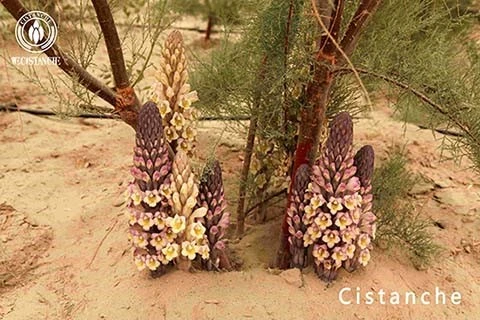
When discussing plant‑based antioxidation, modern nutraceutical developers increasingly turn to botanicals with long traditional use histories. Among them, Cistanche Tubulosa, also known as "desert ginseng" from Traditional Chinese Medicine, draws global attention for its promising cistanche benefits for anti‑oxidant.
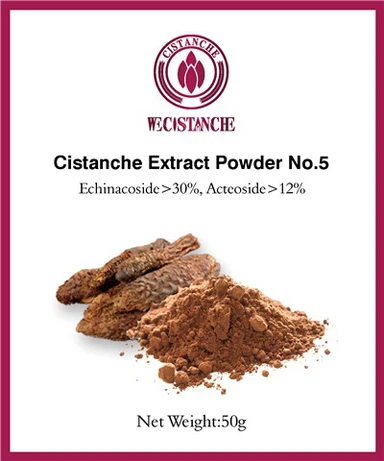
Unlike many single‑molecule antioxidants, Cistanche Tubulosa works on dual levels: direct free‑radical scavenging and enhancement of the body's endogenous antioxidant enzyme systems. In TCM classical texts, Cistanche Tubulosa was valued for nourishing essence and supporting vitality. Today phytochemical research reveals these traditional observations correlate with its rich profile of bioactive phenylethanoid glycosides (PhGs), predominantly echinacoside and acteoside, plus polysaccharides.
Not all Cistanche varieties are equal. Compared with other Cistanche species, Cistanche Tubulosa accumulates significantly higher concentrations of key active phenylethanoid glycosides, which define its antioxidative capacity. High‑grade standardized Cistanche Tubulosa extract delivers consistent levels of these marker compounds. Echinacoside can activate the Nrf2 pathway, switching on hundreds of protective genes that upregulate endogenous antioxidants including SOD, glutathione peroxidase and catalase. Acteoside provides robust free‑radical neutralization while modulating inflammatory responses linked with oxidative damage.
That means cistanche benefits for anti‑oxidant do not merely scavenge existing free radicals like vitamin C; it helps strengthen your body's own antioxidant shield, creating longer‑lasting redox balance. Excess ROS causes collagen breakdown, mitochondrial damage and DNA injury. Cistanche Tubulosa extract helps mitigate lipid peroxidation, lowers malondialdehyde (MDA), and protects mitochondrial stability, slowing oxidative‑driven cell deterioration that feeds visible aging signs.
For formulators developing dietary supplements, beauty‑from‑within formulas or functional blends, standardized Cistanche Tubulosa extract brings unique advantages. It can synergize with familiar antioxidants such as vitamin C, vitamin E or resveratrol. While vitamin C and E perform direct radical quenching, Cistanche Tubulosa supports enzyme‑driven defence pathways, creating multi‑layer antioxidative support.

Our facility specializes in manufacturing high‑potency Cistanche Tubulosa extract with elevated bioactive compound content. If you want to learn more about our production capacity, quality control and standardized extract specifications, please visit our company introduction page: https://www.xjcistanche.com/about‑us. We supply bulk botanical raw materials for brands and formulators worldwide.
It is worth restating: botanical extracts are supportive tools rather than magic solutions. Even with premium antioxidant ingredients including Cistanche Tubulosa, sun protection, sufficient sleep and stress management remain irreplaceable pillars. Antioxidation is a long‑term holistic practice, not quick short‑term fixes. Balancing external nourishment, internal nutritional support and healthy lifestyle together achieves optimal long‑term wellness outcomes.
Disclaimer
This article serves educational and reference purposes only. It is not medical advice, and statements have not been reviewed by FDA or equivalent regulatory authorities. Cistanche Tubulosa extract is not intended to diagnose, treat, cure or prevent disease. Always consult qualified healthcare practitioners before adding new dietary supplements, especially for pregnant, lactating individuals, people under medication or those with pre‑existing health conditions.