Are You Still Troubled By Constipation?
Dec 11, 2023
Constipation refers to a decrease in the number of bowel movements, difficulty in defecation, and dry and hard stools. Normal people have a bowel movement 1 to 2 times a day or once every 1 to 2 days. If you eat little and have little activity, it is normal to have a bowel movement once every 2 to 3 days without any discomfort. Constipation patients can be diagnosed as constipation if they have less than three bowel movements per week and have difficulty defecating, with hard and small feces. If they have abdominal distension and pain, heavy anal heaviness, and no defecation for more than 48 hours.

Defecation is a complex physiological process involving many factors. For example, excessive contraction or relaxation of the large intestine due to any reason may lead to constipation. According to different causes, constipation can be divided into organic constipation, functional constipation, and other types.
Organic constipation refers to constipation caused by lesions in certain solid organs in the body, resulting in defecation disorders, such as colon cancer, rectal cancer, etc.
Functional constipation, also known as habitual constipation, simple constipation, and chronic constipation, is more common in the elderly and is caused by factors such as eating too little or too fine foods, poor bowel habits, or the abuse of laxative drugs.
❶ Diseases of the intestinal tract itself
Intestinal lesions include tumors, hernias, rectal prolapse, etc. Such lesions can cause functional outlet obstruction and cause defecation disorders.
❷ Systemic diseases
Systemic diseases include hypothyroidism, diabetes, uremia, sequelae of cerebrovascular accidents, Parkinson's disease, etc.
❸ Age-related
As age increases, food intake and physical activity decrease significantly, gastrointestinal tract secretion of digestive juices decreases, intestinal tension and peristalsis weaken, abdominal and pelvic floor muscle weakness, internal and external anal sphincters weaken, gastrocolic reflexes weaken, and rectal sensitivity decreases, resulting in Food stays in the intestines for too long and excessive water absorption causes constipation. In addition, the elderly often lose their defecation reflex due to Alzheimer's disease or mental depression, causing constipation.
❹ Bad living habits
1) Dietary factors: Like eating low-residue refined foods or a few patients want convenience and trouble, eat a simple diet, and lack crude fiber, which reduces the volume of feces, increases viscosity, slow down movement in the intestines, and causes constipation due to excessive water absorption. There are reports that the gastrocolic reflex is related to the amount of food eaten. A 1000cal meal can stimulate colon movement, but a 350cal meal has no such effect. Fat is the main food that stimulates reflexes, but protein has no such effect. Therefore, some ladies who want to lose weight by eating less are prone to poor bowel movements and constipation.
2) Defecation habits: Generally speaking, normal people will have a defecation reflex 1-2 times a day. Generally speaking, a defecation reflex with a strong reaction usually occurs when getting up in the morning or after eating breakfast, so if you can It is best to arrange bowel movements at this time. In addition, some people will also have an urge to defecate after taking a nap. These feelings will be the same as the urge to defecate when waking up in the morning, which we call the "orthostatic reflex".
We know that some people have not developed the habit of regular bowel movements, such as holding in their bowels. When the brain receives the signal from the external sphincter to defecate, but you have to hold it in, constipation will form and gradually worsen over time. Playing with your mobile phone while going to the toilet can also distract your attention and prolong the time it takes to defecate.
3) Reduced activity: Due to certain diseases and obesity, activity is reduced, especially in patients who are bedridden or wheelchair-bound due to illness. Due to the lack of exercise stimulation to promote the movement of feces, they are often prone to constipation.

❺Psychological factors
People suffering from depression, anxiety, obsessive-compulsive disorder, and other psychological disorders are prone to constipation.
❻ Iatrogenic (irrational use of laxatives)
Long-term use of laxatives, especially stimulant laxatives, can cause damage to the intestinal mucosal nerves, reduce intestinal muscle tone, and lead to severe constipation. In addition, other drugs that cause constipation include opioid analgesics, anticholinergics, antidepressants, calcium antagonists, diuretics, etc.
The main symptoms of constipation
❶ The frequency of defecation is infrequent, less than 2 times a week, the stool is hard, the defecation is difficult, and there is a feeling of incomplete defecation.
❷ Abdominal bloating, abdominal pain, heavyweight, belching, bad breath, excessive farts, and other discomforts.
❸ Loss of appetite, headache, dizziness, or restlessness.
What accidents might happen when straining to have a bowel movement?
❶ Cardiovascular and cerebrovascular emergencies in the elderly: When the elderly exert excessive force to defecate, it can lead to changes in coronary artery and cerebral blood flow. Fainting may occur during defecation due to reduced cerebral blood flow. People with insufficient coronary blood supply may suffer from angina pectoris and myocardial infarction.
❷ Hypertensive patients: It can cause cerebrovascular accidents, rupture of aneurysms or ventricular aneurysms, detachment of cardiac wall thrombus, arrhythmia, and even sudden death.
❸ Perianal diseases: When forced to defecate, the increase in intra-abdominal pressure can cause or aggravate hemorrhoids. Damage to the anal canal during forced defecation can cause anal fissures and other perianal diseases, as well as proctitis.
❹ Fecal impaction in the intestinal cavity: Fecal impaction can cause intestinal obstruction, urinary retention, and fecal incontinence.

Constipation treatments
❶ Develop good eating habits
Eat more dietary fiber, more vegetables and fruits, less refined rice and noodles, less fried, smoked, and grilled foods, spicy foods, and alcoholic beverages.
❷ Develop the habit of drinking more water
2/3 of a normal person's stool is water. If there is insufficient water, the stool can become dry and hard. Drink a cup of boiled water or honey water every morning to facilitate defecation.
❸ Develop the habit of regular bowel movements
One of the reasons why many people do not develop the habit of defecation in the morning is that they stay up late at night, can't set the alarm in the morning, and then get stuck at work. As a result, they arrive at work in a hurry. Maybe they also have the habit of not eating breakfast, which makes them nervous. When a day's work begins, there is naturally no time to resolve internal conflicts. Over time, bowel movements naturally become irregular.
❹ Develop the habit of proper exercise
Promote blood circulation throughout the body, while also promoting the movement of the large intestine, abdominal muscles, and diaphragm. Due to the effect of gravity, the entire gastrointestinal tract is in motion, which is very effective in relieving constipation and promoting defecation.
Natural Herbal Medicine For Relieving Constipation-Cistanche
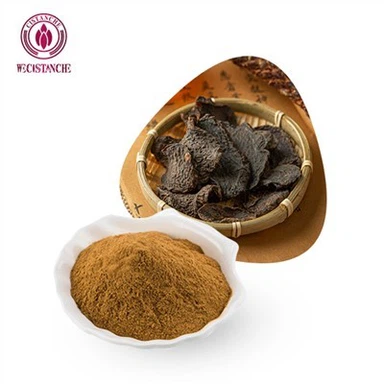
Cistanche is a genus of parasitic plants that belongs to the family Orobanchaceae. These plants are known for their medicinal properties and have been used in Traditional Chinese Medicine (TCM) for centuries. Cistanche species are predominantly found in arid and desert regions of China, Mongolia, and other parts of Central Asia. Cistanche plants are characterized by their fleshy, yellowish stems and are highly valued for their potential health benefits. In TCM, Cistanche is believed to have tonic properties and is commonly used to nourish the kidney, enhance vitality, and support sexual function. It is also used to address issues related to aging, fatigue, and overall well-being. While Cistanche has a long history of use in traditional medicine, scientific research on its efficacy and safety is ongoing and limited. However, it is known to contain various bioactive compounds such as phenylethanoid glycosides, iridoids, lignans, and polysaccharides, which may contribute to its medicinal effects.

Wecistanche's cistanche powder, cistanche tablets, cistanche capsules, and other products are developed using desert cistanche as raw materials, all of which have a good effect on relieving constipation. The specific mechanism is as follows: Cistanche is believed to have potential benefits for relieving constipation based on its traditional use and certain compounds it contains. While scientific research specifically on Cistanche's effect on constipation is limited, it is thought to have multiple mechanisms that may contribute to its potential to relieve constipation. Laxative Effect: Cistanche has long been used in Traditional Chinese Medicine as a remedy for constipation. It is believed to have a mild laxative effect, which can help promote bowel movements and induce constipation. This effect may be attributed to various compounds found in Cistanche, such as phenylethanoid glycosides and polysaccharides. Moistening the Intestines: Based on traditional use, Cistanche is considered to have moisturizing properties, specifically targeting the Intestines. Promoting hydration and lubrication of the Intestines, may help soften tools and facilitate easier passage, thereby relieving constipation. Anti-inflammatory Effect: Constipation can sometimes be associated with inflammation in the digestive tract. Cistanche contains certain compounds, including phenylethanoid glycosides and lignans, that are believed to have anti-inflammatory properties. By reducing inflammation in the intestines, it may help improve bowel movement regularity and relieve constipation.