Association Between Experimental Pain Measurements And The Central Sensitization Inventory in Patients At Least 3 Months After COVID-19 Infection: A Cross-Sectional Pilot Study Part 2
Oct 08, 2023
4. Discussion
The current study observed the presence of central-sensitization-associated symptomatology in up to 64.3% of patients post-COVID-19 infection, based on self-reporting through the CSI. Most patients (69%) reported slight to moderate functional limitations. Physical activities were responsible for most of the dyspnea-related limitations in activities of daily life. For patients with central-sensitization-associated symptoms, greater dyspnea-related limitations and higher limitations in functional status were observed. A small negative correlation between pressure pain sensitivity on the rectus femoris and the CSI score was observed. No other correlations between experimental pain measurements and CSI were observed. Clustering analysis identified that 33% of patients in this sample demonstrated a profile featuring a high CSI score, nociceptive pain facilitation, and malfunctioning of the nociceptive inhibitory pathways.
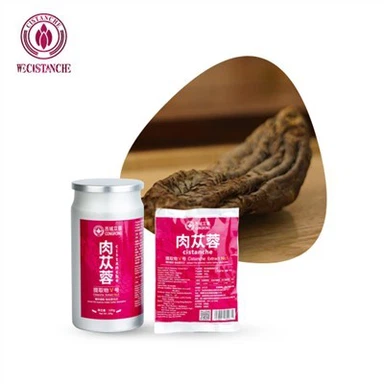
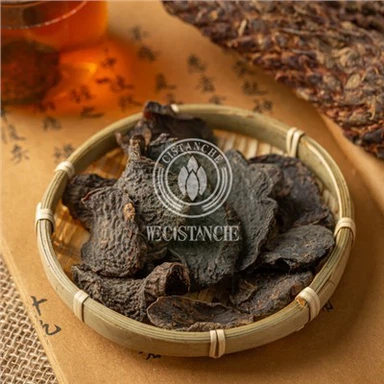
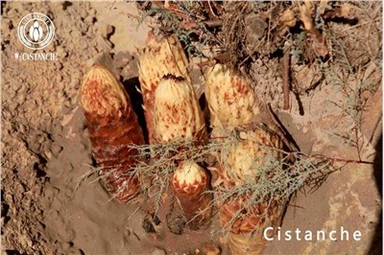
Cistanche can act as an anti-fatigue and stamina enhancer, and experimental studies have shown that the decoction of Cistanche tubulosa could effectively protect the liver hepatocytes and endothelial cells damaged in weight-bearing swimming mice, upregulate the expression of NOS3, and promote hepatic glycogen synthesis, thus exerting anti-fatigue efficacy. Phenylethanoid glycoside-rich Cistanche tubulosa extract could significantly reduce the serum creatine kinase, lactate dehydrogenase, and lactate levels, and increase the hemoglobin (HB) and glucose levels in ICR mice, and this could play an anti-fatigue role by decreasing the muscle damage and delaying the lactic acid enrichment for energy storage in mice. Compound Cistanche Tubulosa Tablets significantly prolonged the weight-bearing swimming time, increased the hepatic glycogen reserve, and decreased the serum urea level after exercise in mice, showing its anti-fatigue effect. The decoction of Cistanchis can improve endurance and accelerate the elimination of fatigue in exercising mice, and can also reduce the elevation of serum creatine kinase after load exercise and keep the ultrastructure of skeletal muscle of mice normal after exercise, which indicates that it has the effects of enhancing physical strength and anti-fatigue. Cistanchis also significantly prolonged the survival time of nitrite-poisoned mice and enhanced the tolerance against hypoxia and fatigue.

Click on sudden tiredness during the day
【For more info:george.deng@wecistanche.com / WhatsApp:8613632399501】
Based on the WHO definition, individuals with a history of probable or confirmed SARS-CoV-2 infection, usually 3 months from the onset of COVID-19 with symptoms that last for at least 2 months, could be classified as suffering from post-COVID-19 condition [10]. The patients included in this study had a positive COVID-19 test at least 3 months before study inclusion, nevertheless, the exact duration of symptomatology was not asked. Only 9.5% of patients did not report any symptoms of functional limitations, therefore it is assumed that more than 90% of patients suffered from post-COVID-19 conditions. We identified the presence of central-sensitization-associated symptomatology in up to 64.3% of our patients post-COVID-19 infection based on PROMs. This result is similar to our previous study [18], but much higher than the prevalence rate of 34% observed in individuals with just post-COVID pain [19]. This discrepancy may be related to the fact that the sample of patients included by Fernández-de-las-Peñas et al. mainly suffered from solely post-COVID pain [19] whereas the Belgian sample [18] reported more heterogeneous post-COVID symptoms such as fatigue or memory loss, which are also evaluated in the CSI [25]. The presence of psychological and physical post-COVID symptoms is related to the CSI score. Interestingly, higher CSI scores were associated with greater dyspnea-related limitations and higher functional limitations in the current study, thus supporting the previous assumption.
Since the use of PROMs such as the CSI is not able to further ascertain the presence of altered nociceptive pain processing, we included, for the first time, experimental pain measurements in people post-COVID-19 infection. The presence of pressure pain hyperalgesia increased temporal summation and impaired descending inhibition are manifestations of central nervous system sensitization [43]. We were unable to determine the presence of pressure hyperalgesia in our sample of individuals with post-COVID-19 infection since we did not include a control group without post-COVID symptoms; however, it would be expected for lower PPTs in individuals with persistent symptoms to be found. Historical data are available for pain-free populations with testing on the trapezius whereby mean values ranging from 4.96 (SD: 3.33) [44] to 5.32 (SD: 3.28) [44], and 5.75 (SD: 2.88) [45] were revealed. Mean PPT values of 4.02 (SD: 1.60) [45] have been observed in patients with whiplash-associated disorders and 2.90 (SD: 2.49) [44] in patients with fibromyalgia. The currently obtained values in patients post-COVID-19 infection seem to be in line with the findings observed in patients with whiplash-associated disorders, suggesting that patients post-COVID-19 infection could also demonstrate pressure pain hyperalgesia.
Nevertheless, our main objective was to further identify the association of experimental pain measurements with the self-reported CSI. We identified a small correlation between sensitivity to pressure pain and the CSI score suggesting that both outcomes represent different aspects of the sensitization spectrum. This weak correlation is in line with previous data in chronic spinal pain patients where a weak correlation was found between the CSI and PPT [46], as was the case in patients with knee osteoarthritis [47]. Statistically, non-significant results were revealed between the CSI and PPT in patients with shoulder pain [48] and patients with chronic whiplash-associated disorders [49]. No other association between the CSI with temporal summation or CPM was identified in the present study, as was the case in patients with chronic whiplash-associated disorders [49]. These results further support the belief that the CSI assessed a broad spectrum of sensitization symptomatology and not just altered nociceptive pain processing. As such, the CSI only marginally reflects direct alterations in central nociceptive processing and is better at identifying psychosocial factors that patients experience than identifying central nervous system adaptations due to central sensitization [49]. It is also possible that the small percentage of patients showing an impaired CPM explains the lack of association.
Concerning the PROMs, a positive correlation was revealed between the LCADL and the CSI (r = 0.8, 95% CI 0.54 to 0.85, p < 0.001), meaning that patients with higher symptomatology of central sensitization present more dyspnea during activities of daily living. Furthermore, patients with high central sensitization symptomatology also revealed more limitations in functional outcomes. Previous studies have already demonstrated correlations between CSI and functionality, workability, depression, and social support scales in patients with spinal pain [50–52]. These findings further support the previous hypothesis that the CSI captures a broad spectrum of symptomatology and not only evaluates central nervous system processing in response to nociception. The currently obtained values on the LCADL (median 22/75, Q1–Q3: 17.25–27.50) for dyspnea-related limitation in activities of daily living are in line with the mean value of 17 (SD: 5.7) that was revealed in a population of post-COVID-19 patients in Turkey [53]. Even though most patients in this study were female (71.4%), females had more dyspnea-related limitations in activities of daily living and more central-sensitization-associated symptoms compared to males. A previous study explored phenotypes based on clinical data obtained in a post-COVID-19 care clinic and revealed that the fatigue-predominant phenotype was more common in females, while the dyspnea-predominant phenotype was more common in males [54]. Since fatigue is one of the core symptoms in central-sensitization-associated disorders, the results of higher CSI scores in females compared to males are not surprising. Further research is needed to further evaluate the dominance of dyspnea-related limitations in patients post-COVID-19 infection.

Although preliminary due to the low number of participants and no external validation, clustering analysis identified that 33% of patients demonstrated a central sensitization profile featuring a high CSI score, nociceptive pain facilitation, and malfunctioning of the nociceptive inhibitory pathways. This subgroup of patients fulfills all of the criteria for a neoplastic condition [55] as has been proposed recently [56] and this could need particular attention in their management. For instance, early treatment of these subgroups of patients could be applied to avoid the further development of central sensitization. Similarly, more multidisciplinary interventions targeting the nervous system, e.g., acceptance and commitment therapy and pain neuroscience education [57], should be applied to this subgroup of patients. These hypotheses should be confirmed or refuted in future clinical trials. Additionally, further exploration and validation of the clustering analysis should still be performed, incorporating the clinical features of pain.
Despite the innovative aspect of conducting experimental pain measurements in patients post-COVID-19 infection, certain limitations should be taken into account when considering the results of this study. The patients included in this study were recruited through convenience sampling, which could limit the generalizability of the results. Nevertheless, the results obtained in this study seem to be comparable to findings in other chronic pain populations. Additionally, no control group was included; therefore, experimental pain measurements could only be compared to data from historical studies. In terms of experimental pain measurements, only one modality (i.e., pressure stimuli) was used, whereas the available guidelines recommend the use of different modalities [39]. This choice was made not to further increase the burden on the study participants since this was a pilot study exploring indicators of central sensitization in this population. Additionally, standardized sites of stimulation (i.e., trapezius muscle and quadriceps muscle) were used to enable interpretation of the results at the cohort level, regardless of the location of symptomatology of individual patients. Moreover, this study only explored indicators of central sensitization post-COVID-19 infection, without evaluating previous existing comorbidities. Finally, no information was collected on the duration of sick leave or work status after COVID-19 infection.
5. Conclusions
In patients post-COVID-19 infection, symptoms of central sensitization were present in 64.3% of the sample based on a self-reported questionnaire. A more objective evaluation of nociceptive pain processing was less suggestive for indicators of central sensitization, thereby pointing towards a discrepancy between the CSI and experimental pain measurements in patients post-COVID-19 infection.
Supplementary Materials: The following supporting information can be downloaded at https:// www.mdpi.com/article/10.3390/jcm12020661/s1, Figure S1: Boxplots of the different experimental pain measurements by the presence of symptoms of central sensitization. Figure S2: Boxplots of the LCADL and PCFS scores, separated by the presence of symptoms of central sensitization.
Author Contributions: Conceptualization, L.G., A.D.S., S.M.H., M.S., and M.M.; data curation, A.D.S., S.R., and M.S.; formal analysis, A.D.S., S.M.H., and L.G.; methodology, L.G., A.D.S., S.M.H., M.S., and M.M.; writing—original draft, L.G., C.F.-d.-l.-P., and M.M.; writing—review and editing, all authors. All authors have read and agreed to the published version of the manuscript.
Funding: This research received no external funding.
Institutional Review Board Statement: The study protocol was approved by the central ethics committee of Universitair Ziekenhuis Brussel (B.U.N. 1432020000348) on 16 December 2020.
Informed Consent Statement: Informed consent was obtained from all subjects involved in the study.
Data Availability Statement: The data presented in this study are available on motivated request from the corresponding author.
Acknowledgments: The authors are grateful to Levi Wauman for his help with the data collection.
Conflicts of Interest: L.G. is a postdoctoral research fellow funded by the Research Foundation Flanders (FWO), Belgium (project number 12ZF622N). P.R. reports grants from Medtronic, Abbott, and Boston Scientific and consultant fees and payments for lectures from Medtronic and Boston Scientific, outside the submitted work. M.M. has received speaker fees from Medtronic and Nevro. STIMULUS received independent research grants from Medtronic. There are no other conflicts of interest to declare.

References
1. Kim, D.Y.; Shinde, S.K.; Lone, S.; Palem, R.R.; Ghodake, G.S. COVID-19 Pandemic: Public Health Risk Assessment and Risk Mitigation Strategies. J. Pers. Med. 2021, 11, 1243. [CrossRef] [PubMed]
2. Kumar, S.; Saikia, D.; Bankar, M.; Saurabh, M.K.; Singh, H.; Varikasuvu, S.R.; Maharshi, V. Efficacy of COVID-19 vaccines: A systematic review and network meta-analysis of phase 3 randomized controlled trials. Pharmacol. Rep. 2022, 10, 321. [CrossRef] [PubMed]
3. VIPER Group COVID-19 Vaccine Tracker Team. COVID19 Vaccine Tracker. Available online: https://covid19.trackvaccines.org/ (accessed on 10 November 2022).
4. Lopez-Leon, S.; Wegman-Ostrosky, T.; Del Valle, N.C.A.; Perelman, C.; Sepulveda, R.; Rebolledo, P.A.; Cuapio, A.; Villapol, S. Long-COVID in children and adolescents: A systematic review and meta-analyses. Sci. Rep. 2022, 12, 9950. [CrossRef] [PubMed]
5. Han, Q.; Zheng, B.; Daines, L.; Sheikh, A. Long-Term Sequelae of COVID-19: A Systematic Review and Meta-Analysis of One-Year Follow-Up Studies on Post-COVID Symptoms. Pathogens 2022, 11, 269. [CrossRef]
6. Logue, J.K.; Franko, N.M.; McCulloch, D.J.; McDonald, D.; Magedson, A.; Wolf, C.R.; Chu, H.Y. Sequelae in Adults at 6 Months after COVID-19 Infection. JAMA Netw. Open 2021, 4, e210830. [CrossRef]
7. Carfi, A.; Bernabei, R.; Landi, F. Persistent Symptoms in Patients after Acute COVID-19. JAMA 2020, 324, 603–605. [CrossRef]
8. Moens, M.; Duarte, R.V.; De Smedt, A.; Putman, K.; Callens, J.; Billot, M.; Roulaud, M.; Rigoard, P.; Goldman, L. Health-related quality of life in persons post-COVID-19 infection in comparison to normative controls and chronic pain patients. Front. Public Health 2022, 10, 991572. [CrossRef]
9. Salari, N.; Khodayari, Y.; Hosseinian-Far, A.; Zarei, H.; Rasoulpoor, S.; Akbari, H.; Mohammadi, M. Global prevalence of chronic fatigue syndrome among long COVID-19 patients: A systematic review and meta-analysis. BioPsychoSoc. Med. 2022, 16, 21. [CrossRef]
10. World Health Organization. Coronavirus Disease (COVID-19): Post COVID-19 Condition. Available online: https://www.who. int/news-room/questions-and-answers/item/coronavirus-disease-(covid-19)-post-covid-19-condition?gclid=Cj0KCQiA37KbBhDgARIsAIzce14fsUS4hL4RdKOXZ6qNRx_LD6BH9EvsFQq2MFLBNx7MFF1HLGhCAkUaAgPBEALw_wcB (accessed on 10 November 2022).
11. Soriano, J.B.; Murthy, S.; Marshall, J.C.; Relan, P.; Diaz, J.V. A clinical case definition of post-COVID-19 condition by a Delphi consensus. Lancet Infect. Dis. 2022, 22, e102–e107. [CrossRef]
12. Aaron, L.A.; Buchwald, D. A review of the evidence for overlap among unexplained clinical conditions. Ann. Intern. Med. 2001, 134, 868–881. [CrossRef]
13. Yunus, M.B. Editorial review: An update on central sensitivity syndromes and the issues of nosology and psychobiology. Curr. Rheumatol. Rev. 2015, 11, 70–85. [CrossRef]
14. Bierle, D.M.; Aakre, C.A.; Grach, S.L.; Salonen, B.R.; Croghan, I.T.; Hurt, R.T.; Ganesh, R. Central Sensitization Phenotypes in Post Acute Sequelae of SARS-CoV-2 Infection (PASC): Defining the Post COVID Syndrome. J. Prim. Care Community Health 2021, 12, 21501327211030826. [CrossRef] [PubMed]
15. Sukocheva, O.A.; Maksoud, R.; Beeraka, N.M.; Madhunapantula, S.V.; Sinelnikov, M.; Nikolenko, V.N.; Neganova, M.E.; Klochkov, S.G.; Kamal, M.A.; Staines, D.R.; et al. Analysis of post-COVID-19 condition and its overlap with myalgic encephalomyelitis/chronic fatigue syndrome. J. Adv. Res. 2022, 40, 179–196. [CrossRef] [PubMed]
16. Komaroff, A.L.; Bateman, L. Will COVID-19 Lead to Myalgic Encephalomyelitis/Chronic Fatigue Syndrome? Front. Med. 2020, 7, 606824. [CrossRef]
17. Bourke, J.H.; Wodehouse, T.; Clark, L.V.; Constantinou, E.; Kidd, B.L.; Langford, R.; Mehta, V.; White, P.D. Central sensitization in chronic fatigue syndrome and fibromyalgia; a case-control study. J. Psychosom. Res. 2021, 150, 110624. [CrossRef] [PubMed]
18. Goudman, L.; De Smedt, A.; Noppen, M.; Moens, M. Is Central Sensitisation the Missing Link of Persisting Symptoms after COVID-19 Infection? J. Clin. Med. 2021, 10, 5594. [CrossRef]
19. Fernández-de-las-Peñas, C.; Parás-Bravo, P.; Ferrer-Pargada, D.; Cancela-Cilleruelo, I.; Rodríguez-Jiménez, J.; Nijs, J.; Arendt-Nielsen, L.; Herrero-Montes, M. Sensitization symptoms are associated with psychological and cognitive variables in COVID-19 survivors exhibiting post-COVID pain. Pain Pract. 2022, 23, 23–31. [CrossRef]
20. Nijs, J.; Huysmans, E. Clinimetrics: The Central Sensitisation Inventory: A useful screening tool for clinicians, but not the gold standard. J. Physiother. 2022, 68, 207. [CrossRef]
21. Mayer, T.G.; Neblett, R.; Cohen, H.; Howard, K.J.; Choi, Y.H.; Williams, M.J.; Perez, Y.; Gatchel, R.J. The development and psychometric validation of the central sensitization inventory. Pain Pract. 2012, 12, 276–285. [CrossRef]
22. Treede, R.D. The role of quantitative sensory testing in the prediction of chronic pain. Pain 2019, 160 (Suppl. S1), S66–S69. [CrossRef]
23. Curatolo, M.; Arendt-Nielsen, L.; Petersen-Felix, S. Central hypersensitivity in chronic pain: Mechanisms and clinical implications. Phys. Med. Rehabil. Clin. N. Am. 2006, 17, 287–302. [CrossRef] [PubMed]
24. Weaver, K.R.; Griffioen, M.A.; Klinedinst, N.J.; Galik, E.; Duarte, A.C.; Colloca, L.; Resnick, B.; Dorsey, S.G.; Renn, C.L. Quantitative Sensory Testing across Chronic Pain Conditions and Use in Special Populations. Front. Pain Res. 2021, 2, 779068. [CrossRef] [PubMed]
25. Neblett, R.; Cohen, H.; Choi, Y.; Hartzell, M.M.; Williams, M.; Mayer, T.G.; Gatchel, R.J. The Central Sensitization Inventory (CSI): Establishing clinically significant values for identifying central sensitivity syndromes in an outpatient chronic pain sample. J. Pain Off. J. Am. Pain Soc. 2013, 14, 438–445. [CrossRef]
26. Cuesta-Vargas, A.I.; Neblett, R.; Nijs, J.; Chiarotto, A.; Kregel, J.; van Wilgen, C.P.; Pitance, L.; Knezevic, A.; Gatchel, R.J.; Mayer, T.G.; et al. Establishing Central Sensitization-Related Symptom Severity Subgroups: A Multicountry Study Using the Central Sensitization Inventory. Pain Med. 2020, 21, 2430–2440. [CrossRef] [PubMed]
27. Kregel, J.; Vuijk, P.J.; Descheemaeker, F.; Keizer, D.; van der Noord, R.; Nijs, J.; Cagnie, B.; Meeus, M.; van Wilgen, P. The Dutch Central Sensitization Inventory (CSI): Factor Analysis, Discriminative Power, and Test-Retest Reliability. Clin. J. Pain 2016, 32, 624–630. [CrossRef]
28. Pitance, L.; Piraux, E.; Lannoy, B.; Meeus, M.; Berquin, A.; Eeckhout, C.; Dethier, V.; Robertson, J.; Roussel, N. Cross-cultural adaptation, reliability and validity of the French version of the central sensitization inventory. Man. Ther. 2016, 25, e83–e84. [CrossRef]
29. Corsi, G.; Nava, S.; Barco, S. A novel tool to monitor the individual functional status after COVID-19: The Post-COVID-19 Functional Status (PCFS) scale. G. Ital. Cardiol. 2020, 21, 757. [CrossRef]
30. Klok, F.A.; Boon, G.; Barco, S.; Endres, M.; Geelhoed, J.J.M.; Knauss, S.; Rezek, S.A.; Spruit, M.A.; Vehreschild, J.; Siegerink, B. The Post-COVID-19 Functional Status Scale: A tool to measure functional status over time after COVID-19. Eur. Respir. J. 2020, 56, 2001494. [CrossRef]
31. Muller, J.P.; Goncalves, P.A.; Fontoura, F.F.; Mattiello, R.; Florian, J. Applicability of the London Chest Activity of Daily Living scale in patients on the waiting list for lung transplantation. J. Bras. Pneumol. 2013, 39, 92–97. [CrossRef]
32. Garrod, R.; Bestall, J.C.; Paul, E.A.; Wedzicha, J.A.; Jones, P.W. Development and validation of a standardized measure of the activity of daily living in patients with severe COPD: The London Chest Activity of Daily Living scale (LCADL). Respir. Med. 2000, 94, 589–596. [CrossRef]
33. Coppieters, I.; Ickmans, K.; Cagnie, B.; Nijs, J.; De Pauw, R.; Noten, S.; Meeus, M. Cognitive Performance Is Related to Central Sensitization and Health-related Quality of Life in Patients with Chronic Whiplash-Associated Disorders and Fibromyalgia. Pain Physician 2015, 18, E389–E401. [PubMed]
34. Mertens, M.G.; Hermans, L.; Crombez, G.; Goldman, L.; Calders, P.; Van Oosterwijck, J.; Meeus, M. Comparison of five conditioned pain modulation paradigms and influencing personal factors in healthy adults. Eur. J. Pain 2021, 25, 243–256. [CrossRef] [PubMed]
35. Kosek, E.; Ekholm, J.; Hansson, P. Pressure pain thresholds in different tissues in one body region. The influence of skin sensitivity in pressure algometry. Scand. J. Rehabil. Med. 1999, 31, 89–93. [CrossRef] [PubMed]
36. Malfliet, A.; Pas, R.; Brouns, R.; De Win, J.; Hatem, S.M.; Meeus, M.; Ickmans, K.; van Hooff, R.J.; Nijs, J. Cerebral Blood Flow and Heart Rate Variability in Chronic Fatigue Syndrome: A Randomized Cross-Over Study. Pain Physician 2018, 21, E13–E24. [CrossRef]
37. Cathcart, S.; Winefield, A.H.; Rolan, P.; Lushington, K. Reliability of temporal summation and diffuse noxious inhibitory control. Pain Res. Manag. 2009, 14, 433–438. [CrossRef]

38. Moont, R.; Pud, D.; Sprecher, E.; Sharvit, G.; Yarnitsky, D. ‘Pain inhibits pain’ mechanisms: Is pain modulation simply due to distraction? Pain 2010, 150, 113–120. [CrossRef]
39. Yarnitsky, D.; Bouhassira, D.; Drewes, A.M.; Fillingim, R.B.; Granot, M.; Hansson, P.; Landau, R.; Marchand, S.; Matre, D.; Nilsen, K.B.; et al. Recommendations on the practice of conditioned pain modulation (CPM) testing. Eur. J. Pain 2015, 19, 805–806. [CrossRef]
40. Staud, R.; Craggs, J.G.; Robinson, M.E.; Perlstein, W.M.; Price, D.D. Brain activity related to temporal summation of C-fiber evoked pain. Pain 2007, 129, 130–142. [CrossRef]
41. Coppieters, I.; De Pauw, R.; Kregel, J.; Malfliet, A.; Goubert, D.; Lenoir, D.; Cagnie, B.; Meeus, M. Differences Between Women with Traumatic and Idiopathic Chronic Neck Pain and Women without Neck Pain: Interrelationships among Disability, Cognitive Deficits, and Central Sensitization. Phys. Ther. 2017, 97, 338–353. [CrossRef]
42. Sim, J.; Wright, C.C. The kappa statistic in reliability studies: Use, interpretation, and sample size requirements. Phys. Ther. 2005, 85, 257–268. [CrossRef]
43. Uddin, Z.; MacDermid, J.C. Quantitative Sensory Testing in Chronic Musculoskeletal Pain. Pain Med. 2016, 17, 1694–1703. [CrossRef] [PubMed]
44. Coppieters, I.; Cagnie, B.; Nijs, J.; van Oosterwijck, J.; Danneels, L.; De Pauw, R.; Meeus, M. Effects of Stress and Relaxation on Central Pain Modulation in Chronic Whiplash and Fibromyalgia Patients Compared to Healthy Controls. Pain Physician 2016, 19, 119–130. [PubMed]
45. Meeus, M.; Van Oosterwijck, J.; Ickmans, K.; Baert, I.; Coppieters, I.; Roussel, N.; Struyf, F.; Pattyn, N.; Nijs, J. Interrelationships between pain processing, cortisol and cognitive performance in chronic whiplash-associated disorders. Clin. Rheumatol. 2015, 34, 545–553. [CrossRef] [PubMed]
46. Kregel, J.; Schumacher, C.; Dolphens, M.; Malfliet, A.; Goubert, D.; Lenoir, D.; Cagnie, B.; Meeus, M.; Coppieters, I. Convergent Validity of the Dutch Central Sensitization Inventory: Associations with Psychophysical Pain Measures, Quality of Life, Disability, and Pain Cognitions in Patients with Chronic Spinal Pain. Pain Pract. 2018, 18, 777–787. [CrossRef]
47. Gervais-Hupé, J.; Pollice, J.; Sadi, J.; Carlesso, L.C. Validity of the central sensitization inventory with measures of sensitization in people with knee osteoarthritis. Clin. Rheumatol. 2018, 37, 3125–3132. [CrossRef]
48. Coronado, R.A.; George, S.Z. The Central Sensitization Inventory and Pain Sensitivity Questionnaire: An exploration of construct validity and associations with widespread pain sensitivity among individuals with shoulder pain. Musculoskelet. Sci. Pract. 2018, 36, 61–67. [CrossRef]
49. Hendriks, E.; Voogt, L.; Lenoir, D.; Coppieters, I.; Ickmans, K. Convergent Validity of the Central Sensitization Inventory in Chronic Whiplash-Associated Disorders; Associations with Quantitative Sensory Testing, Pain Intensity, Fatigue, and Psychosocial Factors. Pain Med. 2020, 21, 3401–3412. [CrossRef]
50. Kosi ´nska, B.; Tarnacka, B.; Turczyn, P.; Gromadzka, G.; Malec-Milewska, M.; Janikowska-Hołowenko, D.; Neblett, R. Psychometric validation of the Polish version of the Central Sensitization Inventory in subjects with chronic spinal pain. BMC Neurol. 2021, 21, 483. [CrossRef]
51. Akeda, K.; Yamada, J.; Takegami, N.; Fujiwara, T.; Murata, K.; Kono, T.; Sudo, T.; Imanishi, T.; Asanuma, Y.; Kurata, T.; et al. Evaluation of Central Sensitization Inventory in Patients Undergoing Elective Spine Surgery in a Multicenter Study. Glob. Spine J. 2021, 21925682211047473. [CrossRef]
52. Holm, L.A.; Nim, C.G.; Lauridsen, H.H.; Filtenborg, J.B.; O’Neill, S.F. Convergent validity of the central sensitization inventory and experimental testing of pain sensitivity. Scand. J. Pain 2022, 22, 597–613. [CrossRef]
53. Çalik Kütükcü, E.; Çakmak, A.; Kinaci, E.; Uyaro ˘glu, O.A.; Ya ˘gli, N.V.; Güven, G.S.; Sa ˘glam, M.; Özi¸sik, L.; Ba¸saran, N.Ç.; Ince, D.I. Reliability and validity of the Turkish version of Post-COVID-19 Functional Status Scale. Turk. J. Med. Sci. 2021, 51, 2304–2310. [CrossRef]
54. Ganesh, R.; Grach, S.L.; Ghosh, A.K.; Bierle, D.M.; Salonen, B.R.; Collins, N.M.; Joshi, A.Y.; Boeder, N.D., Jr.; Anstine, C.V.; Mueller, M.R.; et al. The Female-Predominant Persistent Immune Dysregulation of the Post-COVID Syndrome. Mayo Clin. Proc. 2022, 97, 454–464. [CrossRef] [PubMed]
55. Kosek, E.; Cohen, M.; Baron, R.; Gebhart, G.F.; Mico, J.A.; Rice, A.S.C.; Rief, W.; Sluka, A.K. Do we need a third mechanistic descriptor for chronic pain states? Pain 2016, 157, 1382–1386. [CrossRef] [PubMed]
56. Fernández-de-Las-Peñas, C.; Nijs, J.; Neblett, R.; Polli, A.; Moens, M.; Goldman, L.; Patil, M.S.; Knaggs, R.D.; Pickering, G.; Arendt-Nielsen, L. Phenotyping Post-COVID Pain as a Nociceptive, Neuropathic, or Nociplastic Pain Condition. Biomedicines 2022, 10, 2562. [CrossRef] [PubMed]
57. Moens, M.; Jansen, J.; De Smedt, A.; Rowland, M.; Billot, M.; Laton, J.; Rigoard, P.; Goldman, L. Acceptance, and Commitment Therapy to Increase Resilience in Chronic Pain Patients: A Clinical Guideline. Medicina 2022, 58, 499. [CrossRef] [PubMed]
Disclaimer/Publisher's Note: The statements, opinions, and data contained in all publications are solely those of the individual author(s) and contributor(s) and not of MDPI and/or the editor(s). MDPI and/or the editor(s) disclaim responsibility for any injury to people or property resulting from any ideas, methods, instructions, or products referred to in the content.
【For more info:george.deng@wecistanche.com / WhatsApp:8613632399501】