Attention Patients With IgA Nephropathy! Dyslipidemia Affects Prognosis
May 09, 2023
Immunoglobulin A (IgA) nephropathy is a common primary glomerular disease worldwide, accounting for about 50% of primary glomerular diseases in my country. Previous studies have suggested that dyslipidemia is common in many chronic kidney diseases (CKD) and is also an independent risk factor for CKD progression. At the same time, reports suggest that dyslipidemia is common in patients with IgA nephropathy. So, what are the effects of dyslipidemia on patients with IgA nephropathy?

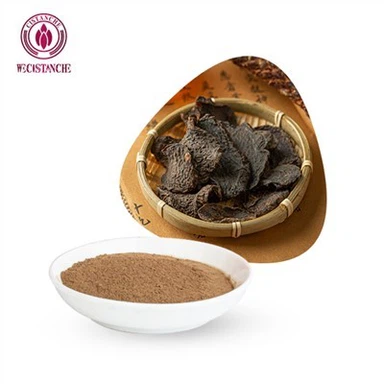
Click to cistanche herba for kidney disease
On April 14, 2023, Kidney Blood Pressures published a study from the Department of Nephrology, Longhua Hospital Affiliated with the Shanghai University of Traditional Chinese Medicine, China. closely related to prognosis.
Key conclusions
①The proportion of M1 and T1~2 types in the dyslipidemia group was significantly higher than that in the non-dyslipidemia group (P<0.001).
② Kaplan-Meier survival curve analysis found that compared with the non-dyslipidemia group, the prognosis of patients with dyslipidemia was worse (P = 0.048).
Method
This study was a retrospective study to evaluate the relationship between IgA nephropathy and dyslipidemia. The inclusion criteria were patients with IgA nephropathy confirmed by renal biopsy, and the exclusion criteria were ① secondary IgA nephropathy; ② combined with systemic lupus erythematosus (SLE), Henoch-Schonlein purpura or severe tumors; ③ glomerulus included in the results of renal biopsy Quantity <10.
Patients were followed up for 1 year, and at least once every 3 months for follow-up and evaluation. The endpoint of the study was the estimated glomerular filtration rate (eGFR) decreased by ≥50% from baseline or the progression to end-stage renal disease (ESKD). In this article, the definitions of dyslipidemia and its subgroups conform to the "Guidelines for the Management of Dyslipidemia in Chinese Adults" published in 2016.
Result
A total of 234 patients with IgA nephropathy were enrolled, including 101 males and 103 females, with a median age of 39.0, 119 cases in the dyslipidemia group, and 115 cases in the non-dyslipidemia group. The prevalence of dyslipidemia was 50.9%. The dyslipidemia group can be divided into 4 subgroups according to the clinical symptoms, namely the high triglyceride group (43 cases), the hypercholesterolemia group (13 cases), the mixed hyperlipidemia group (19 cases), and the low HDL cholesterol group (44 cases). The numbers of patients in CKD 1 and CKD 2-5 were 115 and 119, respectively.

There were no significant differences in age, time from the initial visit to biopsy, blood urea nitrogen, and serum albumin between the dyslipidemic and normolipidemic groups. However, compared with the non-dyslipidemia group, the systolic blood pressure, diastolic blood pressure, serum creatinine, uric acid, hemoglobin, proteinuria, and eGFR were all higher in the dyslipidemia group (P<0.05). More importantly, the typing of IgA patients in the dyslipidemia group was significantly different from that in the non-dyslipidemia group (P<0.001). Specifically, the proportions of M1 and T1~2 types in the dyslipidemia group were significantly higher than those in the non-dyslipidemia group.
Notably, in the subgroup analysis of the dyslipidemia group, there were significant intergroup differences in uric acid, serum albumin, and proteinuria (P<0.05). In other aspects, such as renal biopsy results, eGFR, blood pressure, creatinine, blood urea nitrogen, etc., there was no significant difference.
Multivariate regression analysis showed that male sex (OR = 2.397; 95% CI, 1.051~5.469; P = 0.038) and proteinuria (OR = 1.000; 95% CI, 1.000~1.001; P = 0.035) had significant effects on blood lipid levels in patients with IgA nephropathy. Anomalies have significant effects.
A total of 17 patients (9.4%) had end-point events, of which 8 patients had a decrease in eGFR ≥ 50% from baseline, and 9 patients developed ESKD. Kaplan-Meier survival curve analysis found that compared with the non-dyslipidemic group, patients in the dyslipidemia group had a worse prognosis (P = 0.048, Figure 1).

Figure 1 Kaplan-Meier survival curve analysis chart
Remarks: Blue is the dyslipidemia group, red is the non-dyslipidemia group
Discuss
This study confirmed that in patients with IgA nephropathy, dyslipidemia is not only related to the occurrence of cardiovascular events but also related to the decline of renal function in IgA nephropathy. Current research shows that about 45.3%-61.1% of adults with IgA nephropathy suffer from dyslipidemia. At the same time, dyslipidemia also affects the results of renal biopsy in patients with IgA nephropathy.

The above phenomena suggest that dyslipidemia can change the renal structure of patients with IgA nephropathy and aggravate renal function damage. A mouse model of IgA nephropathy reveals that lipids are predominantly distributed in the cortical and tubular regions of the kidney. Lipid accumulation can have toxic effects on kidney cells in these areas, leading to adverse effects such as inflammation and oxidative stress.
In conclusion, this study suggests that dyslipidemia is closely related to IgA nephropathy classification, disease progression, and prognosis. The next research direction should be to determine the specific relationship between the two through large-scale studies, and whether improving dyslipidemia can help improve IgA nephropathy The patient's renal disease progressed.
The mechanism of Cistanche extract treating kidney disease
Cistanche extract is a traditional Chinese medicine used for the treatment of various diseases, including kidney disease. The mechanism of action of Cistanche extract in treating kidney disease involves several factors.

1. Anti-inflammatory properties: Cistanche extract contains natural compounds that have anti-inflammatory properties. These compounds help to reduce inflammation in the kidneys, which can reduce the damage caused by kidney disease.
2. Antioxidant properties: Cistanche extract also contains antioxidants that help to protect the kidneys from oxidative stress. Oxidative stress occurs when there is an imbalance between free radicals and antioxidants in the body. This can damage the kidneys and contribute to the development of kidney disease.
3. Renal function improvement: Cistanche extract has been found to improve renal function in animal studies. It can help to reduce proteinuria, which is a common symptom of kidney disease, and also reduce the levels of serum creatinine and blood urea nitrogen (BUN), which are markers of kidney function.
4. Immune system modulation: Cistanche extract can help to modulate the immune system, which can reduce the progression of kidney disease. In particular, it can help to regulate T cell activity, which can reduce inflammation in the kidneys and improve renal function.
Overall, the use of Cistanche extract in the treatment of kidney disease is promising.
References:
1. Liu S, Lu Z, Fu Z, et al. Clinicopathological Characteristics and Outcomes of Immunoglobulin A Nephropathy with Different Types of Dyslipidemia: A Retrospective Single-Center Study. Kidney Blood Press Res. 2023 Apr 14;48(1):186 -193.