Discussion On Diet For Chronic Kidney Failure
May 09, 2023
According to the latest statistics, the number of people suffering from kidney disease in the world has exceeded 500 million. Chronic kidney disease has become a global public health problem, and it is showing a younger trend. Because some patients, especially young people, have not been diagnosed and treated early, they already have uremia when they see a doctor, so chronic kidney disease is also known as the "silent invisible killer".

Click to organic Cistanche for kidney disease
Can chronic kidney failure be completely cured?
the answer is negative!
Chronic kidney failure cannot be completely cured at present, and it is irreversible. It is the outcome of the continuous development of various chronic kidney diseases, or kidney damage caused by certain chronic diseases. This damage is irreversible, so the symptoms can be eliminated clinically. However, it does not mean that the effects of the disease have been completely cured, and kidney function will still be worse than in ordinary people.
Chronic kidney failure should actively treat the primary disease, strictly control blood sugar, blood pressure, and blood lipids, reduce proteinuria, correct anemia, acidosis, abnormal bone metabolism, and minerals, prevent and treat imbalances in water and sodium metabolism, hyperkalemia, cardiovascular diseases, and Infection and other conditions can reduce further damage to kidney function and delay the progression of the disease. Most patients survive long-term with a combination of drugs and dialysis.

Patients with chronic kidney failure are advised to pay attention to diet control in daily life, eat more light, digestible, and nutritious foods, eat fewer beverages and fruits with high sugar content, try to eat a low-sodium, low-potassium, and low-phosphorus diet, and control protein levels. Ingestion can reduce the burden on the kidneys and related complications, and delay the development of the disease.
How to protect the kidneys from the diet?
① Long-term light diet, avoid frying and grilling, and at the same time quit smoking and drinking, and avoid drinking strong tea;
② Long-term low-salt diet, the intake of salt should be controlled within 3g per day, and excessive intake of salted duck eggs, pickles, soy sauce, and monosodium glutamate should be avoided;
③ High-quality low-protein diet, mainly animal protein, because the content of essential amino acids is high, mainly including eggs, milk, lean meat, fish, etc., but the amount should not be too much;
④Low-fat diet, use vegetable oil for cooking, including corn oil, olive oil, and rapeseed oil, etc., and reduce the intake of vegetable protein, such as beans and their foods;
⑤ As for the supply of drinking water, it should be carried out reasonably according to body weight, urine output, and edema.
The diet should ensure high-quality protein, such as eggs, milk, lean meat, etc., and minimize plant protein such as peanuts, beans, and their products, and ensure sufficient carbohydrates every day.
When you have hyperkalemia, limit foods high in potassium such as mushrooms, kelp, beans, cabbage, mustard, bananas, oranges, etc. In addition, avoid foods high in phosphorus such as whole wheat bread, animal offal, dried beans, hard nuts, milk powder, egg yolks, chocolate, etc.

It is understood that chronic kidney disease presents a state of "high prevalence, high cost, low awareness rate, and low cure rate". Most chronic kidney diseases develop symptoms only in the later stage. When subjective symptoms appear, some patients may be in the middle and late stage of chronic kidney disease, and some patients need dialysis treatment.
Therefore, it is very important to detect chronic kidney disease through annual health checkups. The main early symptoms of chronic kidney disease include fatigue, loss of appetite, headache, nausea, edema, rapid heartbeat, difficulty breathing, high blood pressure, anemia, weak bones, etc. Attention should be paid to the above symptoms. The vast majority of chronic kidney disease can be detected early with urine and blood tests. Any one of the proteinuria and serum creatinine abnormalities can be diagnosed as chronic kidney disease.
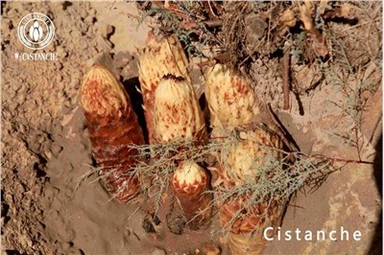
The mechanism of Cistanche extract treating kidney disease
Cistanche extract is a traditional Chinese medicine used for the treatment of various diseases, including kidney disease. The mechanism of action of Cistanche extract in treating kidney disease involves several factors.

1. Anti-inflammatory properties: Cistanche extract contains natural compounds that have anti-inflammatory properties. These compounds help to reduce inflammation in the kidneys, which can reduce the damage caused by kidney disease.
2. Antioxidant properties: Cistanche extract also contains antioxidants that help to protect the kidneys from oxidative stress. Oxidative stress occurs when there is an imbalance between free radicals and antioxidants in the body. This can damage the kidneys and contribute to the development of kidney disease.
3. Renal function improvement: Cistanche extract has been found to improve renal function in animal studies. It can help to reduce proteinuria, which is a common symptom of kidney disease, and also reduce the levels of serum creatinine and blood urea nitrogen (BUN), which are markers of kidney function.
4. Immune system modulation: Cistanche extract can help to modulate the immune system, which can reduce the progression of kidney disease. In particular, it can help to regulate T cell activity, which can reduce inflammation in the kidneys and improve renal function.
Overall, the use of Cistanche extract in the treatment of kidney disease is promising.