Avoid These 4 Common Pitfalls When Buying Cistanche Extract
Sep 14, 2026
Many people take cistanche extract consistently for months yet experience zero improvement: lingering lower back soreness and fatigue, persistent cold intolerance, frequent nocturia, and recurring dry intestinal constipation. Eventually, they dismiss cistanche as a marketing gimmick. In fact, cistanche is a premium medicinal and edible herb recorded in the Chinese Pharmacopoeia, known as the "Ginseng of the Desert". Modern pharmacological research has proven its multiple benefits: tonifying the kidney and replenishing essence‑blood, lubricating intestines to relieve constipation, alleviating fatigue, and protecting reproductive endocrine function.

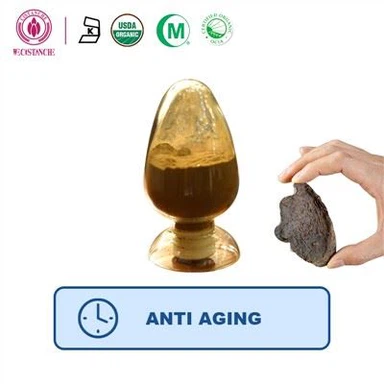
Cistanche tubulosa extract
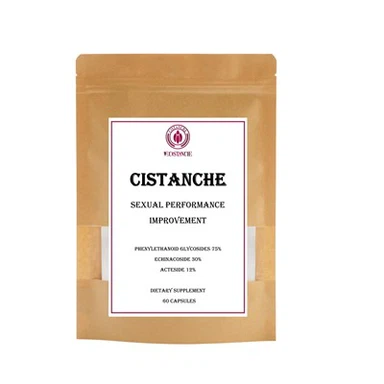
Click here to view Cistanche Tubulosa Extract Natural Supplement Powder
【Ask for more】 Email:cindy.xue@wecistanche.com / WhatsApp: 0086 18599088692 / WeChat: 18599088692
The reason most people gain no benefits is not that the herb is ineffective, but that they fall into hidden market pitfalls during purchase and use. Misleading raw material labeling, inflated active-ingredient claims, processing‑induced activity loss, and improper usage patterns can nullify the tonifying effects, wasting money and delaying physical conditioning.
Pitfall 1: Confused Raw Material Origins - Wrong Species Cuts Kidney‑Tonifying Efficacy by Over 80%
The top mistake consumers make is focusing only on the generic name "cistanche" while ignoring the botanical origin, failing to distinguish between Cistanche tubulosa and Cistanche deserticola. Over 90% of low‑cost, ineffective cistanche products on the market use C. deserticola disguised as C. tubulosa. Although both belong to the cistanche genus, their bioactive levels and pharmacological orientations differ by more than fivefold, serving completely different conditioning purposes.

The 2025 Chinese Pharmacopoeia officially recognizes two legal medicinal cistanche species: Cistanche deserticola, parasitic on Haloxylon ammodendron and mainly produced in Alxa, Inner Mongolia; and Cistanche tubulosa, parasitic on tamarisk and native to Hotan, Xinjiang. Both are medicinal and edible, yet they differ fundamentally in core active constituents, primary therapeutic effects, and applicable crowds and cannot be used interchangeably.
The kidney‑tonifying and essence‑replenishing potency of cistanche depends entirely on the combined content of echinacoside and acteoside (core phenylethanoid glycosides), the only official quality standard specified by the Pharmacopoeia - rather than folk indicators such as oily texture, dark infusion color, or soft texture. According to authoritative standards, C. deserticola requires a minimum dual‑glycoside content of only ≥0.3%, with premium five‑year raw materials barely reaching 1.5% at maximum. In contrast, C. tubulosa features a baseline threshold of ≥1.5%, and high‑quality Hotan‑sourced material achieves 1.5%–4% dual-glycoside content - delivering no less than five times the kidney‑tonifying active substances of C. deserticola.

Cistanche tubulosa

Cistanche deserticola
The two species have clear, non‑overlapping functional positioning. C. deserticola is rich in polysaccharides and oils, with a mild, moist nature. Its core advantage is lubricating intestines and relieving constipation, ideal for elderly intestinal dryness and insufficient body fluid, while its kidney‑tonifying potency is extremely weak. In comparison, C. tubulosa contains ultra‑high levels of phenylethanoid glycosides. Modern pharmacology confirms it is the only cistanche variant that regulates the human HPG (hypothalamic‑pituitary‑gonadal) axis, boosts testosterone, repairs reproductive damage, and improves yang deficiency and physical debilitation. It is also the exclusive raw material for famous kidney‑tonifying Chinese patent medicines including Shenbao Tablets and Jinjiu Medicinal Liquor.
Unscrupulous merchants exploit public ignorance by deliberately obscuring species labeling, marking products merely as "cistanche extract" without specifying botanical origin. They sell low‑cost C. deserticola powder and extract under the premium C. tubulosa label. Consumers who purchase cistanche for kidney tonification and fatigue relief end up buying a constipation‑relieving herb, resulting in completely misplaced conditioning goals and zero improvement in soreness, cold intolerance, or kidney deficiency, no matter how long they take it.
Worse still, some manufacturers use inferior scraps, low‑glycoside fast‑growing three‑year cistanche materials, or adulterate with plant stalks and fillers to further reduce active ingredient proportions. Selection rule: Cistanche tubulosa C. deserticola are chosen only for kidney tonification, physical debilitation relief, and reproductive conditioning; reserve solely for constipation relief. A wrong species makes all supplementation futile.

Phenylethanol glycoside is the main active component of Cistanche tubulosa
Pitfall 2: Blind Faith in "Extract" Label - Ignoring Active Content Leads to Dosage Illusion
This second pitfall is more concealed and deceptive than raw material fraud. Most consumers assume "extract equals high concentration and strong efficacy" and purchase products labeled "500 mg cistanche extract per capsule" without a second thought. In fact, the term "extract" only describes processing technology, not therapeutic potency. The real determining factor is not the gross extract weight, but the actual content and daily intake of echinacoside and acteoside.
The majority of budget cistanche extract products suffer from severe content inflation and insufficient effective dosage. Many so‑called "extracts" are merely low‑glycoside cistanche powder blended with maltodextrin, starch, and other fillers with minimal active ingredients. For comparison: a 500 mg capsule made from 0.3% dual‑glycoside C. deserticola contains only 1.5 mg of valid dual glycosides, while the same weight of 40% high‑purity C. tubulosa extract delivers hundreds of milligrams of active phenylethanoid glycosides - a vast disparity in efficacy.
Modern pharmacological trials and patent medicine standards confirm a clear minimum effective threshold for cistanche extract. For adult daily kidney conditioning, the minimum valid daily intake is 20–50 mg of combined echinacoside and acteoside. Doses below 20 mg fail to trigger physiological regulation and are therapeutically invalid. Most commercial products only provide 3–8 mg of dual glycosides per day, far below the standard required for kidney tonification, endocrine regulation, and anti‑fatigue effects.
The market is also rife with "concentration ratio fraud". Many products advertise 10:1 or 20:1 high concentration ratios without listing core dual‑glycoside content - a typical marketing trick. Concentration ratios only reflect raw material compression multiples and cannot represent active ingredient retention. Inferior raw materials processed with high‑temperature technology lose massive active compounds even after high‑ratio concentration. Genuine high‑quality extracts are always labeled with total phenylethanoid glycosides, echinacoside, and acteoside percentages.

cistanche extract powder
Industry premium standards for reliable C. tubulosa extract: echinacoside ≥10%, acteoside ≥4%, total phenylethanoid glycosides ≥40%, verified by third‑party authoritative test reports. Do not be misled by marketing slogans such as "highly concentrated", "pure extract", or "super high content". Always calculate your daily valid active intake to avoid ineffective low‑dose products.
Pitfall 3: Backward Processing Technology Destroys Thermosensitive Active Compounds - Valid Label Content Does Not Equal Efficacy
Many consumers correctly select C. tubulosa and verify standard content yet still see no results, due to processing technology that destroys core bioactivity. Cistanche's key functional components - echinacoside and acteoside - are thermosensitive phenylethanoid glycosides vulnerable to high temperature, sulfur fumigation, and prolonged decoction. Improper processing degrades over 90% of active ingredients, rendering products ineffective even if labeled content meets standards.
Mass‑produced low‑grade products generally adopt three activity‑destroying processes that consumers must avoid. First, high‑temperature spray drying and thermal curing. To improve production efficiency and reduce sterilization costs, manufacturers process, dry, and granulate materials continuously above 60°C. Phenylethanoid glycosides oxidize and degrade rapidly at temperatures exceeding 60°C, leaving only 30%–50% residual bioactivity after prolonged heating. Phrases like "thermally cured for milder nature" are merely excuses for outdated, activity‑damaging processing.

Cistanche tubulosa experiment
Second, sulfur fumigation is a common shoddy processing method in the herbal industry. Sulfur fumigation bleaches raw materials, extends shelf life, and prevents decay, yet it directly breaks the glycosidic bonds of phenylethanoid glycosides, destroying kidney‑tonifying and antioxidant activity. Residual sulfur dioxide also imposes metabolic burdens on the body with long‑term intake.
Third, long‑duration decoction for paste and liquid extracts. Traditional simmering exceeding 40 minutes causes continuous loss of thermosensitive active ingredients. The final products retain only small amounts of polysaccharides and colloids, providing weak intestinal lubrication while losing all core kidney‑tonifying and essence‑replenishing efficacy.
In contrast, high‑efficiency premium extracts adopt low‑temperature water‑alcohol dual extraction, vacuum freeze‑drying, centrifugal purification, and sulfur‑free fresh‑lock technology. Full low‑temperature processing avoids thermal oxidation, maximizes retention of echinacoside and acteoside bioactivity, and removes impurities, excess cellulose, and salt from raw materials for higher purity and better human absorption.
Additionally, avoid products with complicated ingredient lists. Many extracts add large amounts of maltodextrin, sucrose, high‑fructose syrup, preservatives, and flavorings to improve taste and cut costs, severely diluting active purity and causing long‑term metabolic burden. Genuine pure cistanche extract features a minimalist ingredient list with no unnecessary additives or fillers.
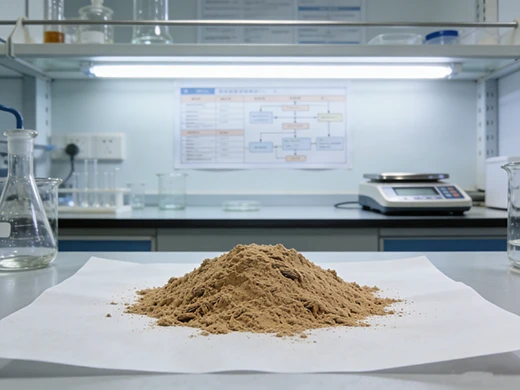
Cistanche tubulosa extract
Pitfall 4: Misjudged Constitution and Usage Habits Waste Tonifying Effects
Beyond product quality flaws, 90% of consumers fall into cognitive and usage errors. Even high-grade tubulosa extract fails to deliver results due to incorrect syndrome matching, unreasonable treatment cycles, improper compatibility, and unrealistic expectations - the most overlooked yet critical cause of invalid supplementation.
First, wrong constitution matching. Warm‑natured cistanche acts on the kidney and large intestine meridians and only benefits three conditions: kidney‑yang deficiency, essence‑blood depletion, and intestinal dryness constipation. It is ineffective or counterproductive for other constitutions. For people with yin deficiency and internal heat (tidal fever, night sweats, dry mouth and sore throat, red tongue with scant coating, insomnia and irritability), cistanche's warm nature amplifies internal heat and dryness. For those with downward damp‑heat (scrotal dampness, dark turbid urine, prostatic distension pain, yellow greasy tongue coating), it worsens damp stagnation. For spleen deficiency with loose stools and frequent diarrhea, its intestinal‑sliding effect aggravates diarrhea and damages spleen yang. Many self‑diagnosed "kidney deficiency" cases are actually chronic fatigue syndrome, endocrine disorder, or damp‑heat physical imbalance - making blind cistanche supplementation ineffective.
Second, unrealistic time expectations and impatience. Cistanche extract is a mild herbal conditioning agent, not a fast‑acting stimulant or hormone drug. It works by regulating the human HPG axis and repairing endocrine and visceral functions, requiring complete physiological cycles to take effect. Mild yang deficiency (cold intolerance, lower back soreness, ≤2 nocturia episodes) requires 2–4 weeks of continuous intake for noticeable improvement. Moderate essence‑blood depletion (hair loss, fatigue, low libido, slow post‑exercise recovery) takes 6–12 weeks for stable results. Testosterone regulation and reproductive function repair require a 3–6 month conditioning cycle. Quitting after 20 days due to no visible improvement is equivalent to stopping fitness training after two sessions and complaining of no muscle growth - completely inconsistent with herbal conditioning laws.

cistanche powder
Third, monotherapy without compatibility and lifestyle offset. Single cistanche extract features mild potency and slow efficacy with limited standalone conditioning strength. Clinical TCM practice and modern pharmacology prove that scientific compatibility significantly enhances results: combine with epimedium and cynomorium for kidney‑yang tonification; match with wolfberry, polygonatum, and rehmannia for essence‑blood replenishment; pair with angelica and hemp seed for intestinal dryness relief. Single‑herb supplementation lacks synergistic ingredients and struggles to improve long‑term physical debilitation. Meanwhile, unhealthy habits including staying up late, heavy drinking, sedentary lifestyles, and irregular diets continuously consume kidney qi and testosterone, offsetting tonifying effects and creating a "supplement while depleting" ineffective cycle.
Master the Standard Selection & Usage Method to Avoid All Four Pitfalls
Invalid cistanche supplementation never stems from ineffective herbal properties, but from full‑chain cognitive and operational errors in selection and use. Wrong raw material species eliminate core kidney‑tonifying activity; unrecognized low active content leads to futile low‑dose supplementation; backward processing destroys bioactive ingredients completely; incorrect constitution matching and usage waste premium product efficacy.

cistanche extract powder
To fully exert cistanche's effects of warming kidney‑yang, replenishing essence‑blood, lubricating intestines, and relieving fatigue, follow a standardized protocol: select only Cistanche tubulosaHotan Xinjiang‑sourcedand reject substituted C. deserticola; verify dual‑glycoside content and ensure daily valid intake meets standards to avoid inflated low‑purity products; prioritize low‑temperature freeze‑dried sulfur‑free purified extracts and shun high‑temperature processed inferior goods; conduct pre‑use constitution differentiation, adhere to long‑term cyclic conditioning, adopt scientific compatibility, and correct unhealthy lifestyles.
Effective herbal conditioning never relies on blind trend‑following or costly trial and error. Choosing qualified products, avoiding hidden pitfalls, and practicing scientific supplementation can fully release the therapeutic value of traditional cistanche, effectively improving yang deficiency, low energy, and intractable intestinal dryness constipation.