Gut Hormones, Brain–Testis Links, And What They Mean For Men’s Health
Aug 29, 2025
Quick recap of the axis
Brain: via the hypothalamic–pituitary–gonadal (HPG) axis and autonomic nerves, it influences testicular function and gut motility/secretions.
Gut: microbiome and gut hormones signal back to the brain and testes, shaping mood, inflammation, energy balance, spermatogenesis, and testosterone dynamics.
Testes: androgens feed back to the brain and can reshape gut physiology and even microbiome profiles.
Gut hormones and the testes-what the evidence suggests
Some gut hormones appear protective for testicular health:
Gastrin: Its receptor shows up in seminiferous tubules and sperm. Gastrin release during the acrosome reaction may aid fertilization.
GIP (glucose-dependent insulinotropic polypeptide): Lower levels and receptor downregulation correlate with reduced fertility in mice-suggesting a potential target in obesity or diabetes-related male infertility.
GLP-1 (glucagon-like peptide-1): Preclinical work shows GLP-1 can support Sertoli cell energy homeostasis, stimulate Leydig cell development, reduce iron accumulation, oxidative and ER stress, inflammation, apoptosis, and promote autophagy in testicular cells. This helps explain why GLP-1–based therapies might indirectly support aspects of male reproductive biology alongside metabolic benefits.
VIP (vasoactive intestinal peptide): Modulates steroidogenesis and spermatogenesis and can improve sperm motility in models.
Other gut-derived signals can impair testicular function:
GHRPs (growth hormone–releasing peptides): Expression in Leydig cells correlates negatively with serum testosterone in some studies, hinting at inhibitory effects on testosterone synthesis.

Leptin: Excess leptin can disrupt the blood–testis barrier, reduce sperm parameters, and suppress steroidogenesis-one reason central obesity links to poorer semen quality.
Somatostatin: Can suppress germ cell DNA synthesis and limit Sertoli cell proliferation.
Reverse signaling from testes to gut:
Androgens influence pancreatic beta cells and gut function. Testosterone acting via extra-nuclear androgen receptors can amplify GLP-1's insulinotropic effect, helping glycemic control.
Lower androgens correlate with worse IBS symptoms and slower colonic transit; androgen receptors are expressed in the enteric nervous system, and testosterone–AR signaling can modulate gut motility.
Epidemiology links androgen and SHBG levels with GI cancer risk, underscoring endocrine–gut crosstalk.

Takeaway for consumers and R&D teams
Metabolic hormones (GLP-1, GIP, leptin) and neuropeptides (VIP, somatostatin) are not just about appetite or sugar-they also touch testicular biology, sperm function, and testosterone balance.
Lifestyle and nutritional strategies that improve insulin sensitivity, reduce visceral fat, and stabilize gut hormone rhythms (meal timing, fiber, protein distribution, sleep) likely support male reproductive health.
Brain–testis links
The HPG axis is the master loop:
GnRH from the hypothalamus drives pituitary FSH and LH.
FSH supports Sertoli cells and spermatogenesis; LH drives Leydig cell testosterone synthesis.
Testosterone feeds back to regulate brain and pituitary activity.
Clinical angle: In idiopathic male infertility, FSH therapy can raise sperm count and motility and improve pregnancy rates in select cases.
Androgens shape the brain, not just the body:
Testosterone can promote neural progenitor proliferation, protect neuronal ultrastructure, and is neuroprotective via androgen receptors (AR).
Low-androgen states (e.g., androgen deprivation therapy) associate with gray matter loss and cognitive decline risk; conversely, physiologic testosterone can support mood, motivation, and sexual arousal circuitry.
During development (perinatal and puberty), androgens help program hippocampal function-important for learning, stress reactivity, and mood. This partially explains mood and libido shifts in hypogonadism.

Practical implications:
Chronic stress and sleep loss disrupt the HPG axis and gut function-affecting libido, erectile quality, sperm parameters, and mood.
Addressing stress, improving sleep, and stabilizing circadian rhythms can improve both brain signaling and downstream testicular function.
Where Cistanche fits-without the hype

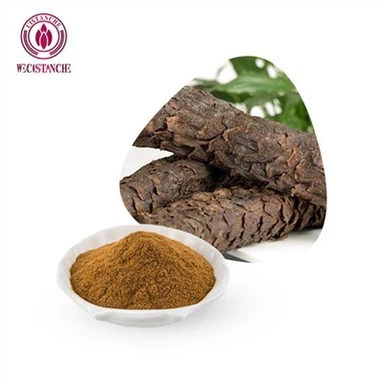
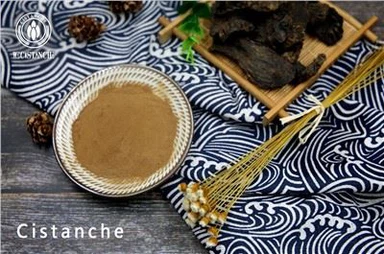
Why mention Cistanche (Rou Cong Rong) here?
In TCM terms, it "tonifies kidney yang" and moistens the intestines-mapping neatly onto the brain–gut–testis axis: supporting sexual vitality (testis), promoting bowel comfort (gut), and aiding energy and cognitive resilience (brain).
Modern interest focuses on phenylethanoid glycosides (echinacoside, acteoside) with antioxidant, anti-inflammatory, and circulatory support actions.
Cistanche benefits (general)
Supports energy and healthy aging resilience.
Gut comfort and bowel regularity support-useful where constipation or dryness is present.
Neuroprotective potential in preclinical models-aligns with focus and mood support.
Cistanche benefits for men
Libido and erectile function: Traditional use plus circulation support may aid performance as part of a broader program (sleep, exercise, cardiometabolic health).
Testosterone dynamics and sperm quality: Antioxidant and mitochondrial support in testicular tissue may help protect steroidogenesis and spermatogenesis under stress.
Synergy with the axis: Pairing Cistanche with prebiotic fibers and targeted probiotics supports microbiome health; indirectly this may favor gut hormone balance (GLP-1/GIP signaling), systemic inflammation reduction, and HPG axis stability.
Practical, consumer-friendly formula ideas (for education/R&D)

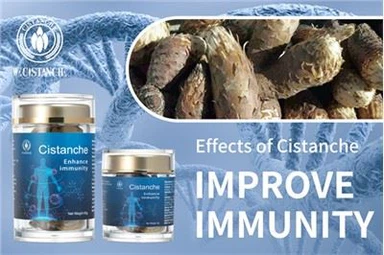
Cistanche Astragalus Ginseng Pills
Axis support daily capsule
Cistanche extract (standardized)
Astragalus for gut barrier and immune tone
Schisandra for stress resilience
Aged citrus peel (Chen Pi) for digestive comfort
Zinc and vitamin D3 to support androgen pathways
Optional: A clinically-characterized probiotic strain (Lactobacillus or Bifidobacterium) and 3–5 g/day prebiotic fiber (inulin or partially hydrolyzed guar gum), taken separately.
Vitality and bowel-ease tea
Cistanche + hemp seed (Huo Ma Ren) + goji berry
Light licorice for palatability (mind total glycyrrhizin exposure)
Intended for those with low energy plus mild dryness-related constipation.

Usage pointers
Typical standardized extract: 300–800 mg/day, titrated to tolerance and product specs.
Quality matters: Verify species (C. deserticola or C. tubulosa), active content, and contaminants.
Safety: Generally well tolerated; monitor if on antihypertensives, anticoagulants, or with GI conditions. Not a substitute for medical care in infertility, ED, or hypogonadism.
How to make this actionable today
Lifestyle anchors:
Sleep 7–9 hours, consistent schedule.
Resistance + aerobic training; avoid chronic heat to the testes.
Mediterranean-style diet pattern with fiber and polyphenols; regular mealtimes to stabilize gut hormones.
Microbiome care:
Daily fiber target ~25–38 g; include fermented foods.
Consider a time-limited probiotic trial if there's stress, heat exposure, toxin exposure, or antibiotic history.
Endocrine and mood:
Screen and manage metabolic syndrome, excess adiposity, and depression/anxiety-each can derail the axis.
If fertility is a goal, discuss semen analysis, morning testosterone, LH/FSH, prolactin, SHBG, and thyroid checks with a clinician.
SEO keywords to use naturally in articles and product pages
cistanche benefits; cistanche benefits for men; brain–gut–testis axis; GLP-1 and male fertility; gut hormones and testosterone; probiotics for men's reproductive health; natural libido support; support for sperm motility; stress, sleep, and HPG axis.
New closing insight
Bringing the data together, the most reliable gains come from stacking small wins across all three nodes of the brain–gut–testis axis. Think of it as a systems upgrade: steady sleep and stress control tune the brain; fiber, fermented foods, and a stable eating window balance gut hormones and the microbiome; strength training and weight management safeguard androgen status and sperm health. Thoughtful botanicals like Cistanche can reinforce these foundations-but they work best as part of this bigger, integrated plan.