Can Hemodialysis Be Converted To Peritoneal Dialysis? Four Items Need To Be Checked
Jul 10, 2024
Peritoneal dialysis and hemodialysis are both important renal replacement therapies for patients with end-stage renal disease (ESRD), each with its own unique advantages and disadvantages. In clinical practice, peritoneal dialysis is favored by many patients because of its high quality of life, high degree of freedom, ability to protect residual renal function (RKF), and high early survival rate. However, there are significant differences in the use of peritoneal dialysis in different countries and regions. In the United States, the use of peritoneal dialysis is low, which is mainly attributed to the restrictions of medical insurance policies, insufficient education of patients and caregivers, and insufficient understanding of peritoneal dialysis by medical staff. This leads to many ESRD patients receiving dialysis in emergency situations, often not knowing the option of peritoneal dialysis. After receiving hemodialysis for a period of time, some patients learned about peritoneal dialysis and wanted to switch to this dialysis mode. Faced with such a demand, how should you respond?

Click to Cistanche for kidney disease
Recently, Canadian scholars have discussed this issue. They believe that even patients who have received hemodialysis in dialysis centers may be able to switch to peritoneal dialysis to enjoy a freer and higher quality of life. The scholars first reviewed the existing data and pointed out that if patients who had previously received hemodialysis are to be successfully converted and benefit from peritoneal dialysis in the long term, the following four aspects need to be examined.
Recently, a number of high-quality studies have shown that hemodialysis patients can be converted to peritoneal dialysis, but there are still some urgent problems in this process.
Hsu et al. conducted an observational study in the United States, including 5224 patients. The study mainly explored the differences in clinical outcomes between patients who were converted from hemodialysis to peritoneal dialysis and those who were initially on peritoneal dialysis. The results showed that compared with patients who were initially on peritoneal dialysis, patients who were converted to peritoneal dialysis were more likely to receive hemodialysis again within 90 days after conversion (60.8% vs 18.0%). Within 9 months, the risk of patients who were converted to peritoneal dialysis receiving hemodialysis again was 1.5 times that of patients who were initially on peritoneal dialysis. Data analysis also showed that peritoneal dialysis patients who had previously received hemodialysis had a shorter overall peritoneal dialysis treatment time (13 months vs 18 months).

The results of this study are somewhat different from previous Canadian studies. Although the Canadian study also found that peritoneal dialysis patients who had previously received hemodialysis were more likely to receive hemodialysis again than those who initially received peritoneal dialysis, there was no significant difference in the above risks if the patient's hemodialysis history was less than 1 year.
4 aspects of the examination
Why is the long-term success rate of peritoneal dialysis lower with a longer history of hemodialysis? The following four main reasons can explain this phenomenon.
First, lower RKF
Compared with peritoneal dialysis, the residual renal function of hemodialysis patients is rapidly lost. Therefore, patients who convert hemodialysis to peritoneal dialysis need a more intensive dialysis prescription to achieve adequate solute and fluid removal. Previous studies have shown that residual renal function is closely related to the success rate of peritoneal dialysis. In addition, scholars do not recommend that patients with lower RKF use incremental peritoneal dialysis prescriptions. It is worth noting that the study by Hsu et al. found that peritoneal dialysis patients with lower Kt/V were more likely to convert to hemodialysis.
Second, microbial infection
Compared with peritoneal dialysis patients, central hemodialysis patients are more likely to be infected with resistant bacteria, leading to peritoneal dialysis failure. The first case of vancomycin-resistant enterococci in the United States originated from a hemodialysis center. In the study of Hsu et al., peritonitis was an important risk and predictive factor for patients to switch to hemodialysis. With each episode of peritonitis, the patient's likelihood of switching to hemodialysis within 9 months increased by 88%. Therefore, before switching to peritoneal dialysis, microbial colonization tests should be performed to ensure that the patient is not infected with resistant bacteria, and more stringent infection prevention measures are required after the switch.
Third, insufficient patient education
Many of the patients who initially received hemodialysis started dialysis due to emergencies. They have insufficient knowledge and education about chronic kidney disease (CKD), and lifestyle interventions may not be thorough. These factors increase their risk of switching back to hemodialysis after switching to peritoneal dialysis.
Fourth, a heavier burden of cardiovascular disease
Studies have shown that compared with peritoneal dialysis patients, hemodialysis patients have a heavier burden of cardiovascular disease. The burden of cardiovascular disease is associated with poor peritoneal dialysis outcomes, making these patients more likely to switch to hemodialysis again.
Therefore, when hemodialysis patients want to switch to peritoneal dialysis patients, the following four aspects need to be checked:
① Clarify the patient's RKF and the best PD prescription;
② Check whether the patient is infected with drug-resistant bacteria, including combing their infection history;
③ Strengthen patient education to help patients understand their own conditions and diseases;
④ Comprehension of patients' comorbidities, especially the burden on the cardiovascular system.
Other precautions
In addition to discussing the points that need to be paid attention to when hemodialysis patients switch to peritoneal dialysis patients, scholars also discussed the current ESRD treatment standards. They found that in the study of Hsu et al., nearly 40% of patients wanted to switch to peritoneal dialysis after receiving hemodialysis. This finding highlights the problem that the current treatment status fails to fully meet the needs of patients. Doctors should strengthen the management of patients with chronic kidney disease (CKD). When CKD patients are about to or may progress to ESRD, they should strengthen communication with patients, popularize knowledge of renal replacement therapies such as peritoneal dialysis and hemodialysis, and help them make informed decisions. This can increase the proportion of patients who initially choose peritoneal dialysis.

In Canada and the United States, there are still a considerable number of patients who lack pre-dialysis education. Previous studies have shown that only 20% of patients receive professional dialysis education before dialysis. In addition, many patients receive emergency initial dialysis rather than planned dialysis treatment. These situations suggest that improving pre-dialysis education and planning may help improve patients' treatment experience and long-term prognosis.
How Does Cistanche Treat Kidney Disease?
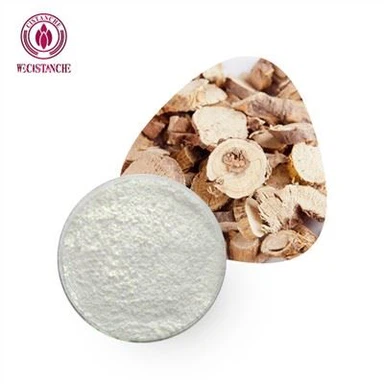
Cistanche is a traditional Chinese herbal medicine used for centuries to treat various health conditions, including kidney disease. It is derived from the dried stems of Cistanche deserticola, a plant native to the deserts of China and Mongolia. The main active components of cistanche are phenylethanoid glycosides, echinacoside, and acteoside, which have been found to have beneficial effects on kidney health.
Kidney disease, also known as renal disease, refers to a condition in which the kidneys are not functioning properly. This can result in a buildup of waste products and toxins in the body, leading to various symptoms and complications. Cistanche may help treat kidney disease ase through several mechanisms.
Firstly, cistanche has been found to have diuretic properties, meaning it can increase urine production and help eliminate waste products from the body. This can help relieve the burden on the kidneys and prevent the buildup of toxins. By promoting diuresis, cistanche may also help Reduce high blood pressure, a common complication of kidney disease.
Moreover, cistanche has been shown to have antioxidant effects. Oxidative stress, caused by an imbalance between the production of free radicals and the body's antioxidant defenses, plays a key role in the progression of kidney disease. ies help neutralize free radicals and reduce Oxidative stress, thereby protecting the kidneys from damage. The phenylethanoid glycosides found in cistanche have been particularly effective in scavenging free radicals and inhibiting lipid peroxidation.
Additionally, cistanche has been found to have anti-inflammatory effects. Inflammation is another key factor in the development and progression of kidney disease. Cistanche's anti-inflammatory properties help reduce the production of pro-inflammatory cytokines and inhibit the activation of inflammation mandatory pathways, thus alleviating inflammation in the kidneys.

Furthermore, cistanche has been shown to have immunomodulatory effects. In kidney disease, the immune system can be dysregulated, leading to excessive inflammation and tissue damage. Cistanche helps regulate the immune response by modulating the production and activity of immune cells, such as T cells and macrophages. This immune regulation helps reduce inflammation and prevent further damage to the kidneys.
Moreover, cistanche has been found to improve renal function by promoting the regeneration of renal tubes with cells. Renal tubular epithelial cells play a crucial role in the filtration and reabsorption of waste products and electrolytes. In kidney disease, these cells can be damaged, leading to damaged renal function. Cistanche's ability to promote the regeneration of these cells helps restore proper renal function and improve overall kidney health.
In addition to these direct effects on the kidneys, cistanche has been found to have beneficial effects on other organs and systems in the body. This holistic approach to health is particularly important in kidney disease, as the condition often affects multiple organs and systems. che has been shown to have protective effects on the liver, heart, and blood vessels, which are commonly affected by kidney disease. By promoting the health of these organs, cistanche helps improve overall kidney function and prevent further complications.
In conclusion, cistanche is a traditional Chinese herbal medicine used for centuries to treat kidney disease. Its active components have diuretic, antioxidant, anti-inflammatory, immunomodulatory, and regenerative effects, which help improve renal function and protect the kidneys from further damage. , cistanche has beneficial effects on other organs and systems, making it a holistic approach to treating kidney disease.