Chaperone-Mediated Autophagy in Neurodegenerative Diseases And Acute Neurological Insults in The Central Nervous System Part 1
Aug 05, 2024
Abstract:
Autophagy is an important function that mediates the degradation of intracellular proteins and organelles. Chaperone-mediated autophagy (CMA) degrades selected proteins and is crucial in cellular proteostasis under various physiological and pathological conditions.
Intracellular proteins are one of the important components of cells. They play many roles in the human body, including regulating cell metabolism and maintaining cell structure. At the same time, studies have found that intracellular proteins are closely related to memory.
People often say that "it is normal for middle-aged people to have a little memory loss", but this statement is not accurate. Age is not the main reason for memory loss. The aging and reduction of intracellular proteins are one of the important reasons for memory loss.
Most of the functions of intracellular proteins are related to signal transmission. When the internal environment changes, the proteins in the cell will change, and this change causes internal interactions between proteins and other proteins and ligands. This interaction ultimately regulates cell function through signal transmission.
Signal transmission also plays a very critical role in the memory process. In the human body, memory formation is mainly completed by synaptic transmission between neurons. Intracellular proteins can regulate the synaptic structure between neurons, thereby affecting the information exchange between neurons and strengthening or weakening the connection between synapses. These effects ultimately determine the formation and storage of memory.
In addition, researchers found that multiple experimental data on intracellular proteins and memory proved that internal interactions between proteins can cause synchronization between memory cells. This synchronization is closely related to the formation and storage of memory. Therefore, increasing the content of intracellular protein is one of the important means to protect memory.
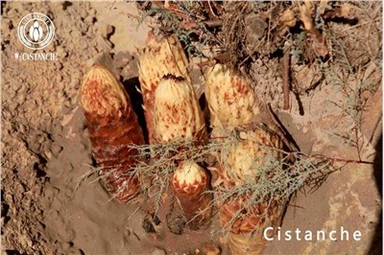
In summary, the relationship between intracellular protein and memory is obvious. Maintaining the stability of intracellular protein and increasing the content of protein can effectively protect and enhance memory. Therefore, we should pay attention to a healthy diet, scientific exercise, and good mental health, and maintain a positive attitude to maintain and improve our memory. It can be seen that we need to improve memory, and Cistanche can significantly improve memory because Cistanche is a traditional Chinese medicine with many unique effects, one of which is to improve memory. The efficacy of Cistanche comes from the various active ingredients it contains, including tannic acid, polysaccharides, flavonoid glycosides, etc. These ingredients can promote brain health in many ways.

Click know 10 ways to improve memory
CMA dysfunction leads to the accumulation of toxic protein aggregates in the central nervous system (CNS) and is involved in the pathogenic process of neurodegenerative diseases, including Parkinson's disease and Alzheimer's disease.
Previous studies have suggested that the activation of CMA to degrade aberrant proteins can provide a neuroprotective effect in the CNS. Recent studies have shown that CMA activity is upregulated in damaged neural tissue following acute neurological insults, such as cerebral infarction, traumatic brain injury, and spinal cord injury.
It has been also suggested that various protein degradation mechanisms are important for removing toxic aberrant proteins associated with secondary damage after acute neurological insults in the CNS.
Therefore, enhancing the CMA pathway may induce neuroprotective effects not only in neurogenerative diseases but also in acute neurological insults.
We herein review current knowledge concerning the biological mechanisms involved in CMA and highlight the role of CMA in neurodegenerative diseases and acute neurological insults. We also discuss the possibility of developing CMA-targeted therapeutic strategies for effective treatments.
Keywords: chaperone-mediated autophagy; autophagy; LAMP2A; Hsc70; neurodegenerative disease; Parkinson's disease; Alzheimer's disease; traumatic brain injury; spinal cord injury; central nervous system.
1. Introduction
Various important cellular functions, including maintaining viability, depend on protein homeostasis, namely, proteostasis [1]. Cellular proteostasis requires a constant balance between protein synthesis and degradation.
In particular, maintaining cellular protein homeostasis is essential for long-lived post-mitotic cells, such as neurons [1–3]. Proteostasis is strongly associated with the recognition and removal of unwanted proteins to ensure protein quality control. Unwanted, damaged, misfolded, and aggregated proteins are mainly degraded by the ubiquitin-proteasome system (UPS) and the lysosome-dependent autophagic process [4].
Autophagy is an important cellular function that mediates the degradation of intracellular proteins and organelles in lysosomes.
Autophagy plays a crucial role in cellular protein homeostasis. There are three forms of autophagy: macroautophagy, microautophagy, and chaperone-mediated autophagy (CMA) [5].
In brief, macroautophagy is characterized by the formation of double-membrane vesicles (autophagosomes) that fuse with lysosomes and degrade their contents. Microautophagy is characterized by lysosomal (vacuolar) or endosomal membrane dynamics to directly enwrap cytoplasmic components.
In contrast, CMA is different from macroautophagy and microautophagy because it does not require the formation of vacuoles and only degrades selected individual proteins.
CMA is a process in which the molecular chaperone heat-shock cognate protein 70 (Hsc70) targets the substrate with a KFERQ motif to the lysosome membrane [6,7].
Therefore, CMA is particularly important in cellular proteostasis under various physiological and pathological conditions [8]. Indeed, nearly 30% of cytosolic proteins may potentially be targeted by CMA [9]. Selective protein degradation via CMA mediates cellular homeostasis under various stress conditions, such as starvation, hypoxia, and exposure to toxins [10–12].

Under such stress conditions, CMA degrades substrates selectively, thereby contributing to the elimination of altered proteins and recycling of amino acids. The timely degradation of specific proteins by CMA can regulate multiple cellular functions, such as glucose and lipid metabolism, DNA repair, and cellular reprogramming [6].
Many studies have revealed that CMA dysfunction is related to the pathologies of various human diseases, such as cardiac diseases, liver diseases, cancer, and neurodegenerative diseases [4,6,13–15].
Importantly, changes in CMA activity play an important role in different pathologies in various human diseases affecting the central nervous system (CNS) [1].
In particular, CMA dysfunction leads to the accumulation of toxic protein aggregates in the CNS and is involved in the pathogenic process of various neurodegenerative diseases, such as Parkinson's disease (PD), Alzheimer's disease (AD), Huntington's disease (HD), frontotemporal lobar degeneration (FTLD), and amyotrophic lateral sclerosis (ALS) [4,14].
In these diseases, many different pathogenic proteins have been identified as the substrates of CMA.
Conversely, it has been also reported that CMA activity is upregulated in damaged neural tissue after traumatic brain injury (TBI) [16] and cerebral ischemia [17], suggesting the cytoprotective role of CMA against acute brain damage. In addition, a previous study showed that CMA activity is promoted in various neural cells following spinal cord injury (SCI) [18].
Therefore, CMA may play an important role in neuroprotective mechanisms following acute CNS injury.
In this review, we summarize current knowledge concerning the biological mechanisms involved in CMA and highlight the role of CMA in neurodegenerative diseases and acute neurological insults in the CNS.
We also discuss the possibility of developing CMA-targeted therapeutic strategies to treat neurodegenerative disorders and acute CNS injury.
2. General Characteristics of CMA
Autophagy can be categorized into three main forms: macroautophagy, microautophagy, and CMA [5]. In macroautophagy, a newly formed isolation membrane sequesters cytosolic proteins and organelles.
This membrane then matures and seals into a double-membrane vesicle called an autophagosome [5]. The contents of autophagosomes can be degraded by lysosome enzymes.
During microautophagy, the intracellular components are directly captured by the lysosomal membrane via invagination [19,20]. The engulfed cargoes are then delivered into the lumen by vesicle scission for subsequent degradation [6,20,21].
Microautophagy generally participates in the constant removal of organelles and intracellular proteins [20]. In contrast, CMA does not require vesicle formation and involves cargo recognition and delivery of substrates to lysosomes instead [6].
CMA, in a unique way, selectively targets protein substrates and directly transports them into the lysosome lumen for degradation [8]. The function of CMA is presumed to be restricted to mammals and birds [22], although other autophagic pathways are conserved from yeast to mammals.
Importantly, CMA activity has been detected in many different mammalian cell types, including fibroblasts [23], hepatocytes [24], astrocytes [18], primary neurons [25], macrophages [26], dendritic cells [26], T-cells [27], retinal cells [28], and a large array of cancer cells of different origins [13].
Furthermore, CMA studies have been performed with lysosomes isolated from the liver [29], spleen [30], different brain regions [25], and kidneys [31]. The levels of CMA activity vary depending on cell type and cellular conditions.

CMA is maximally activated in most cells under stress conditions and contributes to the selective degradation of unwanted or damaged proteins and organelles [8,9].
Selective degradation by CMA provides an important quality control mechanism to maintain intracellular proteostasis and avoid proteotoxicity [32,33]. During prolonged starvation, amino acids can be recycled and provide energy for cells [10,33].
During starvation-induced autophagy, macroautophagy can be activated by starvation for 30 min and reaches a peak after 4–6 h of treatment, while CMA is activated after 8–10 h and generally reaches a peak after 3 days of starvation [10,23,33].
The selectivity of CMA can be beneficial under conditions in which discrimination between different types of proteins for degradation is required. Activation of protein degradation via CMA during prolonged starvation will provide cells with free amino acids required to sustain protein synthesis [10,34].
In addition, activation of CMA during mild oxidative stress or after exposure to compounds that decrease proteostasis allows the selective removal of the proteins damaged or altered under these conditions [12].
Furthermore, selective protein removal through CMA has been shown to exert important regulatory functions in metabolic pathways and DNA repair pathways [24,35].
CMA is important for helping the immune system regulate the CD4+ T-cell response, as CMA selectively degrades negative regulators of T-cell activation [27]. Selective degradation via CMA is involved in the cell cycle and transcription by reducing the number of enzymes or transcriptional factors in cells [30,36,37].
3. Basic Molecular Mechanism of CMA
CMA is a selective degradation form of cytosolic proteins wherein the targeted protein substrates are directly translocated into the lysosomal membrane. To be CMA substrates, proteins must contain a specific targeting motif in their amino acid sequence.
The basic process of CMA can be divided into the following steps: (I) substrate recognition and delivery to lysosome; (II) substrate binding to the lysosomal membrane; (III) substrate translocation through the lysosomal membrane; and (IV) substrate degradation in the lysosomal lumen (Figure 1) [4,6].
In the first step of the CMA process, cytosolic substrate proteins that contain the pentapeptide structure motif KFERQ are recognized by Hsc70, a cytosolic member of the Hsp70 chaperone family [7]. The protein substrate–chaperone complex is then delivered to the lysosomal surface.
Second, the substrate complex binds to the lysosomal membrane, assisted by lysosome-associated membrane protein 2A (LAMP2A) [38]. LAMP2A monomers are then assembled into multimeric structures, forming the translocation complex that enables the translocation of the substrates into the lysosomal lumen.
Substrates can bind to LAMP2A in a folded state but they must be unfolded to be translocated to the lumen of the lysosome [39]. Third, the substrate proteins are unfolded and then translocated across the lysosomal membrane.
There is a form of Hsc70 located within the lysosome (lys-Hsc70) that reinforces the translocation of the substrate. Finally, the substrate proteins are degraded rapidly by proteases inside the lysosome.
The activity of CMA is tightly regulated to maintain cellular proteostasis. The regulation of CMA depends on multiple aspects, such as the level of LAMP2A in the lysosome, the level of Hsc70, and the condition of the KFERQ-like motif of the substrate [1].
CMA activity
also can be affected by the rate of assembly/disassembly of the translocation complex and
the presence of lys-Hsc70 within the lysosomal lumen [4,8].
Compensatory mechanisms between CMA and other intracellular protein degradation systems are important for ensuring appropriate cellular proteostasis [40].
Although there are definite differences in the underlying molecular mechanisms between these two autophagic pathways, macroautophagy and CMA are closely connected during the lysosomal degradation process [41].
Indeed, macroautophagy can be upregulated under CMA-defective conditions [23]. In addition, the inhibition of macroautophagy can lead to activation of the CMA process [42].
It is noteworthy that UPS and the autophagy–lysosomal system are functionally coupled in the degradation of excess or damaged proteins to maintain cellular homeostasis and ensure neuronal survival [43,44].

Importantly, CMA and UPS collaborate to degrade the gene product of the regulator of calcineurin 1, whose overexpression has been linked to Down's syndrome and AD neuropathology [45].

For more information:1950477648nn@gmail