Chinese Expert Consensus On The Management And Treatment Of Primary IgA Nephropathy Released, With Four Key Points Clarifying The Key Content
Aug 23, 2024
Point 1: The Consensus has updated the IgAN treatment pathway and promoted a more standardized disease management process
The Consensus has updated the IgAN treatment pathway, emphasizing that IgAN needs to be pathologically classified and risk-stratified after diagnosis, and management and treatment should be based on the evaluation results. All IgAN patients receiving treatment need regular follow-up and monitoring of important indicators.

Click to Cistanche for kidney disease
Point 2: The Consensus emphasizes the need to focus on optimizing supportive care and to start RAASi and SGLT2i basic drug treatment as early as possible on the basis of lifestyle intervention
The Consensus emphasizes that optimizing supportive care is the focus of IgAN management, mainly including lifestyle intervention and basic drug treatment [1].
Lifestyle intervention is the basis of IgAN management and treatment, which helps control patients' blood pressure and urine protein, thereby delaying the progression of renal function. In this regard, the Consensus made the following recommendations:
It is recommended to adopt lifestyle interventions such as low salt (adult sodium intake <2 g/d), weight loss, moderate exercise, and smoking cessation.
It is recommended that patients with chronic kidney disease (CKD) stage 1-2 should consume 0.8 g/kg/d of protein, and patients with CKD stage 3-5 should control their protein intake to 0.6 g/kg/d.
Based on lifestyle intervention, the consensus emphasizes that once a diagnosis is confirmed, basic drug treatment should be started as soon as possible for IgAN patients.
In terms of drug treatment, ACEI/ARB drugs are the traditional basic drugs for the treatment of IgAN [2]. The consensus recommends the following:
For IgAN patients with proteinuria > 0.5 g/d, regardless of whether they have hypertension, RAASi is recommended, and it is recommended to titrate to the maximum tolerable dose or the maximum dose specified in the instructions. Changes in serum creatinine and potassium should be monitored for 2-4 weeks after starting or increasing the dose of RAASi.

Thanks to the cardiorenal benefits of sodium-glucose co-transporter 2 inhibitors (SGLT2i) in the treatment of IgAN in the DAPA-CKD[3] and EMPA-KIDNEY[4] studies, this consensus officially recommends SGLT2i as another basic treatment for IgAN* and gives clear treatment recommendations[1]:
It is recommended to select SGLT2i with evidence-based support for cardiorenal benefits for adult IgAN patients with eGFR ≥ 25 mL/min/1.73㎡ or eGFR ≥ 20 mL/min/1.73㎡* to delay the progression of renal disease, reduce the rate of eGFR decline, and reduce the urine albumin-to-creatinine ratio (UACR). For patients with impaired renal function, especially those with severe renal impairment, the use of SGLT2i should closely monitor renal function and promptly stop or adjust the drug dose.
For patients who have already used SGLT2i, they can continue to use it even if the eGFR drops below 20 mL/min/1.73㎡*, but renal function needs to be closely monitored and the drug dosage should be discontinued or adjusted in time.
In addition, the "Consensus" points out that if the patient has type 2 diabetes/improper glucose tolerance, metabolic syndrome, ACEi/ARB drugs are not suitable or cannot accept the ACEi/ARB drug titration process, etc., SGLT2i can be considered for priority.
Point 3 The "Consensus" points out that, in combination with the characteristics of Chinese patients, immunosuppressants and other treatment methods should be started in a timely manner when necessary.
Based on a number of domestic evidence-based evidence, the "Consensus" also provides relevant recommendations for immunosuppressant treatment and other treatment methods that are in line with the characteristics of Chinese patients [1]:
After at least 3 months of optimized supportive treatment for IgAN and blood pressure reaching the target, if proteinuria continues to exceed 0.75~1.0 g/d, immunosuppressive treatment should be considered. Before initiating immunotherapy, the benefits and harms of immunotherapy should be weighed with the patient, especially for IgAN patients with eGFR < 50 mL/min/1.73㎡; immunosuppressive therapy is not recommended for IgAN patients with eGFR < 30 mL/min/1.73㎡ unless they present with rapidly progressive nephritic syndrome. Commonly used immunosuppressants include glucocorticoids, cyclophosphamide, hydroxychloroquine, mycophenolate mofetil (MMF), etc.
In addition, the "Consensus" also pointed out that Chinese patent medicines have also shown certain efficacy in IgAN patients, and clinical treatment can be given according to TCM syndrome differentiation.
Point 4 The "Consensus" emphasizes the need to pay attention to IgAN complications and conduct comprehensive management of the disease.
IgAN patients may have multiple complications such as hypertension, hyperlipidemia, and hyperkalemia. Clinical treatment needs to focus on comprehensive disease management and give relevant recommendations for the treatment of related complications, as shown in the following table[1]:
In addition, the consensus also made treatment recommendations for special populations of IgA nephropathy, such as patients with diabetes/pregnancy[1]:
1. For IgAN with type 2 diabetes, metformin, and SGLT2i are recommended as the first choice and basic medications for blood sugar control. If the patient is already receiving other hypoglycemic drugs, it is recommended to add SGLT2i to the treatment plan.
2. Provide pre-pregnancy counseling for patients planning pregnancy. If there is still a high risk of progression after optimized supportive treatment, it is recommended to try immunosuppressive treatment before pregnancy.
Summary
The "Consensus" emphasizes optimizing supportive treatment and starting basic drug treatment as soon as possible on the basis of lifestyle intervention. In addition to ACEi/ARB drugs, SGLT2i has also officially become a new basic drug for IgAN.

In addition, the "Consensus" also combines Chinese research evidence to provide treatment recommendations that are more in line with the Chinese population in terms of other supplementary treatment methods, comorbidity management, and special population management. This is of great value in promoting standardized diagnosis and treatment of primary IgAN in my country and helping patients delay disease progression.
How Does Cistanche Treat Kidney Disease?
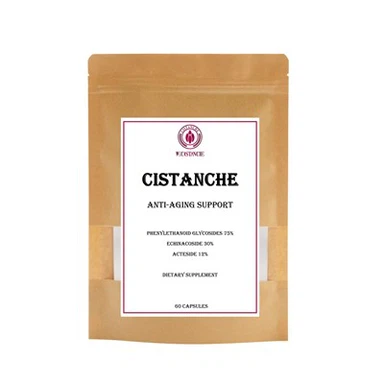
Cistanche is a traditional Chinese herbal medicine used for centuries to treat various health conditions, including kidney disease. It is derived from the dried stems of Cistanche deserticola, a plant native to the deserts of China and Mongolia. The main active components of cistanche are phenylethanoid glycosides, echinacoside, and acteoside, which have been found to have beneficial effects on kidney health.
Kidney disease, also known as renal disease, refers to a condition in which the kidneys are not functioning properly. This can result in a buildup of waste products and toxins in the body, leading to various symptoms and complications. Cistanche may help treat kidney disease ase through several mechanisms.
Firstly, cistanche has been found to have diuretic properties, meaning it can increase urine production and help eliminate waste products from the body. This can help relieve the burden on the kidneys and prevent the buildup of toxins. By promoting diuresis, cistanche may also help Reduce high blood pressure, a common complication of kidney disease.
Moreover, cistanche has been shown to have antioxidant effects. Oxidative stress, caused by an imbalance between the production of free radicals and the body's antioxidant defenses, plays a key role in the progression of kidney disease. ies help neutralize free radicals and reduce Oxidative stress, thereby protecting the kidneys from damage. The phenylethanoid glycosides found in cistanche have been particularly effective in scavenging free radicals and inhibiting lipid peroxidation.
Additionally, cistanche has been found to have anti-inflammatory effects. Inflammation is another key factor in the development and progression of kidney disease. Cistanche's anti-inflammatory properties help reduce the production of pro-inflammatory cytokines and inhibit the activation of mandatory pathways for inflammation, thus alleviating inflammation in the kidneys.

Furthermore, cistanche has been shown to have immunomodulatory effects. In kidney disease, the immune system can be dysregulated, leading to excessive inflammation and tissue damage. Cistanche helps regulate the immune response by modulating the production and activity of immune cells, such as T cells and macrophages. This immune regulation helps reduce inflammation and prevent further damage to the kidneys.
Moreover, cistanche has been found to improve renal function by promoting the regeneration of renal tubes with cells. Renal tubular epithelial cells play a crucial role in the filtration and reabsorption of waste products and electrolytes. In kidney disease, these cells can be damaged, leading to damaged renal function. Cistanche's ability to promote the regeneration of these cells helps restore proper renal function and improve overall kidney health.
In addition to these direct effects on the kidneys, cistanche has been found to have beneficial effects on other organs and systems in the body. This holistic approach to health is particularly important in kidney disease, as the condition often affects multiple organs and systems. che has been shown to have protective effects on the liver, heart, and blood vessels, which are commonly affected by kidney disease. By promoting the health of these organs, cistanche helps improve overall kidney function and prevent further complications.
In conclusion, cistanche is a traditional Chinese herbal medicine used for centuries to treat kidney disease. Its active components have diuretic, antioxidant, anti-inflammatory, immunomodulatory, and regenerative effects, which help improve renal function and protect the kidneys from further damage. , cistanche has beneficial effects on other organs and systems, making it a holistic approach to treating kidney disease.