Is Urine Occult Blood 3+ Serious? How To Treat It?
Aug 23, 2024
Patients often come to see the doctor with their test reports, saying that the physical examination found 3+ occult blood in their urine. Is it serious? How to treat it?
Most people think that if there is blood in the urine, the problem must be very serious, so they are quite nervous. In fact, blood in the urine may not be serious. Today I will talk about the problem of occult blood in urine. Normal people's urine is slightly yellow and transparent, without red blood cells and white blood cells, protein, and sugar, so the routine urine examination is clean and there is no "+".

However, when there are red blood cells in the urine, the examination will find occult blood in urine +. However, in some cases, urine contains infected secretions, strong oxidants, bacteria, etc., and occult blood in urine + will also appear, so occult blood in urine + is not completely hematuria. If occult blood in urine + is found, further examination must be carried out. Generally, the urine is centrifuged first, and the centrifuged sediment is taken for urine phase contrast microscopy to clarify: 1. Are there red blood cells and is it hematuria; 2. If it is hematuria, does the red blood cell come from the kidney or outside the kidney; 3. Is there proteinuria. If there are no red blood cells in the urine sediment, it is not hematuria. If the number of red blood cells under a high-power microscope in urine sediment is ≥3, it is hematuria.
Hematuria is common in three situations:
1. Normal people may also have positive urine occult blood after fever or strenuous exercise, but this situation is usually not serious, mostly transient, generally does not require treatment, and will return to normal after a period of rest.
2. Kidney disease Hematuria caused by kidney disease is called renal hematuria. The red blood cell morphology of renal hematuria is mostly deformed, and the deformed red blood cells exceed 60%~70%.
If there is also urine protein, the cause of kidney disease should be further examined and accurately treated according to different causes.

1. Renal hematuria and proteinuria are common in glomerulonephritis, hypertensive nephropathy, purpuric nephritis, lupus nephritis, etc. Glomerulonephritis, purpuric nephritis, lupus nephritis, etc., according to the level of urine protein, may need to use hormones and other immunosuppressive treatment, hypertensive nephropathy is prohibited from using hormones and other immunosuppressants.
2. If there is renal hematuria, but no proteinuria and hypertension, it is common in latent glomerulonephritis, thin basement membrane nephropathy, and nutcracker phenomenon. These three conditions are generally harmless and do not require treatment. I emphasize again that renal hematuria, if there is no proteinuria and hypertension, generally does not require treatment, and regular follow-up is sufficient.
It can be seen that the determining factor for whether to treat and what medicine to use is proteinuria rather than hematuria, so hematuria is not as terrible as you think. 3. Extrarenal diseases Hematuria caused by extrarenal diseases is called extrarenal hematuria. The morphology of red blood cells is mostly normal, the proportion of abnormal red blood cells is less than 30%, and there is no proteinuria.

Extrarenal hematuria is common in urinary tract infections, stones, tumors, etc. If extrarenal hematuria is found, imaging examinations such as color Doppler ultrasound, CT, MRI, and urography are also required to clarify the cause and treat the cause, such as antibiotics for urinary tract infections, extracorporeal lithotripsy for ureteral stones, and surgical resection of urinary system tumors. Long-term use of anticoagulants such as aspirin, as well as urinary bleeding caused by coagulation disorders, can also cause extrarenal hematuria. In this case, blood pressure anticoagulation treatment is required. If you find occult blood in your urine, don't be nervous, but seek medical attention in time, identify the cause, and follow the doctor's instructions for standardized treatment.
How Does Cistanche Treat Kidney Disease?
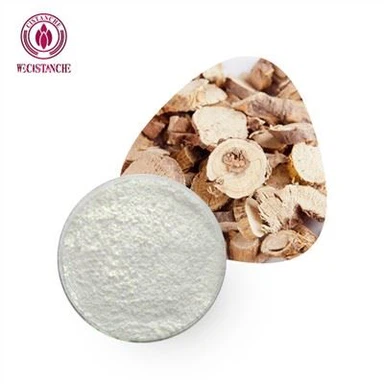
Cistanche is a traditional Chinese herbal medicine used for centuries to treat various health conditions, including kidney disease. It is derived from the dried stems of Cistanche deserticola, a plant native to the deserts of China and Mongolia. The main active components of cistanche are phenylethanoid glycosides, echinacoside, and acteoside, which have been found to have beneficial effects on kidney health.
Kidney disease, also known as renal disease, refers to a condition in which the kidneys are not functioning properly. This can result in a buildup of waste products and toxins in the body, leading to various symptoms and complications. Cistanche may help treat kidney disease ase through several mechanisms.
Firstly, cistanche has been found to have diuretic properties, meaning it can increase urine production and help eliminate waste products from the body. This can help relieve the burden on the kidneys and prevent the buildup of toxins. By promoting diuresis, cistanche may also help Reduce high blood pressure, a common complication of kidney disease.
Moreover, cistanche has been shown to have antioxidant effects. Oxidative stress, caused by an imbalance between the production of free radicals and the body's antioxidant defenses, plays a key role in the progression of kidney disease. ies help neutralize free radicals and reduce Oxidative stress, thereby protecting the kidneys from damage. The phenylethanoid glycosides found in cistanche have been particularly effective in scavenging free radicals and inhibiting lipid peroxidation.
Additionally, cistanche has been found to have anti-inflammatory effects. Inflammation is another key factor in the development and progression of kidney disease. Cistanche's anti-inflammatory properties help reduce the production of pro-inflammatory cytokines and inhibit the activation of mandatory pathways for inflammation, thus alleviating inflammation in the kidneys.
Furthermore, cistanche has been shown to have immunomodulatory effects. In kidney disease, the immune system can be dysregulated, leading to excessive inflammation and tissue damage. Cistanche helps regulate the immune response by modulating the production and activity of immune cells, such as T cells and macrophages. This immune regulation helps reduce inflammation and prevent further damage to the kidneys.

Moreover, cistanche has been found to improve renal function by promoting the regeneration of renal tubes with cells. Renal tubular epithelial cells play a crucial role in the filtration and reabsorption of waste products and electrolytes. In kidney disease, these cells can be damaged, leading to damaged renal function. Cistanche's ability to promote the regeneration of these cells helps restore proper renal function and improve overall kidney health.
In addition to these direct effects on the kidneys, cistanche has been found to have beneficial effects on other organs and systems in the body. This holistic approach to health is particularly important in kidney disease, as the condition often affects multiple organs and systems. che has been shown to have protective effects on the liver, heart, and blood vessels, which are commonly affected by kidney disease. By promoting the health of these organs, cistanche helps improve overall kidney function and prevent further complications.
In conclusion, cistanche is a traditional Chinese herbal medicine used for centuries to treat kidney disease. Its active components have diuretic, antioxidant, anti-inflammatory, immunomodulatory, and regenerative effects, which help improve renal function and protect the kidneys from further damage. , cistanche has beneficial effects on other organs and systems, making it a holistic approach to treating kidney disease.