Chronic Constipation In Adults: The Primary Care ApproachⅡ
Sep 27, 2023
Categorizing Likely Causes of CC in Clinical Practice
The first-line approach in primary care is to ascertain if the problem has a primary or secondary basis. Primary causes are predominant and include the following:
• Functional constipation
• IBS-C
• Pelvic floor disorders
• Much less common primary causes include idiopathic megacolon or megarectum, Hirschsprung’s disease, and chronic intestinal pseudo-obstruction Secondary causes [8, 9]:
• Intrinsic structural problems such as colorectal cancer, diverticular disease, and rectocele
• Metabolic and endocrine causes such as hypercalcemia, coeliac disease, hypothyroidism, and hypercalcemia
• Neurological problems such as spinal cord injury and Parkinson’s disease
• Psychological causes such as depression, anorexia, affective disorders, and abuse history
• Medications, such as opiates, iron supplements, diuretics, and tricyclics
Distinguishing between IBS-C and functional CC Functional constipation, essentially the chief category of CC, and IBS-C are the predominant causes of constipation seen in primary care and should be distinguished from one another.
In IBS-C:
• Abdominal pain is a feature rather than in CC
• In IBS-C, pain is often relieved by defecation and can be associated with a change in the frequency and form of stool
• IBS-C is characterized by abnormal stool passage (straining, incomplete evacuation, and urgency), abdominal bloating, associations with eating, and the passage of mucous
In CC:
• Bloating and discomfort rather than pain
• Hard stools • Infrequent urge
• Straining
• Predominantly women, often first onset at puberty

Rectocoele and Enterocoele, Often Missed as a Cause of Constipation
The management of CC should be geared to the likely causes, and among commonly missed problems, in females, is the presence of a rectocoele or enterocoele. A rectocele is caused by the herniation of the rectum through rectovaginal defects, and an enterocoele is due to small intestinal pushing into the vagina. These lead to symptoms suggestive of obstructive defecation and are often associated with uterine prolapse or a cystocele. In this situation, in addition to constipation symptoms, patients often complain of having to resort to digital vaginal manipulation to aid the passage of stool.
These problems are largely related to childbirth, and a rectocele can also be present in women otherwise seemingly healthy. Primary care physicians, trained across clinical specialties, are uniquely placed to enquire about and diagnose such conditions which can continue causing problems in the elderly and where conventional treatments have not been helpful. Effective management requires referral to a gynecologist.
CC and Risk of Cancer
CC is associated with a higher prevalence of colorectal cancer and benign colorectal neoplasms, with the risks increasing with the severity of the constipation. The increase, as indicated by the incidence base ratios, has been estimated at 1.55 for cancer and 2.60 for benign tumors [10], although studies have also indicated that CC may be a short-term risk, dropping off after a year [11].

CC in itself is not considered to be the direct cause of these lesions which are likely to be mediated through longer transit times and a higher duration of mucosal contact with carcinogens such as bile acids. Nonetheless, any change in bowel habit or other alarm features alongside pre-existing CC should alert the clinician.
CC: Treatment Approaches in Primary Care
Having excluded secondary causes, the basic approach to treating CC involves either a stepwise selection or a combination of therapies and management.
Lifestyle and General Measures
Exercise, increased fluid intake, and fiber within the normal diet have been traditionally advocated as first-line remedies for CC. However, the evidence base for these is limited – whilst recent guidelines [10] make a strong recommendation for encouraging exercise, partly for overall health benefits, the level of evidence is only moderate. For example, increased exercise can increase intestinal transit times and this does not translate into outcomes in constipation [10]. Overall lifestyle modifications do help in quality of life improvements but not with a decrease in symptom severity [12].

Equally, in patients who are not dehydrated, additional fluid intake does not seem to have a positive effect on constipation [10], and there is a low level of evidence that dietary fiber alone within the regular diet makes a difference, although this may help if taken with increased fluids. Overall, guidelines recommend [10] that lifestyle measures may be of value in some patients to improve constipation and quality of life and contribute towards better health, but evidence linking interventions with positive outcomes is lacking.
Natural Herbal Medicine For Relieving Constipation-Cistanche
Cistanche is a genus of parasitic plants that belongs to the family Orobanchaceae. These plants are known for their medicinal properties and have been used in Traditional Chinese Medicine (TCM) for centuries. Cistanche species are predominantly found in arid and desert regions of China, Mongolia, and other parts of Central Asia. Cistanche plants are characterized by their fleshy, yellowish stems and are highly valued for their potential health benefits. In TCM, Cistanche is believed to have tonic properties and is commonly used to nourish the kidney, enhance vitality, and support sexual function. It is also used to address issues related to aging, fatigue, and overall well-being. While Cistanche has a long history of use in traditional medicine, scientific research on its efficacy and safety is ongoing and limited. However, it is known to contain various bioactive compounds such as phenylethanoid glycosides, iridoids, lignans, and polysaccharides, which may contribute to its medicinal effects.

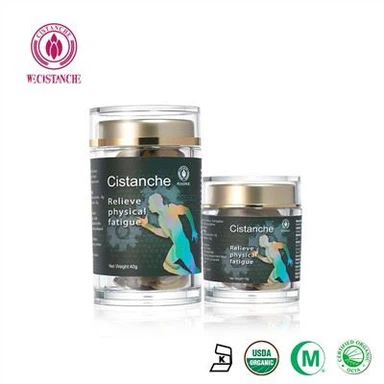
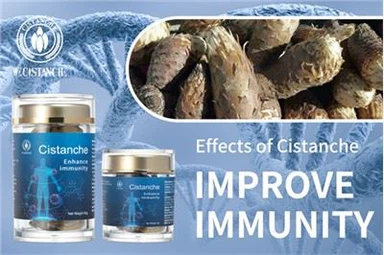
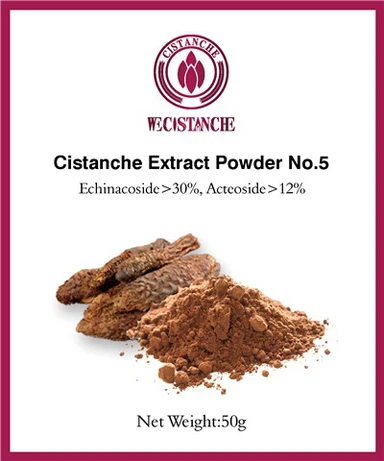
Wecistanche's cistanche powder, cistanche tablets, cistanche capsules, and other products are developed using desert cistanche as raw materials, all of which have a good effect on relieving constipation. The specific mechanism is as follows: Cistanche is believed to have potential benefits for relieving constipation based on its traditional use and certain compounds it contains. While scientific research specifically on Cistanche's effect on constipation is limited, it is thought to have multiple mechanisms that may contribute to its potential to relieve constipation. Laxative Effect: Cistanche has long been used in Traditional Chinese Medicine as a remedy for constipation. It is believed to have a mild laxative effect, which can help promote bowel movements and induce constipation. This effect may be attributed to various compounds found in Cistanche, such as phenylethanoid glycosides and polysaccharides. Moistening the Intestines: Based on traditional use, Cistanche is considered to have moisturizing properties, specifically targeting the Intestines. Promoting hydration and lubrication of the Intestines, it may help soften tools and facilitate easier passage, thereby relieving constipation. Anti-inflammatory Effect: Constipation can sometimes be associated with inflammation in the digestive tract. Cistanche contains certain compounds, including phenylethanoid glycosides and lignans, that are believed to have anti-inflammatory properties. By reducing inflammation in the intestines, it may help improve bowel movement regularity and relieve constipation.