Chronic Renal Failure Specific Prescription
Oct 29, 2024
Hushen Wanshuai decoction
Composed of: Stir-fried Astragalus 30g, Ludangshen 9g, raw ground 9g, Cornus officinalis 9g, Huai Yam 30g, Alisma purpurea 9g, White Tuckahoe 9g, Schisandra schisandra 9g, Morinda 9g, Xianling Spleen 9g, Acanthophorus 9g, Ophiopogon 9g, water red flower seed 9g, Leonurus 30g, Leeches 3g, Hyloglossum 15g, Condylus solanum 9g, Parsnip 6g, Cicada 6g.

Click to Cistanche for kidney disease
Efficacy: warm kidney and promote blood circulation, dispel wind and clear heat.
Indications: Chronic renal failure.
Usage: Decoction with water 3 times, take 1 dose 3 times a day. 1 month for 1 course of treatment, can be taken 2-3 courses.
Examples of medical records
Yang Moumou, female, 61, farmer.
3 years ago, I suffered from systemic edema and was diagnosed as chronic glomerulonephritis by a hospital. After repeated treatment with Chinese and Western medicine, the edema subsided, but the kidney function gradually decreased. Several months to take alkaline medicine ineffective, and the disease is getting worse, bedridden. Today, because of the name, many family members accompanied by the car sent to see a doctor.
The face is dark, the body is thin, the whole body is weak, the walking needs help, the mouth has the smell of urine, the food is small, the abdominal distension after food, the pulse is thin and weak, the moss is pale, the tongue is light red. Serum creatinine 1270umol/L(normal value 70.3-106.1umol/L), serum urea nitrogen 49.21mmol/L(normal value 3.57-14.28mmol/L), blood glucose (fasting) 5.41mmol/L, blood pressure 12.7/10.0kPa(95/75mmHg). The diagnosis of chronic renal failure (uremia), dialectical Yang deficiency blood stasis, dampness-heat stagnation. The treatment should warm kidney, promote blood circulation and dispel wind. Hushen Wanshuai Decoction Hua zai, 10 doses. In addition, 30g rhubarb, 21g red ginseng, a total of ground powder, 1g each time, twice a day.

Second diagnosis: After taking the medicine, especially after taking the powder, abdominal distension is more severe, and the diet is gradually reduced. Urgent treatment of symptoms, encouraging and stomach Jiang turbid method. Medicinal pinellia, raw ochre (decocted first), white poria, fried bamboo shaoxing 30g each, amomum (bottom), wood incense (bottom), agarwood, crimson incense 6g each, white sandalwood incense 3g, ginger juice 9 drops (mixed). 5 doses.
Three diagnoses: front effective, abdominal distension eliminated, diet gradually recovered, spirit improved, has been able to walk. Then the method of warming kidney and promoting blood and expelling wind was simulated, 10 doses of Hushen Banshuai decoction were injected. In addition, rhubarb, red ginseng 30g each, ground powder, swallow 0.6g each time, twice a day.
Four diagnoses: After medicine, the patient's spirit is greatly stimulated, and he can walk with his family to see a doctor. Serum creatinine was 745umol/L and blood urea nitrogen was 23.2mmol/L. Effect step before the chapter, throw the original prescription 20 doses. In addition, bake 210g of gold, grind powder, swallow 3g each time, twice a day.
Five diagnoses: All symptoms were reduced, the face was colored, and serum creatinine was 112.0umol/L and blood urea nitrogen was 16.8mmol/L, which was basically normal. Add another 20 doses of the original formula, another 20 times the amount, crushed and sifted, the water into pills such as small mung bean size, 6g each time, 3 times a day.
In this case, five cases have been diagnosed and 40 doses of Hushen Wanshuai decoction have been taken, and satisfactory results have been achieved, which shows that the efficacy of this prescription is commendable. In addition to warming Yang, promoting blood circulation and dispelling wind, the role of water red flower seeds, leeches and native turtle worms can not be underestimated. Leeches and native turtle worms can break blood stasis without damaging new blood, improve the microvascular circulation of kidney structure, and have the effect of generating new blood and expelling waste. Water safflower seed, for the folk treatment of edema effective unilateral, has the function of dampness stagnation, wind to reduce swelling, today take its son, the power is obvious. Although the condition of this case has improved, reasonable care is particularly important. For example, the diet should be suitable for vegetarian, light, suitable for drinking thin porridge in the morning and evening, usually eat more vegetables, fruits, eat less chicken, fish, eggs, meat and other meat greasy and high-protein products, suitable for eating low-salt diet, daily can also be white lentils, yams, lotus seeds, red dates, walnut meat and so on. The function is to tonify spleen and kidney, enhance physical strength. It is suitable for quiet living, and quiet for movement, more rest and less exercise, as much as possible to take care of themselves, and short outdoor walks or indoor pacing in the morning and evening to increase the flow rate of qi and blood, which helps to expel turbidity and make the kidney weak. In addition, emotional activities are suitable for control, kidney failure, its shape is damaged, strengthen emotional care, and promote the recovery of vitality in the body, to achieve the purpose of "Yin Pingyang secret" and "spirit is treatment".

Related reading:
Fang 1
Composition: Raw Astragalus 30g, stir-fried white art 15g, Radix pseudostellariae 15g, Salviae miltiorrhiza 30g, cinnamon 5g, Epimedium 10g, bovine paint 20g, Angelica 10g, Chuanxiong 10g, mother Wort 30g, Zeilan 10g, alisma 15g, poria 20 g, 20 g.
Efficacy: invigorating spleen and warming kidney, promoting blood and water.
Indications: nephrotic syndrome.
Usage: decoction on decoction, one dose a day.
Note: From Jilin Journal of Traditional Chinese Medicine 1997, (4)
Fang 2
Composition: Perilla leaves 6 g cicada 3 g cooked ground 18 g Cornus officinalis 9 g Astragalus 15 g Zelya 10 g yam 18 g Dan bark 9 g peach kernel 5 corn stalks 12 g motherwort 10 g.
Function: promoting lung and kidney, promoting blood and water.
Indications: nephrotic syndrome.
Usage: Decocted with water, taken on an empty stomach, 1 dose a day. If the symptoms of external symptoms are obvious, add forsythia, purple duckweed to dispel wind, clear heat, detoxification, water; Proteinuria, can reuse astragalus to 30 grams; Add 10 grams of radix achyranthes and 9 grams of psyllium (cloth bag) for low urine; Purslane 24 g for more pus balls; If red blood cells are more than 10 grams of carbon, 10 grams of black cattails (cloth bag); Skin nail wrong, tongue purple can use a small amount of rhubarb to Tongstasis detoxification; Body edema, total protein is low, from the flesh and blood of the product supplement, can be 250 grams of mutton, 30 grams of raw astragalus, ginger skin 2 grams (with a bamboo knife to scrape), decoction to slag (mutton do not eat), drink juice, 2 times a week, to strengthen the spleen warm kidney water.
Fang 3
Composition: Moxibustion Astragalus 15g, Codonopsis 15g, white art 15g, Tuckahoe 10g, Alisma 10g, Psyllium 10g (pan-fried), Wolfberry 10g, dry lotus 15g, Tuckahoe 35g, white grass 20g.
Function: Warm kidney and invigorate spleen, tonifying qi and removing water.
Indications: Patients with nephrotic syndrome, the symptoms are edema, oliguria, hematuria, some patients have ascites, scrotal edema, pleural fluid, a few patients have high blood pressure, liver enlargement, mild anemia.
Usage: Decoction with water, take one dose daily. Such as high urine protein plus cicada, Leonurus; High cholesterol plus fairy grass, hawthorn; Hypertension with hawthorn, achyranthes, eucommia, oyster, keel, stone cassia; Bloated heavy plus porcine jelly, big belly skin; There are granule tubules in urine with forsythia, paeony, amphiculare and polygonum aviculare. Loss of appetite plus Buddha's hand, coke three immortals.
Tips: All kinds of prescriptions, prescriptions, etc. involved in the article are only for professional Chinese medicine reference learning, can not be used as a prescription, please do not blindly try drugs, this platform does not assume any responsibility arising from this!
Disclaimer: This article is reproduced from the Internet and published publications. If there is infringement, please contact us to delete it. All kinds of prescriptions and testing prescriptions are only for information sharing, and are not used as medical advice, recommendation or guidance. If necessary, please use dialectically under the guidance of a doctor
How Does Cistanche Treat Kidney Disease?
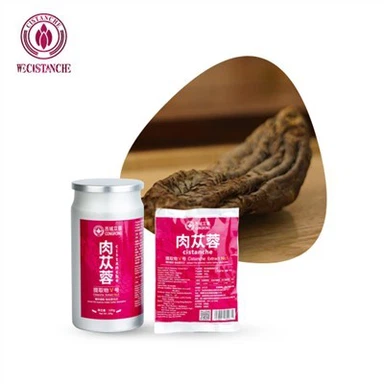
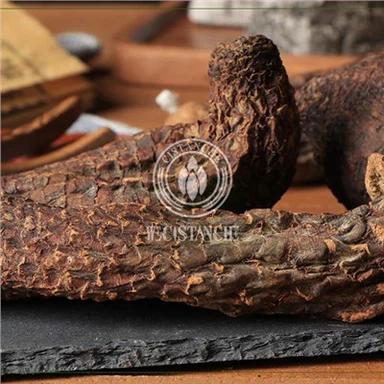
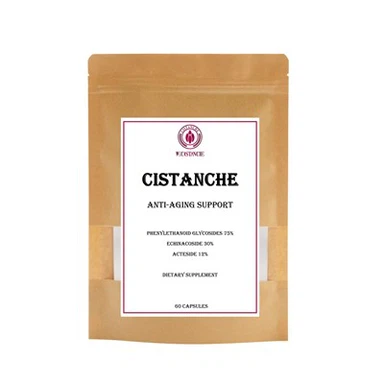
Cistanche is a traditional Chinese herbal medicine used for centuries to treat various health conditions, including kidney disease. It is derived from the dried stems of Cistanche deserticola, a plant native to the deserts of China and Mongolia. The main active components of cistanche are phenylethanoid glycosides, echinacoside, and acteoside, which have been found to have beneficial effects on kidney health.
Kidney disease, also known as renal disease, refers to a condition in which the kidneys are not functioning properly. This can result in a buildup of waste products and toxins in the body, leading to various symptoms and complications. Cistanche may help treat kidney disease ase through several mechanisms.
Firstly, cistanche has been found to have diuretic properties, meaning it can increase urine production and help eliminate waste products from the body. This can help relieve the burden on the kidneys and prevent the buildup of toxins. By promoting diuresis, cistanche may also help Reduce high blood pressure, a common complication of kidney disease.
Moreover, cistanche has been shown to have antioxidant effects. Oxidative stress, caused by an imbalance between the production of free radicals and the body's antioxidant defenses, plays a key role in the progression of kidney disease. ies help neutralize free radicals and reduce Oxidative stress, thereby protecting the kidneys from damage. The phenylethanoid glycosides found in cistanche have been particularly effective in scavenging free radicals and inhibiting lipid peroxidation.
Additionally, cistanche has been found to have anti-inflammatory effects. Inflammation is another key factor in the development and progression of kidney disease. Cistanche's anti-inflammatory properties help reduce the production of pro-inflammatory cytokines and inhibit the activation of inflammation mandatory pathways, thus alleviating inflammation in the kidneys.

Furthermore, cistanche has been shown to have immunomodulatory effects. In kidney disease, the immune system can be dysregulated, leading to excessive inflammation and tissue damage. Cistanche helps regulate the immune response by modulating the production and activity of immune cells, such as T cells and macrophages. This immune regulation helps reduce inflammation and prevent further damage to the kidneys.
Moreover, cistanche has been found to improve renal function by promoting the regeneration of renal tubes with cells. Renal tubular epithelial cells play a crucial role in the filtration and reabsorption of waste products and electrolytes. In kidney disease, these cells can be damaged, leading to damaged renal function. Cistanche's ability to promote the regeneration of these cells helps restore proper renal function and improve overall kidney health.
In addition to these direct effects on the kidneys, cistanche has been found to have beneficial effects on other organs and systems in the body. This holistic approach to health is particularly important in kidney disease, as the condition often affects multiple organs and systems. che has been shown to have protective effects on the liver, heart, and blood vessels, which are commonly affected by kidney disease. By promoting the health of these organs, cistanche helps improve overall kidney function and prevent further complications.
In conclusion, cistanche is a traditional Chinese herbal medicine used for centuries to treat kidney disease. Its active components have diuretic, antioxidant, anti-inflammatory, immunomodulatory, and regenerative effects, which help improve renal function and protect the kidneys from further damage. , cistanche has beneficial effects on other organs and systems, making it a holistic approach to treating kidney disease.