

Cistanche And Morinda Officinalis For Bone Health: What Network Pharmacology Reveals About Osteonecrosis Of The Femoral Head
Nov 18, 2026
Introduction: A Silent Threat Inside the Hip Joint
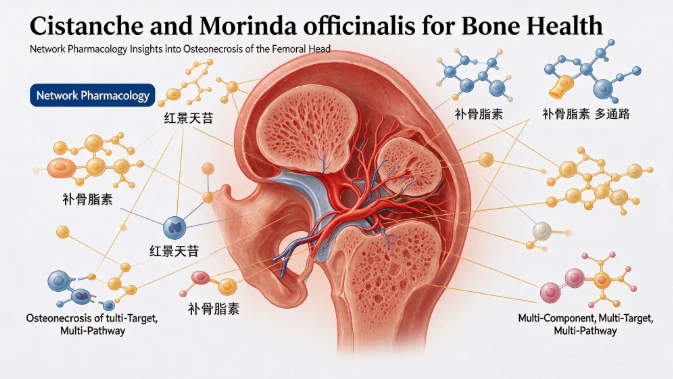
Inside every human hip, at the very top of the thigh bone, sits a smooth, ball-shaped structure called the femoral head. It fits into the socket of the pelvis and, together with a layer of protective cartilage, gives us the ability to walk, run, sit, and climb stairs without thinking twice. Like any living tissue, the femoral head depends on a steady supply of oxygen-rich blood. When that blood supply is interrupted or steadily damaged, the bone cells begin to starve and die. This is the essence of osteonecrosis of the femoral head, often shortened to ONFH.
ONFH is sometimes called "avascular necrosis" because the word "avascular" simply means "without blood vessels." It is a progressive condition: as bone tissue in the femoral head dies, the once-smooth ball can weaken and collapse, which in turn damages the surrounding cartilage, causes pain, and gradually destroys the normal mechanics of the hip joint. In its later stages, the condition often leads to severe disability and eventually requires surgical intervention such as a total hip replacement.
What makes ONFH especially concerning is that it tends to develop silently. In the early stages, a person may feel nothing at all, or only mild, occasional discomfort in the groin, buttock, or thigh. By the time the damage is visible on an X-ray or MRI, the disease may already be well underway. This is why researchers and clinicians around the world continue to search for better ways to detect, slow, and treat the condition before the femoral head collapses.
The Scale of the Problem
Osteonecrosis of the femoral head is not a rare curiosity. Epidemiological studies suggest that in China alone, there are roughly five to seven million people living with the condition, and the number of new cases has been rising year after year. The condition is strongly associated with several well-known risk factors, including long-term or high-dose corticosteroid use, heavy alcohol consumption, trauma to the hip, and certain blood disorders. It tends to affect relatively young and middle-aged adults, which means the disability it causes can strike people during their most productive working years.
The human cost goes far beyond pain. Because the disease is progressive and not yet fully understood, delayed diagnosis and treatment can permanently change a person's mobility, independence, and quality of life. For this reason, ONFH is widely regarded as one of the more difficult orthopedic problems still waiting for a better solution.
Why a Broader Approach Is Needed
Modern medicine has made real progress in treating ONFH, but there is still no perfect answer. Early interventions such as core decompression, bone grafting, and medications can sometimes slow the disease, but outcomes vary widely. Once the femoral head collapses, joint replacement is often the only reliable option. Given these limitations, many researchers have turned their attention to strategies that aim to protect the bone and its blood supply before irreversible damage occurs.
It is here that traditional Chinese medicine, or TCM, has attracted growing scientific interest. Rather than focusing on a single molecular target, TCM formulas typically contain multiple herbs and many active compounds that act on numerous targets and pathways at once. In the context of bone disease, a number of TCM approaches have been reported to improve blood flow, support bone structure, encourage the repair of small blood vessels, and help regulate blood lipids. Because ONFH involves several intertwined problems - poor circulation, dying bone cells, inflammation, and abnormal fat metabolism - a multi-targeted, multi-pathway approach is conceptually appealing.
This article explores one such approach in detail: the traditional herb pair of Cistanche (Herba Cistanches) and Morinda officinalis (commonly called Ba Ji Tian), and what a modern computational technique known as network pharmacology is beginning to reveal about how these two plants may work together to protect the hip.
The Traditional Chinese Medicine Perspective: "The Kidney Governs the Bones"
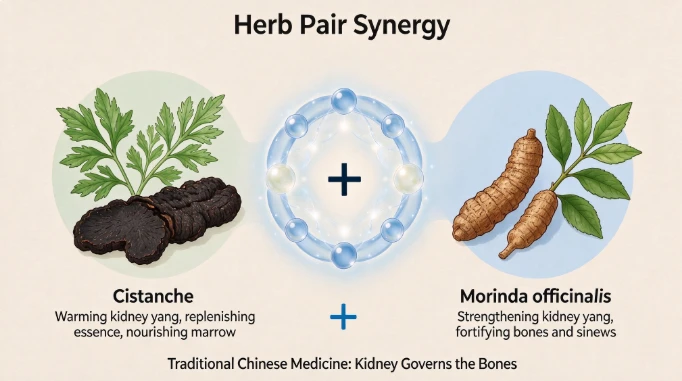
To understand why Cistanche and Morinda officinalis are paired together, it helps to know a little about how traditional Chinese medicine views the body. In TCM theory, the kidneys are regarded as the foundation of the body's essential energy and are closely connected to the health of the bones and marrow. A well-known principle in this tradition holds that "the kidney governs the bones." When kidney energy, or "kidney essence," is abundant, the bones are said to be strong and well-nourished. When kidney essence becomes deficient, the bones can become weak and fragile.
From this perspective, many cases of bone disease - including early and middle-stage osteonecrosis of the femoral head - are approached through the lens of supporting the kidneys and strengthening the bones. Practitioners often build their formulas around herbs that are traditionally classified as kidney-tonifying and bone-strengthening, and Cistanche and Morinda officinalis are two of the most frequently used examples. The idea is not simply to treat the symptom in the hip, but to address what TCM sees as a deeper imbalance at the root of the problem.
Meet the First Herb: Cistanche
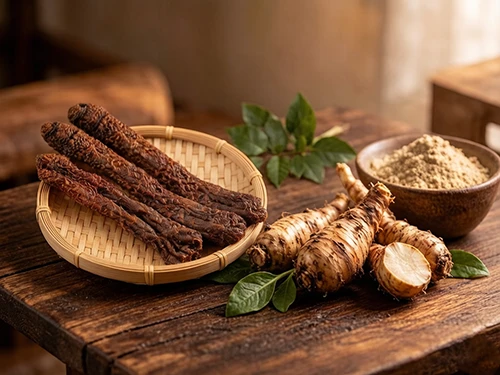
Cistanche, known in Chinese as Rou Cong Rong, has a long and respected history in traditional medicine. The part used is the dried, fleshy stem of certain desert-dwelling plants in the Cistanche genus, which belong to the broomrape family. These plants are sometimes described as "desert ginseng" because of their reputation as a powerful tonic. They grow in arid regions and survive by drawing nutrients from the roots of host plants, an unusual lifestyle that has made them both rare and highly valued.
In traditional terms, Cistanche is described as sweet and salty in taste and warm in nature. It is said to enter the kidney and large intestine channels, and its classic functions include warming and tonifying kidney yang, replenishing the essence, nourishing the marrow, and gently moistening the intestines to support regularity. Because kidney essence is closely tied to bone and marrow health in TCM, Cistanche has long been used in formulas intended to support bone strength and address conditions related to kidney deficiency.
Modern phytochemistry has shown that Cistanche contains a rich collection of bioactive compounds, including phenylethanoid glycosides, polysaccharides, and other constituents that have drawn the attention of researchers studying aging, immunity, and bone metabolism. This chemical richness is one reason Cistanche has become a popular subject in the modern scientific study of herbal medicine.
Meet the Second Herb: Morinda Officinalis (Ba Ji Tian)
Morinda officinalis, commonly called Ba Ji Tian, is the second half of the pair. The medicinal part is the dried root of a plant in the coffee family (Rubiaceae). In traditional classification, it is described as sweet and slightly pungent in taste and mildly warm in nature, and it is said to enter both the kidney and liver channels. Its traditional actions include strengthening kidney yang, fortifying the bones and sinews, and dispelling what TCM describes as "wind-dampness," a concept roughly corresponding to chronic pain and stiffness that worsens with cold or damp weather.
Morinda officinalis has been widely used in formulas for lower back and knee weakness, joint discomfort, and general musculoskeletal support. In recent decades, laboratory studies have begun to explore its effects on bone cells, and some research suggests that certain polysaccharides and other compounds found in Morinda may encourage bone marrow stromal cells to develop into bone-forming cells known as osteoblasts. This kind of effect, if confirmed, would fit neatly with its traditional reputation as a bone-strengthening herb.
Why a "Herb Pair"?
In traditional Chinese medicine, herbs are rarely used alone. Instead, they are combined into carefully designed formulas in which different herbs are thought to work together. A "herb pair," or dui yao, is a classic combination of two herbs that are believed to enhance and balance each other's effects. Cistanche and Morinda officinalis form a well-known pair for supporting the kidneys and strengthening the bones.
The logic is straightforward: both herbs are warm, kidney-tonifying, and bone-supporting, so they reinforce each other. Used together, they are believed to produce a stronger and more complete effect than either herb would on its own. This concept of synergy is central to TCM, and it is also one of the most interesting ideas for modern scientists to investigate. The question, in scientific terms, is this: what do these two plants actually do at the molecular level, and how do their many compounds combine to influence a disease as complex as osteonecrosis of the femoral head?
A Modern Tool for an Ancient Combination: What Is Network Pharmacology?
Traditional herbal formulas present a genuine challenge to conventional drug research. A single herb can contain dozens or even hundreds of chemical compounds, and a formula may act on many different genes and proteins at once. Studying all of these interactions one by one in a laboratory would be impossibly slow and expensive. This is where a relatively new field called network pharmacology comes in.
Network pharmacology is a computational, or "in silico," approach that uses large databases and bioinformatics tools to map the relationships between compounds, their molecular targets, and the biological pathways they influence. In essence, researchers feed information about a herb's chemical ingredients and a disease's known genes into software, and the software predicts which ingredients are likely to interact with which targets and which biological processes those targets control. The result is a network - a kind of molecular map - that helps scientists form testable hypotheses about how a herbal formula might work.
The value of this approach is that it matches the philosophy of traditional medicine surprisingly well. TCM formulas are inherently multi-component and multi-target, and network pharmacology is designed to handle exactly that kind of complexity. It does not prove that a herb works, but it provides a rational, data-driven starting point that researchers can then test with laboratory experiments and clinical studies.
How the Study Was Conducted
To investigate the Cistanche–Morinda officinalis pair, the researchers used a step-by-step bioinformatics workflow. First, they turned to a database called TCMSP, the Traditional Chinese Medicine Systems Pharmacology Database and Analysis Platform, to identify the active compounds in both herbs. To focus on the compounds most likely to be relevant in the human body, they applied two standard filters: oral bioavailability of at least 30 percent and drug-likeness of at least 0.18. These criteria help select compounds that could realistically be absorbed and behave somewhat like drug molecules.
Next, the researchers identified the genes and proteins associated with osteonecrosis of the femoral head. They did this by searching two large human gene databases, GeneCards and OMIM, using the disease name as the search term. After processing and removing duplicates, they obtained a substantial list of disease-related targets.
The crucial step was to find the overlap between the two lists: the herb pair's compound targets on one side, and the disease's genes on the other. Targets that appeared in both lists were treated as "core targets" - the most likely points where the herbs and the disease intersect. The researchers then built a protein–protein interaction network to see how these core targets relate to one another, and used specialized software to construct a compound–target–disease network. Finally, they performed two types of enrichment analysis, known as GO and KEGG analysis, to identify the biological processes and signaling pathways in which these core targets are most heavily involved.
The result is a detailed molecular picture - a set of educated, computer-generated predictions about how the two herbs might influence the disease.
What the Researchers Found: 21 Active Compounds and a Web of Targets
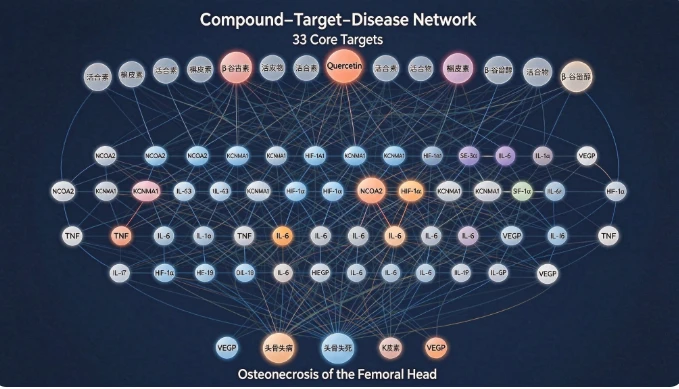
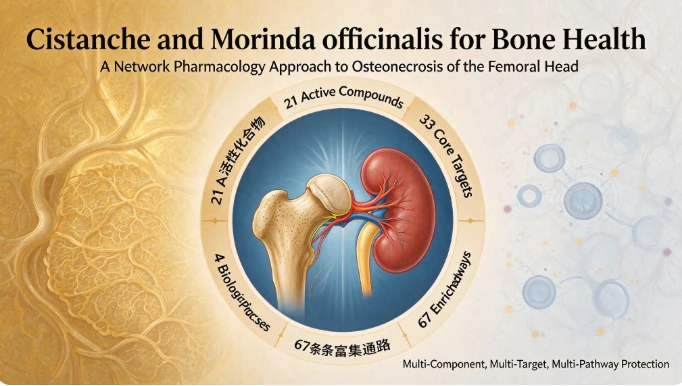
After applying the screening criteria and excluding compounds that could not be matched to any target, the researchers identified 21 active compounds in the Cistanche–Morinda officinalis pair, along with 182 potential targets for those compounds. On the disease side, they compiled 727 targets linked to osteonecrosis of the femoral head. When the two sets were compared, 33 targets overlapped - these 33 core targets represent the most likely molecular bridge between the herb pair and the disease.
The compound–target–disease network contained 54 nodes and 62 edges, a visualization that immediately communicates one of the study's central messages: this herb pair does not act through a single magic bullet. Instead, its compounds fan out to touch many different targets, and individual targets are connected to multiple compounds. This is the classic signature of a multi-component, multi-target mechanism.
Star Compounds: Quercetin and Beta-Sitosterol
Among the 21 active compounds, two stood out as particularly influential. The first is quercetin, a well-known flavonoid found in many fruits, vegetables, and medicinal plants. In this network, quercetin was predicted to interact with 30 different targets - by far the most of any single compound in the study. This suggests that quercetin may be a major contributor to the herb pair's overall activity.
Quercetin has been studied extensively for its antioxidant, anti-inflammatory, and immune-modulating properties. In the context of bone health, laboratory and animal studies have suggested that it may help maintain the delicate balance between bone-forming cells (osteoblasts) and bone-resorbing cells (osteoclasts), reduce the breakdown of the extracellular matrix, and dampen pro-inflammatory signals. These are all processes directly relevant to protecting bone tissue under stress.
The second notable compound is beta-sitosterol, a plant sterol that is structurally related to cholesterol. Beta-sitosterol has been reported to possess anti-inflammatory, anti-platelet, and lipid-lowering effects. In bone research, it has been suggested to influence bone metabolism by supporting osteoblast activity. Because abnormal fat metabolism is considered one of the contributing factors in osteonecrosis, a compound with lipid-regulating potential is a natural fit for this therapeutic model.
Key Targets: Where the Herbs Meet the Disease
On the target side of the network, a few genes and proteins were particularly well connected. One standout was NCOA2, a nuclear receptor coactivator that was linked to 13 different active compounds. Another was KCNMA1, a calcium-activated potassium channel protein, which was connected to four compounds.
These connections are meaningful because they point to plausible biological mechanisms. For example, KCNMA1 has been shown to respond to both cell-membrane voltage and intracellular calcium levels, and it is expressed in bone-forming cells. Experimental studies have found that disrupting this channel can suppress the proliferation and bone-forming differentiation of bone marrow mesenchymal stem cells - the very cells that give rise to osteoblasts. If compounds from Cistanche and Morinda officinalis genuinely modulate such targets, they could influence the regeneration of healthy bone tissue.
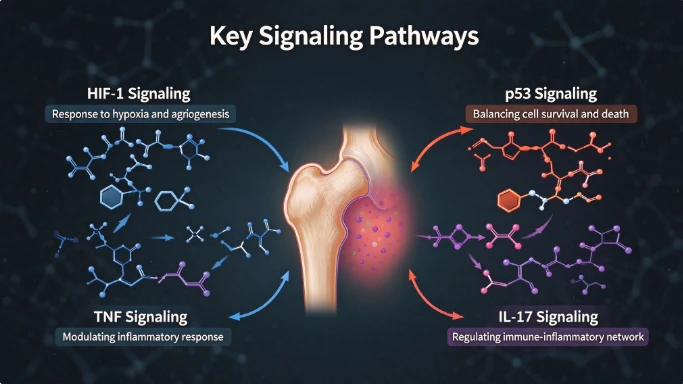
Other core targets in the network include well-known players in inflammation, cell survival, and blood vessel formation, such as TNF (tumor necrosis factor), IL-6, IL-10, HIF-1α (hypoxia-inducible factor 1-alpha), VEGF (vascular endothelial growth factor), TGF-β1 (transforming growth factor beta-1), and the tumor suppressor p53. Together, these targets paint a picture of a herb pair that touches several distinct aspects of the disease process at once.
The Four Biological Processes Behind Bone Protection
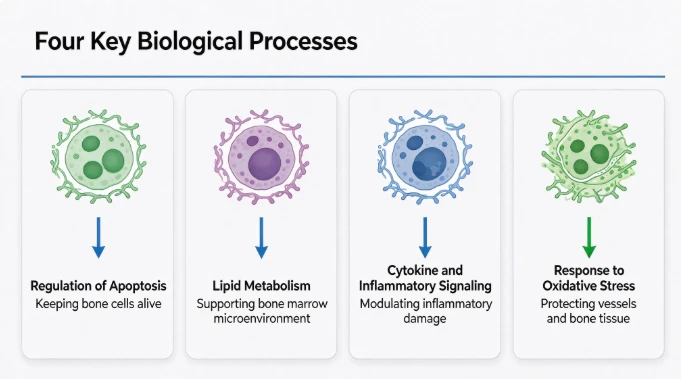
To understand what the 33 core targets actually do, the researchers performed a Gene Ontology, or GO, enrichment analysis. This analysis groups genes according to the biological processes, molecular functions, and cellular locations they are involved in. The results highlighted four broad themes that help explain how the herb pair might protect the femoral head.
1. Regulating Apoptosis: Keeping Bone Cells Alive
Apoptosis is the body's orderly, programmed form of cell death. Under normal circumstances, it is essential for removing damaged or unwanted cells. But when apoptosis runs out of control in bone tissue, it becomes a problem. Excessive death of osteoblasts - the cells that build bone - leads to reduced bone mass, thinner and fewer bone trabeculae (the internal struts that give bone its strength), and a more porous, fragile bone structure. Over time, these microscopic changes can impair the blood supply to the femoral head and contribute to its collapse.
Several genes in the core target set are directly involved in apoptosis, including p53 and a family of enzymes called caspases. The study's enrichment analysis identified the regulation of apoptotic processes as one of the most significant biological themes. In other words, a central part of the herb pair's predicted mechanism is the ability to influence whether bone cells live or die - a finding that fits well with existing research showing elevated p53 activity in osteonecrotic bone.
2. Supporting Healthy Lipid Metabolism
Fat metabolism might not be the first thing that comes to mind when thinking about bone disease, but it is increasingly recognized as important. Abnormal deposition of fat within bone marrow can disrupt the delicate microcirculation that nourishes bone tissue and can shift the balance between bone-forming and fat-forming cells. This imbalance can lead to a condition known as fatty degeneration of the bone marrow and is considered a contributing factor in steroid-induced osteonecrosis in particular.
The GO analysis identified "response to lipid" and related terms among the enriched biological processes, suggesting that some of the herb pair's targets are involved in how cells respond to and process fats. Beta-sitosterol, with its known lipid-regulating properties, fits naturally into this theme. The broader implication is that the herb pair may help protect the femoral head partly by supporting healthier fat metabolism in the bone environment.
3. Modulating Cytokines and Inflammatory Signals
Cytokines are small signaling proteins that cells use to communicate, and many of them orchestrate inflammation. In osteonecrosis of the femoral head, several inflammatory cytokines have been found at elevated levels, and certain genetic variations in cytokine genes have been linked to a higher risk of developing the disease. For example, variations in the genes for TNF-α, IL-6, and IL-10 have all been associated with ONFH susceptibility in different populations.
The enrichment analysis showed that cytokine activity, cytokine receptor binding, and growth factor activity were prominent molecular functions among the core targets. This suggests that a significant part of the herb pair's predicted action involves tuning down harmful inflammation and supporting the growth factors that help repair bone and blood vessels. Because chronic inflammation and poor tissue repair are central to the progression of ONFH, this is a compelling finding.
4. Counteracting Oxidative Stress
Oxidative stress occurs when the body produces more reactive oxygen species - chemically reactive molecules often called free radicals - than its antioxidant defenses can neutralize. In bone, excess reactive oxygen species can damage the cells lining blood vessels, reduce the number of bone-forming cells, activate bone-resorbing osteoclasts inappropriately, and degrade the collagen and other proteins that give cartilage its strength. The cumulative effect is impaired blood supply, weakened mechanical support, and eventually collapse of the weight-bearing part of the femoral head.
The study found that "response to reactive oxygen species" was among the significantly enriched biological processes. This points to a role for the herb pair in helping cells cope with oxidative stress - a function that aligns closely with the antioxidant reputation of quercetin and other flavonoids. By helping to keep oxidative damage in check, the herbs may contribute to preserving both the blood vessels and the bone tissue of the hip.
The Signaling Pathways Involved
The second type of analysis the researchers performed was a KEGG pathway analysis, which maps the core targets onto well-characterized biological signaling pathways. This analysis identified 67 enriched pathways, with a few standing out as especially relevant to osteonecrosis.
The HIF-1 Signaling Pathway: Responding to Low Oxygen
The hypoxia-inducible factor 1 (HIF-1) pathway is one of the body's master regulators of the response to low oxygen, or hypoxia. This is highly relevant to osteonecrosis because the defining feature of the disease is a loss of blood supply, which starves the bone of oxygen. The HIF-1 pathway helps the body respond to that oxygen shortage by coordinating blood vessel formation, bone resorption, and new bone formation.
Research has shown that HIF-1α, a key component of this pathway, helps drive the formation of new blood vessels by regulating VEGF. It also influences the function of osteoclasts and the transport of nutrients within bone. When the HIF-1 pathway is disrupted - as can happen with corticosteroid use - the bone's ability to repair itself under low-oxygen conditions is compromised. The fact that the herb pair's targets are enriched in this pathway suggests that part of its predicted benefit may come from helping the body mount a healthier response to oxygen deprivation in the hip.
The p53 Signaling Pathway: Balancing Survival and Death
The p53 protein is famous as a "tumor suppressor" because of its role in preventing cancer, but it also plays a central part in the life-and-death decisions of ordinary cells. It can be activated by DNA damage, oxidative stress, and low oxygen, and it can push stressed cells toward apoptosis. In bone, overactive p53 signaling can contribute to excessive osteoblast death.
The enrichment analysis identified the p53 signaling pathway as one of the herb pair's key routes of action. This is consistent with studies showing increased p53 expression in necrotic regions of the femoral head. By influencing p53 signaling, the herb pair may help tilt the balance away from excessive cell death and toward survival and repair. Interestingly, some research has suggested that p53-related pathways can also regulate mitochondrial quality control - the cellular process of clearing out damaged mitochondria - which in turn may help bone marrow stem cells resist stress-induced death and better repair early-stage osteonecrosis.
The TNF Signaling Pathway: Dampening a Central Inflammatory Driver
Tumor necrosis factor, or TNF, is one of the most important inflammatory cytokines in the body. In osteonecrosis of the femoral head, TNF-α levels are often elevated, and it is believed to damage the cells lining blood vessels, promote abnormal clotting within small vessels, disrupt bone and cartilage cell function, and trigger the production of free radicals and lipid peroxidation. Together, these effects can reduce blood flow to the femoral head and accelerate tissue death.
The study identified the TNF signaling pathway as significantly enriched, reinforcing the idea that controlling inflammation is a core part of the herb pair's predicted mechanism. Because TNF sits at the center of a wide network of inflammatory responses, a therapy that moderates this pathway could have broad protective effects on the hip joint.
The IL-17 Signaling Pathway: A Broader Inflammatory Network
Interleukin-17 (IL-17) is another inflammatory cytokine that has been linked to bone disease. The IL-17 signaling pathway is known to promote inflammation and has been implicated in conditions involving bone destruction. The appearance of this pathway in the enrichment results suggests that the herb pair's influence may extend across multiple, interconnected inflammatory networks rather than targeting a single inflammatory signal in isolation.
The presence of several related inflammatory pathways - TNF, IL-17, and cytokine signaling more broadly - points to a consistent theme: the herb pair is predicted to act as a broad-based moderator of inflammation, rather than a narrowly targeted drug.
The Big Picture: Multi-Component, Multi-Target, Multi-Pathway
Stepping back from the individual details, the study's most important conclusion is conceptual. Cistanche and Morinda officinalis do not appear to work through a single compound hitting a single target. Instead, the network pharmacology analysis reveals a rich, interconnected web: 21 active compounds, 33 core targets, and multiple biological processes and signaling pathways - including apoptosis, lipid metabolism, cytokine signaling, oxidative stress, and the HIF-1, p53, TNF, and IL-17 pathways.
This multi-component, multi-target, multi-pathway model is significant because it mirrors the way osteonecrosis of the femoral head actually develops. The disease is not caused by one broken switch; it emerges from a combination of poor circulation, oxygen deprivation, inflammation, cell death, and metabolic imbalance. A treatment approach that addresses several of these problems simultaneously is, in principle, better matched to the disease than one that targets a single molecule.
For a company or reader interested in the science behind Cistanche, this is also a useful reminder of why the herb has attracted so much modern research attention. Its value, from a scientific perspective, lies not in a single "active ingredient" but in the cumulative, multi-faceted activity of many compounds working across many targets.
The Limitations: What This Study Does Not Yet Prove
It is important to be clear-eyed about what network pharmacology can and cannot tell us. The findings described here are predictions generated by computational tools and databases, not proof from a living body. The fact that a compound is predicted to bind a target, or that a target is enriched in a pathway, does not by itself confirm that the herbs will produce that effect in a human patient.
The authors of the study themselves acknowledge these limitations. The screening criteria and the databases used introduce a degree of selection bias, and the results represent a bioinformatics-based mechanistic prediction. Before these findings can be translated into clinical recommendations, they need to be validated through laboratory experiments, animal studies, and ultimately well-designed human clinical trials.
In other words, this research provides a compelling and testable map of how Cistanche and Morinda officinalis might work - not a final verdict that they do. It is a starting point for deeper investigation, and it should be read in that spirit.
What Comes Next
The natural next step in this line of research is experimental validation. Scientists can now take the study's predictions and test them directly: measuring whether the identified compounds genuinely influence the core targets, whether the herbs protect bone cells from oxygen deprivation and oxidative stress in the laboratory, and whether they slow bone death in animal models of osteonecrosis. If these predictions hold up, the findings could eventually inform the development of standardized herbal extracts, combination therapies, or new drug leads for early-stage osteonecrosis.
For readers following the science of Cistanche, this study adds one more piece to a growing body of evidence suggesting that this traditional herb may have genuine relevance to bone health and healthy aging. It also illustrates a broader trend in modern herbal research: ancient formulas are increasingly being examined through the lens of systems biology, and the results are beginning to reveal the molecular logic behind practices that have been used for centuries.

A Note on Reading This Article Responsibly
The information in this article is provided for educational purposes only. It is not medical advice, and it is not intended to diagnose, treat, cure, or prevent any disease. Osteonecrosis of the femoral head is a serious orthopedic condition that requires evaluation and treatment by a qualified healthcare professional. The research described here is preliminary and computational in nature, and it should not be interpreted as evidence that any herbal product can replace standard medical care. Anyone with hip pain, limited mobility, or concerns about bone health should consult a physician or other licensed healthcare provider before making decisions about treatment or supplementation.
You Might Also Like
-

Cistanche for Whitening
-

Wecistanche Black Platinum 50° herbal liquor health liquo...
-
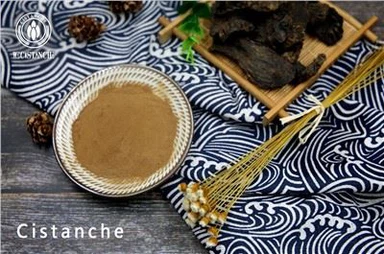
Cistanche Tubulosa Extract Food Grade Supplement
-

Cistanche Tubulosa Extract Natural Supplement Powder
-
Cistanche Dietary Supplement Anti-Inflammatory support Ph...
-

Cistanche Extract Supplier Cistanche Tubulosa Cistanche D...