Cistanche Benefits For The Human Brain: Distinguishing Normal Forgetfulness From Cognitive Decline
Aug 07, 2026
Introduction
Memory lapses have become a widespread concern for modern‑day adults across all age brackets. Countless social‑media users share their frustrating experiences of forgetting daily tasks, misplaced items or recent conversations. Many people immediately jump to a worrying conclusion: occasional forgetfulness equals Alzheimer's disease. Medical experts remind the public not to panic unnecessarily. Age‑related mild memory decline is vastly different from pathological dementia.
Before taking countermeasures, we must pinpoint root triggers of poor memory. Many memory impairments stem from modifiable lifestyle factors: chronic insomnia, physical exhaustion, anxiety and depressive mood. For these groups, daily habit adjustments form the first‑line intervention. Only a subset of memory loss arises from organic brain disorders such as Alzheimer's disease, Parkinson's disease and Lewy‑body dementia, which demand formal diagnosis and specialist medical treatment.
Traditional Chinese Medicine (TCM) views brain vitality as closely tied to kidney essence, blood circulation and sufficient nourishment for neural tissues. Cistanche Tubulosa extract draws growing global attention for cistanche benefits for the human brain. It acts as a gentle nourishing botanical ingredient rather than a quick‑fix smart drug, supporting long‑term cognitive wellness when combined with science‑backed daily routines. This article breaks down how to tell benign age‑related forgetfulness apart from dangerous dementia signals, introduces practical home‑based brain‑protecting strategies, and explores how standardized Cistanche Tubulosa extract supports brain health for supplement formulators and end‑users.

Normal Age‑Related Forgetfulness versus Pathological Dementia
Middle‑aged and senior adults frequently encounter frustrating moments: walking into a room and forgetting why you came in, frequently misplacing personal belongings, failing to recall new acquaintances' names. Most of these episodes belong to physiological brain aging instead of early dementia. Clear differentiation helps users avoid unnecessary anxiety while catching red‑flag symptoms early.
Benign "Mild Senior Forgetfulness" (Focus on daily prevention)
Core traits: Slow, minor memory slips with no disruption to independent daily living
Typical manifestations: Learning new information requires more time; forgotten details can be recalled later with hints; long‑term memories from decades ago remain intact; patients can navigate familiar neighbourhoods and complete self‑care independently.
Warning Signs of Pathological Cognitive Impairment (Seek neurologist assessment promptly)
Core traits: Rapid, severe memory deterioration interfering with regular life
Typical manifestations: Sharp, unexplained memory drop within a short period; repeatedly asking identical questions despite recent answers; getting lost in previously familiar locations; inability to finish routine self‑care tasks. Anyone showing these symptoms needs evaluation at neurology clinics or specialized memory centres.
Three primary mechanisms drive ordinary age‑associated forgetfulness:
Gradual mild cerebral cortical atrophy slows signal transmission among nerve cells, so recall and reaction require extra time.
Reduction of memory‑supporting neurochemical messengers such as acetylcholine weakens neural signal encoding, similar to a pen running low on ink producing faint, unclear writing.
Deteriorated focus and susceptibility to distraction: information is never fully encoded into memory storage in the first place.
Natural brain ageing makes mental processing slower - it does not automatically mean irreversible brain damage. Non‑pharmacological interventions plus nourishing botanicals such as Cistanche Tubulosa can effectively slow this degenerative trend.

Evidence‑backed Daily Strategies to Safeguard Memory
The human brain obeys the "use‑it‑or‑lose‑it" principle. You do not need overly complicated regimes; consistent small‑scale daily habits deliver meaningful cognitive protection. Below are five core lifestyle pillars supporting brain performance.
1. Stick to regular physical exercise
Physical activity keeps brain tissue agile. Aerobic exercise notably boosts the hippocampus - the critical brain region governing learning and memory. MRI research demonstrates consistent aerobic workouts including jogging and swimming raise hippocampal blood flow and even support hippocampal volume maintenance, hence improving memory‑related cognitive tasks. Balancing exercises also enhance body‑brain neural coordination.
Exercise improves systemic circulation, laying a physiological foundation that complements cistanche tubulosa brain support effects. Physical movement enhances blood delivery to brain tissue, while bioactive compounds within Cistanche Tubulosa work at the cellular level to mitigate oxidative stress for nerve cells.
2. Prioritize restorative high‑quality sleep
Modern people face constant overwhelming streams of digital information that exhaust brain resources. Sleep is when the brain sorts, consolidates and stores daily memories. Without sufficient rest, cognitive performance and recall capacity drop sharply. Even short two‑minute silent meditation sessions allow overtaxed minds to reset and replenish mental energy for subsequent challenges. Sustained poor sleep severely undermines memory function, counteracting the benefits of any brain‑support herbal supplementation.
3. Spark creativity and continuously learn new skills
Human brains consist of the logical‑focused left hemisphere and creativity‑oriented right hemisphere. Modern work often over‑activates left‑brain logical processing. Deliberately stimulating creativity counteracts mental inertia triggered by repetitive monotonous routines. Picking up fresh hobbies: studying a foreign language, handicrafts such as weaving, or unfamiliar hand‑on skills forces your brain to form new neural connections, boosting concentration and memory capacity simultaneously.
4. Optimize dietary patterns for neural protection
Antioxidant‑rich foods defend brain cells against oxidative ageing. Blueberries, strawberries, fish protein and colourful fruits and vegetables supply abundant neuroprotective antioxidants. Published review studies validate that Mediterranean‑style eating patterns slow cognitive decline and reduce dementia risk. This dietary framework prioritizes plant‑sourced food, limits red meat and dairy intake, and incorporates olive oil.
For TCM‑inspired cognitive nutrition, standardized Cistanche Tubulosa extract can be integrated into daily nutritional schemes. Traditional TCM records document Cistanche replenishes kidney essence, which nourishes the brain marrow according to ancient holistic frameworks. Contemporary phytochemistry finds its phenylethanoid glycosides (echinacoside, acteoside) deliver antioxidant activity, shielding neurons from oxidative injury. This forms one major mechanism behind cistanche benefits for the human brain.
5. Maintain active social engagement
Short‑form video platforms occupy increasing leisure time for people of all ages. Many individuals scroll mobile screens during gatherings instead of conversing face‑to‑face. Clinical research confirms socially engaged groups retain significantly better memory performance than isolated people. Keeping regular contact with friends, joining volunteer activities and in‑person social events exert protective effects on cognitive function. Social interaction activates multiple brain regions at once and lowers chronic stress, a known contributor to memory deterioration.

Practical At‑Home Brain Training: 10‑20 Minutes Daily
Brain training does not demand exhausting sessions. 10‑20 minutes of targeted practice each day, sustained for three months or longer, yields observable improvements. Four accessible training modules are suitable for seniors and middle‑aged populations.
Memory training: strengthen recall capability Nightly mental "daily‑review": spend five minutes before bed recalling meals, people you met and events of that day. Do not over‑stress over incomplete recall. Trigger memories with old songs or familiar objects. Practise memorizing several numbers or one new word every day for self‑quizzing.
Focus training: reduce mental distraction Embrace single‑tasking; avoid multi‑tasking. Try observation exercises: study a plant's appearance and inspect its changes the next day. Hand‑craft activities such as origami and beadwork sharpen hand‑eye coordination and concentration.
Logical thinking training Perform simple mental arithmetic instead of relying on phone calculators. Play jigsaw puzzles, chess and card games. Narrate complete life stories to friends or read newspapers aloud to exercise language‑related brain circuits.
Multi‑sensory training for integrated memory Retell news or drama plots in your own words. Combine tactile perception with remembrance while tidying clothes or books. Link familiar aromas to associated past scenarios, activating multi‑sensory memory pathways.
Two essential reminders for brain training: First, progress gradually. Start with light‑difficulty tasks instead of overburdening yourself; effects build over 3‑6 months of persistence. Second, foundational self‑care cannot be skipped: 7‑8 hours sleep, nutrient‑dense meals, moderate daily movement and positive social mood create the groundwork for all memory‑improvement efforts.

Cistanche Tubulosa Extract: Nourishing Botanical Support for Brain Wellness
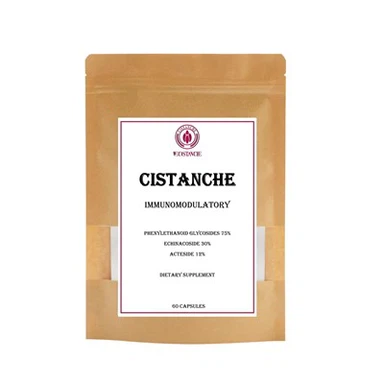
Not all forgetfulness calls for pharmaceutical intervention. High‑quality standardized Cistanche Tubulosa extract offers plant‑based support for modern supplement brands developing cognitive wellness products. Distinct from Cistanche deserticola, our raw material is Cistanche Tubulosa, naturally accumulating higher concentrations of key active phenylethanoid glycosides.
As a professional bulk extract manufacturer, our factory optimizes purification technology: total phenylethanoid glycosides, echinacoside and acteoside reach premium specification standards. These bioactive constituents provide neuronal antioxidant protection, mitigate oxidative damage, and support circulation, delivering cistanche tubulosa brain benefits without stimulant‑type side‑effects.
Please note: Cistanche Tubulosa extract is a nourishing botanical raw material. It does not cure Alzheimer's or other dementia diseases. For confirmed organic brain disease, patients must seek professional medical treatment. Our high‑potency Cistanche Tubulosa bulk material fits perfectly for formulators creating middle‑age and senior cognitive‑support dietary supplements, combining well with berry extracts, omega‑3 components and other brain‑friendly ingredients.

Supportive Service Of Wecistanche-For more details about cooperation
Email:Lijianlin@wecistanche.com
Conclusion
Mild memory decline is extremely prevalent in modern society. Consumers need to distinguish normal physiological brain ageing from pathological dementia warning signs. Most mild forgetfulness responds favourably to multi‑faceted interventions: aerobic exercise, quality sleep, continuous learning, antioxidant‑rich diets and positive social interaction.
Cistanche benefits for the human brain make standardized Cistanche Tubulosa extract a valuable TCM‑origin botanical option for the global dietary‑supplement industry. It works synergistically alongside healthy lifestyles to support long‑term neural wellness, rather than acting as a standalone magic remedy. Combined with persistent daily brain‑protecting habits, it helps middle‑aged and senior populations maintain better cognitive quality‑of‑life.
This article serves only as general educational and B‑B industry reference material. It is not medical advice and cannot replace evaluation and treatment from qualified neurologists. Cistanche Tubulosa bulk extract is intended for dietary‑supplement formulation, not for treating dementia or memory‑related diseases. People with diagnosed cognitive disorders must consult licensed healthcare professionals.