Cistanche Tubulosa Water‑Soluble Extract: Antioxidant Properties, Prebiotic Potential And Effects On Gut Microbiome
Nov 06, 2026
Disclaimer: This article reviews published laboratory and animal model research only. None of the content constitutes medical advice. Statements have not been assessed by the FDA or any global health regulatory authority. This herb‑derived material is not intended to diagnose, treat, cure or prevent human disease. Human clinical trials are still limited. Always consult a qualified healthcare practitioner before adding herbal extracts to your daily routine.
1. Introduction to Cistanche tubulosa, the "Desert Ginseng"
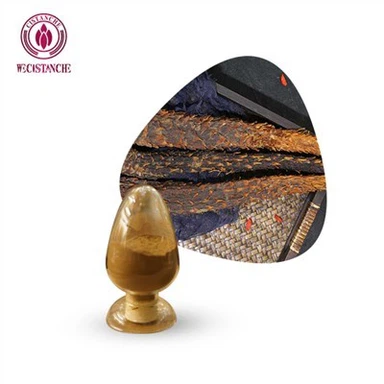
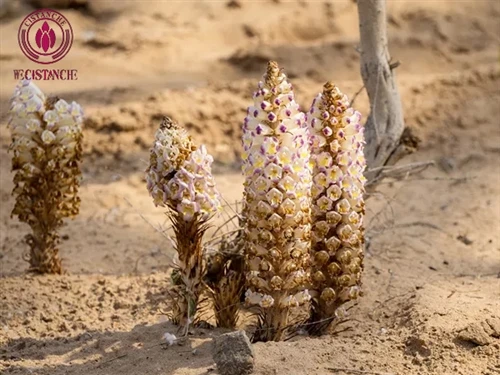
Cistanche tubulosa is a perennial parasitic herb from the Orobanchaceae plant family, largely native to the desert zones of Xinjiang, ChinaPMC. It does not perform photosynthesis; instead, it anchors its root system to Tamarix shrubs and draws nutrients and water from its host plant. For centuries in traditional herbal practice, this plant earned the nickname "desert ginseng". Dried succulent stems were historically used to support vitality, kidney function and comfortable bowel movements.
Modern phytochemical analysis shows that its main bioactive compounds are phenylethanol glycosides (PhGs). Two marker compounds stand out: echinacoside and acteoside (verbascoside). These two molecules are the official quality‑control markers listed within the Chinese Pharmacopoeia for authenticating Cistanche raw material. Besides PhGs, Cistanche tubulosa also contains polysaccharides, iridoids, lignans, amino acids and trace phytochemicals that contribute to its overall biological profile.
While alcohol‑based extracts dominate many commercial specifications, water‑soluble extracts are gaining attention. Water‑only extraction avoids organic‑solvent residues, fits clean‑label positioning, and co‑extracts both PhGs and native plant polysaccharides. Recent lab studies focus on antioxidant capacity, prebiotic‑like behaviour and gut‑microbiota‑modulating effects of water extract of Cistanche tubulosa - most of these findings are derived from in‑vitro lab assays and mouse animal experiments, not human clinical data.
2. Optimising Water‑based Extraction for Cistanche tubulosa
Getting high‑quality water extract of Cistanche tubulosa is not trivial. Phenylethanol glycosides are polar, but heat duration, particle size, liquid‑to‑solid ratio and auxiliary physical treatments all affect final yields and compound integrity. Conventional hot‑water maceration works, yet modern labs test combined physical‑assisted techniques to improve efficiency without organic solvents.
One well‑documented lab‑scale approach uses combined microwave‑ultrasonic dual‑assisted water extraction. Microwave energy creates fast volumetric heating to break plant cell walls; ultrasound generates cavitation forces to enhance mass transfer of intracellular compounds out into the aqueous medium. Researchers used single‑factor tests followed by Box‑Behnken response‑surface statistical modelling to screen critical variables: solid‑liquid ratio, extraction temperature, microwave time, ultrasonic time, microwave power and ultrasonic power.
The optimised practical conditions after experimental validation were:
Solid‑liquid ratio 1 : 19 (g / mL)
Extraction temperature: 80 °C
Microwave power: 400 W, microwave processing time: 6 min
Ultrasonic power: 400 W, ultrasonic processing time: 16 min
Under these settings, the total phenylethanol glycosides extraction rate reached 29.86 %. HPLC quantification showed echinacoside content of 81 μg/mg and acteoside content of 8 μg/mg in the final water‑extract paste. Compared with traditional reflux water‑boiling, microwave‑ultrasonic combined treatment shortened total processing time and improved PhG recovery, without introducing ethanol or methanol solvents.
Key practical notes for manufacturers: raw herb particle size matters. Material crushed to 20‑40‑mesh particle size balances extraction efficiency and filtration performance. Too fine powder (under 40‑mesh) tends to form colloidal turbid suspensions that are extremely difficult to filter in water‑extraction workflows.
Even with optimised extraction parameters, water extract contains substantial plant polysaccharides alongside PhGs. This is a double‑edged feature: polysaccharides may add prebiotic‑relevant properties, but they also increase hygroscopicity and lower the percentage of pure PhGs in crude dried powder. If you need high‑purity PhG ingredients, further purification steps such as macroporous resin or membrane separation are required after water extraction.

3. In‑vitro Antioxidant Activity of Cistanche tubulosa Water Extract
Phenylethanol glycosides carry multiple ortho‑phenolic hydroxyl groups on their molecular frameworks. These chemical structures enable them to donate hydrogen atoms and neutralise reactive oxygen free radicals, forming the molecular basis of antioxidant capacity. Researchers assessed the antioxidant performance of the optimised water extract with multiple classic in‑vitro chemical assays: DPPH radical scavenging, ABTS⁺ radical scavenging, superoxide‑anion radical scavenging, and ferric‑reducing‑power measurement.
Experimental results demonstrated clear concentration‑dependent antioxidant effects: as extract concentration increased, radical‑scavenging capacity rose correspondingly. The measured IC₅₀ values were:
DPPH radical scavenging: 0.225 mg/mL
ABTS⁺ radical scavenging: 1.819 mg/mL
Superoxide‑anion scavenging: 12.53 mg/mL
Among these assay systems, the extract showed the strongest activity against DPPH free radicals, while superoxide‑anion‑neutralising capability was comparatively weaker. Its total reducing‑power also increased with higher extract dosage.
Important context: these are purely chemical‑phase in‑vitro tests carried out inside test tubes. Good antioxidant performance in lab dishes does not automatically translate to equivalent antioxidant outcomes inside the human body. After oral intake, components must survive gastrointestinal digestion, undergo metabolic transformation by gut bacteria, and achieve effective tissue exposure before exhibiting biological effects. Even so, these assay results help explain part of the pharmacological foundation of Cistanche tubulosa water extract and provide benchmark data for comparing different batches or processing technologies.
4. Prebiotic‑like Effects: How Water Extract Influences Probiotic Bacteria Growth
Beyond direct radical‑neutralising antioxidant behaviour, scientists explored whether Cistanche tubulosa water extract could feed and support the growth of known beneficial gut bacteria, specifically Bifidobacterium longum and Lactobacillus acidophilus, two representative human commensal probiotic strains, using in‑vitro anaerobic culture experiments.
Graded percentages of water extract were supplemented into liquid microbial growth medium, and bacterial colony counts and medium‑pH changes were tracked over 48‑hour incubation.
Key experimental observations:
Within an appropriate dosage window (extract addition ≤ 2 %), the water extract significantly promoted proliferation of both test probiotic strains.
Optimal concentrations differed for each bacterium: 1.0 % addition produced maximum growth stimulation for Lactobacillus acidophilus; 1.5 % addition delivered best growth‑boosting outcomes for Bifidobacterium longum.
When extract dosage went above 2 %, bacterial growth began to be inhibited. This reveals a dosage threshold effect: high concentrations may generate metabolic pressure that counteracts stimulatory benefits.
Growth‑curve monitoring further validated the finding. Culture media containing optimised‑dose extract showed higher OD (optical‑density) values, which indicate higher bacterial biomass, compared with blank control groups without extract supplementation. During bacterial fermentation, acid metabolites lowered medium pH, consistent with normal probiotic metabolic patterns.
What does this mean practically? The water‑soluble fraction (including PhGs and native polysaccharides from Cistanche tubulosa) displays prebiotic‑like characteristics in‑vitro. It can selectively foster growth of well‑recognised beneficial microbes. However, we need to keep perspective: this result comes from pure single‑strain lab cultures. Real human intestines contain hundreds of competing microbial species, plus digestive enzymes and bile salts. The actual prebiotic response inside living organisms still needs further animal and human‑subject research.

5. In‑vivo Animal Study: Cistanche tubulosa Water Extract for Antibiotic‑Triggered Gut Dysbiosis
Antibiotic over‑usage is a major trigger of gut dysbiosis. Broad‑spectrum antibiotics suppress not only pathogenic microbes but also large populations of health‑associated commensal flora. This imbalance can lead to lowered microbial diversity, altered intestinal barrier integrity, immune‑organ changes and higher risk of opportunistic pathogen overgrowth.
In one published mouse‑model study, researchers built gut‑disorder animal models by administering cefixime antibiotic to male C57BL/6 mice. Animals were split into four experimental cohorts: blank control group, antibiotic‑only dysbiosis‑model group, low‑dose water‑extract treatment group and high‑dose water‑extract treatment group. Researchers tracked body‑weight shifts, visceral‑organ coefficients, faecal microbial counts, 16S rDNA high‑throughput gut‑microbiome sequencing, plus histological examination of colon‑tissue morphology (villus height, crypt depth, villus‑crypt ratio V/C).
5.1 Body weight and immune‑organ (thymus) outcomes
Antibiotic administration triggered measurable body‑weight loss in model mice. The high‑dose Cistanche tubulosa water‑extract group partially mitigated this weight decline. The thymus index, an indirect marker of immune‑system status, dropped sharply in the antibiotic‑only model group, showing antibiotic‑related suppression of this key immune organ. High‑dose extract supplementation significantly reversed thymus‑index reduction, suggesting partial relief of antibiotic‑linked immune‑organ impairment. Low‑dose treatment did not produce statistically meaningful protective effects in this animal trial.
5.2 Changes in faecal bacterial populations
Selective microbial‑culture counting of mouse faecal samples brought these main findings:
After antibiotic intervention, the numbers of beneficial Bifidobacterium and Lactobacillus dropped substantially. Treatment with Cistanche tubulosa water extract elevated counts of these two beneficial genera in a dose‑related pattern.
Condition‑opportunistic microbes such as Enterococcus and Escherichia coli multiplied in the antibiotic‑model group. Water‑extract supplementation suppressed their excessive proliferation.
The B/E ratio (Bifidobacterium / Escherichia coli), an indicator reflecting gut‑colonisation resistance against opportunistic pathogens, fell below 1 in pure antibiotic‑model animals. After extract intervention, B/E ratio recovered to above 1, pointing toward improved gut ecological resilience.

5.3 Gut‑microbiome diversity and community composition via 16S rDNA sequencing
High‑throughput 16S rDNA sequencing of colonic‑content samples was applied to evaluate overall gut‑microbiome richness and diversity. Antibiotic treatment drastically lowered OTU counts, Chao1 index and Shannon index, confirming reduced microbial‑community richness and diversity. Compared to the untreated dysbiosis‑model group, high‑dose water‑extract animals showed partial restoration of alpha‑diversity metrics, moving closer to the community structure seen in healthy blank‑control mice.
At the phylum‑level taxonomic view, antibiotic disturbance drove large shifts in the relative abundance of dominant intestinal phyla, especially Firmicutes and Bacteroidetes, the two most abundant bacterial groups within mammalian intestines. Intervention with Cistanche tubulosa water extract reshaped the proportional distribution of these major phyla and adjusted the relative levels of Proteobacteria, Tenericutes and Actinobacteria.
5.4 Colon‑tissue histology: intestinal‑barrier repair
Intestinal‑villus height, crypt depth and the villus‑crypt ratio (V/C) serve as gold‑standard histological markers for gut‑mucosa health. Healthy colon tissue features long, well‑formed finger‑shaped villi, shallow crypts and high V/C ratios. In antibiotic‑damaged model mice, colon villi became significantly shortened, crypt depth increased, and the V/C ratio dropped sharply - classic signs of intestinal‑mucosal injury.
High‑dose oral supplementation of Cistanche tubulosa water extract effectively alleviated these pathological alterations: villus height increased, crypt hyperplasia lessened and V/C ratio was markedly improved. This indicates the water extract helped preserve or restore colon mucosal structural integrity under antibiotic‑provoked gut injury conditions in this mouse‑model setting.
Key take‑aways from the animal experiment
In this cefixime‑induced gut‑dysbiosis mouse model, oral administration of Cistanche tubulosa water extract achieved multiple observable biological effects:
Supported recovery of body weight and thymus‑organ status
Boosted abundance of beneficial Bifidobacterium and Lactobacillus
Restrained over‑growth of opportunistic enteric bacteria
Recovered gut‑microbiome richness and community balance
Ameliorated antibiotic‑caused colon‑mucosal structural damage
Still, we must emphasise: these results come strictly from mouse‑model laboratory research. Responses in human beings may differ because of differences in digestive physiology, baseline gut‑microbiome individuality, metabolic pathways and effective dosage conversion. No definitive human clinical evidence is currently available for gut‑health claims of this water extract.

6. What Components Drive These Biological Responses?
The water extract of Cistanche tubulosa represents a complex multi‑component botanical mixture rather than a single purified molecule. Two major groups of constituents are suspected to jointly produce the observed biological behaviours:
Phenylethanol glycosides (PhGs, chiefly echinacoside and acteoside). These phenolic glycosides deliver direct radical‑scavenging antioxidant activity. Many PhG molecules are poorly absorbed intact in the small intestine; they travel down to the colon and get biotransformed by gut‑microbial enzymes into smaller secondary metabolites, which then participate in gut‑tissue signalling and microbial‑community modulation.
Cistanche‑origin plant polysaccharides. Polysaccharides are classic candidate prebiotic substances. Human digestive enzymes cannot fully break them down, so they arrive at the colon and become fermentation substrates for commensal gut bacteria, promoting production of short‑chain fatty acids (SCFAs) that nourish colonocytes and support gut‑barrier function.
It remains an open research question: how much of the gut‑modulating effect originates from PhGs, how much comes from polysaccharides, and to what extent synergistic interactions exist between these two compound families. Further fractionation studies separating different component fractions will be required to disentangle their individual contributions.
7. Practical Implications for Extract Manufacturing and Formulator
For ingredient buyers, supplement developers and product formulators working with Cistanche tubulosa water‑soluble extracts, several actionable points arise from the published research:
Extraction technology changes final extract composition. Microwave‑ultrasonic‑assisted water extraction improves PhG yield without organic‑solvent residues, but water extracts inherently contain high polysaccharide content. If your target is high‑percent PhG powder, crude water extract will need further purification steps (macroporous resin adsorption, membrane fractionation etc.). Crude water extract excels for clean‑label, whole‑plant complex‑profile applications.
Antioxidant in‑vitro results cannot replace finished‑product stability testing. Even if raw extract shows strong radical‑scavenging in lab tests, finished formulations (drinks, powder blends, capsules) must undergo real‑world stability testing against oxidation, light exposure and moisture. PhGs are hygroscopic; finished powders require cool, dry, light‑proof sealed storage.
Dose dependency matters. Both in‑vitro probiotic‑culture tests and mouse‑animal data show clear dose‑response effects. Too‑low dosage produces negligible effects, while excessively high dosage may trigger inhibitory responses. Translating animal‑model dosages to safe, reasonable human‑supplement serving sizes requires careful professional assessment. Do not directly copy mouse‑experiment mg/kg values for human‑product formulation.
Analytical specifications should list multiple markers. When you purchase water‑extract raw material, supplier COA should report not merely "total phenylethanol glycosides", but separate HPLC quantitative values for echinacoside and acteoside. Total‑glycoside summation figures alone can hide large compositional variation across different production batches.
Regulatory boundaries must be respected. Most markets classify botanical extracts as dietary‑supplement raw materials, not pharmaceutical drugs. Marketing copy cannot make human‑disease‑treatment claims. All statements should be limited to general supporting‑health‑structure‑and‑function wording compliant with local regional regulations.
8. Current Research Limitations and Future Research Directions
This body of lab and mouse‑model work reveals promising biological signals for Cistanche tubulosa water extract, yet multiple knowledge gaps remain for the industry and research community:
Almost all available evidence is from in‑vitro assays and mouse‑animal experiments. Well‑designed, large‑scale human clinical trials investigating gut‑microbiome, antioxidant or digestive‑health outcomes are still scarce.
The exact molecular mechanisms are not fully decoded: whether effects stem mainly from original plant compounds or from gut‑microbiota‑transformed secondary metabolites remains to be fully clarified.
We know relatively little about inter‑individual variability: how factors such as baseline human gut‑microbiome composition, age, diet and concurrent medication alter an individual's response to this water extract.
Post‑extraction residues from water processing of Cistanche tubulosa may still contain bioactive substances. Future research could explore value‑added re‑utilisation of herb residues for circular‑economy manufacturing.
9. Final Conclusion
Cistanche tubulosa, the desert‑origin parasitic herb, produces water‑soluble extracts rich in phenylethanol glycosides and native plant polysaccharides. Under laboratory conditions, the water extract displays concentration‑dependent in‑vitro antioxidant capacity and can foster growth of representative beneficial probiotic bacterial strains. In antibiotic‑induced gut‑dysbiosis mouse‑model experiments, oral water‑extract intervention helped restore microbial richness, rebalance gut‑bacterial populations and alleviate colon‑mucosal histological injury caused by antibiotic exposure.
These findings expand our mechanistic understanding of this traditional botanical raw material and offer reference information for developing water‑based clean‑label Cistanche tubulosa ingredient products. Nevertheless, readers should keep firmly in mind: these are pre‑clinical lab‑animal outcomes, and we cannot automatically extrapolate them to guaranteed human health benefits. More human clinical investigation is needed to validate real‑world efficacy, safe‑dosage ranges and individual‑response variability.
References for article citation
He M. Effects of Water Extract from Cistanche tubulosa on Intestinal Flora in Mice with Intestinal Disorders[D]. Xinjiang Agricultural University, 2020.
Liu Y W. Research Progress on Phenylethanol Glycosides in Cistanche tubulosa[J]. Academic Exchange, 2020.
Related phytopharmacology publications on Cistanche phenylethanoid glycosides, gut microbiota and antioxidant assays.
Disclaimer Repeated: All data discussed are from laboratory‑scale in‑vitro tests and mouse‑animal studies. Not human clinical proof. Not medical advice. This article is purely educational botanical‑ingredient popular‑science content. For any health conditions, seek professional medical‑provider guidance.