Cistanche Deserticola Kidney Tonifying And Blood Activating Formula: The Nemesis Of Oxidative Stress in Rats With Chronic Renal Failure?
Dec 27, 2024
Cistanche deserticola kidney tonifying and blood activating formula: a new hope for the treatment of kidney disease
Chronic kidney failure, like a hidden "silent killer" in the body, unknowingly causes devastating damage to kidney function. As kidney function gradually declines, the body will fall into a series of metabolic disorders, and complications such as renal anemia, renal bone disease, and cardiovascular disease will also follow one after another, seriously threatening the patient's life, health, and quality of life. According to relevant data, in recent years, the incidence rate of chronic renal failure has been rising year by year. Worldwide, countless patients suffer from it. This disease has become a major health problem that needs to be solved urgently.
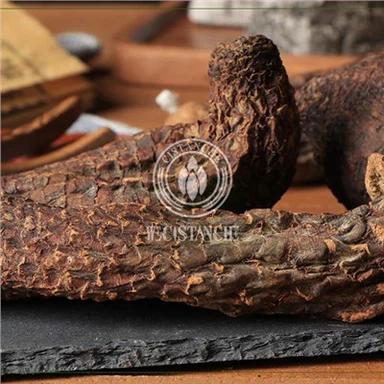
Traditional Chinese medicine has a long history in the field of kidney disease treatment, accumulating rich experience and wisdom. The formula of tonifying kidney and activating blood circulation with Cistanche deserticola is one of the shining pearls. Cistanche deserticola, a precious traditional Chinese medicine known as the "desert ginseng", occupies an important position in traditional medicine. It is warm in nature, sweet and salty in taste, and belongs to the kidney and colon meridians. It has significant effects such as tonifying kidney yang, nourishing essence and blood, moistening the intestines and promoting bowel movements. In the Compendium of Materia Medica, it is recorded that "this substance is nourishing but not steep, hence it is called calm." This vividly illustrates the mild characteristics of the kidney tonifying effect of Cistanche deserticola.

what does cistanche do
In the treatment of chronic renal failure, Cistanche deserticola kidney tonifying and blood activating formula has demonstrated unique advantages and potential. It does not simply relieve a certain symptom, but comprehensively regulates and repairs kidney function from a holistic perspective through multi-target and multi pathway mechanisms of action. This formula uses Cistanche deserticola as the main herb, warming and tonifying kidney yang, nourishing essence and filling marrow, providing fundamental motivation for the recovery of kidney function. The minister used prepared rehmannia, yams, cornus officinalis, etc. to nourish yin and kidney, assist the monarch in strengthening the power of kidney tonifying, and at the same time regulate yin and yang, so that the kidney function can be better recovered under the condition of yin and yang balance. Combined with blood activating and stasis removing products such as Danshen, Chuanxiong, and Taoren, it improves the blood circulation of the kidneys, eliminates blood stasis, provides sufficient nutrition and oxygen for kidney cells, and promotes the repair and regeneration of damaged tissues. By using diuresis and laxatives such as Poria cocos and Alisma, the evil of dampness and turbidity can be guided to emerge from urine, reducing the burden on the kidneys and achieving the goal of treating both symptoms and root causes.
Chronic renal failure and oxidative stress: what exactly is going on?
Chronic renal failure is a clinical syndrome characterized by gradual and irreversible decline in kidney function due to various reasons, leading to loss of function. Its causes are quite complex. Primary kidney diseases such as chronic glomerulonephritis and tubulointerstitial disease can gradually erode the normal structure and function of the kidneys through long-term inflammatory reactions. Secondary causes should not be underestimated. Hypertension, diabetes and other diseases, if not well controlled, will lead to renal vascular disease, glomerulosclerosis, and eventually lead to chronic renal failure. In addition, genetic factors, drug toxicity, urinary tract obstruction, and other factors may also contribute to this.

Benefits of cistanche tubulosa
The symptoms of chronic renal failure can be described as' one pull can move the whole body '. In the gastrointestinal tract, symptoms such as anorexia, abdominal discomfort, nausea and vomiting are common, and there may also be a urinary odor in the mouth. Inflammation, erosion, and ulcers may also occur in the oral mucosa. The mental and neurological manifestations include fatigue, dizziness, memory loss, insomnia, limb numbness, etc. The cardiovascular system may experience symptoms such as elevated blood pressure, heart failure, and myocardial damage. The hematopoietic system is affected, which can lead to anemia and bleeding, such as nasal bleeding, gum bleeding, subcutaneous bruising, etc. The retention of uremic toxins in the respiratory system will cause dyspnea and shortness of breath. The skin becomes dry, flaky, and itchy. Metabolic acidosis and electrolyte imbalance may also occur, such as hyponatremia, hypocalcemia, and hyperphosphatemia. At the same time, the risk of infection increases, and renal bone disease may also follow.
Oxidative stress plays the role of a "criminal accomplice" in the occurrence and development of chronic renal failure. Under normal circumstances, the oxidation and antioxidant systems in the body are in equilibrium. However, in chronic renal failure, this balance is disrupted. Due to impaired kidney function and accumulation of metabolic waste in the body, a large amount of free radicals such as reactive oxygen species (ROS) are produced. Among them, mitochondrial electron transport chain dysfunction, abnormal activation of catalytic enzymes such as xanthine oxidoreductase and NADPH oxidase are all the "sources" of free radical production. Especially the NOX4 subtype in the NADPH oxidase family, which is highly expressed in the kidneys, has become a key factor in renal oxidative stress and kidney injury.

cistanche deserticola ma-improve kidney function
These free radicals are highly destructive and can attack various biomolecules in kidney cells. The peroxidation reaction of lipids in the cell membrane produces lipid peroxidation products such as malondialdehyde (MDA), which destroys the structure and function of the cell membrane, increases cell permeability, and thus affects the exchange and signal transmission of substances inside and outside the cell. Free radicals can also damage proteins, causing changes in their structure and function, affecting enzyme activity and receptor function within cells. For nucleic acids, free radicals can cause DNA damage, trigger gene mutations, or induce cell apoptosis. Under the continuous attack of free radicals, kidney cells undergo apoptosis and necrosis, disrupting the normal tissue structure of the kidney. Lesions such as glomerulosclerosis and tubulointerstitial fibrosis gradually worsen, further accelerating the decline of kidney function.
When evaluating the severity of chronic renal failure and the degree of oxidative stress, some oxidative stress indicators are of great significance. MDA is a typical product of lipid peroxidation, and its content directly reflects the degree of lipid peroxidation in the body. The higher the MDA level, the more severe the damage of free radicals to lipids, which means that the degree of oxidative stress is more severe. Superoxide dismutase (SOD) is an important antioxidant enzyme in the body, which can catalyze the dismutation reaction of superoxide anion radicals, generate oxygen and hydrogen peroxide, thereby clearing free radicals and protecting cells from oxidative damage. The decrease in SOD activity indicates a decline in the body's antioxidant capacity, making it unable to effectively combat the "rampage" of free radicals and exacerbating oxidative stress. Glutathione peroxidase (GPx) is also a key antioxidant enzyme that can use reduced glutathione to reduce hydrogen peroxide to water, playing an indispensable role in the antioxidant defense system. The changes in GPx activity can also intuitively reflect the balance between the body's antioxidant capacity and oxidative stress state. By detecting and analyzing these indicators, doctors can more accurately grasp the patient's condition and provide important basis for formulating reasonable treatment plans.

effects of cistanche-improve kidney function
Unveiling the miraculous effects of Cistanche deserticola kidney tonifying and blood activating formula
The subtlety of Cistanche deserticola kidney tonifying and blood activating formula lies in its scientifically reasonable drug combination. As a traditional Chinese medicine, Cistanche deserticola is rich in various active ingredients, such as phenylethanoid glycosides. Modern pharmacological research has shown that these ingredients have significant antioxidant effects, effectively clearing free radicals in the body and reducing oxidative stress damage to kidney cells. Its effects of tonifying kidney yang and nourishing essence and blood are manifested at the cellular level by promoting the proliferation and differentiation of kidney cells, enhancing their functional activity, and providing strong support for the recovery of kidney function.
The prepared rehmannia root, Chinese yam, cornus officinalis and other courtiers' medicines work together with the monarch's medicine to produce the effect of nourishing yin and tonifying the kidney. Rehmannia glutinosa contains components such as catalpol and polysaccharides from Rehmannia glutinosa, which have the effects of regulating immunity, antioxidation, and improving kidney function. Yam is rich in yam polysaccharides, yam saponins, etc., which can enhance the body's immunity, regulate glucose and lipid metabolism, and have a protective effect on the kidneys. The components such as ursolic acid and loganin in Cornus officinalis have various pharmacological activities such as anti-inflammatory, antioxidant, and immune regulation. They can effectively reduce kidney inflammation, protect kidney cells from oxidative damage, and assist in regulating the balance of yin and yang in the kidneys, promoting stable recovery of kidney function.
Danshen, Chuanxiong, Taoren and other blood activating and stasis removing medicines are added as adjuncts in the formula. The active ingredients such as tanshinone and salvianolic acid in Danshen have strong antioxidant effects, which can eliminate free radicals and reduce oxidative stress. At the same time, Danshen can improve renal blood circulation, reduce blood viscosity, inhibit platelet aggregation, prevent thrombosis, provide sufficient blood perfusion to renal tissue, and promote the repair and regeneration of damaged renal tissue. The ingredients such as ligustrazine in Chuanxiong can dilate blood vessels, increase renal blood flow, improve microcirculation, and also have antioxidant and anti-inflammatory effects, which can reduce damage to renal cells. Peach kernels contain components such as amygdalin and volatile oil, which have the effects of promoting blood circulation, removing blood stasis, anti-inflammatory, and antioxidant, helping to eliminate kidney congestion and improve kidney function.
Poria cocos, Alisma, and other diuretics can be used as diuretics to guide the elimination of dampness and turbidity from urine. The components such as Poria polysaccharides in Poria cocos have the effects of regulating immunity, diuresis, and reducing swelling, which can reduce the water load on the kidneys and improve the metabolic environment of the kidneys. The components such as Alismatal in Alisma have diuretic, lipid-lowering, antioxidant and other effects, which can promote the excretion of excess water and metabolic waste in the body, reduce the burden on the kidneys, and create favorable conditions for the recovery of kidney function.

Chinese herb cistanche-tonifying kidney
Click here to view Cistanche for Kidney disease products
【Ask for more】 Email: xue122522@foxmail.com / Whats App: 0086 18599088692 / Wechat: 18599088692
Experimental research: Speaking with data
In order to investigate the effect of Cistanche deserticola kidney tonifying and blood activating formula on oxidative stress in rats with chronic renal failure, healthy male SD rats were selected as experimental subjects in this experiment. Rats were randomly divided into a normal control group, a model group, a positive drug control group (losartan potassium group), and low, medium, and high dose groups of Cistanche deserticola kidney tonifying and blood activating formula, with 10 rats in each group.
When establishing the renal failure model, the classic adenine gavage method was used. The specific operation is to administer a certain dose of adenine to rats by gavage every day for several weeks, while combining with a high phosphorus diet, in order to induce the formation of a chronic renal failure model. During the modeling process, closely observe the general state of the rats, such as hair color, mental state, activity, diet, and water intake. Regularly collect rat blood and test renal function indicators such as creatinine (Scr) and blood urea nitrogen (BUN), as well as oxidative stress indicators such as malondialdehyde (MDA), superoxide dismutase (SOD), and glutathione peroxidase (GPx), to evaluate whether the model has been successfully established. When the Scr and BUN levels of the model group rats significantly increased, and pathological changes in renal tissue such as glomerulosclerosis and tubulointerstitial fibrosis appeared, accompanied by changes in oxidative stress indicators such as increased MDA content and decreased SOD and GPx activity, it indicates the successful establishment of the chronic renal failure model.
The administration method is gavage, once a day, for several consecutive weeks. The low, medium, and high-dose groups of Cistanche deserticola kidney tonifying and blood activating formula were given different concentrations of drug solutions by gavage, while the positive control group was given losartan potassium solution by gavage, and the normal control group and model group were given an equal amount of physiological saline by gavage.
During the experiment, blood samples were collected from rats before and every week after administration to detect indicators such as Scr, BUN, MDA, SOD, GPx, etc. Using a fully automated biochemical analyzer to detect Scr and BUN levels, measuring MDA content by colorimetric method, detecting SOD activity by xanthine oxidase method, and measuring GPx activity by glutathione reductase method. After the experiment, the rats were euthanized and kidney tissue was removed for pathological examination. The morphological and structural changes of glomeruli and renal tubules were observed, and the expression of related proteins in the kidney tissue, such as oxidative stress-related protein NOX4, was detected by immunohistochemistry to further explore the mechanism of action of Cistanche deserticola kidney tonifying and blood activating formula.
The experimental results showed that compared with the normal control group, the Scr and BUN levels in the model group rats were significantly increased (P<0.01), indicating significant damage to renal function. The Scr and BUN levels of rats in each dose group of Cistanche deserticola kidney tonifying and blood activating formula and the positive drug control group were reduced to varying degrees, and the differences between the medium and high dose groups and the model group were statistically significant (P<0.05 or P<0.01). In terms of oxidative stress indicators, the MDA content in the model group rats was significantly higher than that in the normal control group (P<0.01), while the SOD and GPx activities were significantly lower than those in the normal control group (P<0.01). All dose groups of Cistanche deserticola kidney tonifying and blood activating formula can significantly reduce MDA content (P<0.05 or P<0.01), increase SOD and GPx activity (P<0.05 or P<0.01), and the effect of the medium and high dose groups is better than that of the low dose group, with some indicators close to or better than the positive drug control group. The pathological examination results of kidney tissue also indicate that Cistanche deserticola kidney tonifying and blood activating formula can reduce the degree of glomerulosclerosis and tubulointerstitial fibrosis, and improve the pathological damage of kidney tissue. Through the detection of NOX4 protein expression in renal tissue, it was found that the NOX4 protein expression in the model group rats was significantly increased, while the dose groups of Cistanche deserticola kidney tonifying and blood activating formula could significantly reduce the expression of NOX4 protein (P<0.05 or P<0.01), further confirming the inhibitory effect of this formula on renal oxidative stress.
Deep exploration of the mechanism of action: multidimensional analysis
From a cellular perspective, the formula of Cistanche deserticola tonifying kidney and promoting blood circulation has a significant protective effect on kidney cells. Research has found that this formula can inhibit apoptosis of kidney cells, and its mechanism of action may be related to regulating the expression of apoptosis related genes. Experiments have shown that Cistanche deserticola kidney tonifying and blood activating formula can downregulate the expression of pro apoptotic gene Bax and upregulate the expression of anti apoptotic gene Bcl-2, thereby effectively suppressing the process of cell apoptosis. This process is like building a "protective net" inside the cell, preventing the cell from dying due to factors such as oxidative stress. This formula can also promote the regeneration of kidney cells by activating signaling pathways related to cell proliferation, such as the Wnt/β - catenin signaling pathway, which stimulates the proliferation and differentiation of kidney stem cells or progenitor cells, providing a new source of cells for the repair of kidney tissue and helping to restore damaged kidney structure and function.
At the molecular level, the mechanism of action of Cistanche deserticola kidney tonifying and blood activating formula is more complex and sophisticated. It can regulate multiple signaling pathways, among which the mitogen activated protein kinase (MAPK) signaling pathway plays a key role in cellular stress response, proliferation, differentiation, and apoptosis. Cistanche deserticola kidney tonifying and blood activating formula can inhibit the excessive activation of MAPK signaling pathway and reduce cell damage caused by oxidative stress. In the pathological state of chronic renal failure, oxidative stress can activate sub pathways such as p38 MAPK and JNK in the MAPK signaling pathway, leading to a series of intracellular adverse reactions, such as the release of inflammatory factors and an increase in cell apoptosis. The Cistanche deserticola kidney tonifying and blood activating formula intervenes in this signaling pathway, reducing the phosphorylation level of related proteins, thereby alleviating the damage of oxidative stress to kidney cells.
This party also has a regulatory effect on the nuclear factor E2 related factor 2 (Nrf2)/antioxidant response element (ARE) signaling pathway. Nrf2 is an important antioxidant transcription factor in cells. Under normal circumstances, Nrf2 binds to Kelch like ECH related protein 1 (Keap1) and remains inactive. When cells are stimulated by oxidative stress, Nrf2 dissociates from Keap1 and enters the nucleus to bind with ARE, initiating the expression of a series of antioxidant genes, such as SOD, GPx, and other antioxidant enzyme gene transcription. Cistanche deserticola kidney tonifying and blood activating formula can promote the dissociation of Nrf2 and Keap1, enhance the nuclear translocation of Nrf2, thereby upregulating the expression of ARE driven antioxidant enzyme genes, improving the antioxidant capacity of kidney cells, effectively clearing free radicals, and reducing oxidative stress damage.
The formula of tonifying kidney and promoting blood circulation with Cistanche deserticola also has a wide impact on gene expression. Research has found that this formula can regulate the expression of genes related to oxidative stress, inflammatory response, and extracellular matrix metabolism. It can inhibit the expression of inflammatory factor genes such as tumor necrosis factor - α (TNF - α), interleukin-6 (IL-6), etc., reducing the damage of inflammatory response to renal tissue. In terms of extracellular matrix metabolism, this formula can downregulate the expression of genes such as matrix metalloproteinase-9 (MMP-9) and upregulate the expression of genes such as tissue inhibitor of metalloproteinase-1 (TIMP-1), thereby inhibiting the process of renal fibrosis and protecting the normal structure and function of the kidneys.
Clinical application prospects and challenges: opportunities and difficulties coexist
The formula of Cistanche deserticola tonifying kidney and activating blood circulation has broad application prospects in the clinical treatment of chronic renal failure. It can effectively improve the clinical symptoms of patients, such as relieving gastrointestinal discomfort, reducing fatigue and anemia symptoms, lowering blood pressure, etc., thereby improving the quality of life of patients. By regulating kidney function, reducing proteinuria and hematuria, lowering blood creatinine and urea nitrogen levels, this formula can also delay the progression of chronic kidney failure, delay the time to enter end-stage renal disease, and win more treatment opportunities and survival hope for patients. Its multi-target and multi pathway mechanism of action gives it the advantage of comprehensive regulation in the treatment of complex chronic renal failure, which can compensate for the limitations of single target drug therapy and provide a new approach and method for clinical treatment.
However, the application of Cistanche deserticola kidney tonifying and blood activating formula in clinical practice also faces many challenges. Firstly, there is the issue of drug standardization. The quality of traditional Chinese medicine is affected by various factors such as place of origin, harvest season, and processing methods, which can lead to unstable content of active ingredients, thereby affecting the efficacy and safety of the formula. Therefore, it is urgent to establish a scientific and standardized drug standardization system for Cistanche deserticola kidney tonifying and blood activating formula, including strict control of the source of medicinal materials, unified processing technology, clear standards for effective ingredients and content, etc., to ensure the accuracy and effectiveness of clinical medication.
Secondly, determining the dosage of each drug in the prescription is also a major challenge. There are differences in the condition, constitution, age, etc. of different patients, and the required dosage of medication is also not the same. How to accurately determine the dosage of each drug in the Cistanche deserticola kidney tonifying and blood activating formula based on the specific situation of the patient, and achieve personalized treatment, is a problem that needs to be further studied. This requires the use of modern medical technologies such as pharmacogenomics and pharmacokinetics to gain a deeper understanding of the process of drug action in the body and individual differences, providing scientific basis for dose determination.
Furthermore, the adverse reactions of this party are not yet clear. Although no significant adverse reactions have been found in clinical applications and experimental research, with the expansion of application scope and deepening of research, potential problems such as drug interactions and allergic reactions may arise. Therefore, strengthening the monitoring and research of adverse reactions of Cistanche deserticola kidney tonifying and blood activating formula, establishing a sound adverse reaction reporting system, and timely detecting and handling possible problems are crucial for ensuring the safety of patients' medication.
Summary and Prospect: Promising Future
The formula of Cistanche deserticola tonifying kidney and activating blood circulation has shown significant therapeutic effects and unique advantages in the study of oxidative stress in rats with chronic renal failure. Through scientific and rational drug compatibility, this formula exerts its effects from multiple levels such as cells, molecules, and genes, effectively reducing the levels of blood creatinine and urea nitrogen in rats with chronic renal failure, improving oxidative stress indicators, and reducing pathological damage to kidney tissue, providing new ideas and methods for the treatment of chronic renal failure. Its multi-target and multi pathway mechanism of action reflects the holistic concept and dialectical treatment characteristics of traditional Chinese medicine, and has broad clinical application prospects.
However, we are also aware that current research still has certain limitations. In the future, we will further investigate the mechanism of action of Cistanche deserticola kidney tonifying and blood activating formula, especially in terms of gene regulation network, to explore its impact on more signaling pathways and gene targets, in order to more comprehensively reveal the mystery of this formula in treating chronic renal failure. In terms of formula optimization, we will combine modern drug research and development technology to screen out the most active ingredients or components in the formula, optimize the drug composition and dosage ratio of the formula, and improve the efficacy and safety of the formula. At the same time, more high-quality and large-scale clinical trials will be conducted to verify the effectiveness and safety of the formula in different populations and stages of the disease, providing more solid evidence for its clinical application.
We believe that with the continuous deepening and improvement of research, Cistanche deserticola kidney tonifying and blood activating formula has the potential to become an effective drug for treating chronic renal failure, bringing new hope to patients and achieving greater breakthroughs in the field of kidney disease treatment, making positive contributions to human health.