Cistanche Drying Methods And Phenylethanoid Glycosides: The Complete Science-Based Guide For Choosing Quality Cistanche
Oct 13, 2026
Introduction: Why Drying Method Matters for Cistanche Quality
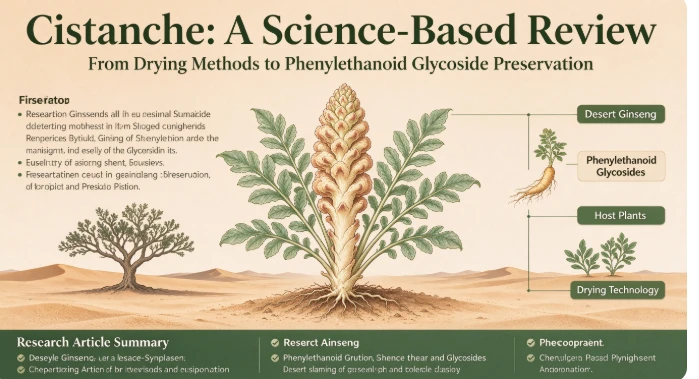
Cistanche, known scientifically as Cistanches Herba and widely celebrated as the "Desert Ginseng" or "Ginseng of the Desert," is one of the most valuable medicinal plants in traditional Chinese medicine. For centuries, this remarkable herb has been harvested from the harsh, arid deserts of northwestern China - mainly the regions of Inner Mongolia, Xinjiang, Gansu, and Ningxia - where it thrives by parasitizing the roots of desert shrubs. Its nickname says a great deal about its reputation: like true ginseng, Cistanche is prized not as an ordinary food or medicine, but as a precious, tonic-grade botanical that supports vitality, kidney health, energy, and digestive comfort.
Yet there is a quiet secret behind every great product made from Cistanche - and it is not the growing conditions, the harvest season, or the soil quality alone. It is the way the fresh, fleshy stems are processed after harvest. Specifically, it is the drying method. A growing body of scientific research now shows that the choice of drying technique can dramatically change how many beneficial compounds survive in the final dried herb. Among those compounds, a family of active molecules called phenylethanoid glycosides stands out as the most important. These are the substances that give Cistanche most of its health-supporting properties, and their preservation depends heavily on how the plant is dried.
This article is written for health-conscious consumers, herbal supplement manufacturers, formulators, importers, and anyone who wants to understand Cistanche at a deeper level. It explains, in plain and accessible language, what phenylethanoid glycosides are, why the drying process matters so much, which drying methods preserve them best, and how science has compared two different host plants - the traditional Haloxylon ammodendron (saxaul) and the newer Atriplex canescens (fourwing saltbush) - under the same set of drying conditions. By the end, you will know exactly what to look for in a high-quality Cistanche product and why the label "freeze-dried" or "80°C dried" can make a real difference in the bottle.
Before we go further, a brief note of clarity: this article is educational and informational in nature. It summarizes findings from published scientific research and is not intended to diagnose, treat, cure, or prevent any disease. Always consult a qualified healthcare professional before using herbal supplements, especially if you are pregnant, nursing, taking medication, or managing a chronic health condition.
What Is Cistanche? The "Desert Ginseng" Explained
To understand why drying method matters, we first need to understand what Cistanche actually is. Cistanche is a genus of parasitic plants in the Orobanchaceae (broomrape) family. Unlike most plants, Cistanche does not photosynthesize for its own survival; instead, it attaches to the roots of certain host shrubs and draws water and nutrients from them. The most famous hosts are desert plants that are themselves adapted to extreme drought.
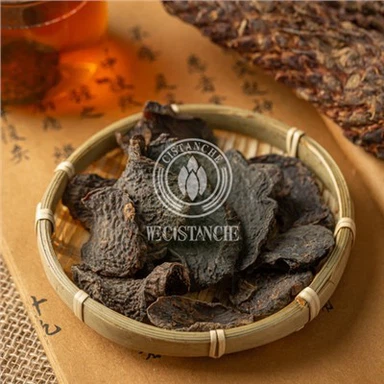
The part used in traditional Chinese medicine is the fleshy stem, which is harvested while the plant is still in its growing phase, usually in the spring. The fresh stem is thick, succulent, and juicy - full of water and active compounds. This is exactly why drying is such a delicate and consequential step. If the stem is dried too slowly, at the wrong temperature, or with too much exposure to air and sunlight, the delicate bioactive molecules inside can degrade. If it is dried too aggressively, the same thing happens. Getting it right is both an art and a science.
Cistanche has a very long history of use. It is first recorded in the Shennong Bencao Jing (The Divine Farmer's Classic of Materia Medica), one of the oldest pharmacopoeias in the world, where it was classified in the highest category of herbs - those considered safe, nourishing, and suitable for long-term use. Traditional Chinese medicine considers Cistanche sweet, salty, and warm in nature, and it is said to benefit the kidney and large intestine meridians. It has traditionally been used to support kidney yang, replenish essence and blood, promote healthy bowel movements, and support general vitality. Historically, it has been used to address conditions related to kidney deficiency, fatigue, weakness in the limbs, and digestive regularity.
Modern science has gradually caught up with this ancient wisdom. Researchers have identified a range of biologically active constituents in Cistanche, including phenylethanoid glycosides, iridoid glycosides, lignans, polysaccharides, and various phenolic compounds. Among all of these, the phenylethanoid glycosides are generally considered the most important and the most extensively studied. They are the class of compounds that has drawn the most attention from scientists looking to understand how Cistanche exerts its effects.
Because these compounds are so important, researchers care deeply about how to preserve them. And because the fresh stem is so water-rich, the drying process is the single most decisive step in determining the final content of these compounds in the dried product you buy.
Phenylethanoid Glycosides: The Star Compounds of Cistanche
Phenylethanoid glycosides are a class of naturally occurring compounds found in a number of medicinal plants, but they are especially abundant and well characterized in Cistanche. Chemically, they are characterized by a phenylethyl group linked to a sugar moiety, typically accompanied by caffeoyl and hydroxytyrosol structures. To the average reader, this chemistry may sound intimidating, but the important takeaway is simple: these are the molecules that give Cistanche much of its functional value, and they are fragile enough that processing conditions can make or break their survival.
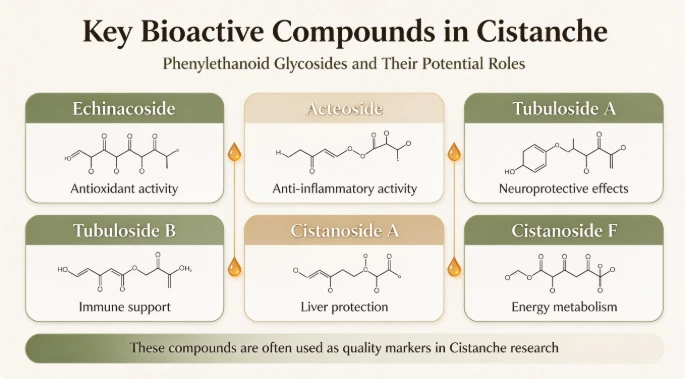
Within Cistanche, researchers commonly measure a panel of ten phenylethanoid glycosides. These include:
Echinacoside
Acteoside (also called verbascoside)
Isoacteoside
Cistanoside A
Cistanoside B
Tubuloside A
Tubuloside B
2'-Acetylacteoside
Salidroside
Leonuride (ajugol)
Each of these compounds has been the subject of scientific interest. Echinacoside and acteoside, in particular, are so important that they have been selected as marker or indicator compounds for Cistanche in the Chinese Pharmacopoeia (2020 edition). This means that, at least in the official standards, the quality of Cistanche is partly judged by how much of these two compounds it contains. That is a strong signal of their importance.
From a functional perspective, phenylethanoid glycosides are associated with a wide range of biological activities reported in the scientific literature. These include antioxidant properties, anti-inflammatory actions, neuroprotective potential, support for cognitive function, immunomodulatory effects, and benefits for the cardiovascular system. They are also the reason Cistanche is traditionally used to support kidney function and to promote regular bowel movements. While the details of each mechanism are still being explored, the broad consensus is that these compounds are central to why Cistanche is valued.
Because these compounds are bioactive and fragile, they are also the perfect "canary in the coal mine" for processing quality. If a drying method preserves phenylethanoid glycosides well, it is a strong sign that the overall quality of the dried herb is high. If a drying method destroys them, the herb may lose much of its functional value even if it still looks intact. This is precisely why researchers set out to compare different drying methods head-to-head.
Two Host Plants, One Big Question
Cistanche cannot grow on its own. It must parasitize a host. And the host plant it grows on can influence everything about the resulting herb - including its chemical profile. This is one of the most fascinating and least understood aspects of Cistanche quality.
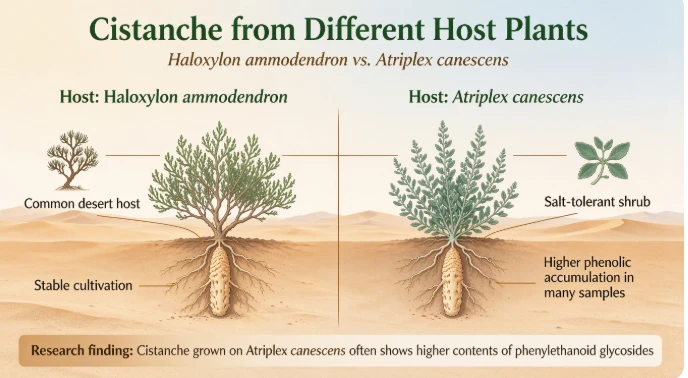
The traditional host plant for Cistanche is the saxaul, or Haloxylon ammodendron, a shrub belonging to the goosefoot family (Chenopodiaceae). Saxaul is a hardy desert plant that has been used as a Cistanche host for a very long time. However, saxaul has some practical drawbacks. It grows relatively slowly, and it has limited economic value in its own right. Young saxaul plants - those younger than about three years - are not suitable for cultivating Cistanche, which means growers must wait a long time before a planting can begin to produce.
To ease the pressure on the Cistanche supply and to improve production efficiency, researchers in China have been looking for alternative host plants. One of the most promising candidates is the fourwing saltbush, Atriplex canescens, a fast-growing, drought-tolerant shrub native to the Americas that has been successfully introduced and cultivated in the arid regions of Gansu Province in China. Because it grows faster and has better economic prospects than saxaul, the fourwing saltbush has attracted serious attention as a potential new host for Cistanche cultivation.
But a host can be a host in name only. The big question, and the one that motivated the research behind this article, is whether Cistanche grown on the fourwing saltbush produces a herb of comparable - or even superior - quality to that grown on the traditional saxaul host. Quality, in this case, is measured by the content of the active phenylethanoid glycosides. If the fourwing saltbush produces Cistanche with lower active compound content, then its faster growth would come at the cost of quality. If it produces equal or higher content, then it represents a genuine win for the industry.
This question is not just academic. It has real commercial consequences for growers, exporters, and manufacturers who are trying to meet global demand for high-quality Cistanche products. And it is especially relevant to the modern market, where buyers increasingly look beyond the name "Cistanche" and demand evidence of quality, purity, and standardized active compound content.
The Role of Drying: Why Fresh Herbs Must Be Processed Carefully
When Cistanche stems are harvested, they are full of water - often around 70% or more of their fresh weight is moisture. Leaving the stems in this state is not practical. They would quickly spoil, ferment, or mold. Drying is therefore an essential step for preservation, transport, and storage. But drying is not a neutral process. It actively shapes the final chemistry of the herb.
There are several ways in which drying can affect phenylethanoid glycosides:
First, there is thermal degradation. Many bioactive compounds are sensitive to heat. High temperatures over prolonged periods can break down these molecules. This is why the temperature chosen during drying matters so much.
Second, there is enzymatic degradation. Fresh plant tissues contain active enzymes that can break down their own constituents. These enzymes are normally held in check while the plant is alive and intact. When the plant is cut, sliced, or crushed, the cellular structure is disrupted, and enzymes come into contact with the compounds they can degrade. This is the reason why many traditional drying processes include a "green-killing" or blanching step - a brief exposure to heat (usually steam) that inactivates these enzymes and slows the loss of active compounds.
Third, there is oxidative degradation. Exposure to oxygen can oxidize delicate phenolic compounds, altering their structure and reducing their activity.
Fourth, there is the influence of time. The longer the drying process takes, the more opportunity there is for degradation to occur. A slow, low-temperature process may preserve heat-sensitive compounds but expose them to enzymes and oxygen for longer. A fast, high-temperature process may limit the time of exposure but risk thermal damage.
The ideal drying method, in theory, would be one that is fast enough to limit enzyme and oxidation damage, gentle enough to avoid thermal breakdown, and efficient enough to be practical at industrial scale. Finding that balance is exactly what the researchers set out to do in the study we are about to explore.
It is worth emphasizing that this is not a trivial detail. In the production of many botanical products, the drying step is where the most quality is gained or lost. Two batches of Cistanche from the same field, harvested on the same day, can end up with very different active compound content simply because they were dried differently. Understanding this is the first step to appreciating why "how it was dried" belongs on the label.
The Five Drying Methods Compared in the Study
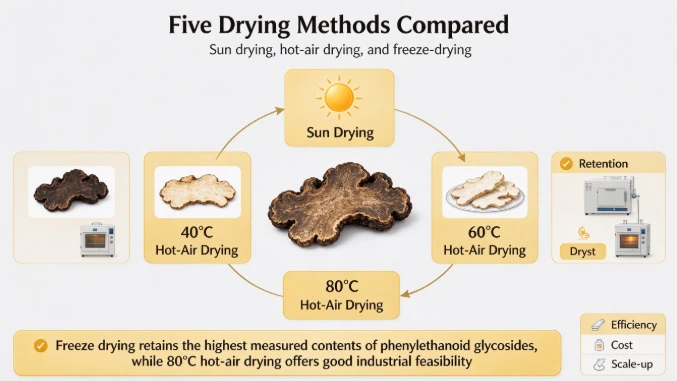
To give a complete picture, the research team compared five distinct drying methods, which represent the range of techniques used in both traditional practice and modern industry. Each method was applied to slices of fresh Cistanche stem, cut to a uniform thickness of 3 millimeters to ensure fair comparison. Here is what each method involves:
1. Sun Drying. In this traditional method, the sliced Cistanche stems are first steamed for five minutes, then spread out in a sunny, well-ventilated location and allowed to dry naturally under sunlight. The process continues until the moisture content drops below 10%. Sun drying is the most traditional and energy-free approach, but it is also the slowest and exposes the herb to the elements for the longest time.
2. Hot-Air Oven Drying at 40°C. The slices are steamed for five minutes, then placed in an oven and dried at a gentle 40°C until the moisture content falls below 10%. This low-temperature oven method is slower than higher-temperature ovens but is intended to be gentler on heat-sensitive compounds.
3. Hot-Air Oven Drying at 60°C. The same procedure is followed, but the oven temperature is set to 60°C. This is a moderate-temperature approach.
4. Hot-Air Oven Drying at 80°C. The slices are steamed for five minutes and then dried at 80°C until the moisture content drops below 10%. This higher-temperature method is faster and closer to what industrial producers commonly use.
5. Vacuum Freeze-Drying (Lyophilization). The fresh slices are first pre-cooled in a freezer at -80°C for two hours, then placed in a vacuum freeze-dryer operating at a vacuum of about 650 Pa and a freeze temperature of -55°C, and dried for 48 hours. Freeze-drying works by freezing the water in the tissue and then sublimating it directly from solid to vapor under vacuum, without ever passing through a liquid phase. This is considered the most gentle drying method because it operates at very low temperatures and removes water without the thermal stress of oven drying.
It is important to note a practical difference between the freeze-drying approach and the oven approaches. The oven methods include a steaming (green-killing) step before drying, which inactivates enzymes. The freeze-drying method does not include this steaming step; instead, it relies on the ultra-low temperatures to preserve the tissue. This difference is significant and we will return to it later.
By running all five methods on Cistanche from both host plants, the researchers created a comprehensive, side-by-side comparison that isolates the effect of drying method from the effect of host plant - and also reveals how the two factors interact.
The Science Behind the Measurement: How Active Compounds Are Quantified
Before diving into the results, it helps to understand how scientists measure these compounds so precisely. This is not guesswork or folklore; it is modern analytical chemistry at a very high level.
The researchers used a technique called ultra-high performance liquid chromatography-triple quadrupole mass spectrometry, abbreviated as UPLC-QQQ-MS. This may sound complicated, but the principle can be explained simply.
Imagine you have a mixture of many different compounds in a liquid, and you want to know exactly how much of each one is present. The problem is that the mixture is crowded with many similar molecules. UPLC-QQQ-MS solves this in two stages.
The first stage is chromatography. The liquid sample is pushed through a specially designed column packed with a material that separates the different molecules based on their physical and chemical properties. As the molecules travel through the column at different speeds, they emerge one after another, like runners crossing a finish line at different times. This separation is the "high performance liquid chromatography" part.
The second stage is mass spectrometry. As each separated compound emerges, it is ionized and passed into a mass spectrometer, which measures the mass-to-charge ratio of the molecules. The "triple quadrupole" part refers to a specific configuration of the instrument that allows it to be extremely selective. It can filter for a specific molecule, break it into fragments, and then detect a specific fragment - all in rapid succession. This selectivity means the instrument can tell apart compounds that are extremely similar, even ones that differ by a single structural feature.
In this study, the team optimized the mass spectrometry conditions for each of the ten phenylethanoid glycosides, working in negative ion mode with an electrospray ionization source. They established linear standard curves for each compound by running known concentrations of reference standards. The high correlation coefficients they obtained - many above 0.999 - confirm that the measurements were highly reliable.
The researchers also performed a series of method validation tests to prove the results were trustworthy. They tested precision (repeating the same measurement multiple times), stability (measuring the same sample over 24 hours), repeatability (preparing multiple samples and measuring them), and recovery (spiking samples with known amounts of standards and seeing how much was recovered). All these tests passed with excellent results, giving confidence that the numbers reported in the study genuinely reflect the content of the compounds in the samples.
This rigorous analytical approach matters because it means the comparison between drying methods and between host plants is based on solid, reproducible data - not anecdote or assumption.
Study Results, Explained Simply
Now we come to the heart of the matter: what the research actually found. The results can be organized around a few clear take-home messages, and it is worth understanding each one.
Finding One: Freeze-Drying Preserved the Highest Content of Phenylethanoid Glycosides.
For both host plants, the vacuum freeze-dried samples contained the highest total content of the ten phenylethanoid glycosides. This makes intuitive sense. Freeze-drying operates at very low temperatures, so there is minimal thermal degradation. It also removes water quickly and gently, which helps protect the delicate molecules from enzymatic and oxidative damage. For a scientist who cares purely about preserving active compounds, freeze-drying is the clear winner.
Finding Two: Drying at 80°C Was the Best of the Oven Methods, and the Second-Best Overall.
Among the four heat-based methods (sun drying, 40°C, 60°C, and 80°C oven drying), the 80°C oven treatment consistently produced the highest content of phenylethanoid glycosides - in many cases close to, and sometimes comparable to, the freeze-dried samples. This is an interesting and somewhat counterintuitive result. One might expect that a gentler temperature like 40°C would be better than a hotter one like 80°C. But the data show the opposite pattern for the overall profile. The reason likely relates to time. The lower-temperature oven methods take much longer to remove the water, giving enzymes and oxygen more time to degrade the compounds. The 80°C oven, by contrast, removes water faster, and the initial steaming step has already inactivated the enzymes. The benefit of a faster drying time appears to outweigh the risk of moderate thermal damage.
Finding Three: Sun Drying and Low-Temperature Oven Drying Were the Poorest at Preserving These Compounds.
Sun drying and the 40°C and 60°C oven methods generally preserved the phenylethanoid glycosides least well across the two host plants. This reinforces the idea that slow drying - whether in the sun or in a gentle oven - exposes the delicate compounds to degradation for too long. It is a reminder that "gentle" and "slow" are not the same thing when it comes to preserving fragile bioactives.
Finding Four: The Host Plant Makes a Real Difference.
The research also compared Cistanche grown on the fourwing saltbush (Atriplex canescens) with Cistanche grown on the traditional saxaul (Haloxylon ammodendron). The overall chemical profiles of the two host varieties were similar - they contained the same ten compounds - but the amounts differed significantly. In general, the fourwing saltbush host produced Cistanche with higher total phenylethanoid glycoside content than the saxaul host, particularly when both were processed under the same conditions. This is an encouraging result for the fourwing saltbush as a viable alternative host, because it suggests that this faster-growing plant does not sacrifice quality - and may even offer an advantage.
Finding Five: The Rank Order Was Consistent Across Both Hosts.
When the samples were ranked by total phenylethanoid glycoside content, the order was remarkably consistent. For both hosts, the freeze-dried samples ranked highest, followed by the 80°C oven-dried samples. The two slow, low-temperature methods (sun drying and gentle oven drying) consistently ranked lower. This consistency strengthens the conclusion that the drying method, more than the host plant, is the dominant factor driving the preservation of these active compounds.
A Closer Look at the Individual Compounds
Beyond the total content, the study also looked at how each of the ten individual phenylethanoid glycosides responded to the different drying treatments. This level of detail is valuable because different compounds can behave differently under stress.
Some compounds, such as echinacoside, acteoside, isoacteoside, tubuloside A, tubuloside B, and 2'-acetylacteoside, were consistently found in their highest amounts in the freeze-dried samples. This makes sense given their sensitivity to heat.
Others showed a different pattern. For example, leonuride (ajugol) and salidroside reached their highest levels in the 80°C oven-dried samples of the fourwing saltbush host, and salidroside also ranked highest in the 80°C sample for the saxaul host. Geniposide (gardoside), meanwhile, was highest in the sun-dried samples of both hosts. These individual differences are a reminder that "best drying method" is not a one-size-fits-all answer at the level of every single molecule. However, when the goal is to preserve the overall profile and maximize the total phenylethanoid glycoside content - which is how quality is generally judged - freeze-drying and 80°C oven drying come out on top.
It is also worth noting the special status of echinacoside and acteoside. Because these two compounds are the official indicator compounds for Cistanche in the Chinese Pharmacopoeia, their preservation is of particular commercial significance. The fact that they were preserved best by freeze-drying, and very well by 80°C oven drying, means that both of these methods produce Cistanche that meets a high standard by the official quality metrics.
Why Freeze-Drying Isn't Always the Practical Choice
If freeze-drying preserves the most active compounds, one might reasonably ask: why doesn't the industry simply freeze-dry everything? The answer is that production is about more than pure chemistry. It is also about economics, time, and operational practicality.
Freeze-drying has several important drawbacks at industrial scale. First, it is expensive. Freeze-drying equipment is costly to purchase and expensive to operate, requiring vacuum systems and sustained low temperatures. Second, it is slow. In the laboratory, the freeze-drying process took about 48 hours - roughly two to three times longer than the oven drying processes. And crucially, this comparison was made using thin 3-millimeter slices. In real industrial processing, whole Cistanche stems are often dried rather than thin slices. This means the time gap between freeze-drying and oven drying is likely even larger in practice than it was in the laboratory.
Third, there is the question of enzymatic activity. As we noted earlier, the oven drying methods include a steaming (green-killing) step that inactivates enzymes and slows the degradation of active compounds. The freeze-drying method used in this study did not include that step; instead, it relied on ultra-low temperatures to preserve the tissue. This works well in the laboratory, where freezing is fast and controlled. But in a commercial setting, when large quantities of Cistanche are harvested at the same time and must be processed quickly, freeze-drying can become a bottleneck. If stems are not frozen fast enough, or if they must wait before processing, the enzyme issue could affect quality.
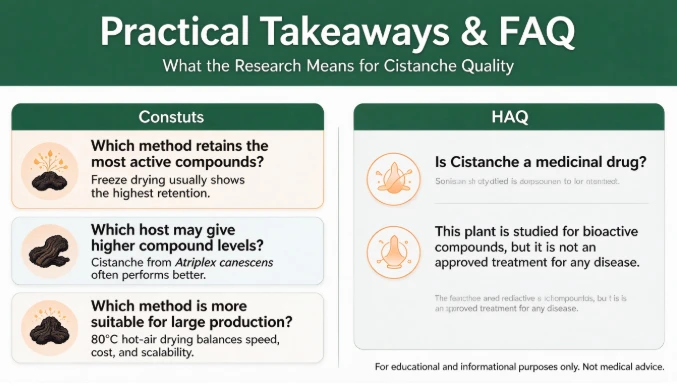
Taken together, these factors mean that freeze-drying, despite its superior compound preservation, is generally not considered economically viable for large-scale Cistanche production. This is where the 80°C oven drying method becomes so attractive.
Why 80°C Oven Drying Is the Best Practical Balance
The research concludes that, from the perspective of large-scale production, drying at 80°C offers the best balance between quality preservation and economic practicality.
Let us walk through the reasoning carefully, because it is the central practical conclusion of the study.
On the quality side, the 80°C oven method preserved the phenylethanoid glycosides very well - the second-highest content overall, and in some compounds comparable to freeze-drying. It consistently outperformed sun drying and the gentler low-temperature oven methods. For the two pharmacopoeia marker compounds, echinacoside and acteoside, the 80°C method performed strongly. In short, 80°C oven drying delivers a high-quality product by the standard scientific quality metrics.
On the economic side, 80°C oven drying is dramatically cheaper and faster than freeze-drying. The equipment is far less expensive. The process is much quicker. It does not require the energy-intensive vacuum and refrigeration systems that freeze-drying demands. And it includes the valuable steaming step that inactivates enzymes, protecting the compounds from degradation during the drying process. When large volumes of Cistanche arrive from the harvest at the same time, an 80°C oven can process them at a much higher throughput than a freeze-dryer.
This combination - high compound preservation, low cost, high throughput, and built-in enzyme control - is exactly what the industry needs. The study therefore recommends 80°C oven drying as the most economical approach that still delivers excellent quality, reserving freeze-drying for applications where maximum compound retention justifies the higher cost (for example, premium or specialized products).
It is a classic engineering trade-off: the mathematically best solution (freeze-drying) is not the same as the best practical solution (80°C oven drying) when all real-world constraints are considered. Understanding this trade-off is essential for anyone who buys, formulates, or manufactures Cistanche products.
Practical Takeaways for Consumers
If you are a consumer looking at Cistanche products, the research offers several practical insights that can help you make more informed choices.
First, look at how the product was dried, if that information is available. Products made with freeze-drying or oven drying at around 80°C are more likely to retain high levels of the active phenylethanoid glycosides than products that were sun-dried or dried at very low temperatures. If a brand is transparent about its drying process, that is a good sign of quality control.
Second, understand that "freeze-dried" is generally a premium claim. If a Cistanche product is genuinely freeze-dried, it likely preserves the highest levels of active compounds, but it may also carry a higher price. If you see a very inexpensive product labeled "freeze-dried," it is worth asking questions about how it was actually processed.
Third, consider the importance of standardized active compound content. Because echinacoside and acteoside are the official indicator compounds for Cistanche quality, a responsible manufacturer should be able to tell you the content of these compounds in their product. This is a more reliable measure of quality than marketing language.
Fourth, remember that host plant matters. The research suggests that Cistanche grown on the fourwing saltbush (Atriplex canescens) can have active compound content comparable to, or even higher than, that grown on the traditional saxaul. So a product's host origin is not, by itself, a reliable signal of inferior or superior quality - the drying method may matter even more.
Fifth, and most importantly, buy from reputable suppliers who can provide documentation of quality, including laboratory testing results. Transparency about testing and processing is the hallmark of a trustworthy Cistanche product.

Practical Takeaways for Manufacturers and Formulators
For manufacturers, formulators, and exporters, the implications of this research are even more direct.
The study provides a clear, evidence-based recommendation: for large-scale production, 80°C oven drying after a brief steaming step offers the best economic and quality balance. This is not a guess; it is backed by quantitative measurement of ten active compounds across two host plants.
Manufacturers should consider standardizing on a drying process that includes enzyme inactivation (such as steaming) followed by efficient oven drying in the 80°C range. This approach preserves the pharmacopoeia marker compounds well while keeping costs and processing times manageable.
For premium product lines where maximum compound retention is the selling point - such as high-end extracts, freeze-dried powders, or products marketed on their exceptional potency - freeze-drying can be justified as a premium processing choice, despite its higher cost.
The research also offers reassurance about host plant sourcing. The fourwing saltbush, which grows faster and has better economic characteristics than the traditional saxaul, produced Cistanche with strong active compound content. This suggests that expanding cultivation to this host is a sound strategic direction for the industry, helping to meet growing demand without sacrificing quality.
Finally, the study highlights the value of rigorous analytical testing. The use of validated methods like UPLC-QQQ-MS to quantify active compounds provides the kind of reliable, reproducible quality data that global buyers increasingly demand. Manufacturers who invest in such testing can document their product quality with evidence rather than claims.
How This Research Fits Into the Broader Picture
It is useful to step back and see how this study fits into the wider landscape of Cistanche research and the global botanical market.
The market for Cistanche and Cistanche-derived products has grown steadily as interest in traditional botanical medicine has expanded beyond Asia. Consumers in North America, Europe, and other regions are increasingly curious about herbs like Cistanche, drawn by its long history of use and the growing body of modern research on its active compounds. With this global interest comes a demand for quality assurance. Buyers no longer accept vague marketing; they want evidence of standardized active compound content, tested purity, and responsible processing.
This study contributes to that movement by providing concrete, quantifiable data on a key quality variable: the drying process. It gives both producers and buyers a shared language. When a producer says their Cistanche is "dried at 80°C after steaming," that statement now carries specific, research-backed meaning about expected compound preservation. When a buyer sees "freeze-dried," they understand what it implies about both quality and cost.
The research also connects to a larger conversation about sustainability and supply. By validating the fourwing saltbush as a viable host that can produce high-quality Cistanche, the study supports efforts to expand cultivation, relieve pressure on wild resources, and make the herb more accessible - all while maintaining the quality standards that make the herb valuable in the first place.
It is also worth noting that this study focuses specifically on phenylethanoid glycoside content. These are important, but they are not the only bioactive compounds in Cistanche. Polysaccharides, iridoid glycosides, and other constituents also contribute to the herb's overall profile. The researchers themselves note that future work will explore the pharmacological and functional effects more deeply. So this study should be seen as an important piece of the puzzle - a rigorous, quantitative look at one critical dimension of quality - rather than the final word on every aspect of Cistanche processing.
Frequently Asked Questions
To make this information as useful as possible, here are answers to some of the most common questions people have about Cistanche and its processing.
Q: Is freeze-dried Cistanche always better than oven-dried Cistanche?
A: From the narrow perspective of phenylethanoid glycoside preservation, yes - freeze-drying retained the highest content of these compounds in the study. However, "better" depends on what you value. Freeze-drying is much more expensive and slower. The 80°C oven-dried samples were close behind in compound content and are far more economical at scale. For most practical purposes, well-made 80°C oven-dried Cistanche offers an excellent quality-to-value balance.
Q: Why does higher oven temperature sometimes preserve more compounds than lower temperature?
A: Because time matters as much as temperature. Lower-temperature ovens dry more slowly, giving enzymes and oxygen more time to degrade the delicate compounds. The higher 80°C temperature, combined with an initial steaming step that inactivates enzymes, removes water faster and limits the window for degradation. The speed benefit can outweigh the moderate thermal stress.
Q: Does the host plant affect Cistanche quality?
A: Yes. The two hosts in this study - the saxaul (Haloxylon ammodendron) and the fourwing saltbush (Atriplex canescens) - produced Cistanche with the same ten phenylethanoid glycosides but with significantly different amounts. Interestingly, the fourwing saltbush host produced higher total content in many cases, which is good news for this newer host's commercial viability.
Q: What should I look for when buying Cistanche?
A: Whenever possible, choose products from brands that are transparent about their processing and that provide documented testing of active compounds, especially the pharmacopoeia marker compounds echinacoside and acteoside. Products dried at around 80°C or freeze-dried are more likely to retain high levels of these compounds. Buy from reputable suppliers who can show laboratory results.
Q: Is Cistanche safe to take?
A: Cistanche has a long history of traditional use and is classified as a high-grade herb in the classic pharmacopoeia. However, herbal supplements are not appropriate for everyone, and the scientific understanding of their effects is still evolving. Always consult a qualified healthcare professional before using Cistanche or any herbal supplement, especially if you are pregnant, nursing, taking medication, or managing a health condition.
Q: What are echinacoside and acteoside?
A: They are two phenylethanoid glycosides found in Cistanche and several other medicinal plants. They are so important that the Chinese Pharmacopoeia (2020 edition) uses them as official indicator compounds for Cistanche quality. They are associated with a range of reported biological activities, including antioxidant and neuroprotective effects.
Q: Can the fourwing saltbush replace the saxaul as a host plant?
A: The research suggests it is a promising alternative. The fourwing saltbush grows faster and has better economic characteristics, and in this study it produced Cistanche with strong (in some cases higher) phenylethanoid glycoside content. However, the researchers emphasize that more extensive research is still needed before the fourwing saltbush can be considered a full substitute for the saxaul across all conditions.
Summary: The Key Takeaways
Let us bring everything together into a clear set of conclusions.
First, Cistanche - the "Desert Ginseng" - is valued for a family of active compounds called phenylethanoid glycosides, with echinacoside and acteoside being the most important official markers.
Second, the way Cistanche is dried after harvest is a decisive factor in how many of these active compounds survive in the final product. Different drying methods produce very different results.
Third, in head-to-head scientific comparison, vacuum freeze-drying preserved the highest content of phenylethanoid glycosides in both host plants. This is because it operates at low temperatures and removes water gently.
Fourth, among the heat-based methods, oven drying at 80°C (after a brief steaming step) was clearly the best, ranking second overall and in many cases close to freeze-drying. Sun drying and low-temperature oven drying at 40°C and 60°C preserved the compounds least well.
Fifth, the host plant also matters. The fourwing saltbush host produced Cistanche with strong - and often higher - phenylethanoid glycoside content than the traditional saxaul host, which is encouraging for this newer host's use in the industry.
Sixth, and most importantly for the real world, while freeze-drying gives the best chemical results, it is too slow and expensive for large-scale production. The study concludes that 80°C oven drying offers the best balance of quality preservation and economic practicality for the industry as a whole.
Finally, for consumers, the practical message is straightforward: prioritize transparency and documented quality. Understand what the drying method implies, look for standardized active compound content, and buy from reputable suppliers who can show testing results. For manufacturers, the message is equally clear: an 80°C oven-drying process after enzyme inactivation is the evidence-based choice for economical, high-quality production.
A Note on Quality Standards and Terminology
One detail that may interest readers is the terminology used to describe Cistanche and its compounds. Different sources may use slightly different English spellings or scientific names. For example, the host plants are referred to by their Latin names Haloxylon ammodendron (the saxaul) and Atriplex canescens (the fourwing saltbush). The herb itself is known as Cistanches Herba in pharmacopoeia terminology, or simply as Cistanche in common usage. The compound acteoside is also frequently called verbascoside in the scientific literature. These are the same substances, just different names, and it is helpful to be aware of this when reading product labels or research papers.
Similarly, the phenylethanoid glycoside family may be written in different ways - "phenylethanoid glycosides," "phenylethanol glycosides," or "PhGs" for short. All refer to the same important class of compounds. Understanding these synonyms makes it easier to navigate product information and scientific literature with confidence.
This attention to terminology reflects a deeper point: the botanical supplement market is full of information, and not all of it is precise. Being able to distinguish marketing language from measurable quality - standardized compound content, documented testing, transparent processing - is the most valuable skill a buyer can develop.
Looking Ahead: The Future of Cistanche Research and Industry
The research we have explored is a snapshot of a rapidly evolving field. Looking ahead, several trends are worth watching.
First, expect more detailed studies on the pharmacology of Cistanche. As the researchers themselves note, future work will investigate the functional and pharmacological effects of these compounds more deeply. This will help connect the chemistry (how much of a compound is present) to the biology (what that compound actually does in the body).
Second, expect continued refinement of processing standards. As data accumulate on how different drying methods, temperatures, and host plants affect active compound content, the industry will move toward more standardized processing protocols. This benefits everyone: producers gain clarity, regulators gain better benchmarks, and consumers gain more reliable products.
Third, expect the fourwing saltbush to become more prominent. Its faster growth, better economics, and strong active compound content make it an increasingly attractive host for commercial Cistanche cultivation. As cultivation expands, we may see more products sourced from this host.
Fourth, expect the global demand for documented quality to grow. International buyers are increasingly sophisticated, and the ability to provide validated laboratory testing - measuring compounds like echinacoside and acteoside - will become a competitive necessity rather than a differentiator.
Finally, expect sustainability to remain central. Cistanche grows in fragile desert ecosystems, and its cultivation must be balanced with environmental stewardship. The development of efficient hosts and processing methods supports both commercial viability and ecological responsibility.
For anyone involved in the world of Cistanche - whether as a grower, manufacturer, exporter, formulator, or consumer - staying informed about the science behind processing and quality is the surest path to making good decisions. This guide is designed to be a useful starting point on that journey.
Conclusion
Cistanche is a remarkable plant with a long and distinguished history, and modern science is increasingly revealing why it has been valued for so long. At the heart of its value are the phenylethanoid glycosides - the active compounds that underpin much of its traditional and functional reputation.
The research summarized in this article delivers a clear and practical message: the way Cistanche is dried after harvest profoundly shapes its quality. Freeze-drying preserves the most active compounds, but it is too slow and costly for large-scale production. Oven drying at 80°C, after a brief steaming step, offers the best balance of quality preservation and economic practicality - and is therefore the recommended choice for the industry. The choice of host plant matters too, and the fourwing saltbush has proven itself a promising and increasingly viable alternative to the traditional saxaul.
For consumers, the takeaway is to prioritize transparency, documented testing, and a clear understanding of what the drying process implies. For producers, the takeaway is that evidence-based processing - combining enzyme control with efficient 80°C drying - is the path to economical, high-quality Cistanche.
As the field continues to evolve, the combination of rigorous analytical science, responsible processing, and honest quality documentation will define the future of this remarkable desert herb. Whether you are buying your first bottle of Cistanche or sourcing material for a global supply chain, the same principles apply: understand the science, value transparency, and choose quality you can verify.
Medical Disclaimer: This article is for educational and informational purposes only and is not intended to diagnose, treat, cure, or prevent any disease, nor to provide medical advice. Statements about Cistanche and its constituents are based on published scientific literature and should not be interpreted as endorsements for treating any health condition. Always consult a qualified healthcare professional before using herbal supplements, especially if you are pregnant, nursing, taking medication, or have a medical condition. Products containing Cistanche are dietary supplements, not pharmaceuticals, and their effects may vary from person to person.