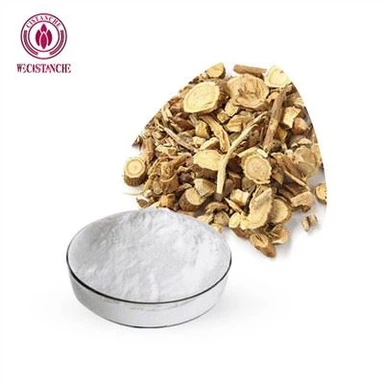
Cistanche Extract: A Natural Elixir For Modern Health And Wellness
Mar 28, 2025
In the vast and mysterious deserts of Central Asia, a remarkable plant has been thriving for centuries, offering a wealth of health benefits. Cistanche, a parasitic plant that attaches itself to the roots of desert shrubs, has long been revered in traditional medicine. Today, with advancements in scientific research, the potential of Cistanche extract is being unlocked, presenting a natural solution for a wide range of health concerns.

Click to Cistanche for kidney disease
I. The Origin and Botanical Profile of Cistanche
A. Habitat and Growth
Cistanche belongs to the Orobanchaceae family and is found in arid and semi - arid regions, particularly in countries like China, Mongolia, and Iran. In China, it is mainly distributed in the deserts of Inner Mongolia, Xinjiang, Gansu, and Qinghai. This plant has adapted to survive in harsh environmental conditions, with high temperatures, scarce water, and intense sunlight. It parasitizes on the roots of plants such as Haloxylon ammodendron, Haloxylon persicum, Kalidium foliatum, and Tamarix plants. The two most common species used in traditional medicine and modern research are Cistanche deserticola and Cistanche tubulosa.
B. Traditional Uses in Chinese Medicine
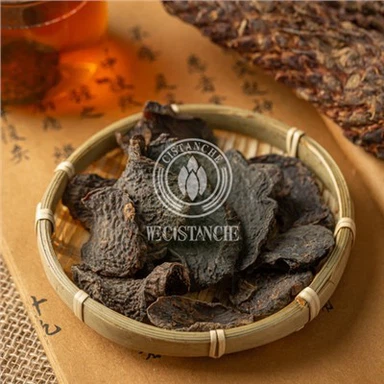
Cistanche has a long - standing history in traditional Chinese medicine, dating back thousands of years. Its dried fleshy stem, known as "Rou Cong Rong" in Chinese, has been used as a tonic for various health conditions. In traditional Chinese medicine theory, it is believed to have a sweet and salty taste, with a warm nature. It is associated with the kidney and large intestine meridians. Cistanche has been prescribed for chronic renal disease, impotence, female infertility, morbid leucorrhea, profuse menorrhagia, and senile constipation. Due to its efficacy and relatively mild tonic properties, it has earned the reputation of "Ginseng of the Deserts."
II. The Extraction Process of Cistanche
A. Selection of Raw Materials
The first step in obtaining high - quality Cistanche extract is the careful selection of raw materials. The Cistanche plants are usually harvested when they are at the optimal stage of growth, typically in the spring or autumn. The plants are then dried to remove excess moisture, which helps in preserving their bioactive compounds. For traditional medicine use, the dried Cistanche is often processed further by methods such as slicing and steaming. In modern extraction processes, the dried Cistanche is selected based on its species, geographical origin, and quality parameters, such as the content of active ingredients.
B. Extraction Methods
Solvent - Based Extraction
Ethanol Extraction: Ethanol is a commonly used solvent in the extraction of Cistanche. It is effective in extracting lipophilic compounds, such as phenylethanoid glycosides (PhGs). These compounds include acteoside, isoacteoside, and tubuloside A, which are known for their antioxidant and anti - inflammatory properties. The extraction process involves soaking the dried Cistanche in ethanol for a specific period, followed by filtration to remove solid residues. The ethanol extract is then concentrated to obtain a more potent product.
Water Extraction: Water is used to extract hydrophilic substances from Cistanche, such as polysaccharides. Cistanche polysaccharides have been shown to have immunomodulatory and anti - inflammatory effects. The water extraction method typically involves boiling the dried Cistanche in water, followed by filtration and concentration. The resulting aqueous extract contains a variety of polysaccharides and other water - soluble compounds.
Supercritical Fluid Extraction
Supercritical fluid extraction, especially using carbon dioxide (CO₂), is an emerging and more advanced extraction method. Supercritical CO₂ has properties of both a gas and a liquid, allowing for more selective extraction of bioactive compounds. This method can extract a wide range of compounds from Cistanche, including lipids, terpenoids, and certain PhGs. The advantage of supercritical fluid extraction is that it can operate at relatively low temperatures, which helps in preserving the thermally - labile bioactive compounds. After extraction, the CO₂ can be easily removed, leaving behind a pure extract.
C. Purification and Standardization
After extraction, the crude Cistanche extract undergoes purification steps to remove impurities and unwanted substances. This may involve processes such as column chromatography, where the extract is passed through a column filled with a stationary phase to separate different components. The purified extract is then standardized to ensure consistent quality. Standardization usually involves measuring the content of specific active ingredients, such as the percentage of PhGs or polysaccharides. This ensures that each batch of Cistanche extract has a consistent composition and potency, which is crucial for its use in research, medicine, and dietary supplements.

III. Chemical Composition of Cistanche Extract
A. Phenylethanoid Glycosides (PhGs)
Structural Features and Diversity
PhGs are one of the major classes of bioactive compounds in Cistanche extract. They are characterized by a phenylethanoid moiety linked to one or more sugar units. Acteoside, also known as verbascoside, is one of the most well - studied PhGs in Cistanche. It has a complex structure with a caffeoyl - phenylethanol moiety glycosylated with rhamnose, glucose, and xylose units. Isoacteoside is another important PhG, which differs from acteoside in the position of the caffeoyl group. Tubuloside A is also a significant PhG found in Cistanche, with a unique glycosylation pattern. These PhGs exhibit diverse structures, which contribute to their various biological activities.
Antioxidant and Anti - Inflammatory Activities
PhGs in Cistanche extract have strong antioxidant properties. They can scavenge free radicals, such as superoxide anions, hydroxyl radicals, and singlet oxygen. In a study published in the Journal of Agricultural and Food Chemistry, Cistanche - derived PhGs were shown to have higher antioxidant activity compared to some common antioxidants like vitamin C and vitamin E. The antioxidant activity of PhGs is attributed to their phenolic hydroxyl groups, which can donate hydrogen atoms to neutralize free radicals.
In addition to their antioxidant properties, PhGs also possess anti - inflammatory activities. They can inhibit the production of pro - inflammatory cytokines, such as tumor necrosis factor - alpha (TNF - α), interleukin - 6 (IL - 6), and interleukin - 1 beta (IL - 1β). In a study on human immune cells, Cistanche - derived PhGs were found to reduce the production of these pro - inflammatory cytokines, indicating their potential in treating inflammatory diseases. The anti - inflammatory mechanism of PhGs may involve the inhibition of nuclear factor - kappa B (NF - κB) activation, a key transcription factor involved in the regulation of inflammatory genes.
B. Polysaccharides
Composition and Structure
Cistanche polysaccharides are complex carbohydrates composed of various monosaccharide units. They can be classified into neutral polysaccharides and acidic polysaccharides. The monosaccharide composition of Cistanche polysaccharides includes glucose, galactose, mannose, arabinose, and rhamnose, among others. The structure of Cistanche polysaccharides is characterized by different glycosidic linkages between the monosaccharide units. For example, some polysaccharides have 1,4 - linked glucose units, while others have 1,6 - linked or branched structures. The molecular weight of Cistanche polysaccharides can vary widely, ranging from several thousand to several hundred thousand daltons.
Immunomodulatory and Anti - Inflammatory Effects
Cistanche polysaccharides have been shown to have immunomodulatory effects. They can activate immune cells, such as macrophages, T - lymphocytes, and B - lymphocytes. Activated macrophages can engulf and destroy pathogens more efficiently, while T - and B - lymphocytes play crucial roles in the specific immune response, producing antibodies and coordinating the immune defense. In a study on animal models, administration of Cistanche polysaccharides led to an increase in the number of immune cells and enhanced resistance to viral infections.
Cistanche polysaccharides also have anti - inflammatory effects. They can regulate the production of cytokines in the immune system, reducing the production of pro - inflammatory cytokines and increasing the production of anti - inflammatory cytokines. In a study on mice with induced inflammation, treatment with Cistanche polysaccharides reduced inflammation and tissue damage. The immunomodulatory and anti - inflammatory effects of Cistanche polysaccharides make them potential candidates for the treatment of immune - related diseases and for enhancing overall immune function.
C. Iridoids
Structural Characteristics
Iridoids are a class of monoterpenoid compounds found in Cistanche extract. They have a characteristic cyclopentane - [c] - pyran structure. Some of the iridoids identified in Cistanche include aucubin and catalpol. Aucubin has a methylated cyclopentane - [c] - pyran ring with a glucose moiety attached, while catalpol has a more complex structure with additional hydroxyl groups. The structural diversity of iridoids in Cistanche contributes to their different biological activities.
Neuroprotective and Anti - Inflammatory Properties
Cistanche iridoids have been reported to have neuroprotective properties. In the context of neurodegenerative diseases, such as Alzheimer's and Parkinson's disease, oxidative stress and inflammation play significant roles in the damage and death of neurons. Cistanche iridoids can protect neurons from damage caused by these factors. In a study on cell cultures, Cistanche iridoids were shown to reduce the death of neurons induced by oxidative stress. They may work by increasing the activity of antioxidant enzymes and reducing the production of pro - inflammatory cytokines in neurons.
In addition to their neuroprotective effects, Cistanche iridoids also have anti - inflammatory properties. They can inhibit the activation of inflammatory pathways in the body. In a study on human cell lines, Cistanche iridoids were shown to reduce the production of pro - inflammatory cytokines, such as TNF - α and IL - 6. The anti - inflammatory effect of Cistanche iridoids may be beneficial for treating inflammatory conditions and preventing the development of chronic diseases.
D. Amino Acids and Other Compounds
Amino Acid Profile
Cistanche extract contains a diverse range of amino acids, including essential amino acids such as lysine, methionine, threonine, and valine, as well as non - essential amino acids. Amino acids are the building blocks of proteins and play crucial roles in various physiological processes. They are involved in muscle repair and growth, neurotransmitter synthesis, and the production of enzymes and hormones. The presence of a rich amino acid profile in Cistanche extract contributes to its potential benefits for overall health.
Other Bioactive Compounds
In addition to PhGs, polysaccharides, iridoids, and amino acids, Cistanche extract contains other bioactive compounds. These include alkaloids, which may have pharmacological effects such as modulating the nervous system. There are also trace elements such as iron, zinc, and selenium, which are essential for normal body functions. Iron is important for oxygen transport in the blood, zinc is involved in enzyme activity and immune function, and selenium has antioxidant properties. The combination of these various bioactive compounds in Cistanche extract contributes to its overall health - promoting effects.
IV. Health Benefits of Cistanche Extract
A. Anti - Aging Effects
Cellular Regeneration and Telomere Maintenance
One of the most remarkable health benefits of Cistanche extract is its potential anti - aging effect. Recent research has shown that Cistanche extract may play a role in cellular regeneration. The PhGs in Cistanche extract have been found to stimulate the production of telomerase, an enzyme that helps maintain the length of telomeres. Telomeres are the protective caps at the ends of chromosomes, and their shortening is associated with aging and various age - related diseases. By promoting telomerase activity, Cistanche extract may slow down the aging process at the cellular level. In a study on human fibroblast cells, cells treated with Cistanche extract showed a significant increase in telomerase activity compared to untreated cells.
Antioxidant Defense and Oxidative Stress Reduction
Oxidative stress is a major contributor to aging. Cistanche extract's powerful antioxidants, such as PhGs, can neutralize free radicals and reduce oxidative damage to cells and tissues. Oxidative damage can lead to the degradation of proteins, lipids, and DNA, which are associated with the aging process. By scavenging free radicals, Cistanche extract helps protect cells from this damage, thus promoting healthy aging. In a study on animal models, Cistanche extract was found to increase the activity of antioxidant enzymes such as superoxide dismutase (SOD), catalase (CAT), and glutathione peroxidase (GPx), which are important for the body's antioxidant defense system.
B. Neurological Benefits
Neuroprotection Against Alzheimer's and Parkinson's Diseases
Alzheimer's and Parkinson's diseases are two of the most prevalent neurodegenerative disorders, and Cistanche extract shows great promise in combating them. The antioxidants and anti - inflammatory compounds in Cistanche extract, such as PhGs and iridoids, can protect neurons from damage caused by oxidative stress and inflammation. In a recent animal study, rats with induced Alzheimer's - like symptoms showed significant improvement in cognitive function after being treated with Cistanche extract. The extract was found to reduce the accumulation of amyloid - beta plaques, a hallmark of Alzheimer's disease, and improve synaptic plasticity. In the case of Parkinson's disease, Cistanche extract may protect dopaminergic neurons, which are the neurons that degenerate in Parkinson's patients. By reducing oxidative stress and inflammation in the brain, Cistanche extract could potentially slow down the progression of these neurodegenerative diseases.
Enhancing Cognitive Function in Healthy Individuals
Even in healthy individuals, Cistanche extract can enhance cognitive function. A study on a group of students found that those who took Cistanche extract supplements for four weeks showed significant improvements in memory, attention, and problem - solving skills. The extract may work by increasing blood flow to the brain, promoting the growth of new neurons, and enhancing the communication between neurons. This makes Cistanche extract a potential cognitive enhancer for students, professionals, and anyone looking to improve their mental performance.
C. Cardiovascular Health
Cholesterol Management
High cholesterol levels are a major risk factor for cardiovascular diseases. Cistanche extract may help manage cholesterol levels. A recent study on rabbits with high cholesterol showed that those given Cistanche extract had a significant reduction in total cholesterol, LDL (bad) cholesterol, and triglyceride levels. The extract may work by inhibiting the synthesis of cholesterol in the liver and increasing the excretion of cholesterol from the body. In addition, the antioxidant properties of Cistanche extract can prevent the oxidation of LDL cholesterol, which is a crucial step in the development of atherosclerosis, a condition where the arteries become narrowed and hardened due to plaque buildup.
Blood Pressure Regulation
Cistanche extract may also play a role in regulating blood pressure. The amino acids and other bioactive compounds in the extract can help relax blood vessels, reducing peripheral resistance and thus lowering blood pressure. In a small - scale human study, individuals with mild hypertension who took Cistanche extract supplements for eight weeks showed a significant reduction in systolic and diastolic blood pressure. By improving blood vessel function and blood flow, Cistanche extract can contribute to overall cardiovascular health and reduce the risk of heart attacks and strokes.

D. Immune System Support
Boosting Immune Response Against Viral Infections
In the face of increasing viral threats, a strong immune system is more important than ever. Cistanche extract can significantly boost the immune response against viral infections. The polysaccharides in Cistanche extract can activate immune cells, such as macrophages, T - lymphocytes, and B - lymphocytes. Activated macrophages are more efficient at engulfing and destroying viruses, while T - and B - lymphocytes produce antibodies and coordinate the immune defense. In a study on mice infected with the influenza virus, those given Cistanche extract had a higher survival rate and a faster recovery time compared to the control group. The extract also reduced the severity of symptoms associated with the viral infection.
Immune Modulation for Autoimmune Diseases
For individuals with autoimmune diseases, where the immune system attacks the body's own tissues, Cistanche extract may offer a unique solution. The immunomodulatory properties of Cistanche extract can help regulate the over - active immune system. In a study on mice with induced autoimmune arthritis, treatment with Cistanche extract reduced inflammation and joint damage. The extract may work by balancing the production of pro - and anti - inflammatory cytokines, ensuring that the immune system responds appropriately and does not cause excessive damage to the body's tissues.
E. Reproductive Health
Male Reproductive Health
Cistanche extract has been associated with improved male reproductive health. It may increase sperm quality and quantity. The bioactive compounds in the extract can influence testosterone production, which is crucial for sperm development. A study on men with infertility found that those who took Cistanche extract supplements for a period of time showed improvements in sperm motility and morphology. In addition, Cistanche extract may also enhance erectile function and libido. The extract's ability to improve blood circulation, as well as its impact on hormonal balance, can contribute to overall male sexual health.
Female Reproductive Health
For women, Cistanche extract can regulate the menstrual cycle. It may help balance hormonal levels, reducing menstrual discomfort such as cramps and mood swings. In terms of fertility, Cistanche extract may improve the chances of conception by creating a more favorable hormonal environment. During menopause, Cistanche extract can also help relieve symptoms like hot flashes and vaginal dryness. A group of menopausal women who took Cistanche extract reported a significant reduction in the severity of hot flashes and an improvement in overall quality of life. The extract's ability to modulate hormonal levels and reduce inflammation can provide relief from menopausal symptoms.
How Does Cistanche Treat Kidney Disease?
Cistanche is a traditional Chinese herbal medicine used for centuries to treat various health conditions, including kidney disease. It is derived from the dried stems of Cistanche deserticola, a plant native to the deserts of China and Mongolia. The main active components of cistanche are phenylethanoid glycosides, echinacoside, and acteoside, which have been found to have beneficial effects on kidney health.
Kidney disease, also known as renal disease, refers to a condition in which the kidneys are not functioning properly. This can result in a buildup of waste products and toxins in the body, leading to various symptoms and complications. Cistanche may help treat kidney disease ase through several mechanisms.
Firstly, cistanche has been found to have diuretic properties, meaning it can increase urine production and help eliminate waste products from the body. This can help relieve the burden on the kidneys and prevent the buildup of toxins. By promoting diuresis, cistanche may also help Reduce high blood pressure, a common complication of kidney disease.
Moreover, cistanche has been shown to have antioxidant effects. Oxidative stress, caused by an imbalance between the production of free radicals and the body's antioxidant defenses, plays a key role in the progression of kidney disease. ies help neutralize free radicals and reduce Oxidative stress, thereby protecting the kidneys from damage. The phenylethanoid glycosides found in cistanche have been particularly effective in scavenging free radicals and inhibiting lipid peroxidation.
Additionally, cistanche has been found to have anti-inflammatory effects. Inflammation is another key factor in the development and progression of kidney disease. Cistanche's anti-inflammatory properties help reduce the production of pro-inflammatory cytokines and inhibit the activation of inflammation mandatory pathways, thus alleviating inflammation in the kidneys.

Furthermore, cistanche has been shown to have immunomodulatory effects. In kidney disease, the immune system can be dysregulated, leading to excessive inflammation and tissue damage. Cistanche helps regulate the immune response by modulating the production and activity of immune cells, such as T cells and macrophages. This immune regulation helps reduce inflammation and prevent further damage to the kidneys.
Moreover, cistanche has been found to improve renal function by promoting the regeneration of renal tubes with cells. Renal tubular epithelial cells play a crucial role in the filtration and reabsorption of waste products and electrolytes. In kidney disease, these cells can be damaged, leading to damaged renal function. Cistanche's ability to promote the regeneration of these cells helps restore proper renal function and improve overall kidney health.
In addition to these direct effects on the kidneys, cistanche has been found to have beneficial effects on other organs and systems in the body. This holistic approach to health is particularly important in kidney disease, as the condition often affects multiple organs and systems. che has been shown to have protective effects on the liver, heart, and blood vessels, which are commonly affected by kidney disease. By promoting the health of these organs, cistanche helps improve overall kidney function and prevent further complications.
In conclusion, cistanche is a traditional Chinese herbal medicine used for centuries to treat kidney disease. Its active components have diuretic, antioxidant, anti-inflammatory, immunomodulatory, and regenerative effects, which help improve renal function and protect the kidneys from further damage. , cistanche has beneficial effects on other organs and systems, making it a holistic approach to treating kidney disease.