Apoptosis, Oxidative Stress And Anti-Tumor Potential: How Cistanche Tubulosa Extract Supports Balanced Cellular Health
Jul 03, 2026
Apoptosis, Oxidative Stress and Anti-Tumor Potential: How Cistanche Tubulosa Extract Supports Balanced Cellular Health
Introduction
The term "apoptosis", also known as programmed cell death (PCD), was first coined by Kerr and colleagues in 1972 at the University of Aberdeen's Pathology Department. Derived from ancient Greek, the word originally described the natural falling of petals and leaves from plants: as foliage sheds in autumn, the whole plant remains alive, which perfectly mirrors the core logic of physiological cell death. Unlike necrosis-chaotic, injury-triggered cell rupture that triggers severe inflammation-apoptosis is an active, genetically controlled self-elimination process essential to sustaining bodily homeostasis.
Apoptosis occurs in both physiological and pathological scenarios without damaging surrounding tissues. It governs embryonic development, immune system maturation, constant cell turnover in organs, and organismal aging. Dysregulated apoptosis is now confirmed as a root driver of countless chronic illnesses: excessive cell death fuels neurodegeneration, cardiovascular injury and organ fibrosis; insufficient apoptosis allows mutated, pre-cancerous cells to evade clearance, driving tumor initiation and progression. Reactive oxygen species (ROS), nitric oxide (NO), mitochondrial dysfunction and caspase cascades are central molecular switches that tilt apoptosis balance, forming the core therapeutic targets for modern nutraceutical and anti-tumor research.
For decades, Western oncology has focused on synthetic agents to force cancer cell apoptosis, yet these treatments often damage healthy cells and disrupt antioxidant defense systems. Meanwhile, traditional Chinese herbal medicine delivers mild, multi-targeted regulation of apoptotic signaling. Among well-researched botanical ingredients, Cistanche Tubulosa extract stands out for its validated Cistanche benefits for anti-tumor, balancing oxidative stress, protecting normal cells and selectively triggering apoptosis in malignant cell lines. Our factory specializes in high-purity Cistanche Tubulosa extract with far higher concentrations of core active phenylethanoid glycosides than other Cistanche varieties, making it a premium raw material for global anti-tumor, antioxidant and cellular wellness supplement brands.

Supportive Service Of Wecistanche-For more details about cooperation
Email:Lijianlin@wecistanche.com
Core Biological Mechanisms of Apoptosis & Tumor Development
Morphological & Biochemical Features of Physiological Apoptosis
Apoptosis follows a predictable cascade of structural changes: cell shrinkage, chromatin condensation, nuclear fragmentation, and membrane blebbing to form membrane-wrapped apoptotic bodies. These tiny bodies are engulfed and digested by neighboring cells without leakage of cellular contents, so no inflammatory response emerges. Biochemically, endogenous DNases cut DNA into 180–200bp fragments, forming the characteristic DNA ladder in electrophoresis assays.
Mitochondria act as the central hub of apoptotic signaling. The loss of mitochondrial membrane potential (MMP) is an irreversible early marker of apoptosis, preceding all nuclear damage. Oxidative stress depletes glutathione, impairs mitochondrial function, and overproduces ROS including superoxide anions and hydroxyl radicals-excess ROS destabilizes mitochondrial pores, releases cytochrome C into cytoplasm, assembles apoptosome complexes, and activates caspase-9, which further cleaves the executioner caspase-3 to finalize cell death.
Multiple signaling axes control this pathway: the TNF-α inflammatory cascade, PI3K/Akt survival pathway, PKC protein kinase family, and NO signaling all regulate mitochondrial stability and caspase activity. In healthy bodies, antioxidant enzymes (SOD, GSH-PX, CAT) neutralize ROS to maintain redox equilibrium; when this balance collapses, unregulated oxidative damage mutates DNA, suppresses normal cell apoptosis, and enables tumor cell proliferation.

Dysregulated Apoptosis: The Foundation of Tumor Growth
Tumors arise from a broken balance between cell proliferation and apoptosis. Malignant cells mutate to block intrinsic apoptotic pathways, allowing unlimited replication. Research on liver, esophageal, melanoma and breast cancer models confirms consistent abnormalities: sustained PI3K/Akt overactivation stabilizes mitochondrial membrane potential to avoid cytochrome C release; excessive NO from induced iNOS amplifies oxidative DNA damage; suppressed SOD activity elevates toxic MDA lipid peroxides; and inhibited caspase-3 expression eliminates the final trigger for cancer cell self-clearance.
Radiotherapy and chemotherapy rely on boosting ROS to force cancer cell apoptosis, yet they non-selectively harm healthy tissue, suppress natural antioxidant defenses and trigger systemic inflammation. This gap creates urgent demand for natural plant extracts that dual-function: shielding normal cells from oxidative injury while selectively inducing apoptosis in tumor cells-this is where standardized Cistanche Tubulosa extract delivers unique, science-backed advantages.
Cistanche Tubulosa: Natural Multi-Target Regulator of Apoptosis & Anti-Tumor Defense
High-Concentration Active Compounds in Our Cistanche Tubulosa Extract
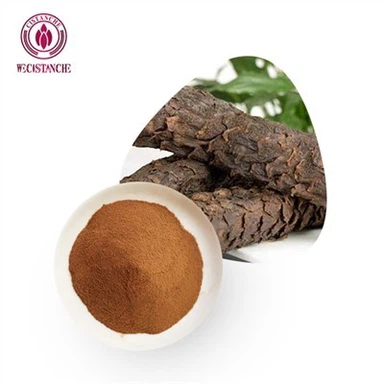
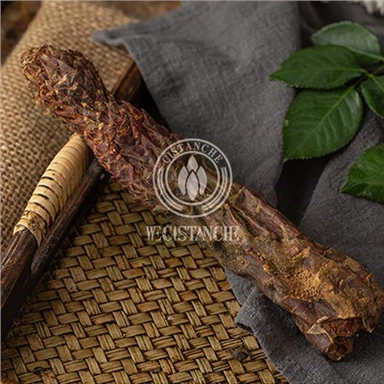
Our facility produces specialized Cistanche Tubulosa raw extract (https://www.xjcistanche.com/about-us), cultivated and processed to maximize phenylethanoid glycoside content, the primary bioactive class behind Cistanche benefits for anti-tumor. The two flagship compounds, echinacoside and acteoside, exist at significantly higher levels in Tubulosa versus other Cistanche species, paired with isoacteoside and polysaccharides to create a synergistic molecular complex with dual antioxidant and anti-proliferative effects.
Unlike generic herbal powders, our standardized extract delivers consistent, measurable activity across three core anti-tumor mechanisms tied directly to apoptotic regulation:
Restore systemic redox balance to prevent pre-cancerous DNA damage Echinacoside and acteoside act as potent natural free radical scavengers, neutralizing superoxide, hydroxyl radicals and peroxynitrite (ONOO⁻) generated by ROS-NO reactions. The extract upregulates SOD, GSH-PX and CAT antioxidant enzyme activity in healthy hepatocytes, cardiomyocytes and nerve cells, cutting MDA levels and reducing oxidative collagen and DNA degradation. By stabilizing mitochondrial membrane potential in normal tissue, it suppresses unnecessary physiological apoptosis caused by chronic inflammation, high lipid exposure or ischemia-reperfusion injury, protecting liver, kidney and cardiovascular cells from pre-malignant damage.

Trigger mitochondria-mediated apoptosis exclusively in tumor cells Preclinical in vitro and in vivo studies verify that Cistanche Tubulosa phenylethanoid glycosides selectively disrupt mitochondrial stability in liver, esophageal, melanoma and breast cancer cell lines. The compounds lower tumor cell MMP, accelerate cytochrome C efflux, upregulate cleaved caspase-9 and caspase-3 expression, and arrest cancer cell cycles at G0/G1 or S phase to block proliferation. Unlike cytotoxic chemotherapy, these components do not disrupt mitochondrial function in healthy somatic cells-they only amplify ROS stress within mutated malignant cells to initiate their programmed self-elimination.
Acteoside further downregulates NF-κB oncogenic signaling and adjusts the Bax/Bcl-2 ratio to amplify pro-apoptotic signals in tumors, while echinacoside suppresses the PI3K/Akt survival pathway that cancer cells hijack to evade death signals. For liver cancer models, Tubulosa extract reduces tumor volume in a dose-dependent manner without observable toxicity to healthy organs, supporting its use as a mild adjuvant anti-tumor botanical raw material.
Modulate NO and inflammatory cytokine signaling to slow tumor progression Chronic inflammation and excess iNOS-derived NO drive endothelial apoptosis, atherosclerosis and tumor microenvironment formation. Cistanche Tubulosa balances NO production: it restores protective eNOS activity in blood vessel endothelium to maintain healthy perfusion, while overexpressed iNOS in tumor and immune cells is suppressed to limit toxic NO buildup and peroxynitrite formation. It also lowers pro-apoptotic TNF-α over-secretion, reducing inflammatory cell-mediated tissue damage and cutting the chronic inflammatory stimulus that fuels malignant transformation.

Broader Cellular Wellness Benefits Linked to Anti-Tumor Support
Beyond direct tumor cell apoptosis induction, Cistanche Tubulosa extract supports systemic immunity, a critical pillar of long-term anti-tumor defense. It stimulates the secretion of IL-2 and interferon, enhances the killing capacity of LAK and cytotoxic T cells, and improves antigen presentation to strengthen the body's natural immune surveillance against mutated cells. Traditional Chinese herbal formulations combining Cistanche with Astragalus, Lycium and Angelica have long been used to balance cell turnover; modern research now confirms Tubulosa as the core anti-tumor ingredient in these blends due to its concentrated phenylethanoid glycoside profile.
This dual action-protecting healthy cells from oxidative apoptotic damage while commanding cancer cells to undergo programmed death-makes Cistanche Tubulosa a rare botanical agent that addresses both cancer prevention and supportive care during conventional oncology treatment. It mitigates the oxidative side effects of radiation and chemo, reduces healthy tissue apoptosis, and boosts the body's intrinsic ability to clear abnormal cells.

Why Our Cistanche Tubulosa Extract Leads Global Botanical Raw Material Supply
Most commercial Cistanche raw materials use low-potency deserticola varieties with limited phenylethanoid glycoside content. Our manufacturing facility exclusively processes Cistanche Tubulosa, harvested from standardized desert cultivation bases, with proprietary low-temperature extraction technology that preserves maximum echinacoside and acteoside concentrations. Every batch undergoes third-party testing to quantify active compound levels, ensuring stable, repeatable efficacy for nutraceutical, functional food and supplement manufacturers worldwide.
We supply bulk standardized extract powder, granular formulations and custom compound blends tailored to Western market regulatory requirements, with full traceability documented on our official site: https://www.xjcistanche.com/about-us. Formulators targeting anti-tumor, antioxidant, liver-protection and cardiovascular wellness lines can leverage our high-activity Tubulosa extract to create science-backed products with clear, evidence-based Cistanche benefits for anti-tumor marketing messaging.

Conclusion
Apoptosis homeostasis is the invisible foundation of human cellular health: controlled programmed cell death clears mutated and aged cells, while its dysregulation unlocks tumor development, cardiovascular disease and neurodegeneration. Oxidative stress, mitochondrial failure and unbalanced NO signaling are key disruptors of this critical pathway, creating demand for gentle, multi-target natural regulators rather than harsh cytotoxic synthetic agents.
Cistanche Tubulosa extract, rich in echinacoside and acteoside, delivers holistic anti-tumor effects through three validated mechanisms: neutralizing excess ROS to prevent pre-cancerous DNA damage, selectively triggering mitochondrial apoptosis in malignant cells, and balancing inflammatory NO signaling to suppress tumor microenvironment formation. As a premium raw material supplier of high-potency Tubulosa extract, our factory provides consistent, lab-verified botanical ingredients for global brands developing cellular wellness and integrative anti-cancer support supplements.
By integrating Cistanche Tubulosa into daily nutritional support or adjuvant oncology care protocols, consumers can naturally reinforce the body's apoptotic balance, lower oxidative cancer risk factors, and strengthen immune surveillance against abnormal cell proliferation.

This article summarizes published preclinical cell and animal research on Cistanche Tubulosa extract. It is not medical advice, nor does it claim to diagnose, treat or cure malignant tumors or other diseases. All herbal supplement use should be discussed with a licensed healthcare provider, especially for individuals undergoing chemotherapy, radiation or chronic medication regimens.