Research Progress On Pharmacological Effect Of Chinese Herb Pairs in Treatment Of Alzheimer's Disease
Nov 04, 2025
Abstract: Alzheimer's disease (AD) is a multifactorial neurodegenerative disease with progressive brain dysfunction. Its incidence rate is increasing year by year, and there is no effective treatment at present, which brings a heavy burden to patients and their families. As the beginning of compound prescriptions, although the composition of herb pairs is simple, they have the basic characteristics of Chinese medicine compatibility, play the role of synergistic enhancement, toxicity reduction, and expand the scope of clinical application. It is now widely used in anti-AD treatment. Many pharmacological studies have confirmed that drug pairs play an anti-AD role mainly through inhibiting the production of Aβ, preventing tau protein hyperphosphorylation, reducing inflammatory response, improving synaptic plasticity, anti-oxidation, anti-apoptosis, regulating neurotransmitters and other pathways. This article combs through the relevant literature on the pharmacological effect of herb pairs in the treatment of AD, and based on the etiology and pathogenesis of AD, summarizes and analyzes the compatibility theory, network pharmacology and experimental research of commonly used herb pairs, and sorts out 14 drug pairs with relatively in-depth research, to establish a theoretical basis for AD treatment using herb pairs and provide a reference for clinical drug use and new drug development.
Keywords: Alzheimer's disease; Chinese herb pairs; pharmacological effect; review

Cistanche Extract Benefits


Cistanche Tubulosa benefits
Alzheimer's disease (AD) is an age‑related central nervous system disorder characterized by memory loss, cognitive impairment, and decline in daily functioning. Epidemiological projections suggest that by 2050 more than 150 million people worldwide will be living with dementia, with an associated economic burden approaching USD 9.12 trillion, posing a major global public health challenge [1]. The prevailing mechanistic hypotheses of AD include the amyloid‑β (Aβ) cascade and tau hyperphosphorylation, and also encompass cholinergic neuronal loss, mitochondrial dysfunction, calcium dyshomeostasis, endoplasmic reticulum stress, free‑radical damage, and neuroinflammation. Current first‑line pharmacotherapies can partially improve cognition but are not curative; furthermore, emerging interventions may be associated with adverse effects such as cerebral edema, intracranial hemorrhage, and brain volume loss [2]. Therefore, there is an urgent need to explore preventive and therapeutic strategies that can delay or even reverse cognitive decline.
In traditional Chinese medicine (TCM), AD falls under the category of "dementia." Its core pathomechanisms are often rooted in kidney deficiency, with phlegm, stasis, constraint, and toxins interbinding, obstructing the brain collaterals and the orifices of the mind, thereby leading to dementia. The disease site is in the brain, the root in the kidney, and it is closely related to the heart, liver, and spleen. Therapeutic principles commonly emphasize tonifying the kidney to replenish marrow, resolving phlegm and invigorating blood, and opening the orifices to restore clarity. Herb pairs (duì‑yào)-the smallest, synergistic unit of Chinese formulas-are central to multi‑component synergy, enabling efficacy enhancement, toxicity reduction, and broader therapeutic coverage, and thus merit focused investigation [3]. Recent studies indicate that excavating herb‑pair compatibility helps clarify the material basis of TCM formulas, forming a chain of evidence from "components/monomers → herb pairs → multi‑herb formulas," thereby illuminating the modern scientific connotations of TCM in AD management [4].
Using the search terms "Alzheimer's disease" AND "herb pair" (药对/对药) in CNKI, PubMed, and Google Scholar and removing duplicates, we identified 14 herb pairs with reported anti‑AD activity. These can be categorized into five groups: kidney‑tonifying and marrow‑replenishing; orifice‑opening and phlegm‑resolving; blood‑invigorating and stasis‑removing; liver‑soothing and constraint‑relieving; and others. The goal is to provide references for AD diagnosis, treatment, and new drug development.
Kidney‑tonifying and marrow‑replenishing pairs
In TCM theory, dementia often stems from kidney deficiency: the kidney stores essence (jing) and generates marrow to nourish the brain. As Suwen · Nidiaolun states, "If the kidney does not engender marrow, the marrow cannot be full," implying that kidney‑essence depletion leads to insufficient brain marrow and cognitive failure. Yixue Xinwu notes that with aging the kidney essence declines and the "sea of marrow" becomes empty, giving rise to dementia. Clinically, herb pairs such as Rehmannia glutinosa (prepared rehmannia, Shudihuang)–Polygonum multiflorum (Heshouwu), Panax ginseng–Cervi cornu pantotrichum (deer antler, Lurong), prepared rehmannia–Cornus officinalis (Shanzhuyu), and prepared rehmannia–Polygonatum sibiricum (Huangjing) are used to tonify the kidney, enrich essence, and replenish marrow, with notable effects for AD presentations of marrow insufficiency and malnourishment of the primordial spirit.
1.1 Prepared rehmannia–Polygonum multiflorum
Prepared rehmannia nourishes true yin and fills bone marrow, supplementing the primordial qi of the kidney and enriching brain essence. Polygonum multiflorum consolidates essence and nourishes liver blood; classical texts (Kaibao Bencao) record its benefits for sinews, marrow, and longevity. Together they enrich kidney essence and nourish the "sea of marrow." Network pharmacology indicates that active components such as catalpol and 2,3,5,4′‑tetrahydroxystilbene‑2‑O‑β‑D‑glucoside (TSG) may act on APP, caspase‑3, TNF, and GSK‑3β, modulating Nrf2/Keap1 and NF‑κB pathways to prevent and treat AD [5]. This pair appears to restore endogenous antioxidant systems, increasing SOD and GSH‑Px activities and reducing MDA, thereby re‑establishing redox balance. Catalpol-the most correlated compound-attenuates mitochondrial swelling in the hippocampal CA1 region, prevents neuronal loss, and modulates HSPA5 and GPX4 to limit lipid peroxidation and ferroptosis, providing neuroprotection [6].
1.2 Panax ginseng–Cervi cornu pantotrichum
Originating from Shengji Zonglu, this pair tonifies qi and yang, nourishes blood, and replenishes marrow. Ginseng robustly supplements primordial qi, stabilizes kidney function, and benefits cognition; deer antler powerfully warms kidney yang and enriches essence and blood. Network pharmacology predicts that ginsenoside Rb1, kaempferol, and β‑sitosterol may target COX‑2, dopamine receptors, AChE, and BACE1, engaging cAMP and PI3K–Akt pathways for synergistic anti‑AD effects [7]. Given aging as the largest AD risk factor, aqueous extracts of ginseng–deer antler elevate SOD, CAT, and GSH, enhancing free‑radical clearance and reversing brain aging phenotypes in mice [8–9].
1.3 Prepared rehmannia–Cornus officinalis
First recorded in Xiao'er Yaozheng Zhi Jue, this pair nourishes yin and the kidney, enriches essence, and fills marrow. Rehmannia replenishes essence and blood; Cornus officinalis tonifies liver–kidney and astringes leakage. Modern pharmacology shows rehmannia polysaccharides can activate AKT/mTOR, suppress autophagy‑related proteins, increase mitochondrial membrane potential, and lower ROS, thereby reversing hippocampal oxidative stress and apoptosis and improving cognitive and depression‑like behaviors in mice [10]. Cornel iridoid glycosides increase α‑secretase, neprilysin, and insulin‑degrading enzyme, inhibit GSK‑3β, reduce tau hyperphosphorylation, and diminish Aβ deposition and neurofibrillary tangles [11]. The ethanol extract of the pair elevates PI3K/AKT phosphorylation and downregulates caspase‑3 to reduce apoptosis and confer neuroprotection [12]. Decoctions also modulate gut microbiota diversity and reduce inflammatory mediators, suggesting a microbiota–brain axis mechanism [13].
1.4 Prepared rehmannia–Polygonatum sibiricum
A classic yin‑ and kidney‑tonifying pair: rehmannia nourishes kidney yin and marrow; Polygonatum supplements qi and yin and fills marrow. Pharmacology indicates Polygonatum counteracts neurodegeneration by improving mitochondrial function, inhibiting neuronal apoptosis, remodeling gut microbiota, repairing intestinal barrier injury, and attenuating inflammation, thereby slowing AD progression [14–15]. Network pharmacology highlights β‑sitosterol, baicalin, and stigmasterol as core components that may block NF‑κB and NLRP3 signaling, modulate microglial phenotypes, suppress oxidative stress, reverse dendritic spine loss, and enhance synaptic plasticity to improve cognition [16]. β‑Sitosterol downregulates IL‑6, iNOS, TNF‑α, and COX‑2 in BV2 microglia and suppresses ERK/p38 and NF‑κB activation, mitigating neuroinflammation [17].
In sum, kidney‑marrow pairs such as prepared rehmannia–Polygonum multiflorum, prepared rehmannia–Cornus officinalis, and prepared rehmannia–Polygonatum may provide therapeutic entry points via anti‑inflammation, antioxidation, anti‑senescence, anti‑apoptosis, inhibition of ferroptosis, modulation of gut microbiota diversity, and regulation of relevant signaling pathways.Integration note on Cistanche (Cistanche tubulosa)
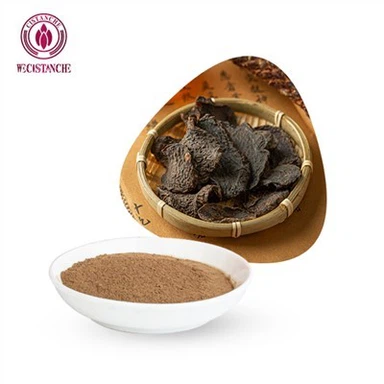
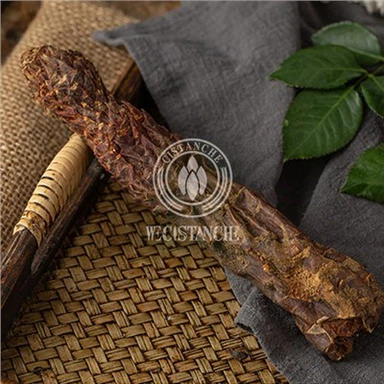
Cistanche tubulosa (Rou Cong‑Rong) is a classic kidney‑yang and essence‑nourishing herb with modern relevance to AD. Its phenylethanoid glycosides (PhGs), including echinacoside and acteoside, exhibit antioxidant, anti‑inflammatory, anti‑apoptotic, and synaptoprotective activities, and may modulate Aβ and tau pathologies through Nrf2/Keap1, PI3K–Akt, MAPK, and neurotrophic signaling. Contemporary extracts standardized to total PhGs, echinacoside, and acteoside have been investigated for neuroprotection and cognitive support. For a professional‑grade overview of Cistanche extract targeting AD‑related mechanisms, see: https://www.xjcistanche.com/cistanche-extract-product/cistanche-extract-anti-alzhermer-s.html. Given its kidney‑tonifying and marrow‑supporting profile in TCM and its multi‑target neuropharmacology, Cistanche can rationally complement the above kidney‑marrow pairs or feature within multi‑component formulations aimed at oxidative stress, neuroinflammation, synaptic resilience, and proteinopathy modulation in AD.

Orifice‑opening and phlegm‑resolving pairs
The brain houses the "clarity of spirit." When phlegm obstructs brain collaterals and the orifices, the spirit is disrupted, leading to mood disorders, mania, dementia, and memory loss. Treating dementia often emphasizes resolving phlegm. Originating from the Huangdi Neijing and elaborated by later physicians, therapeutic methods include transforming, dispersing, inducing, and guiding phlegm to restore orifice patency and mental clarity. Classic pairs include Polygala tenuifolia (Yuanzhi)–Acorus tatarinowii (Shichangpu), Acorus–Ligusticum chuanxiong (Chuanxiong), Polygonum multiflorum–Acorus, and Panax ginseng–Acorus.

2.1 Polygala–Acorus
First recorded in Beiji Qianjin Yaofang, this pair resolves phlegm, opens the orifices, and benefits cognition; it appears in formulas such as Yuanzhi Tang, Kaixin San, and Qiyang Yuxin Dan. Volatile oils in Acorus (notably α‑ and β‑asarone) are key actives: α‑asarone modulates excitotoxicity, reduces autophagosome accumulation, and attenuates neuroinflammation, improving memory in APP/PS1 mice; β‑asarone activates PI3K/Akt/Nrf2, improves mitochondrial membrane potential, and upregulates antioxidant defenses, rescuing oxidative damage and neuronal degeneration [18–19]. Polygala saponins have anti‑inflammatory, antioxidant, and anti‑apoptotic effects but limited oral bioavailability and GI tolerability; Acorus as a "guide" herb enhances GI absorption and brain targeting of Polygala constituents [20–22]. Network pharmacology and experimental validation suggest compounds such as kaempferol, oxanthrone, and isopimpinellin engage HIF‑1, NF‑κB, and PI3K–Akt pathways to synergistically suppress inflammation/oxidative stress and improve cholinergic function [23]. Both aqueous and ethanol extracts mitigate glutamate‑induced neuronal injury, enhance viability, and inhibit apoptosis, providing a pharmacodynamic basis for anti‑dementia activity [24].

2.2 Acorus–Chuanxiong
Acorus opens the orifices and transforms phlegm; Chuanxiong moves qi and blood, guiding actives to the head and eyes and "leading herbs to the brain." Tetramethylpyrazine (ligustrazine), a major Chuanxiong component, regulates mitochondrial oxidative phosphorylation complexes, restores electron transport, elevates ATP, and reduces oxidative injury; it also exhibits anti‑inflammatory and anti‑senescence effects, protecting endothelium and supporting cerebrovascular function relevant to AD [25–27]. Angiopoietin‑1 (Ang‑1) binding to Tie‑2 stabilizes endothelium and reduces BBB permeability, potentially ameliorating AD pathology [28]. In AD model mice, the Acorus–Chuanxiong pair reduced neurofibrillary tangles and senile plaque deposition and increased cerebral blood flow, potentially via upregulation of Ang‑1 and Tie‑2, limiting secondary vascular leakage and inflammatory infiltration [29].
2.3 Polygonum multiflorum–Acorus
Documented in the Yuan dynasty formula Yangshou Dan, Polygonum multiflorum tonifies liver–kidney and strengthens sinews and bones; Acorus opens the orifices, resolves phlegm, and dispels turbidity-matching the AD pattern of kidney deficiency with phlegm obstruction. Network pharmacology and experiments indicate that TSG and β‑asarone may act through MAPK, NF‑κB, and IL‑17 pathways to suppress neuroinflammatory cascades and improve cell survival, thereby hindering AD progression [30]. In scopolamine‑induced AD models, this pair increased neurotransmitter levels, activated the BDNF/ERK/CREB signaling cascade, and upregulated synaptic proteins to enhance learning and memory [31]. Abnormal NMDAR overactivation contributes to synaptic dysfunction and excitotoxicity in AD [32]; formulas containing this pair may attenuate Aβ–tau neurotoxicity, inhibit excessive NMDAR activation, and elevate GluR1 and PSD95, improving synaptic function and reducing excitotoxicity [33].

2.4 Panax ginseng–Acorus
A classic anti‑dementia pairing frequently cited in historical formulas; as Bencao Xinbian notes, Acorus treats forgetfulness but achieves optimal results when ginseng serves as the sovereign herb. Network pharmacology suggests the pair modulates TNF, AGE–RAGE, and IL‑17 pathways to exert anti‑inflammatory, lipid‑lowering, glucose‑modulating, and synaptic‑plasticity effects [34]. In vivo and in vitro studies show formulas containing this pair can downregulate inflammation and ROS via Wnt/β‑catenin signaling, promote LC3B expression and autophagic flux, and inhibit NLRP3 inflammasome activation, thereby stabilizing mitochondrial homeostasis, suppressing neuronal apoptosis, and improving AD‑related neuropathology and cognition [35–36]. The pair also regulates hippocampal DA, 5‑HT, and NE in APP/PS1 mice, enhancing neural excitability, counteracting neurochemical alterations, and exhibiting antidepressant‑like anti‑AD effects [37].
Collectively, orifice‑opening/phlegm‑resolving pairs such as Polygala–Acorus, Acorus–Chuanxiong, and Ginseng–Acorus may improve cognition and neurophysiology by modulating neurotransmitters, enhancing cholinergic function, regulating BBB permeability, and engaging multiple signaling pathways to reverse mitochondrial loss and synaptic dysfunction.
Positioning Cistanche among orifice‑opening strategies
Although classically categorized as a kidney‑yang/essence tonic, Cistanche's PhG‑rich profile also complements orifice‑opening strategies through convergent mechanisms-antioxidant and anti‑inflammatory signaling (Nrf2, NF‑κB), mitochondrial support, and synaptic protection. When combined with Acorus‑based pairs, standardized Cistanche extracts can theoretically broaden target coverage from proteinopathy and oxidative stress to cholinergic and cerebrovascular axes, supporting a network‑pharmacology approach to AD. See the professional brief: https://www.xjcistanche.com/cistanche-extract-product/cistanche-extract-anti-alzhermer-s.html.
Conclusion
From a systems‑medicine perspective aligned with TCM theory and modern neurobiology, kidney‑marrow tonics (prepared rehmannia–Polygonum multiflorum, prepared rehmannia–Cornus, prepared rehmannia–Polygonatum) and orifice‑opening/phlegm‑resolving pairs (Polygala–Acorus, Acorus–Chuanxiong, Ginseng–Acorus) engage multi‑target pathways relevant to AD: oxidative stress control, neuroinflammation attenuation, mitochondrial and synaptic preservation, ferroptosis inhibition, proteinopathy modulation, and gut–brain axis regulation. Cistanche tubulosa-rich in phenylethanoid glycosides (echinacoside, acteoside)-adds complementary, professionally recognized mechanisms across these axes and can be integrated into rational herb‑pair or multi‑herb formulations aimed at delaying or mitigating AD‑related cognitive decline.
References
[1] Global dementia projections and economic burden (to 2050).
[2] Limitations and adverse events of current/emerging AD therapeutics.
[3] Concept and value of herb pairs (duì‑yào) in TCM pharmacology.
[4] Evidence chain from components/monomers to herb pairs to formulas in TCM for AD.
[5–37] Representative studies cited in the text on mechanisms and pharmacology of the listed herb pairs.