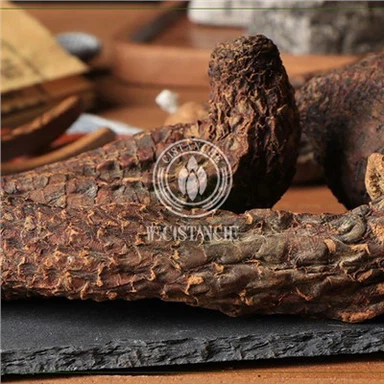
Common Skin‑Brightening Agents: Mechanisms Of Action & The Natural Potential Of Cistanche Tubulosa Extract
Aug 21, 2026
Hyperpigmentation, uneven skin tone, dark spots and post‑inflammatory discoloration remain major concerns for consumers across global skincare markets. Modern cosmetic scientists have decoded multiple biological stages within melanin formation: melanin synthesis, enzymatic catalysis, melanosome transportation, inflammatory‑triggered pigment shift and epidermal turnover. Each commercial whitening ingredient targets one or more links along this complex biological chain.
Synthetic and plant‑derived brightening materials each carry distinct strengths and limitations. In recent years, formulators are increasingly searching for mild multi‑path botanical raw materials. Among traditional herbal resources from Traditional Chinese Medicine, Cistanche Tubulosa draws growing attention for its cistanche benefits for whitening skin. Before exploring this desert‑sourced herbal extract, we will break down the functional mechanisms of mainstream whitening actives widely applied in today's cosmetic industry.
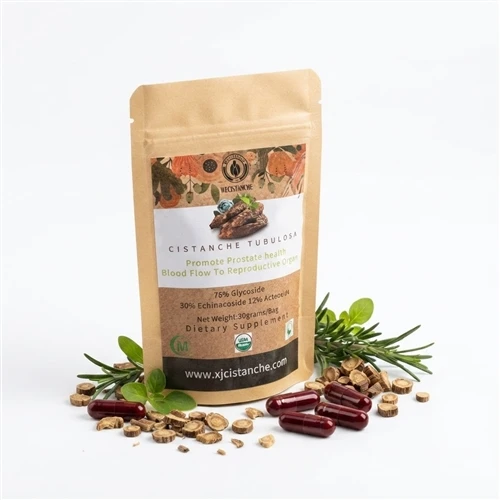
Supportive Service Of Wecistanche-For more details about cooperation
Email:Lijianlin@wecistanche.com
Mechanisms of Mainstream Whitening Cosmetic Ingredients
Arbutin Arbutin reversibly competes and suppresses tyrosinase activity inside melanosomes, without inhibiting tyrosinase gene expression or protein synthesis. It blocks melanin biosynthesis and reduces melanin accumulation within melanocytes. Its competitive inhibition effect is reversible.
Azelaic Acid It competitively restrains tyrosinase within over‑active melanocytes to cut down excessive melanin production. Notably, it barely interferes with pigment generation in healthy, normal melanocytes.
Potassium Azeloyl Diglycinate This derivative inherits azelaic acid's bioactivity while greatly improving skin tolerance and bioavailability, minimizing skin irritation risks for sensitive‑skin formulations.
4‑Butylresorcinol (577) A potent melanogenesis suppressor. It acts as tyrosinase antagonist, competing to occupy tyrosinase active sites so melanin catalytic reactions cannot proceed.
Phenylethyl Resorcinol (377) A well‑recognized tyrosinase inhibitor that interferes key enzymatic reactions throughout melanin generation pathways.

Glabridin Works via three major routes: suppressing reactive oxygen species accumulation, lowering tyrosinase activity, and mitigating skin‑inflammation‑driven pigmentation.
Resveratrol Inhibits tyrosinase, monophenolase and diphenolase simultaneously. It delivers strong free‑radical scavenging capacity and modulates arachidonic‑acid metabolism. By down‑regulating AP‑1 and NF‑κB expression, it defends skin cells against UV‑triggered oxidative injury and alleviates photoaging symptoms.
Ellagic Acid Reduces melanin formation through tyrosinase inhibition; its inhibitory potency weakens with decreased copper‑ion concentration. Moreover, it blocks melanosome transfer toward keratinocytes, and this suppressing effect strengthens as concentration rises.
Ferulic Acid Triple‑function skin‑care molecule. First, powerful antioxidant capacity paired with tyrosinase inhibition curbs melanin build‑up. Second, it shields epidermal cells and alleviates UVA‑inflicted cytotoxic damage. Third, structurally similar to tyrosine and L‑dopa, it competitively occupies tyrosinase sites for skin‑brightening outcomes.
Tetrahydrocurcumin Delivers non‑competitive tyrosinase inhibition. Its inhibitory potency against tyrosinase is more than 40 times higher compared with arbutin.

Kojic Acid Suppresses both monophenolase and diphenolase activity of tyrosinase. It competitively inhibits monophenolase and exerts mixed‑mode inhibition for diphenolase to achieve skin lightening.
Ascorbic Acid (Vitamin C) Interacts directly with tyrosinase active sites and reduces dopaquinone formed during melanin synthesis. It also participates in tyrosine metabolic pathways and accelerates tyrosine oxidative breakdown, limiting melanin conversion.
Ethyl Ascorbic Acid Stable vitamin‑C derivative with dual functions: inhibiting tyrosinase activity and clearing reactive oxygen free radicals.
Tetrahexyldecyl Ascorbate (VC‑IP) Boasts superior skin permeability. It suppresses intracellular tyrosinase activity and melanin generation, alleviates UVA‑caused cellular and DNA damage, and prevents lipid peroxidation and premature skin aging.
Undecylenoyl Phenylalanine Structurally mimics α‑MSH and serves as an α‑MSH antagonist. It competitively binds receptors on melanocyte surfaces, blocks melanocytes from receiving pigment‑stimulating signals, and further lowers downstream enzyme expression and melanin production.
Tranexamic Acid Does not directly suppress tyrosinase. Instead, it acts inside keratinocytes: it disturbs plasminogen binding to lysine sites, preventing UV‑provoked hyperpigmentation. It lowers free arachidonic‑acid and prostaglandin levels, indirectly decreasing tyrosinase activity and melanin synthesis inside melanocytes. It also reduces α‑MSH secretion and blocks the Sc‑uPA pathway, hindering communication between melanocytes and keratinocytes and limiting melanosome transfer to fade chloasma and pigmented spots.
Niacinamide It does not directly inhibit tyrosinase in‑vitro. Its brightening effect originates from interrupting cell‑to‑cell communication between melanocytes and keratinocytes, restraining melanosome transportation, and moderating visible pigmentation.
Acetyl Glucosamine Enhances skin hydration and maintains regular keratinocyte turnover. It suppresses tyrosinase glycosylation and blocks tyrosinase maturation to restrain melanin synthesis. When compounded with niacinamide, it creates synergistic effects: niacinamide limits melanosome transfer while acetyl glucosamine inhibits tyrosinase maturation, jointly mitigating UV‑induced uneven skin tone and spot expansion.
Glycolic Acid Boosts epidermal turnover rate; meanwhile it directly inhibits melanin formation within melanocytes in a dose‑dependent manner, easing visible hyperpigmentation.
Glutathione Glutathione or cysteine reacts non‑enzymatically with dopaquinone. Under glutathione‑S‑transferase catalysis, it redirects melanin synthesis pathway from eumelanin toward pheomelanin production. Pheomelanin yields yellow‑reddish tone, contributing to lighter‑looking skin complexion.
Nonapeptide‑1 Competes against α‑MSH for MC1‑receptor binding sites on melanocytes, lowering binding ratio between α‑MSH and melanocortin‑1 receptors, and broadly cutting off downstream melanin‑synthesis cascades.

Cistanche Tubulosa Extract: Natural Multi‑Path Brightening Ingredient from TCM
Most of the aforementioned cosmetic actives intervene at single or two‑step melanin pathways. Formulators keep exploring natural multi‑target botanical ingredients to build gentle, comprehensive brightening formulas. This is where Cistanche Tubulosa, a precious desert herb from Traditional Chinese Medicine, demonstrates unique cistanche benefits for whitening skin.
TCM historical records note Cistanche Tubulosa nourishes essence and improves facial complexion. Modern in‑vitro pharmacological research translates ancient TCM observations into understandable scientific mechanisms for Western cosmetic developers. Its core bioactive markers are phenylethanoid glycosides, mainly echinacoside and acteoside万方数据. Unlike many single‑target brightening agents, high‑grade Cistanche Tubulosa extract exerts effects across multiple pigment‑formation links:
Modulate tyrosinase and upstream melanogenesis signals: Its active compounds suppress tyrosinase enzymatic activity. Beyond simple enzyme inhibition, it down‑regulates MITF transcription factor, reducing overall melanogenic programming instead of merely blocking one enzyme reaction.
Powerful antioxidative defense: Activates Nrf2 antioxidant pathways inside skin cells, neutralizing UV‑ and stress‑generated reactive oxygen species, removing major triggers that activate melanocytes.
Anti‑inflammatory to break inflammatory‑pigmentation loop: Inhibits pro‑inflammatory cytokines, helping stop inflammation‑driven dark spots and post‑inflammatory hyperpigmentation.
Restrain melanosome transfer: Limits dendrite outgrowth of melanocytes and slows melanosome delivery to keratinocytes, working synergistically together with niacinamide or tranexamic acid in compound formulas.
Why select standardized Cistanche Tubulosa extract? Cistanche Tubulosa harvested in Xinjiang desert planting bases delivers significantly higher phenylethanoid‑glycoside content compared to other cistanche species. As a specialized manufacturer of Cistanche Tubulosa raw materials, we produce high‑potency standardized extracts with elevated active‑compound levels. You may review our manufacturing background at https://www.xjcistanche.com/about‑us. Our premium‑activity extract serves as an excellent natural raw‑material option for brands developing clean‑label brightening skincare and beauty‑from‑within supplement lines.
Formulators may combine Cistanche Tubulosa extract with arbutin, glabridin, tranexamic acid, niacinamide or vitamin‑C derivatives. Such compound formulas cover melanin generation, oxidation stress, inflammatory pigmentation and melanosome transportation simultaneously, achieving multi‑dimensional brightening without relying excessively on high‑concentration irritating single components.

Practical Formulation Insights for Skincare Developers
When designing brightening products, cosmetic chemists should clarify each ingredient's exact mechanism of action. Some ingredients target tyrosinase directly, others block melanosome transport, some work via antioxidation or anti‑inflammation. Reasonable compounding achieves synergy and reduces single‑ingredient dosage to improve skin compatibility.
Natural botanical extracts including Cistanche Tubulosa should be regarded as complementary multi‑functional raw materials. They cannot replace high‑potency classic brightening agents; yet they add antioxidative, soothing and anti‑stress‑pigmentation value for clean‑beauty and TCM‑inspired product series. Formulators need to verify solubility, pH stability and effective working concentration before formal mass production.
Skin brightening is never only about suppressing melanin. UV protection, barrier health and anti‑inflammatory care should always be incorporated into complete product solutions.
Disclaimer: This article serves cosmetic‑industry educational reference only. Statements about cistanche benefits for whitening skin are based on in‑vitro laboratory studies and traditional TCM applications. This content is not medical advice, and ingredients discussed are cosmetic raw materials, not for diagnosing, treating or curing skin diseases. Actual performance depends on formulation technology, dosage and individual skin conditions. Always conduct safety and efficacy testing before commercial launch.