Commonly Used Medicines For Constipation And Treatment For Special Groups
Nov 27, 2023
There are several common constipation treatment drugs in pharmacies: volumetric laxatives, stimulant laxatives, lubricating and moistening laxatives, gastrointestinal motility drugs, microecological preparations, Chinese patent medicines, rectal mucosal protective agents, etc.

volumetric laxatives
Magnesium sulfate
Only 20% of magnesium is absorbed. Unabsorbed magnesium ions increase the osmotic pressure in the small intestine, prevent the intestine from reabsorbing water or moving water out of the intestinal wall, increase the volume of the large intestine, irritate the intestinal mucosa, and cause increased peristalsis. And laxative; in addition, magnesium ions can also directly stimulate intestinal peristalsis and cause the duodenum to secrete and release cholecystokinin.
Take 5 to 20 grams orally each time, and drink plenty of water at the same time. You can also dissolve it in water before taking it. Semi-fluid or watery stool will be discharged after 2 to 3 hours.
Adverse reactions: Taking a large amount of solution with too high concentration may cause dehydration, and sufficient fluid must be added at the same time. About 20% of magnesium ions can be absorbed and excreted by the kidneys. People with poor renal function should use it with caution. This product is contraindicated for laxative use in patients with intestinal bleeding, patients with acute abdomen, pregnant women, and menstruating women. Patients with central-depressant drug poisoning should not use this product as a cathartic to expel poisonous substances to avoid aggravating central-depressant drug poisoning.
Polyethylene glycol 4000
It is a bulking laxative whose active ingredient is polyethylene glycol 4000. It is a long-chain polymer. Oral administration of this drug can increase the volume of intestinal fluid and produce a laxative effect.
The pharmacological effects are as follows: 1. Pure osmotic effect, binding and fixing water molecules through hydrogen bonds; 2. Restoring the normal volume and weight of feces; 3. Increasing the water content of feces and softening feces; 4. Promoting intestinal transit and strengthening the Defecation reflex.
Advantages: 1. No colonic fermentation process, no abdominal pain and exhaust reaction, and no impact on electrolyte balance; 2. No irritation, no impact on the integrity of the intestinal mucosa; 3. No acid production, no change in intestinal PH, and no impact on the colon. physiological functions; 4. It does not contain sugar and is suitable for patients with diabetes and those who require a low-sugar diet; 5. Even for elderly patients, it is safe to take for a long time.

Since the drug is barely absorbed, there are no potential toxic side effects. Diarrhea may occur when excessive dosage is used.
Lactulose
This product is a disaccharide and is an osmotic laxative with poor absorption. It is decomposed by bacteria in the large intestine to form lactic acid and acetic acid, leading to volumetric defecation and gas production. Contraindicated in patients with lactic acidemia.
Stimulant laxatives
Phenolphthalein
After oral administration, phenolphthalein forms soluble sodium salt in the intestine when it encounters bile or alkaline intestinal fluid, which stimulates the colon mucosa promotes peristalsis, and prevents intestinal fluid from being absorbed by the intestinal wall, leading to diarrhea. Since about 15% of it will undergo enterohepatic circulation, its effect is slow and long-lasting, and some can last for 3 to 4 days. It is more suitable for chronic and refractory constipation. Generally, 0.05 to 0.2 grams is taken orally before going to bed. Large doses can cause excessive diarrhea and abdominal cramps. About 4% of patients who take phenolphthalein for a long time will develop allergic reactions. It is forbidden for infants and should be used with caution by young children and pregnant women.
Anthraquinone glycosides are mainly plant laxatives containing anthraquinone glycosides such as rhubarb, senna, and aloe vera. This type of medicine can stimulate the large intestinal plexus and enhance peristalsis. The advantage is that it only stimulates the large intestine and does not affect the entire digestive function. After taking drugs containing anthraquinone glycosides, rhein will be excreted in the urine. The urine will be yellow when it is acidic and purple when the urine is alkaline.
castor oil
Castor oil itself has no diarrheal effect. It is hydrolyzed by lipase in the upper part of the small intestine, releasing irritating ricinoleic acid, which causes increased intestinal peristalsis. It acts rapidly and has a stimulating effect on the entire intestine, causing all the contents of the small intestine to be discharged into the large intestine within 2 hours. Loose stools are discharged 2 to 6 hours after taking the medicine and are sometimes accompanied by abdominal pain. Due to these characteristics, castor oil should not be used for general chronic constipation and is only used to cleanse the intestines. It should not be used by pregnant women.
Notes: 1. Rhubarb has an astringent effect in small doses (0.03 to 0.3 grams) and can cause constipation. If diarrhea is needed, 1 to 5 grams should be used; 2. Senna is toxic to enteric nerves and long-term use can cause Neurogenic pseudo-obstruction; 3. Senna can cause abdominal pain and pelvic organ congestion, so it is contraindicated for patients during menstruation or pregnancy. If used by lactating women, the baby will have diarrhea; 4. Castor oil after diarrhea There may be short-term constipation.
Lubricating and moistening laxatives
kaiseki
Some Kaiser lotions contain glycerin, which not only has a lubricating effect but also stimulates the rectal wall to reflexively cause defecation.
Gastrointestinal motility drugs
cisapride
By stimulating the cholinergic interneurons and 5-HT4 receptors of the myenteric plexus in the gastrointestinal tract, it stimulates the release of acetylcholine, and increases gastrointestinal peristalsis and contraction, thereby enhancing the power and coordination of the digestive tract. Cisapride is a pan-gastrointestinal motility drug that can increase the frequency of defecation, soften feces, and make feces easier to pass.
The adverse reactions are few and mild, including occasional dizziness, headache, increased bowel sounds, and loose stools. Large doses can cause ventricular arrhythmia and other problems, so patients with severe heart disease should use it with caution.
Mosapride
Take the medicine 30 minutes before meals and at 9 pm.
prucalopride
It does not affect mucosal sensitivity and sphincter function and is reported to be more direct and effective in the treatment of constipation than cisapride.
Microecological preparations
Mainly include Beifikang, Jinshuangqi, Lactobacillus tablets, etc.

The main pharmacological effect is to improve intestinal flora, ferment sugar to produce a large amount of organic acids, reduce the pH in the intestinal cavity, regulate normal intestinal peristalsis, and relieve constipation.
Rectal mucosa protectant
When patients suffer from hemorrhoids or anal fissures, severe pain can lead to anal tension contracture. Over time, reflex defecation fear syndrome will gradually form, causing or aggravating constipation. For such patients, rectal mucosal protective agents (such as Taining suppositories) can reduce and relieve pain and block the vicious cycle.
Chinese patent medicine
Regarding the selection of Chinese patent medicines, one should not just focus on the symptoms, but should carefully differentiate the syndrome and select appropriate Chinese patent medicines according to different syndrome types. If necessary, two Chinese patent medicines can be used together.
Gastrointestinal excess heat
Dry and constipated stools, constipation for several days, fullness in the abdomen, pain that refuses to be pressed, red face and hot body, severe fever after feeding, excessive sweating, red urine, desire to drink cold drinks at times, sores on the mouth and tongue, bad breath, heavy voice, rough breathing, Dry tongue, yellow and thick greasy coating, or scorched yellow with thorns.
For patients with gastrointestinal excess heat, you can use Constipation Ointment for external use, and take Maren Soft Capsules or Maren Runchang Soft Capsules, Maren Zipi Pills, Maren Runchang Pills, etc. internally. Comparing the following prescriptions of Chinese patent medicines, it can be found that Maren Soft Capsules and Maren Zipi Pills have the strongest purgative power because the purgative rhubarb and the qi-promoting drugs Magnolia officinalis and Citrus aurantium are combined in their formulas. , enhances the purgative effect. Although the other internal medicines are mainly used to moisten the intestines, they also contain rhubarb or senna leaves, so the elderly and infirm should take them according to the doctor's advice.
Constipation Tong ointment is composed of peony bark, borneol, perilla stems, agarwood, and angelica dahurica. The main functions are to relieve constipation, eliminate distension, smoothen Qi, and guide stagnation, and is used for constipation, distension and pain in the abdomen, fullness in the chest and flanks, belching, and abdominal distension. For external use, rub into the belly button and massage for 30 seconds.
Hemp seed soft capsule, the composition is hemp seed, bitter almond, rhubarb, citrus aurantium (fried), Magnolia officinalis (ginger), white spoon (fried), excipients are palm oil, hydrogenated palm oil, beeswax, phospholipid, salad Oil. Its main function is to relieve bowel movements and relieve constipation. Used for intestinal dryness and constipation.
The composition of Ma Ren Runchang Soft Capsule is hemp seed, bitter almond (peeled and fried), rhubarb, costus, tangerine peel, white peony root, and the auxiliary ingredients are honey. Its main function is to relieve constipation and relieve intestinal dryness.
Runchang capsule is composed of peach kernel, Qianghuo, rhubarb, angelica root, and hemp seed. Its main function is to relieve constipation due to excessive heat.
Tongbianling capsule is composed of senna leaves, angelica root, and cistanche deserticola. The main functions are to purge heat and induce stagnation, soothe the intestines, and relieve constipation. It is used for constipation due to heat knots, long-term bedridden constipation, temporary abdominal distension and constipation, and habitual constipation in the elderly.
Maren Zipi Pills are composed of rhubarb (made), hemp seeds, Zhishi (stir-fried with bran), Magnolia officinalis (made from ginger), bitter almonds (stir-fried), plum kernels, angelica root, and white peony root. The main functions are moistening the intestines and laxatives, strengthening the stomach, and digesting food. It is used for chest and abdominal distension, constipation, tasteless food, and restlessness.
Maren Runchang Pills are composed of hemp seeds, bitter almonds (peeled and fried), rhubarb, costus, tangerine peel, and white peony root. The excipients are honey. Its main function is to relieve bowel movements and relieve constipation. It is used for gastrointestinal heat accumulation, chest and abdominal distension, and constipation.
Liver and spleen stagnation
Common symptoms include difficulty in passing stool for many days, embarrassment due to heaviness, inability to have a bowel movement, mental depression, frequent belching, tightness in the chest and epigastrium, bloated flanks, or bloated breasts during menstruation, or vomiting, coughing and wheezing, and white and greasy tongue coating.
For patients with liver and spleen stagnation, Chinese patent medicines that soothe the liver and promote qi should be used plus single-flavor laxative Chinese patent medicines (such as senna granules containing only single-flavored senna leaves, Shumi capsules containing only single-flavored aloe vera), and at the same time Constipation ointment can also be used externally. The main types of Chinese patent medicines that soothe the liver and promote qi can be used for constipation:
Sixiao Pills are composed of rhubarb (fried with wine), pig tooth soap, morning glory seeds, and cyperus rotundus. The main functions are to eliminate water, eliminate phlegm, digest food, stagnate qi, guide stagnation and relieve defecation. It is used for all gas, food, phlegm and water, stagnation and accumulation, chest and epigastric fullness and tightness, abdominal distension and pain, and constipation.
Betel nut Sixiao pills are composed of betel nut, rhubarb (fried with wine), morning glory (fried), pig tooth soap (fried), Cyperus rotundus (made with vinegar), and Wulingzhi (fried with vinegar). The main functions are digestion and stagnation, promoting qi, and purging water. It is used for phlegm accumulation due to food, indigestion, abdominal distention, belching and acid swallowing, and constipation.
Agarwood Shuyu Pills are composed of Agarwood, Agarwood, Tangerine Peel, Magnolia officinalis, Cardamom, Green Bark Bark, Cyperus Cyperus, Corydalis Corydalis, Bupleurum, Turmeric, Licorice, and the auxiliary ingredients are honey. The main functions are to relieve qi and stimulate the appetite, resolve depression, and relieve pain. It is used for chest and abdominal distension and pain, stomach pain, occasional acid vomiting, indigestion, loss of appetite, and depression.
The prescription of Kaixiang Shunqi Pills is betel nut, morning glory seeds (fried), tangerine peel, woody bark, Magnolia officinalis (made from ginger), Sanling (made from vinegar), Curcuma zedoary (made from vinegar), and pig tooth soap. The main functions are regulating qi and widening the chest, eliminating accumulation, and guiding stagnation. It is used for chest and diaphragm fullness, epigastric and abdominal distension, pain caused by qi stagnation and lack of food and water, as well as poor eating habits.
Deficiency of spleen and lung qi
The stool is dry and knotted or soft, but it lasts for several days. Sometimes, although the urge to defecate is felt, it is difficult to defecate. Sweating causes shortness of breath or even shortness of breath. Extreme fatigue after defecation, tiredness, laziness, low voice, and abdominal distension. Pain, or anal prolapse, cold appearance, pale face, sparse lip nails, pale tongue, and thin white coating.
Patients with spleen and lung qi deficiency can take Buzhong Yiqi Pills plus senna granules or Shumi Capsules.
Buzhong Yiqi Pills are composed of astragalus root, Tangshan, atractylodes (fried), angelica root, cohosh, bupleurum, tangerine peel, licorice root, ginger, and jujube. The main functions are to replenish the body and replenish qi, and it is used for physical fatigue and visceral ptosis.
In addition, for constipation patients with syndrome differentiation of spleen and kidney yang deficiency and blood deficiency and yin deficiency, it is difficult to find suitable Chinese patent medicines in pharmacies, so they should be recommended to seek medical treatment.
Special population treatment
elderly
The main problem is a lack of exercise combined with taking too many medications. Treatment is the same as for adults, paying attention to changes in lifestyle and dietary habits; lactulose is more effective for patients with low motivation; osmotic laxatives or stimulant laxatives are more effective than volumetric laxatives for those patients who are inactive; combination of senna and fiber It is more effective than lactulose alone; it is important to stop taking constipation-causing drugs as much as possible.
pregnancy
Increasing dietary fiber, drinking water, and exercising are the main treatment measures for such patients. Laxatives can be taken when ineffective, but only short-term drug treatment can be used. Drug safety must be considered when choosing laxatives. Volumetric laxatives are more irritating than laxatives. Laxatives are safe; normal doses of senna are safe, but they should be taken with caution in late pregnancy or when pregnancy is unstable; volumetric laxatives will not enter the milk, but large doses of senna can enter the milk and cause diarrhea in infants and intestinal colic in young children. pain.
child
A high-fiber diet and drinking plenty of water come first; avoid excess dairy. If increasing fiber and drinking water are ineffective, laxatives (preferably oral) can be given; it is important to start treatment as early as possible because chronic constipation can lead to megarectum, fecal impaction, and fecal overflow; to prevent the recurrence of fecal impaction, long-term use Stool softeners; regular use is important because intermittent use can cause relapses.
diabetics
Volume laxatives are safe and effective in patients who are unable or unwilling to increase dietary fiber; patients with diabetes should avoid laxatives such as lactulose and oral sorbitol because their metabolites can affect blood glucose levels, especially in patients with type 1 diabetes.
Hospice
In the advanced stages of the disease, preventing constipation is extremely important. Preventing dehydration and using prophylactic laxatives is important; if the stool is hard and the rectum is full, it is recommended to use dethrone, glycerin suppositories, or docusate sodium as a laxative in addition to drinking water. If the stool is soft, a stimulant laxative such as senna or bisacodyl can be used; if the colon is full and colicky, a stool softener such as docusate sodium can be used. If there is no colic, anthraquinone is recommended, and polyethylene glycol 4000 can also be used; lactulose can replace docusate sodium, but it may cause edema and orthostatic hypotension (fluid shift to the intestine).
travel
Women, in particular, may suffer from constipation due to travel disrupting their normal eating and defecation habits. Eating a regular diet early and increasing the consumption of vegetables and fruits can help prevent constipation. If symptoms have already occurred, osmotic laxatives (lactulose, polyethylene glycol 4000, etc.) can be taken.
Constipation after hysterectomy
Constipation can occur after pelvic surgery. Pelvic floor adhesions and damage to pelvic nerves caused by hysterectomy may be the cause of post-hysterectomy constipation.
Natural Herbal Medicine For Relieving Constipation-Cistanche
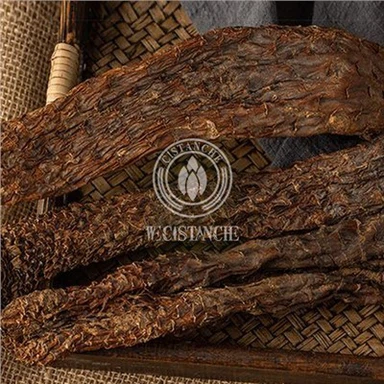
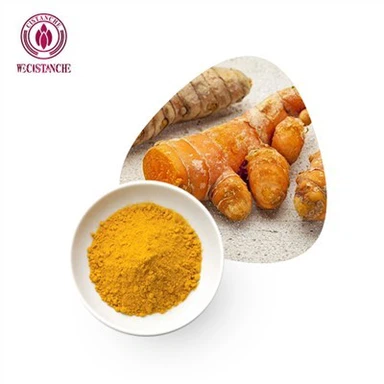
Cistanche is a genus of parasitic plants that belongs to the family Orobanchaceae. These plants are known for their medicinal properties and have been used in Traditional Chinese Medicine (TCM) for centuries. Cistanche species are predominantly found in arid and desert regions of China, Mongolia, and other parts of Central Asia. Cistanche plants are characterized by their fleshy, yellowish stems and are highly valued for their potential health benefits. In TCM, Cistanche is believed to have tonic properties and is commonly used to nourish the kidney, enhance vitality, and support sexual function. It is also used to address issues related to aging, fatigue, and overall well-being. While Cistanche has a long history of use in traditional medicine, scientific research on its efficacy and safety is ongoing and limited. However, it is known to contain various bioactive compounds such as phenylethanoid glycosides, iridoids, lignans, and polysaccharides, which may contribute to its medicinal effects.

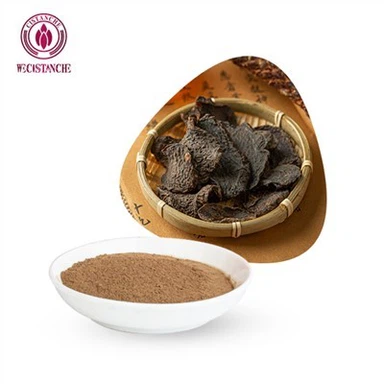
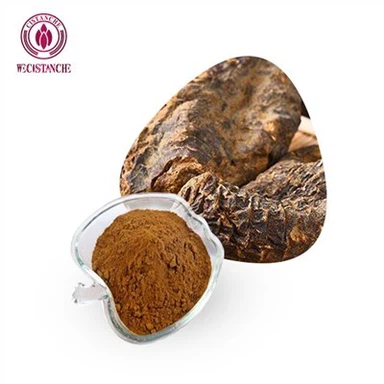
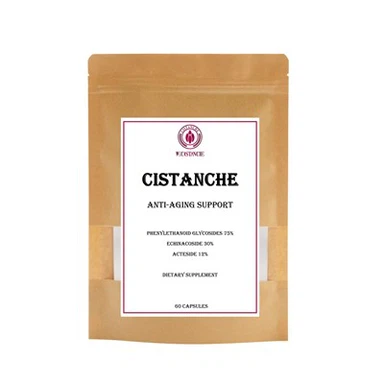
Wecistanche's cistanche powder, cistanche tablets, cistanche capsules, and other products are developed using desert cistanche as raw materials, all of which have a good effect on relieving constipation. The specific mechanism is as follows: Cistanche is believed to have potential benefits for relieving constipation based on its traditional use and certain compounds it contains. While scientific research specifically on Cistanche's effect on constipation is limited, it is thought to have multiple mechanisms that may contribute to its potential to relieve constipation. Laxative Effect: Cistanche has long been used in Traditional Chinese Medicine as a remedy for constipation. It is believed to have a mild laxative effect, which can help promote bowel movements and induce constipation. This effect may be attributed to various compounds found in Cistanche, such as phenylethanoid glycosides and polysaccharides. Moistening the Intestines: Based on traditional use, Cistanche is considered to have moisturizing properties, specifically targeting the Intestines. Promoting hydration and lubrication of the Intestines may help soften tools and facilitate easier passage, thereby relieving constipation. Anti-inflammatory Effect: Constipation can sometimes be associated with inflammation in the digestive tract. Cistanche contains certain compounds, including phenylethanoid glycosides and lignans, that are believed to have anti-inflammatory properties. By reducing inflammation in the intestines, it may help improve bowel movement regularity and relieve constipation.