Complications And Preventive Measures That Kidney Dialysis Patients Need To Pay Attention To in Cold Seasons
Oct 08, 2024
Patients undergoing dialysis in cold seasons are most likely to have the following complications:
Cardiovascular complications:
Hypertension: Vasoconstriction in cold seasons may lead to increased blood pressure and increase cardiovascular burden.
Hypotension: Too much or too fast ultrafiltration of water during dialysis causes the body's blood pressure regulation mechanism to fail to respond effectively, resulting in a drop in blood pressure.
Arrhythmia: This is related to electrolyte disorders during dialysis, such as abnormal concentrations of potassium and calcium ions.
Heart failure and cerebrovascular accidents: Due to blood pressure fluctuations and other cardiovascular complications, serious conditions such as heart failure and cerebrovascular accidents may occur.

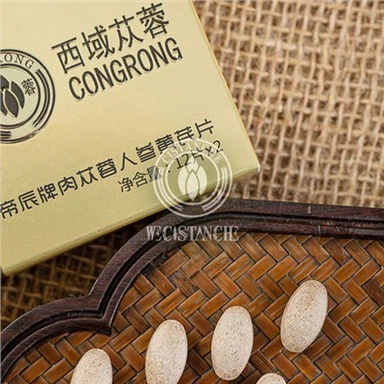
Click to Cistanche for kidney disease
Infection:
Respiratory tract infections: Respiratory tract infections are prone to occur in cold seasons, and dialysis patients have lower resistance and are more likely to occur.
Catheter-related infections: When dialysis patients use central venous catheters, infections are prone to occur if they are not properly cared for.
Fistula complications:
Fistula blockage: Improper warmth or wearing tight clothing in cold seasons may compress the fistula, leading to fistula blockage.
Fistula thrombosis: Insufficient warmth or slow blood flow in the fistula limb may lead to thrombosis.
Other complications:
Hyperkalemia: In winter, patients have less exercise, less sweating, and less potassium excretion in urine, which makes hyperkalemia more likely.
Imbalance syndrome: When the interval between dialysis is too long, imbalance syndrome may occur, which manifests as headache, nausea, vomiting and other symptoms.

Kidney patients undergoing dialysis in cold seasons need to pay attention to the following points:
Warming measures:
Add more clothes, especially the feet, waist and head, which are easy to get cold.
Use heating equipment such as hot water bottles and electric blankets, but pay attention to safe use.
Keep warm when going out, wear a hat, gloves, and non-slip shoes to avoid falling when walking on slippery roads.
For patients with fistulas, pay attention to keeping the limbs on the side of the fistula warm, and be careful to prevent blood clots caused by low blood pressure.
Monitor health indicators:
Regularly monitor blood pressure and blood sugar, and promptly detect and deal with low blood pressure or low blood sugar.
Weigh your weight accurately before dialysis, subtract the weight of the added clothes, and avoid complications caused by excessive ultrafiltration.
Diet management:
Control the amount of water you drink, adjust the amount of water you drink according to your weight changes, and avoid excessive water intake that increases the burden on your kidneys.
Eat a scientific diet, mainly a high-quality low-protein diet, and limit the intake of high-salt, high-phosphorus, and high-potassium foods.
In winter, you can eat warm foods such as ginger, onions, garlic, etc. to increase body heat.
Exercise moderately:
Maintain a moderate amount of physical exercise to promote blood circulation and metabolism, but be careful to avoid strenuous exercise.
You can choose light exercises such as walking and Tai Chi, and keep warm during exercise.
Regular work and rest:
Maintain a regular life, keep your mood stable, and avoid fatigue.

Take medicine on time and follow the doctor's advice for dialysis treatment.
Other precautions:
Plan your time in advance when going out, go out earlier than usual, and avoid waiting for a long time in cold weather.
Pay attention to personal hygiene and warming measures to prevent colds and other infections.
Please note that the occurrence of these complications is related to many factors. Dialysis patients should receive standardized treatment under the guidance of a doctor, pay close attention to their health status, and seek medical attention in time if they are not adapted.
Through the above measures, dialysis kidney patients can better cope with the challenges of the cold season and stay healthy.
How Does Cistanche Treat Kidney Disease?
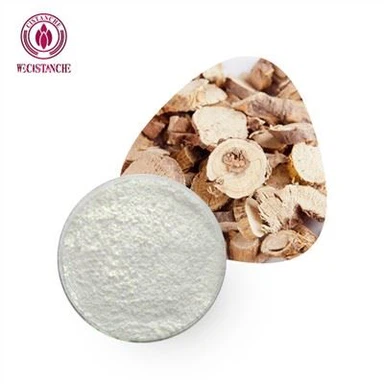
Cistanche is a traditional Chinese herbal medicine used for centuries to treat various health conditions, including kidney disease. It is derived from the dried stems of Cistanche deserticola, a plant native to the deserts of China and Mongolia. The main active components of cistanche are phenylethanoid glycosides, echinacoside, and acteoside, which have been found to have beneficial effects on kidney health.
Kidney disease, also known as renal disease, refers to a condition in which the kidneys are not functioning properly. This can result in a buildup of waste products and toxins in the body, leading to various symptoms and complications. Cistanche may help treat kidney disease ase through several mechanisms.
Firstly, cistanche has been found to have diuretic properties, meaning it can increase urine production and help eliminate waste products from the body. This can help relieve the burden on the kidneys and prevent the buildup of toxins. By promoting diuresis, cistanche may also help Reduce high blood pressure, a common complication of kidney disease.
Moreover, cistanche has been shown to have antioxidant effects. Oxidative stress, caused by an imbalance between the production of free radicals and the body's antioxidant defenses, plays a key role in the progression of kidney disease. ies help neutralize free radicals and reduce Oxidative stress, thereby protecting the kidneys from damage. The phenylethanoid glycosides found in cistanche have been particularly effective in scavenging free radicals and inhibiting lipid peroxidation.
Additionally, cistanche has been found to have anti-inflammatory effects. Inflammation is another key factor in the development and progression of kidney disease. Cistanche's anti-inflammatory properties help reduce the production of pro-inflammatory cytokines and inhibit the activation of inflammation mandatory pathways, thus alleviating inflammation in the kidneys.
Furthermore, cistanche has been shown to have immunomodulatory effects. In kidney disease, the immune system can be dysregulated, leading to excessive inflammation and tissue damage. Cistanche helps regulate the immune response by modulating the production and activity of immune cells, such as T cells and macrophages. This immune regulation helps reduce inflammation and prevent further damage to the kidneys.

Moreover, cistanche has been found to improve renal function by promoting the regeneration of renal tubes with cells. Renal tubular epithelial cells play a crucial role in the filtration and reabsorption of waste products and electrolytes. In kidney disease, these cells can be damaged, leading to damaged renal function. Cistanche's ability to promote the regeneration of these cells helps restore proper renal function and improve overall kidney health.
In addition to these direct effects on the kidneys, cistanche has been found to have beneficial effects on other organs and systems in the body. This holistic approach to health is particularly important in kidney disease, as the condition often affects multiple organs and systems. che has been shown to have protective effects on the liver, heart, and blood vessels, which are commonly affected by kidney disease. By promoting the health of these organs, cistanche helps improve overall kidney function and prevent further complications.
In conclusion, cistanche is a traditional Chinese herbal medicine used for centuries to treat kidney disease. Its active components have diuretic, antioxidant, anti-inflammatory, immunomodulatory, and regenerative effects, which help improve renal function and protect the kidneys from further damage. , cistanche has beneficial effects on other organs and systems, making it a holistic approach to treating kidney disease.