Comprehensive Guide To Exporting Cistanche Deserticola: An Essential Guide To Opening Up The International Market
Jun 03, 2025
Cistanche deserticola: 'Desert ginseng' goes global


cistanche
In the vast and boundless desert, there grows an extremely precious plant - Cistanche deserticola. It is known as the "Desert Ginseng" and is a precious traditional Chinese medicinal herb in China. Its medicinal history can be traced back to ancient times, and it is listed as a top-grade herb in the "Shennong Bencao Jing". Cistanche deserticola is rich in a variety of bioactive ingredients. It has the effects of tonifying kidney yang, replenishing blood essence, moistening the intestines, and relieving constipation. It can significantly improve the male reproductive system, regulate female endocrine, alleviate menopausal syndrome, and other symptoms. It also has certain preventive and therapeutic effects on cardiovascular diseases, diabetes, etc., and plays an important role in traditional Chinese medicine.
With the improvement of people's health awareness and the increasing demand for natural health products, Cistanche deserticola is not only favored in the domestic market but is also gradually emerging in the international market, and its export scale is showing a trend of expanding year by year. Data shows that the export value of Cistanche deserticola in China reached 150 million yuan in 2019, and it is expected to continue to grow in the future. At present, China's Cistanche products have gradually been exported to countries and regions such as Russia, South Korea, and Japan. In Southeast Asia, due to the hot and humid climate, people are prone to physical fatigue, kidney deficiency, and other problems. The kidney tonifying and yang-strengthening effects, as well as the anti-fatigue effects of Cistanche deserticola, perfectly meet the needs of local consumers and are therefore widely welcomed. With the spread of traditional Chinese medicine culture in Europe and America, more and more people are paying attention to natural plant-based medicines. As a Chinese medicinal herb with unique medicinal value, Cistanche deserticola has also attracted the attention of many consumers. The potential of Cistanche deserticola in the international market is enormous. However, for this "desert ginseng" to successfully go abroad, it is necessary to understand and follow a series of strict export requirements and procedures.
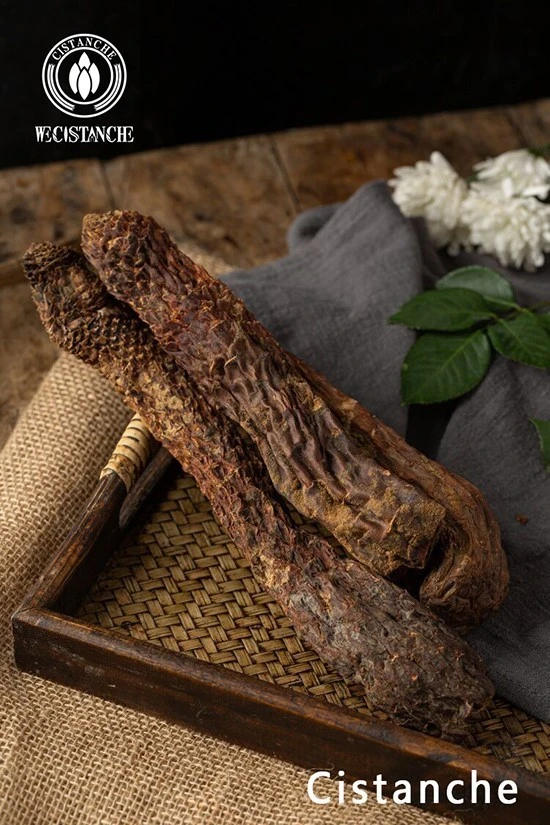

chinese herb cistanche
1, Market research and positioning before export
Before deciding to export Cistanche deserticola, thorough market research and precise positioning are the key first steps towards success. This not only helps us gain a deeper understanding of the demands of the international market, but also enables us to find the right direction in fierce competition and develop practical and feasible marketing strategies.
(1) Target Market Analysis
There are significant differences in the demand characteristics, consumption habits, and market size of Cistanche deserticola among different countries and regions. In Asia, Japan and South Korea are deeply influenced by traditional Chinese medicine culture and have a high degree of recognition and acceptance of traditional Chinese medicinal materials. In these countries, Cistanche deserticola is often used to make traditional nourishing soups, medicinal wines, and health products, and is deeply loved by consumers. Local consumers value the quality and efficacy of products, and also have certain requirements for product packaging and brand image.
In Europe and America, with the increasing attention to health preservation and the gradual spread of traditional Chinese medicine culture internationally, Cistanche deserticola, as a natural plant health product, has also begun to attract more and more consumers' attention. In these regions, consumers pay more attention to the safety, effectiveness, and scientificity of products, and they usually focus on information such as ingredient analysis and clinical trial data. Therefore, Cistanche products exported to Europe and America need to have relevant certifications and testing reports to meet the strict requirements of local consumers for product quality and safety.
Looking at the Middle East region again, the local climate is hot and dry, and people's lifestyles and dietary habits are different from other regions. There is a high demand for products with nourishing and health benefits. The kidney tonifying and yang-strengthening effects, as well as anti anti-fatigue effects of Cistanche deserticola, perfectly meet the needs of local consumers and have great market potential. In the Middle East, consumers prefer high-quality, pure natural products and also have certain preferences for product packaging and specifications, such as liking products with large packaging and capacity.


Benefits of Cistanche tubulosa
According to data from market research institutions, in recent years, the global market size of Cistanche deserticola has shown a steady growth trend. It is expected that by 2025, the global market size of Cistanche deserticola will reach XX billion yuan. Among them, the Asian market occupies the largest share, about XX%, followed by the European and American markets and the Middle East market. Through in-depth analysis of these target markets, we can adjust the positioning, packaging, and promotional strategies of our products based on the demand characteristics and consumption habits of different regions, to better meet the needs of the local market and enhance the market competitiveness of our products.
(2) Competitor Research
As the saying goes, 'Know yourself and know your enemy, and you will never be defeated in a hundred battles.'. In the international market, competition for Cistanche products is becoming increasingly fierce. Understanding the strengths and weaknesses of competitors is crucial for us to develop differentiated competitive strategies. At present, the main competitors of Cistanche deserticola in the international market come from countries and regions such as China, Mongolia, and Russia.
As a major producer and exporter of Cistanche deserticola, China has abundant resources and mature planting and processing technologies. Some large domestic enterprises have strong advantages in the cultivation scale, product quality, and brand influence of Cistanche deserticola. For example, XX company has a large-scale Cistanche deserticola planting base and adopts advanced planting techniques and management models to ensure the quality and yield of Cistanche deserticola. The company also focuses on product research and innovation, launching various forms of Cistanche products such as Cistanche slices, Cistanche extracts, Cistanche health products, etc., to meet the needs of different consumers. In addition, the company has established a good brand image in domestic and international markets through years of market promotion and brand building, and its products are sold well in multiple countries and regions.
Mongolia, Russia, and other countries also have certain resources of Cistanche deserticola, and their products have a place in the international market. These countries' Cistanche products are usually marketed as pure, natural,l and pollution-free, attracting some consumers who pursue natural products. However, due to the relatively backward planting and processing technology in these countries, there are certain unstable factors in the yield and quality of products, which puts them at a relative disadvantage in market competition.
In addition to competitors from other countries and regions, we also need to pay attention to other alternative products in the international market. With the continuous advancement of technology and the diversification of people's health and wellness needs, some plant extracts and health products with similar effects have gradually entered the market, forming a competitive relationship with Cistanche products. For example, plant extracts such as maca and ginseng also have high popularity and market share in the international market. They have certain similarities in efficacy with Cistanche deserticola, both of which have the effects of tonifying the kidneys, strengthening yang, and anti-fatigue. The emergence of these alternative products has brought certain challenges to the market promotion of Cistanche products.
By studying our competitors, we can discover the differentiated competitive points of our products. For example, we can strictly control the quality of our products and adopt more advanced planting and processing technologies to ensure the quality and safety of our products; Increase investment in product research and development, launch products with unique functions and characteristics, and meet the personalized needs of consumers; In brand building, emphasis should be placed on shaping and disseminating brand image, enhancing brand awareness and reputation, distinguishing oneself from competitors, and winning market share.
2, Complete analysis of export procedures
After fully understanding the market and determining the target, the next step is to handle the tedious and crucial export procedures, which are important guarantees for the smooth export of Cistanche deserticola, and every link cannot be ignored.
(1) Approval department and process
The handling of export procedures for Cistanche deserticola involves multiple departments, with a rigorous and standardized process. According to relevant regulations, after the revised "National Key Wild Plant Protection List" was issued in 2021, the centralized management department of Cistanche deserticola became the agricultural and rural department. Market entities must first submit applications to the rural agricultural department at all levels, submitting a series of detailed application materials, including but not limited to the enterprise's business license, production license, proof of origin of Cistanche deserticola, export contract, etc., to prove the legality and compliance of the export behavior. These materials will be reviewed at all levels of agricultural and rural departments to ensure that the application content is true, accurate, and in compliance with relevant policy requirements.


Cistanche deserticola
After passing the review of the agricultural and rural departments, the application will be submitted to the Wildlife Department of the National Forestry and Grassland Administration (Endangered Species Management Office of the People's Republic of China). The department will conduct the final administrative approval of the application, taking into account various factors such as the protection level of Cistanche deserticola, the reasonableness of the export quantity, and the impact on the ecological environment. Only after obtaining approval from the Wildlife Department of the National Forestry and Grassland Administration can export enterprises have the qualification to legally export Cistanche deserticola. The entire approval process may take some time, and companies need to be patient and maintain close communication with relevant departments to timely understand the approval progress and ensure that export plans are not delayed.
(2) Detailed explanation of required documents
Drug Import and Export License: The Drug Import and Export License is an essential and important document for the export of Cistanche deserticola, which is applied for and issued by the State Food and Drug Administration (now the Drug Administration of the State Administration for Market Regulation). This certificate is a regulatory license for the export of Cistanche deserticola as a drug, ensuring that the exported Cistanche deserticola meets the quality and safety standards of the drug. The validity period of the drug import and export permit is usually short, generally not exceeding 3 months, and strict "one certificate, one customs" management is implemented. This means that the permit can only be used once at the designated port during its validity period, and once the content of the permit is determined, it cannot be changed arbitrarily. If the enterprise needs to export Cistanche deserticola at different ports, or if the export time exceeds the validity period of the permit, it must reapply for processing. When applying for a drug import and export permit, enterprises need to submit a series of detailed materials to the Drug Administration of the State Administration for Market Regulation, including qualification certificates such as the Drug Production License or Drug Business License, to prove that the enterprise has the qualifications to produce or operate drugs; Product manual, detailing the efficacy, usage, dosage, ingredients, and other information of Cistanche deserticola; Quality control standards, which specify the specific measures and standards for enterprises to control the quality of Cistanche deserticola, to ensure the reliable, safe and effective quality of exported Cistanche deserticola.
License issued by the Ministry of Economy and Trade: In addition to the import and export license for drugs, the export of Cistanche deserticola also requires relevant licenses issued by the Ministry of Economy and Trade (now the Ministry of Commerce). These licenses are issued based on specific export countries and product types, and are important credentials to ensure the legality of trade. Different countries have different import policies and requirements for Cistanche deserticola, and some countries may have special regulations on the import quantity, quality standards, packaging, labeling, and other aspects of Cistanche deserticola. Therefore, enterprises need to apply for corresponding licenses from the Ministry of Commerce or relevant agencies according to the specific requirements of the export target country. During the application process, enterprises need to submit necessary trade contracts, invoices, packing lists, and other documents, which will serve as an important basis for review to prove the authenticity and legality of export trade. The trade contract should specify the rights and obligations of both parties, key information such as product specifications, quantity, price, delivery time, etc Invoices and packing lists are used to accurately record the value and packaging of goods, facilitating customs inspection and supervision. Only after obtaining a license issued by the Ministry of Economy and Trade can enterprises legally export Cistanche deserticola to the target country.


Cistanche deserticola
(3) Additional procedures
In addition to the main approval procedures and documents mentioned above, the export of Cistanche deserticola may also involve some other related procedures.
Inspection and quarantine procedures: As a traditional Chinese medicine, the export of Cistanche deserticola must comply with strict inspection and quarantine standards. The customs shall implement registration and management of production, processing, and storage units of Chinese medicinal materials for export, ensuring that they meet the standards and requirements of the importing country or region. Export enterprises need to declare to the local customs in advance and submit relevant inspection and quarantine application materials, such as contracts, invoices, packing lists, factory qualification certificates issued by production enterprises, and written statements stating that the products meet the animal and plant quarantine requirements of the importing country or region. The customs will conduct strict inspection and quarantine on Cistanche deserticola, including testing for its quality, safety, pests, and diseases. For medicinal Cistanche deserticola, it must comply with the relevant standards of the Pharmacopoeia of the People's Republic of China; For edible Cistanche deserticola, it must comply with the national regulations on food use. Only Cistanche deserticola that has passed inspection and quarantine can obtain the corresponding quarantine certificate and be allowed to be exported. If the inspection and quarantine are not qualified, the enterprise may need to rectify or return the product, which will cause time and economic losses to the enterprise.
Certificate of Origin: The certificate of origin is also an important document that may be required during the export process of Cistanche deserticola. A certificate of origin can indicate the origin of Cistanche deserticola. For countries and regions with specific requirements for the origin of the product, a certificate of origin is essential. It not only helps to prove the authenticity and quality of the product, but also helps importers understand the growth environment and production process of the product. Enterprises can apply for a certificate of origin from local agricultural departments, industry associations, or relevant certification agencies. When applying, relevant materials that can prove the origin of Cistanche deserticola need to be provided, such as land certificates of the planting base, planting records, purchase vouchers, etc., to ensure the authenticity and validity of the origin certificate.
3, Overview of export precautions
After completing the export procedures, there are still many details to pay attention to during the export journey of Cistanche deserticola, which are related to whether the product can smoothly enter the international market and win consumer recognition.
(1) Quality Standards and Certification
The international market has extremely strict quality requirements for Cistanche deserticola, and exported products must comply with a series of international quality standards. ISO 9001 quality management system certification is developed by the International Organization for Standardization, which emphasizes the standardization and effectiveness of quality management in enterprises, covering various aspects from raw material procurement, production process control, to product inspection. By obtaining ISO 9001 certification, it means that the company's quality management system has reached an internationally recognized level and can stably provide Cistanche products that meet quality requirements.
The relevant standards of CFDA (State Food and Drug Administration, now the Drug Administration of the State Administration for Market Regulation) mainly regulate the quality and safety of Cistanche deserticola as a drug, including strict testing and limitations on its active ingredient content, heavy metal residues, pesticide residues, and other aspects. For example, CFDA stipulates that the total amount of echinacroside and verbascoside in Cistanche deserticola must meet certain standards to ensure its medicinal efficacy; At the same time, strict restrictions are imposed on heavy metals such as lead, mercury, cadmium, and pesticide residues to ensure the safety of consumers' medication.
HACCP (Hazard Analysis and Critical Control Point) certification is equally indispensable. It is a scientific and preventive food safety management system that analyzes the hazards of various links in the production process of Cistanche deserticola, determines key control points, and takes corresponding preventive and control measures to effectively reduce food safety risks. In the cultivation process of Cistanche deserticola, the HACCP system strictly monitors soil quality, irrigation water, fertilizer and pesticide use; In the processing stage, strict requirements will be imposed on the cleanliness of production equipment, control of processing technology, and hygiene of personnel to ensure that every step meets food safety standards.
Obtaining these certifications is not only a basic requirement for market access, but also an important means to enhance the international competitiveness of products. Taking a well-known Cistanche deserticola export enterprise as an example, the enterprise strictly follows the ISO 9001 quality management system and HACCP food safety management system to carry out refined management of the entire process of Cistanche deserticola planting, picking, processing, packaging, etc., ensuring the stability and reliability of product quality. Its products have not only successfully entered high-end markets such as Europe, America, and Japan, but also won the trust of local consumers with excellent quality, and its market share has been expanding year by year.


Cistanche supplement near me
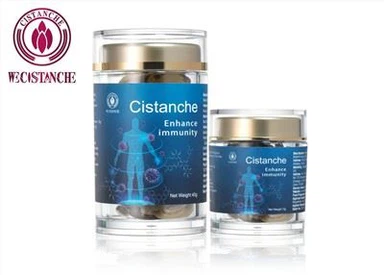
Click here to view Cistanche Enhance Immunity products
【Ask for more】 Email:cindy.xue@wecistanche.com / WhatsApp: 0086 18599088692 / Wechat: 18599088692
(2) Packaging and Labeling Standards
The packaging of Cistanche deserticola must comply with international transportation requirements and environmental standards. In international transportation, packaging materials should have sufficient strength and toughness to protect products from damage during long-distance transportation. For example, use solid cartons or wooden cases for packaging, and add buffer materials inside, such as foam boards, bubble bags, etc., to prevent Cistanche deserticola from breaking due to collision and extrusion during transportation. At the same time, packaging materials should comply with environmental standards, and recyclable and biodegradable materials should be selected as much as possible to reduce environmental pollution. With the continuous improvement of global environmental awareness, more and more countries and regions have put forward strict environmental requirements for packaging materials of imported products. The European Union has formulated a series of regulations on environmental standards for packaging materials, requiring that the packaging materials of imported products must be recyclable and the content of harmful substances must not exceed the prescribed limits. If the packaging materials of Cistanche deserticola do not meet these environmental standards, it may face risks such as returns and fines.
Labeling is also a key focus when exporting Cistanche deserticola. It must comply with relevant regulations of the target market, accurately listing the product's ingredient content, efficacy, usage methods, shelf life, manufacturer, and other information. In some countries, there are clear requirements for the language, font size, format, etc. of labels. In the United States, the Food and Drug Administration (FDA) requires that food and drug labels must be in English and the font size must ensure that consumers can read them clearly; The ingredient list on the label must be arranged in descending order of content, and the efficacy description must be supported by scientific evidence and must not be exaggerated. If the label does not comply with these regulations, the product will not be able to enter the US market. When designing labels, companies also need to consider the cultural background and consumption habits of the target market to avoid misunderstandings or adverse effects caused by cultural differences. For example, in some Western countries, consumers are more concerned about the ingredients and efficacy of products, and prefer concise and clear label designs; In some Asian countries, consumers pay more attention to the packaging appearance and brand image of products, and cultural elements can be appropriately integrated into labels.
(3) Key points of promotion and marketing
To gain more attention and recognition for Cistanche deserticola in the international market, active and effective promotion and marketing are crucial. Participating in internationally renowned food and health product exhibitions is a great way, such as Naturfach in Nuremberg, Germany, and Natural Products Expo West in the United States. These exhibitions bring together industry professionals, buyers, and consumers from around the world, providing an excellent platform for companies to showcase their products, expand their business, and communicate and collaborate. At the exhibition, enterprises can showcase the unique charm and advantages of Cistanche deserticola to visitors in all aspects through exquisite booth design, professional product display, and explanation, attracting the attention of potential customers. A certain enterprise carefully designed a booth at the Nuremberg International Health Food and Natural Products Expo in Germany, showcasing various forms of Cistanche products such as sliced Cistanche deserticola, Cistanche deserticola extract, and Cistanche deserticola health products. Professional personnel were arranged to give on-site explanations and demonstrations. Through this exhibition, the company not only established cooperation intentions with multiple international buyers but also increased the brand's visibility and influence in the international market.
Utilizing online platforms for promotion is also an indispensable marketing tool at present. By establishing an official website of the enterprise, comprehensive product information, efficacy, production process, quality certification, and other contents of Cistanche deserticola are introduced to provide consumers with detailed product information. At the same time, utilizing social media platforms such as Facebook, Instagram, Twitter, etc., to publish knowledge, product updates, user reviews, and other content related to Cistanche deserticola, interact with consumers, and enhance the brand's affinity and influence. According to statistics, the number of global social media users has exceeded billions. By promoting through social media platforms, brand information can be quickly and widely disseminated, attracting the attention of potential consumers. A certain Cistanche deserticola export enterprise has attracted a large number of fans by opening an official account on Facebook and regularly publishing popular science articles, product pictures, and videos about Cistanche deserticola. The company also conducts online promotional activities through social media platforms, interacts and communicates with consumers, effectively increasing product sales and brand awareness.
Collaborating with local distributors is also an important strategy for expanding into international markets. Local distributors who are familiar with the local market environment, consumption habits, and sales channels can help companies better promote their products. Enterprises can establish long-term and stable cooperative relationships with local strong and reputable distributors, jointly develop market promotion plans, carry out promotional activities, and improve product market coverage and sales. For example, a certain enterprise collaborated with a well-known local health product distributor in Japan, leveraging its well-established sales network and rich marketing experience to quickly promote its Cistanche deserticola products to the Japanese market. Both parties have achieved high visibility and market share of Cistanche deserticola products in the Japanese market through joint market research, development of marketing strategies, and organization of product promotion activities.
(4) Compliance and Intellectual Property Protection
When exporting Cistanche deserticola, enterprises must have a deep understanding of the relevant regulations and intellectual property protection in the target market to ensure the legality and safety of export activities. There are differences in import regulations and standards for Chinese medicinal materials in different countries and regions. For example, the European Union has extremely strict requirements for pesticide residues, heavy metal pollution, and other indicators of Chinese medicinal materials, while Japan has clear regulations on the sources and processing methods of Chinese medicinal materials. Before exporting, enterprises should carefully study the regulations and policies of the target market to ensure that the products meet local import requirements and avoid being detained, returned, or subjected to other penalties due to non-compliance with regulations. In 2020, a Chinese enterprise exported Cistanche deserticola products to the European Union. Due to insufficient understanding of the EU's pesticide residue standards, the products were found to have excessive pesticide residues, resulting in the entire batch of goods being returned and causing huge economic losses to the enterprise.
Intellectual property protection cannot be ignored either. As a traditional and precious Chinese medicinal herb, Cistanche deserticola has a certain level of popularity and market value in the international market. Enterprises should actively apply for international patents and trademarks to protect their intellectual property and prevent infringement by others. For example, Cistanche deserticola has registered trademarks in the United States, the European Union, Singapore, Japan, Taiwan, China, Hong Kong, and other countries and regions, effectively protecting its own brand and technology. At the same time, in the process of promotion and advertising, enterprises should pay attention to avoiding infringing on the intellectual property rights of others, such as the use of images, text, and other content in product packaging and promotional materials, and ensure that they have legal usage rights to avoid affecting the reputation and interests of the enterprise due to infringement disputes.
(5) Supply Chain and Logistics Management
Choosing the right logistics partner is crucial for the export of Cistanche deserticola. When choosing logistics partners, factors such as transportation mode, transportation time, cargo insurance, and logistics costs should be comprehensively considered. The main modes of transportation are sea freight, air freight, and land freight. The shipping cost is relatively low, suitable for large-scale transportation of Cistanche deserticola, but the transportation time is relatively long; Air freight has a fast speed, which can ensure the freshness and timeliness of products, but the cost is high, making it suitable for transporting high-value, small batch Cistanche products; Land transportation is suitable for countries and regions bordering China, with the characteristic of high transportation flexibility, but the transportation scope is relatively limited. Enterprises should choose appropriate transportation methods based on factors such as product characteristics, delivery time requirements, and cost budget.
Transportation time is also one of the key factors to consider. As a traditional Chinese medicine, Cistanche deserticola has certain requirements for storage conditions and timeliness. Excessive transportation time may lead to a decrease in product quality and affect sales. Therefore, enterprises should choose logistics solutions with short transportation times and high transportation efficiency. During transportation, it is necessary to ensure that the goods are properly stored and transported to avoid damage or deterioration caused by improper transportation. Cargo insurance is an important means of ensuring the safety of goods. Enterprises should choose appropriate insurance plans based on the value of goods and transportation risks to ensure timely compensation in case of loss of goods.
Logistics costs are also one of the important factors that enterprises need to pay attention to. Excessive logistics costs will increase the total cost of the product and reduce its market competitiveness. Enterprises can reduce logistics costs by negotiating with logistics suppliers, optimizing logistics routes, and arranging transportation batches reasonably. At the same time, attention should be paid to the balance between logistics costs and transportation service quality, and the quality of transportation services should not be ignored just to reduce costs, so as not to affect product delivery and customer satisfaction.
4, Common export problems and response strategies
In the process of exporting Cistanche deserticola, it is inevitable to encounter various problems and challenges. Understanding and preparing response strategies in advance is the key to ensuring the smooth progress of export business.
(1) Response to policy changes
The policies and regulations at home and abroad are constantly adjusting and improving, which undoubtedly brings many uncertainties to the export enterprises of Cistanche deserticola. For example, importing countries may suddenly raise the quality standards of Cistanche deserticola products, imposing stricter requirements on indicators such as pesticide residues and heavy metal content; Or adjust tariff policies and increase import tariffs, which will directly lead to an increase in product costs and a decrease in market competitiveness. To effectively respond to the impact of these policy changes, enterprises must always maintain a high level of policy sensitivity and establish a comprehensive policy tracking mechanism. By closely monitoring policy information released by domestic and foreign government departments, industry associations, etc., and timely understanding policy dynamics, and predicting policy adjustment directions in advance. At the same time, strengthen communication and exchange with industry associations, actively participate in industry seminars and activities, and obtain the latest policy interpretations and industry information. When it is known that policies may change, enterprises should quickly organize internal teams to analyze and evaluate, adjust the direction according to policies, and timely adjust production processes, product standards, and export strategies. For example, if the importing country raises the pesticide residue standards, the enterprise should immediately optimize the management of pesticide use in the planting process, adopt greener and more environmentally friendly planting technologies, and ensure that the products meet the new standard requirements; If tariff policies change, companies can alleviate cost pressures by optimizing their supply chains, reducing production costs, or negotiating with customers to jointly share the impact of tariff increases.
(2) Quality dispute resolution
Quality is the lifeline of enterprises. Once there is a quality dispute in the export of Cistanche deserticola, it will cause serious damage to the reputation and interests of the enterprise. Therefore, establishing a strict quality control system is the key to preventing quality disputes. Starting from the source of Cistanche deserticola cultivation, strict quality control measures must be taken, selecting high-quality seeds and planting soil, following scientific planting methods, and using pesticides and fertilizers reasonably to ensure the quality and safety of Cistanche deserticola. In the processing stage, it is necessary to strictly follow international quality standards and process flow for operation, strengthen the maintenance and management of production equipment, and ensure the stability of product quality. At the same time, strengthen the inspection and testing of raw materials and finished products, establish a sound quality traceability system, and once quality problems occur, they can be quickly traced back to the source of the problem, and timely measures can be taken for rectification.
However, even if companies adopt strict quality control measures, there will inevitably be some quality disputes. When quality disputes arise, companies should remain calm, actively communicate and negotiate with customers, and understand their demands and opinions. Timely provide relevant testing reports and quality certification documents, explain the quality standards and production process of the product to customers, and strive for their understanding and trust. If customers still have doubts about product quality, companies can invite third-party, authoritative testing institutions to conduct testing and resolve disputes based on objective and fair testing results. In the process of handling quality disputes, enterprises should always put customers at the center, uphold an honest and responsible attitude, actively seek solutions, and maintain good customer relationships.
(3) Logistics risk avoidance
The logistics process is an important link in the export of Cistanche deserticola. However, due to the complex and ever-changing international logistics environment, there are many risks, such as loss, damage, and delay of goods. These risks not only bring economic losses to the enterprise but may also affect customer satisfaction and have a negative impact on the reputation of the enterprise. To effectively avoid logistics risks, enterprises can take the following measures: Firstly, purchasing freight insurance is a common and effective way of risk transfer. Enterprises should choose appropriate insurance plans based on the value of goods and transportation risks to ensure timely compensation in case of loss of goods. Secondly, it is crucial to sign a detailed contract with the logistics provider. In the contract, it is necessary to clarify the rights and obligations of both parties, especially in terms of the division of responsibilities, transportation time, and cargo insurance during the transportation of goods, and to make detailed and clear provisions. In this way, when logistics problems arise, both parties can negotiate and resolve them based on the terms of the contract, avoiding situations of unclear responsibilities and mutual shirking of responsibilities. In addition, enterprises should strengthen communication and collaboration with logistics providers, timely understand the transportation status of goods, and communicate with logistics providers promptly to jointly find solutions if any abnormal situations are found. For example, when encountering flight delays, port congestion, and other situations, logistics providers should promptly notify enterprises and provide reasonable solutions. Enterprises should also actively cooperate with logistics providers to adjust their subsequent work plans to reduce the impact of logistics risks on export business.
Embark on a new journey of exporting Cistanche deserticola
The export road of Cistanche deserticola is full of unlimited opportunities, as well as many challenges. From understanding its precious medicinal value and vast international market potential, to conducting in-depth market research before export, complex export procedures, meticulous precautions, and strategies for addressing common issues, every step is crucial.
In this process, we realized that Cistanche deserticola, as a "desert ginseng", is gradually emerging in the international market with its unique efficacy and quality. With the increasing global awareness of health, the demand for natural and green health products continues to grow, and the market prospects for Cistanche deserticola are very broad. However, we cannot ignore the challenges involved, such as policy changes, strict requirements for quality standards, and intense market competition.
For every practitioner aspiring to export Cistanche deserticola, adequate preparation is the key to success. Always pay attention to market dynamics and policy changes, continuously improve product quality, strengthen brand building and market promotion, to cope with various challenges. Only in this way can Cistanche deserticola, a "desert ginseng," shine brighter on the international market stage, create greater value for enterprises, and contribute to the dissemination of traditional Chinese medicine culture. Let's work together, actively explore the international market, and embark on a new journey of exporting Cistanche deserticola!